

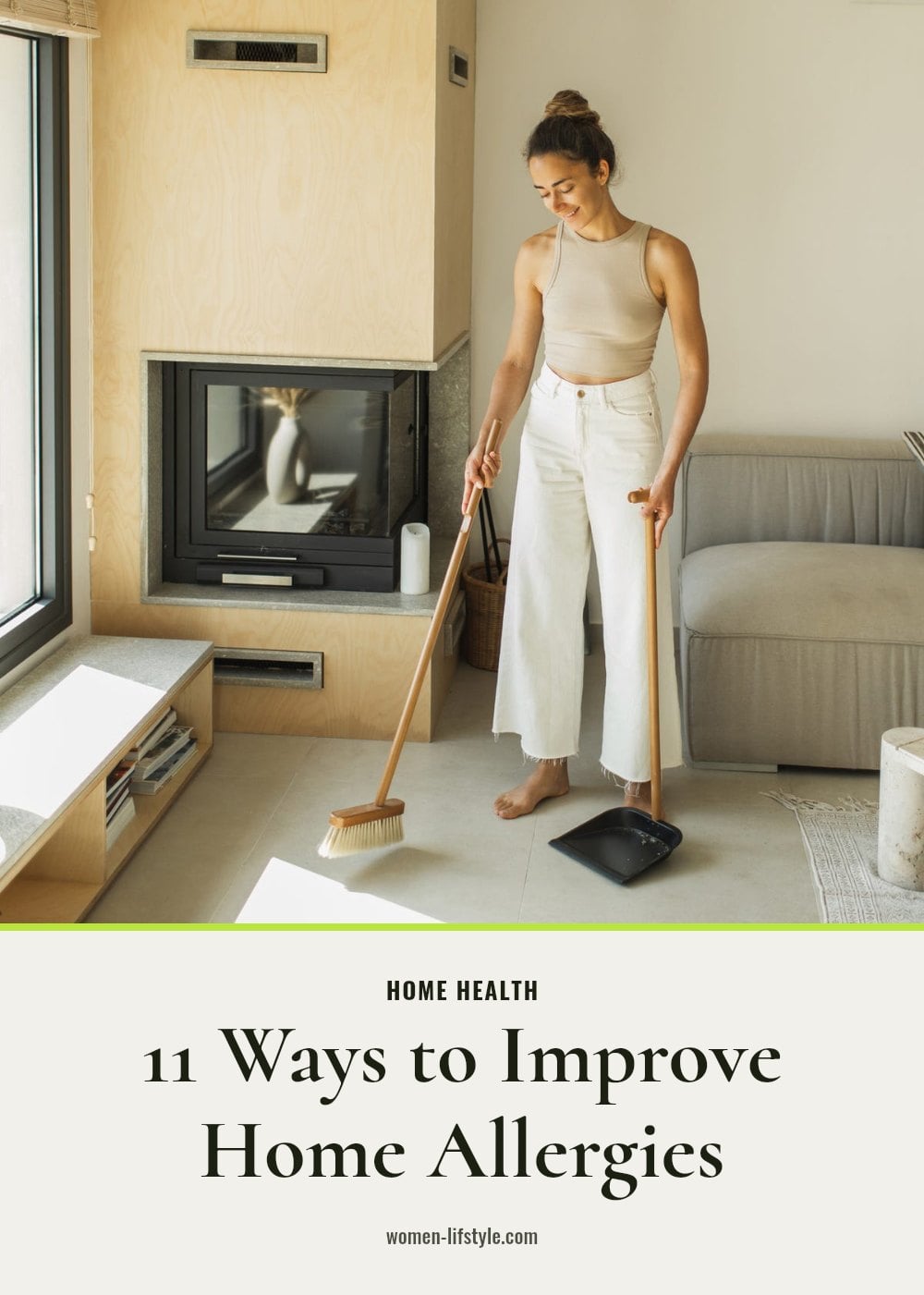
If you feel like you’re constantly sneezing or dealing with a stuffy nose inside your own home, you’re not alone. Indoor allergens like dust mites, pet dander, and mold can make everyday life uncomfortable. The good news is that a few simple changes to your home routine can make a big difference in how you feel. This article covers 11 practical tips for reducing allergens in your home, from washing bedding in hot water to using a HEPA air purifier.
Key Takeaways
- Wash bedding weekly in water at least 130°F to kill dust mites.
- Keep indoor humidity below 50% using a dehumidifier if needed.
- Vacuum with a HEPA-filtered vacuum to trap fine particles.
- Use allergen-proof covers on mattresses and pillows.
- Shower before bed to remove pollen and outdoor allergens.
How to Find Relief from Allergies at Home
Managing indoor allergies comes down to reducing exposure to common triggers like dust mites, pet dander, and mold spores. That means consistent cleaning, controlling humidity, and using tools like allergen-proof covers and HEPA filters to make your home a more allergy-friendly space. My tip: Start with your bedroom, since that’s where you spend a significant chunk of your time.
1. Use Allergen-Proof Bedding Covers
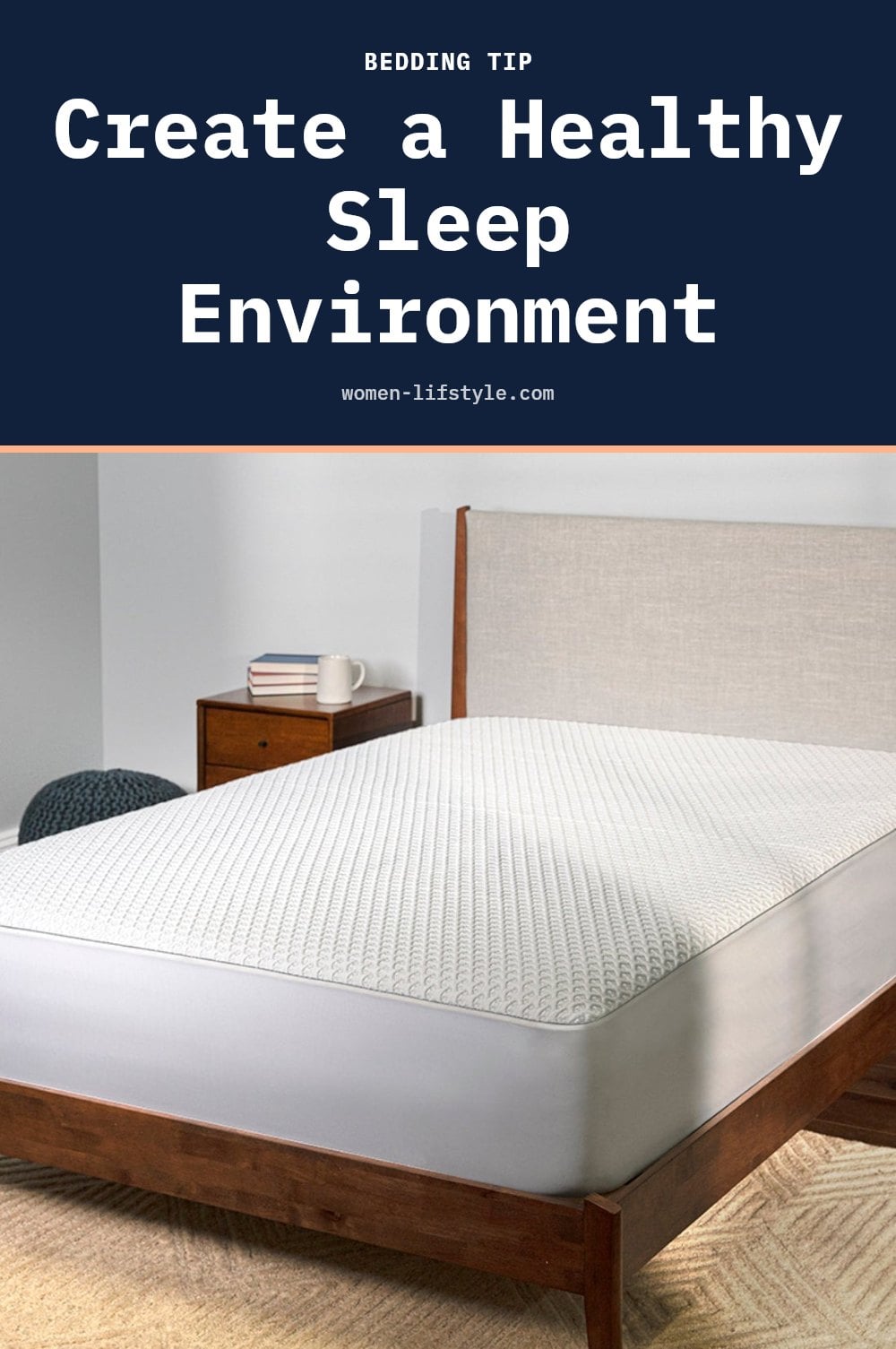
Dust mites love hiding in your mattress and pillows, and allergen-proof covers create a physical barrier between you and them. These covers are tightly woven to block dust mites and their waste products from reaching you. My tip: Look for covers specifically labeled “allergen-proof” or “dust mite proof” for your mattress, box spring, and pillows.
2. Wash Bedding in Hot Water Weekly
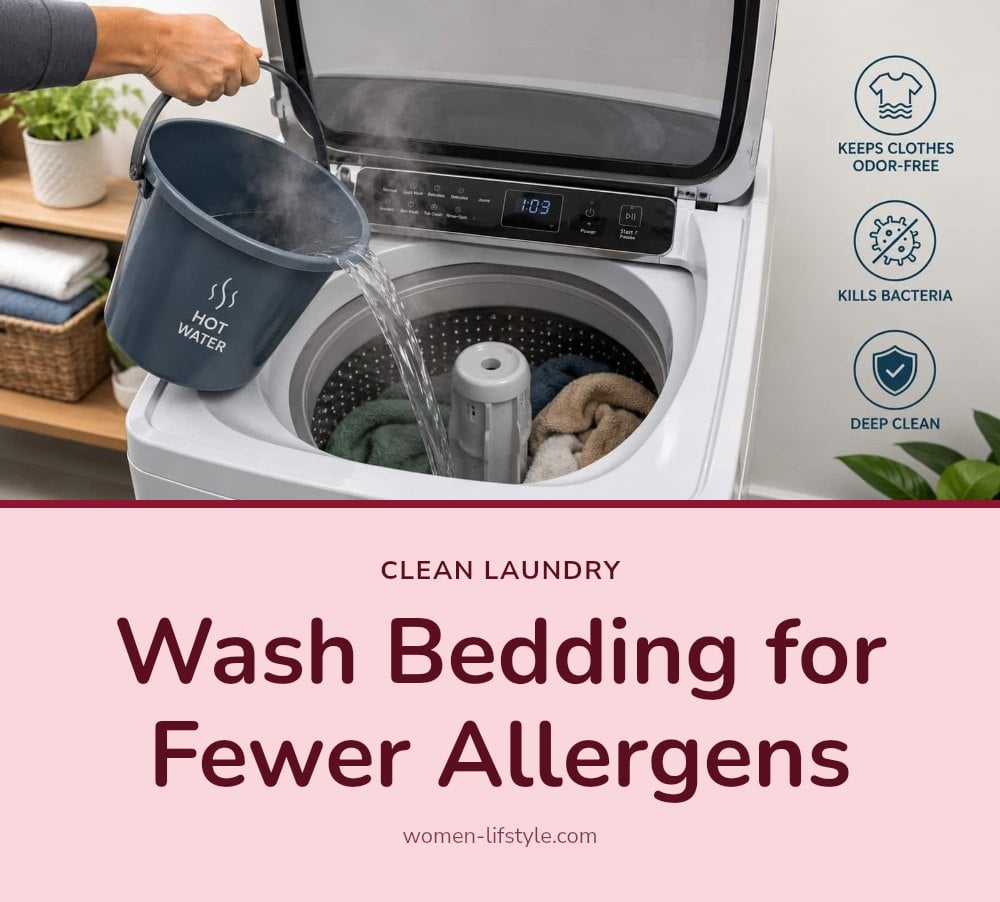
Washing all your bedding, sheets, pillowcases, and blankets, in hot water (at least 130°F or 54°C) is crucial for killing dust mites and washing away their allergens. Tip: If your washing machine doesn’t get hot enough, try a laundry additive designed to kill dust mites in cooler water, but hot water remains the most effective option.
3. Control Indoor Humidity Levels
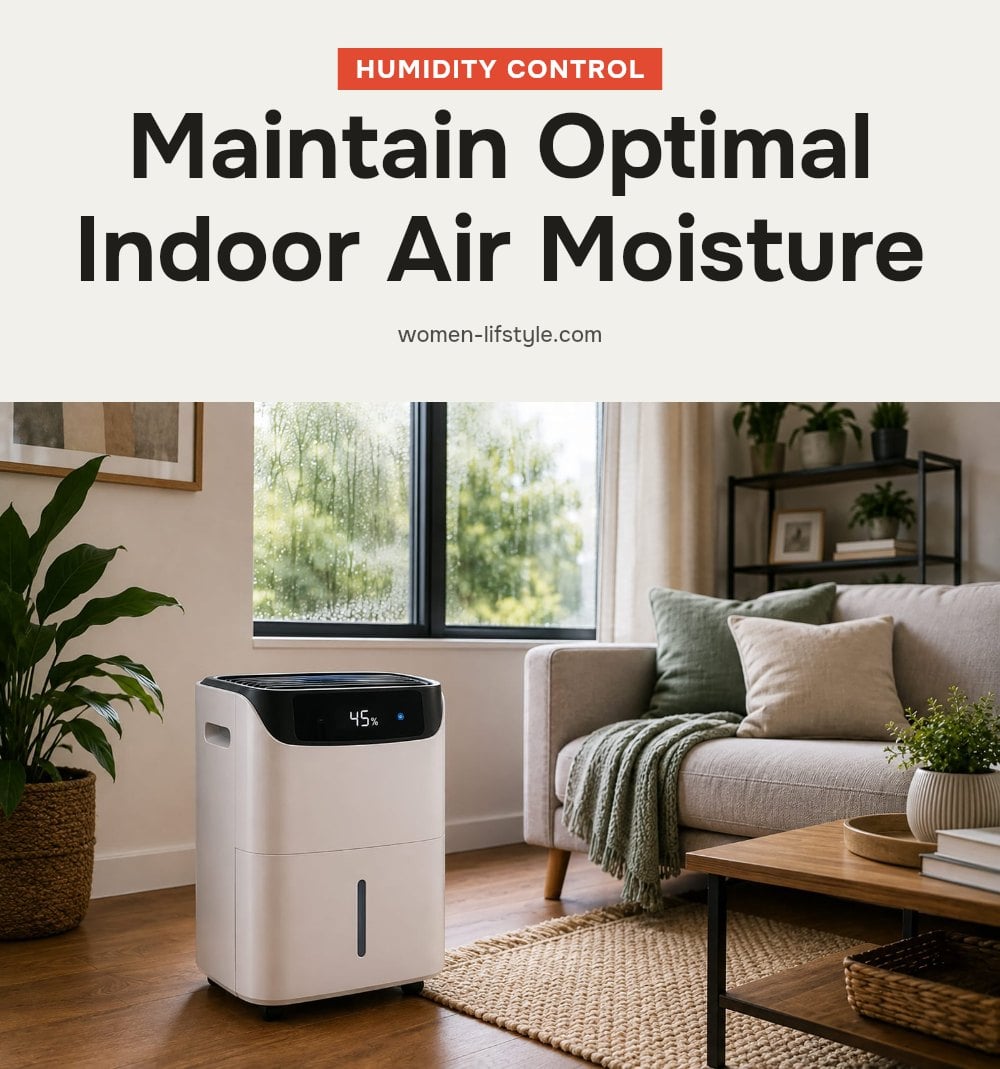
Dust mites and mold thrive in warm, humid environments, so keeping indoor humidity below 50% is key. A dehumidifier in damp areas like basements or bathrooms can significantly slow their growth. Good to know: Get a hygrometer (a humidity monitor) to track levels and aim for a range of 30-50%.
4. Vacuum Regularly with a HEPA Filter
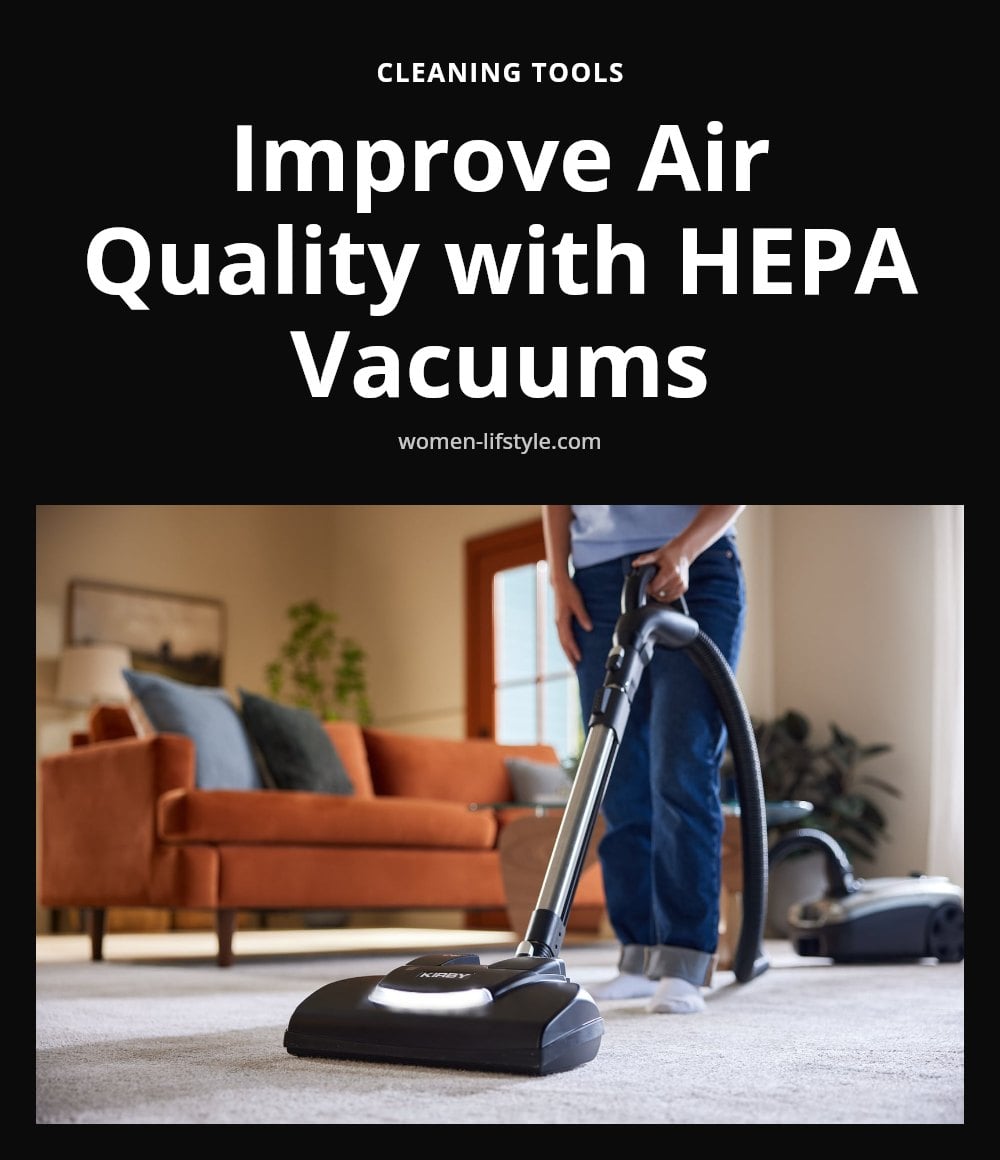
Regular vacuuming pulls allergens out of carpets and upholstery, but only if your vacuum is up to the job. A HEPA-filtered model captures at least 99.97% of particles as small as 0.3 microns, trapping dust mite waste, pet dander, and pollen inside the bag or canister instead of blowing them back into the room.
My tip: Vacuum once or twice a week, and go slowly over high-traffic areas so the brush roll has time to lift embedded allergens. If you notice your eyes watering or sneezing while you clean, wear a dust mask and open a window for extra ventilation.
5. Clean Hard Surfaces Frequently
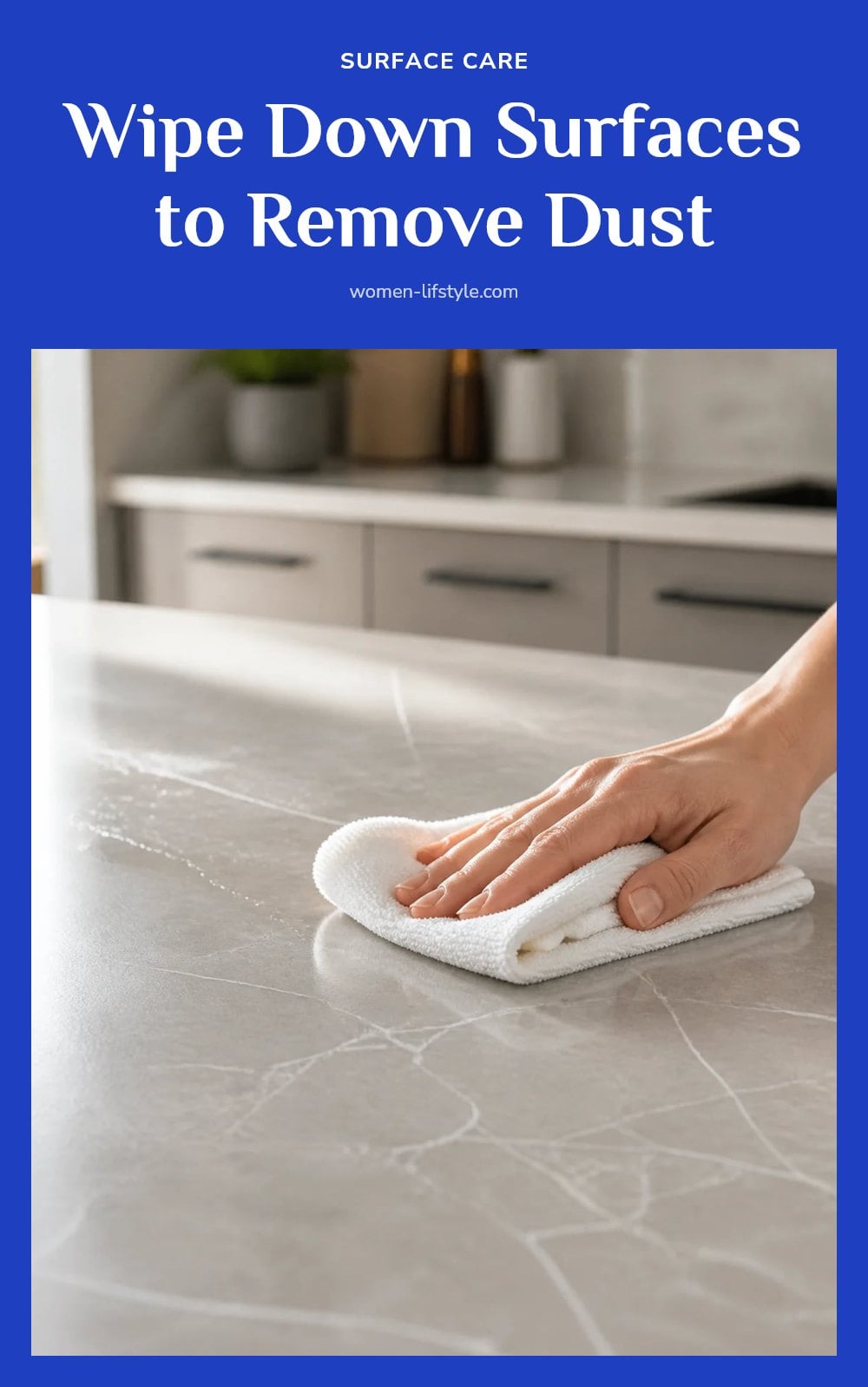
Hard surfaces like wood floors, tile, and countertops still collect dust and allergens, even if they look clean. Wipe them down regularly with a damp cloth or mop to capture particles instead of pushing them around.
My tip: avoid dry dusting, since it tends to kick allergens into the air where you can breathe them in. A slightly damp microfiber cloth works well on most surfaces and traps dust effectively.
6. Use a HEPA Air Purifier
A HEPA air purifier can pull pollen, pet dander, and dust mite allergens out of the air you breathe. Place one in your bedroom or the main living area, since those are the spots where you spend the most time, and you may notice fewer symptoms during the day and overnight.
Pro move: Check the purifier’s CADR (Clean Air Delivery Rate) rating before you buy. It tells you how quickly the unit cleans a room of a certain size, so match it to your room’s square footage for real results. A purifier that’s too small won’t keep up with the allergens.
7. Shower Before Bed
Spending time outdoors means your hair and skin pick up pollen, grass, and other airborne allergens without you noticing. Showering and washing your hair before bed washes those particles away, so they don’t transfer to your pillow and bedding overnight.
This matters because you spend hours with your face pressed against that pillow, and allergens that cling to the fabric can trigger symptoms while you sleep.
Quick tip: Make this a non-negotiable habit during high pollen seasons. Even a quick rinse helps, and it can lead to a more comfortable, symptom-free night.
8. Consider Hard Flooring Over Carpets

Carpets act like a sponge for dust mites, pet dander, and pollen, and even regular vacuuming rarely gets them fully clean. Hard flooring surfaces like wood, tile, or laminate have fewer places for allergens to hide, and a quick damp mop removes what settles there.
If removing carpets isn’t an option, vacuum frequently with a HEPA-filtered vacuum and consider steam cleaning regularly. Steam cleaning can help break down allergens trapped deep in the fibers.
9. Keep Pets Out of the Bedroom
If pet dander is a trigger for you, make the bedroom a pet-free zone. This cuts your exposure during the hours your body should be recovering, which can help you sleep more comfortably and wake up with fewer symptoms.
My tip: short-haired pets still produce dander, so this rule applies to all furry or feathered friends if you’re sensitive. Keep the door closed and wash your hands after petting them.
10. Prevent Mold Growth
Mold spores are a common allergen, and mold thrives in damp, dark spots like bathroom corners, under sinks, and basements. Fix leaks promptly, run exhaust fans in bathrooms and kitchens, and clean visible mold with mild soap and water or a vinegar solution.
Caution: for larger infestations or hidden mold, call a professional for remediation. Wear gloves and a mask while cleaning small areas to avoid breathing in spores.
11. Keep Windows Closed During High Pollen
Opening windows on a high-pollen day lets allergens drift straight into your living space. Check local pollen counts and keep windows and doors closed when levels are high, especially on windy days when particles travel farther.
My tip: use air conditioning with a clean filter to stay cool without inviting pollen inside. Change or wash the filter regularly so it keeps working effectively.
When to Consult a Healthcare Professional
If your allergy symptoms are severe, persistent, or interfere with your daily life despite your home management efforts, it’s time to see a doctor. A healthcare professional can provide an accurate diagnosis, recommend specific treatments, or discuss prescription medications that may offer more relief.
Always consult a doctor before making significant changes to your allergy management plan, especially for children or individuals with chronic health conditions. They can help you tailor an approach that is safe and effective for your specific situation.
Frequently Asked Questions
Can air purifiers really help with allergies?
Yes, a HEPA air purifier can help by capturing airborne particles like pollen, pet dander, and dust mite waste. Placing one in your bedroom or main living area can reduce the number of allergens you breathe in. However, air purifiers work best alongside regular cleaning, not as a replacement for it.
How often should I clean to reduce allergens?
Wash bedding in hot water weekly, vacuum with a HEPA filter at least once a week, and wipe hard surfaces with a damp cloth or mop weekly. Deep cleaning tasks like replacing HVAC filters and cleaning under furniture can be done monthly or quarterly. Humidity levels should be checked continuously with a hygrometer.
Are all pets bad for allergy sufferers?
Not all pets are equally triggering, but no breed is truly hypoallergenic. Pet dander comes from skin flakes, not just hair, so even short-haired animals produce it. If you have pet allergies, keeping pets out of the bedroom and vacuuming regularly can help reduce your exposure.
What are common hidden sources of allergens?
Hidden sources include dust mites in upholstered furniture, mold in bathroom corners or under sinks, and pollen that clings to clothing and hair. Even HVAC systems can recirculate allergens if filters aren’t changed regularly. Keeping windows closed during high pollen days and cleaning those spots can make a big difference.
Does humidity affect indoor allergens?
Yes, humidity plays a big role. Dust mites and mold thrive when humidity is above 50%, so keeping it between 30% and 50% can slow their growth. A dehumidifier in damp areas like basements or bathrooms helps, and a hygrometer lets you track levels easily.
Can diet impact allergy symptoms?
There is some evidence that certain foods may help reduce inflammation, but diet is not a substitute for reducing allergen exposure in your home. If you suspect a food allergy or sensitivity, talk to a doctor or allergist for personalized advice rather than relying on diet changes alone.
Final Thoughts
Start with one change that feels manageable, like washing your bedding in hot water this week or adding a dehumidifier to your basement. Most of these steps take a few minutes but can noticeably reduce your symptoms over time. Expect to see gradual improvement as you keep up with the routine, and remember that consistency matters more than perfection.
This article is for informational purposes only and does not constitute medical advice. Allergy symptoms vary by individual, and what works for one person may not work for another. If you have severe or persistent symptoms, or if you have a chronic health condition, consult a healthcare professional for proper diagnosis and treatment.
