

If you’re sneezing or dealing with a stuffy nose at home, the culprit is likely hiding in your bedding, carpets, or damp corners. Common triggers like dust mites, pet dander, and mold can settle into every room, but a few targeted changes make a real difference. This article covers practical steps to reduce allergens in each space, from your bedroom to the kitchen, so you can breathe easier without a major overhaul.
Key Takeaways
- Wash bedding weekly in hot water (at least 130°F) to kill dust mites.
- Keep indoor humidity below 50% to prevent mold and mite growth.
- Use a HEPA-filtered vacuum and damp cloths to trap allergens, not scatter them.
- Close windows during high pollen seasons and run air conditioning instead.
- Bathe pets regularly and keep them out of bedrooms to cut down on dander.
What Are Common Household Allergens?
Allergens are substances that can trigger an allergic reaction in sensitive individuals. The most common household culprits are dust mites, pet dander, pollen, mold, and insect droppings. Each of these can settle into your carpets, bedding, and upholstery, causing symptoms like sneezing, congestion, and itchy eyes. Reducing them takes a consistent approach: regular cleaning, controlling humidity, and minimizing the sources of allergens in every room. Tackle them one by one, and you’ll notice a real difference in your indoor air quality.
1. Control Dust Mites in Bedding
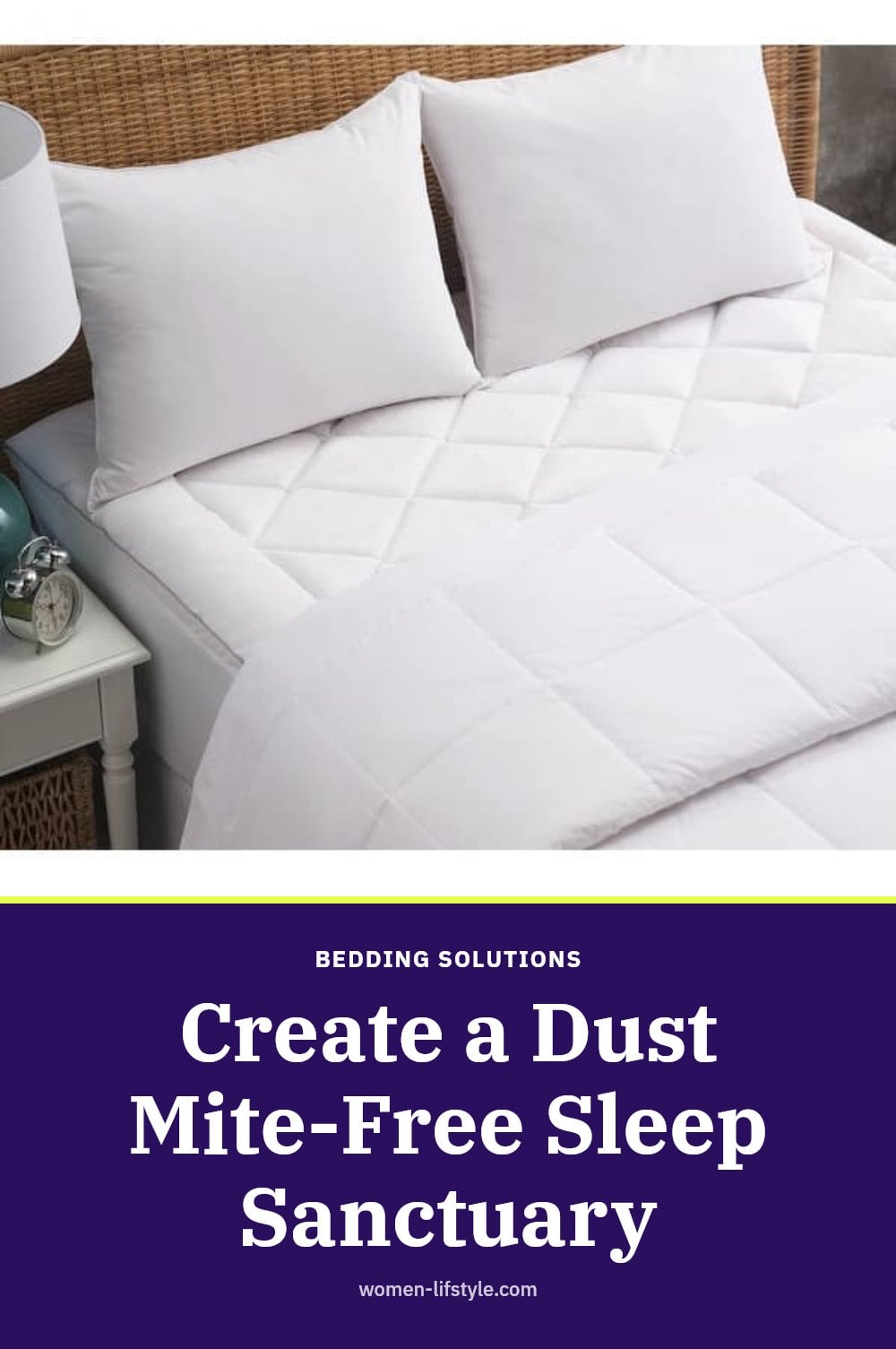
Dust mites are microscopic insects that feed on dead skin cells and thrive in warm, humid bedding. To create a barrier between you and them, cover your mattress, box spring, and pillows with allergen-proof encasements. These tightly woven covers keep dust mites from getting into the bedding and are easy to wipe down.
Wash all your bedding, including sheets, pillowcases, and blankets, weekly in hot water at least 130°F (54°C) to kill dust mites and remove their allergens. Use a high-temperature cycle and dry on high heat if possible.
2. Manage Pet Dander Effectively
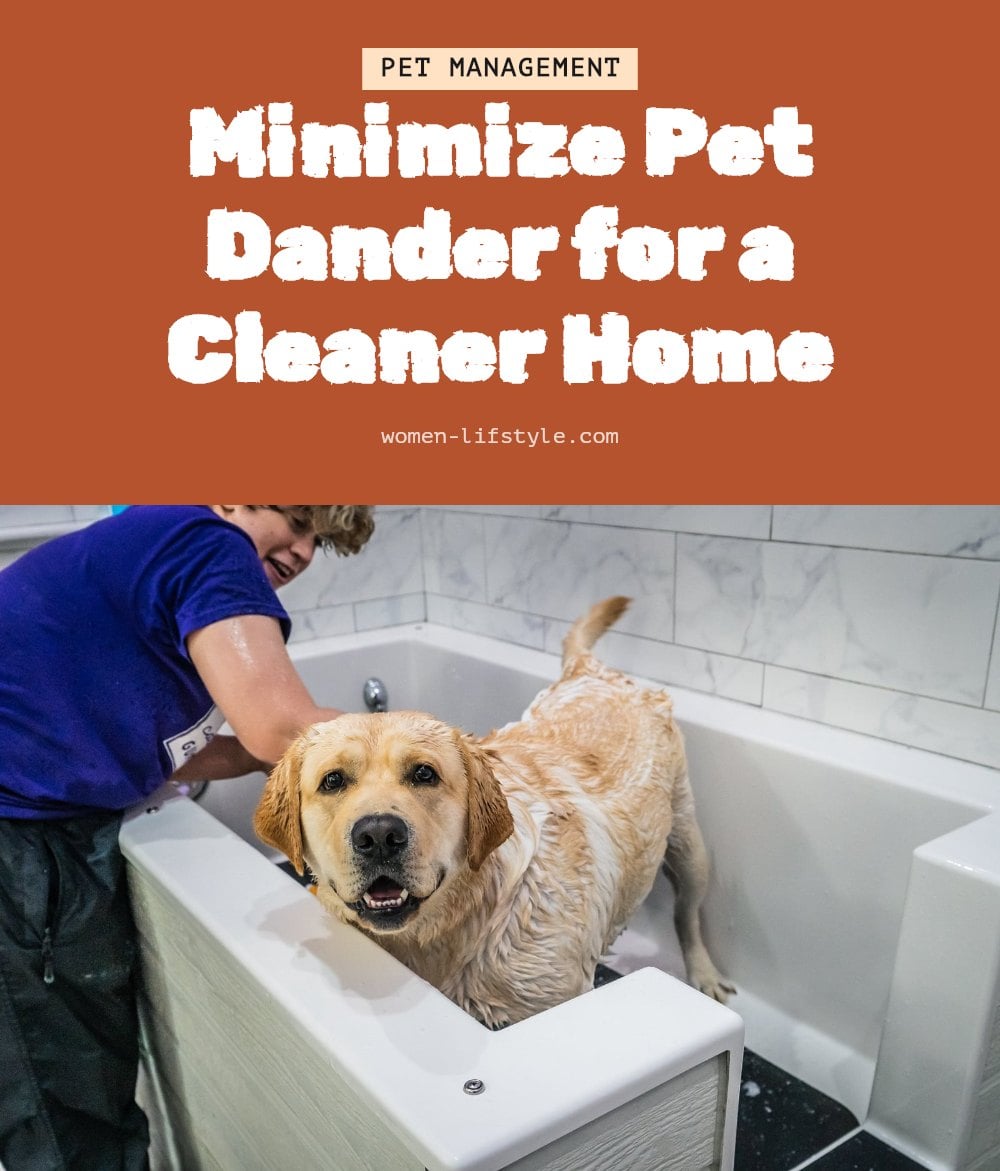
Pet dander consists of tiny flakes of skin shed by animals with fur or feathers. These flakes can become airborne and settle on every surface. To reduce dander, bathe your pets regularly with a pet-safe shampoo, which helps cut down on the amount they shed.
Keep pets out of bedrooms, especially if you have pet allergies. This creates an allergen-free zone for sleep, reducing your exposure during the night when your body is resting.
3. Reduce Pollen Entry Indoors
Pollen enters your home through open windows and doors, and it hitches a ride on your clothing and pets, especially during peak allergy seasons. To keep it out, close windows and doors when pollen counts are high, typically in the morning and early evening.
Use air conditioning with a clean filter to cool your home without pulling in outdoor allergens. If you’ve been outside, change clothes and wipe down your pets before settling in.
4. Prevent Mold Growth in Damp Areas
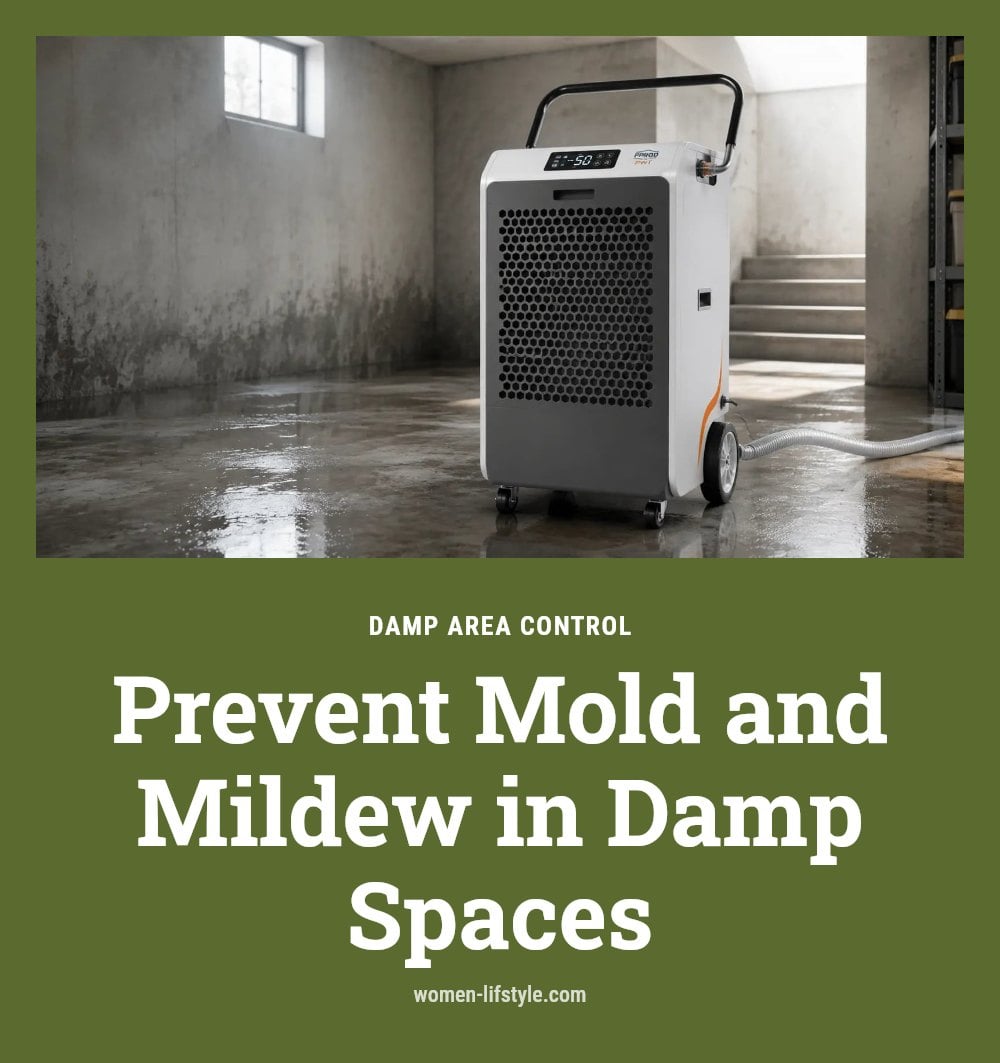
Mold spores grow in damp, humid environments like bathrooms, basements, and kitchens. Keeping indoor humidity below 50% is the key to stopping them. Use a dehumidifier in persistently damp spaces and check the humidity level with a simple meter.
- Ventilate during and after showers: Run the exhaust fan or open a window for at least 15 minutes after bathing or cooking.
- Fix leaks promptly: A dripping pipe or a slow roof leak can create the perfect breeding ground for mold. Repair it as soon as you notice it.
Caution: When cleaning mold, wear gloves and a mask to avoid inhaling spores.
5. Clean Surfaces to Trap Allergens
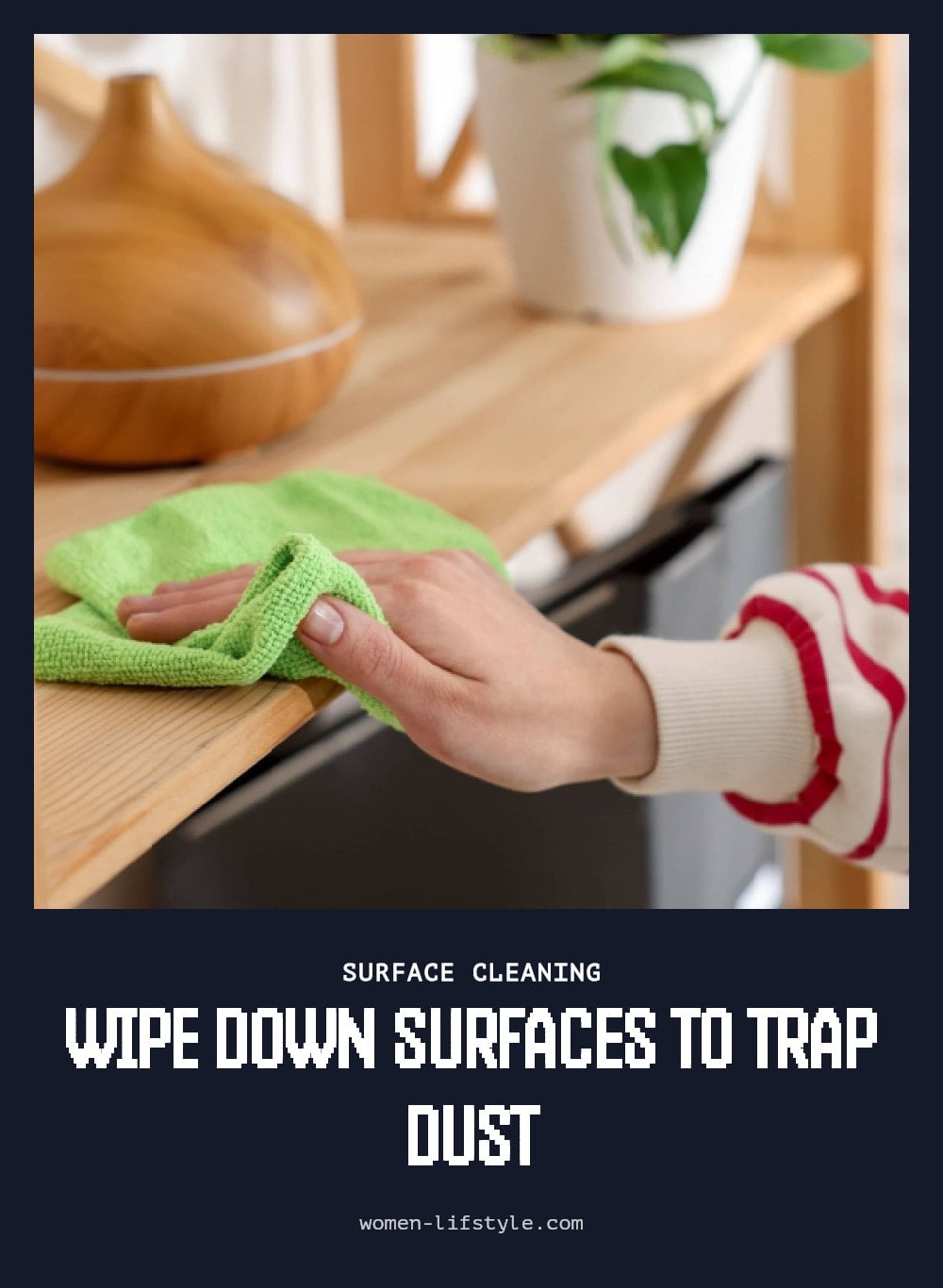
Dry dusting with a feather duster or dry cloth simply scatters allergens into the air you breathe. A damp cloth or microfiber towel traps dust mites, pet dander, and pollen instead of moving them around. Wipe all surfaces, shelves, windowsills, furniture tops, with a slightly damp cloth.
My tip: Keep a spray bottle with water or a gentle cleaner nearby so your cloth stays damp as you work. This method is fast and keeps allergens out of the air.
6. Vacuum Regularly with HEPA Filters
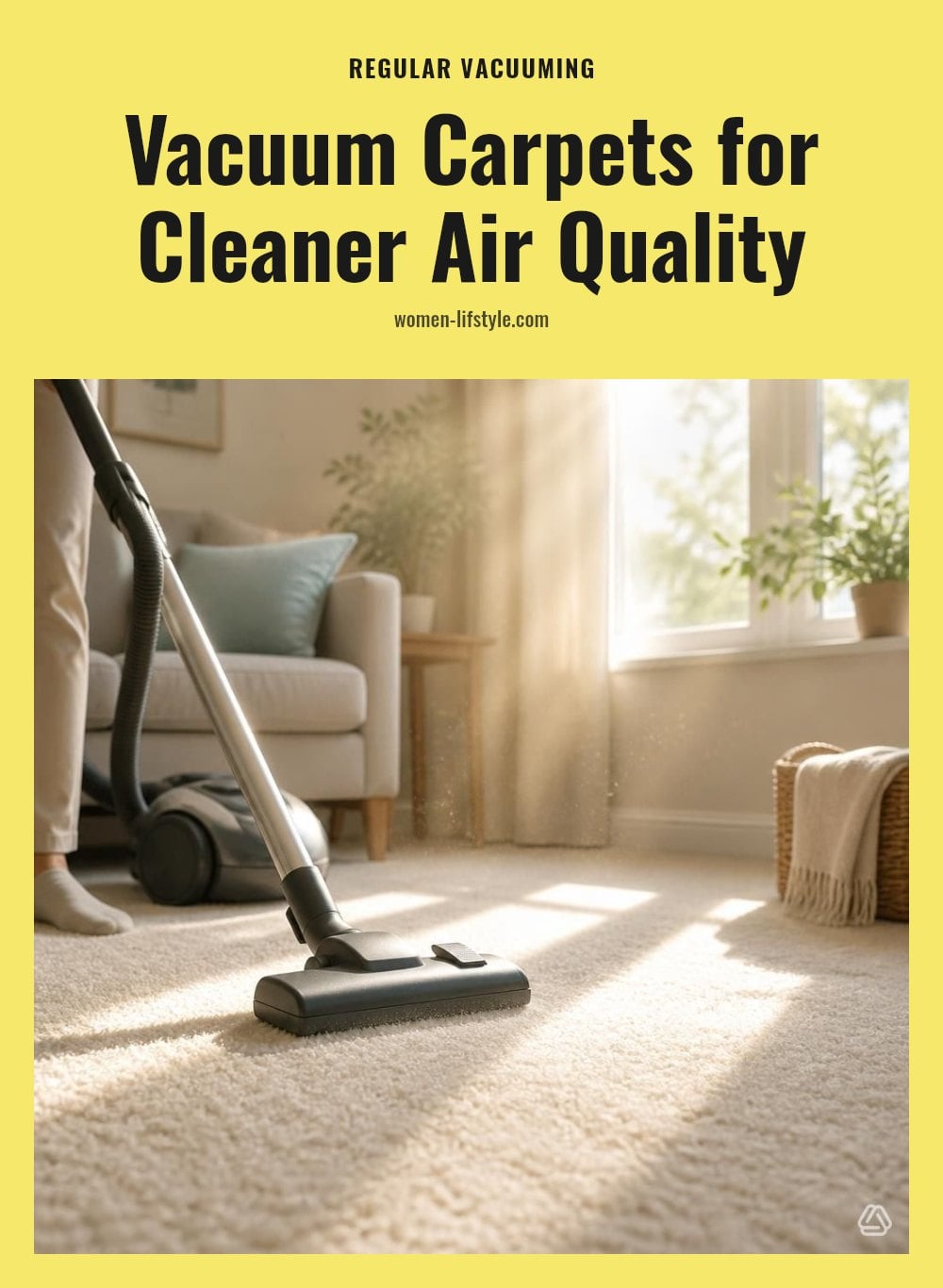
Regular vacuuming removes allergens from carpets and upholstered furniture, but only if your vacuum has a HEPA filter. A HEPA (high-efficiency particulate air) filter captures tiny allergen particles that a standard vacuum would simply recirculate into the room.
Focus on high-traffic areas and vacuum at least once a week. For best results, go over each spot slowly, two or three passes, so the HEPA filter has time to pull out the fine particles.
7. Choose Allergen-Friendly Furnishings
Porous materials like wall-to-wall carpet and heavy drapes trap dust mites, dander, and pollen deep in their fibers. Smooth, washable surfaces are much easier to keep allergen-free. Hardwood, tile, or laminate flooring can be damp-mopped regularly.
For windows, choose blinds or washable curtains over heavy fabric drapes. Blinds wipe clean with a damp cloth, and washable curtains can go in the machine every few weeks. These simple swaps make a real difference in reducing allergen buildup.
8. Clean Up Pest-Related Allergens
Clean Up Pest-Related Allergens: Cockroach droppings and shed skin can be significant indoor allergens, especially in urban areas. Keep all food crumbs and spills contained and clean immediately. Store dry goods in sealed containers to remove the food source that attracts pests.
- Caution: If you suspect a pest infestation, consider professional pest control rather than attempting to handle severe cases yourself. Professionals have the tools and treatments to address the problem safely and thoroughly.
9. Maintain HVAC Filters Regularly
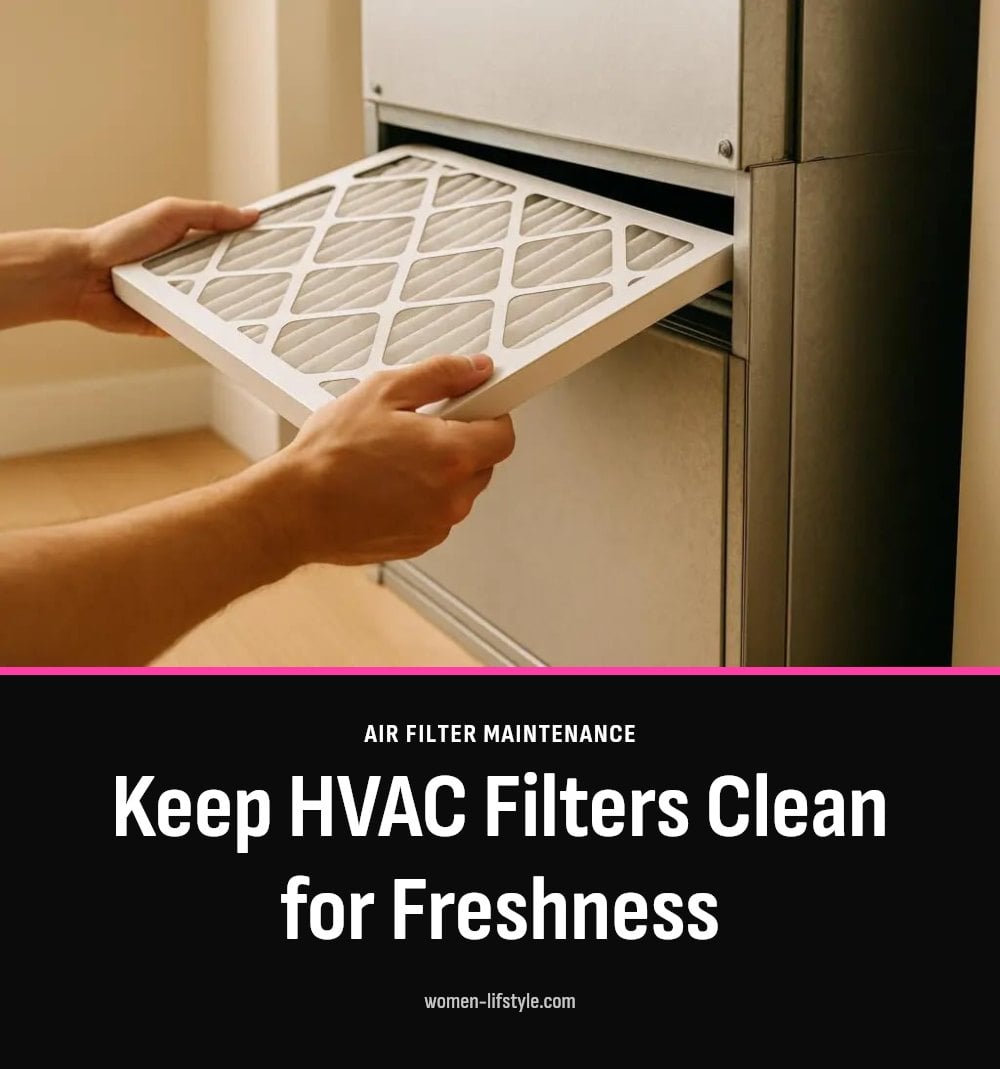
Maintain HVAC Filters Regularly: Your home’s heating, ventilation, and air conditioning system can distribute allergens throughout every room if not properly maintained. Check and change HVAC filters according to manufacturer recommendations, usually every 1 to 3 months. Consider using high-efficiency pleated filters, which capture far more airborne particles than standard fiberglass filters.
Tip: Mark a calendar reminder so you don’t forget this simple task that has a big impact on whole-house air quality.
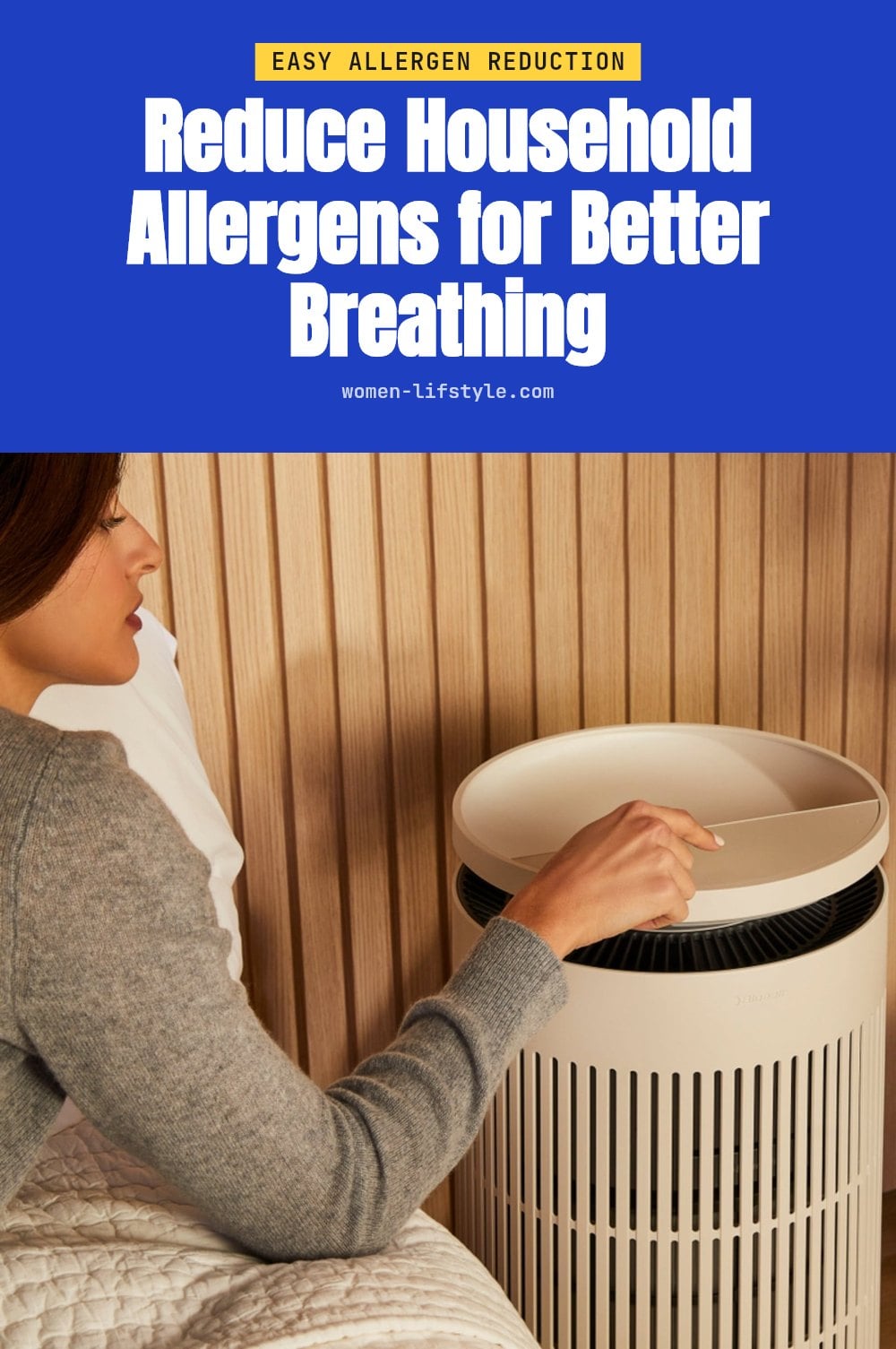
10. Use Air Purifiers with HEPA Filters
Use Air Purifiers with HEPA Filters: Air purifiers with HEPA filters can capture very small allergen particles like dust mite debris, pet dander, and pollen, improving indoor air quality. Place purifiers in the rooms where you spend the most time, such as bedrooms or living areas.
My tip: Remember, air purifiers work best when combined with other allergen reduction strategies, not as a standalone solution. They are a helpful supplement to cleaning and source control.
11. Avoid Irritating Cleaning Products
Avoid Irritating Cleaning Products: While cleaning is essential, some strong fragrances or harsh cleaning chemicals can irritate your airways and trigger symptoms in sensitive individuals. Opt for fragrance-free or natural cleaning products that are less likely to cause a reaction.
Caution: Ensure good ventilation when cleaning, even with milder products, to disperse any fumes. Open a window or turn on an exhaust fan to keep the air fresh.
When to Consult a Healthcare Professional
If you experience severe allergic reactions or persistent asthma symptoms even after reducing allergens at home, it is time to consult a healthcare professional. They can run tests to identify your specific triggers, recommend treatments like antihistamines or immunotherapy, and suggest additional environmental controls tailored to your situation. My tip: Do not hesitate to seek professional advice if your symptoms significantly impact your quality of life. Allergen management at home helps, but it is not a substitute for medical guidance when symptoms are severe.
Frequently Asked Questions
How often should I clean to reduce allergens?
For most people, a weekly routine works best: wash bedding in hot water, vacuum with a HEPA-filtered vacuum, and damp-dust surfaces. Deeper tasks like cleaning air vents or washing curtains can be done monthly or seasonally. If you have pets or live in a humid area, you may need to clean more often.
Can houseplants worsen allergies?
Yes, they can. Overwatered houseplants create damp soil that encourages mold growth, and some plants produce pollen. To minimize the risk, let soil dry out between waterings, avoid plants with fuzzy leaves, and place them in well-ventilated areas. If you’re sensitive, consider sticking with a few low-maintenance options.
Do air purifiers really help with allergies?
Air purifiers with HEPA filters can capture airborne particles like pet dander and pollen, but they work best alongside source control. Place one in the room where you spend the most time, like your bedroom, and keep windows closed. They won’t remove allergens already settled on surfaces, so vacuuming and dusting remain important.
What’s the best way to clean mold?
Wear gloves and a mask to avoid inhaling spores. For small patches, scrub with a bleach solution or a commercial mold remover, then dry the area completely. Ensure good ventilation while cleaning. For large or persistent mold problems, consider calling a professional to handle it safely.
How do I know if I have dust mites?
Dust mites are microscopic, so you won’t see them. Signs include waking up with congestion, sneezing, or itchy eyes, especially after sleeping. If your home has high humidity (above 50%) and you have carpets or upholstered furniture, dust mites are likely present. A doctor can test for dust mite allergy if symptoms persist.
Final Thoughts
Start with one room, like your bedroom, by encasing your mattress and washing sheets in hot water weekly. That single change can cut down on dust mite exposure while you sleep. For a realistic expectation, you’ll notice fewer allergy symptoms within a few weeks of consistent cleaning and humidity control. Stick with these habits, and your home will feel fresher without extra effort.
This information is for general educational purposes and does not replace professional medical or cleaning advice. If you have severe allergies, asthma, or suspect a serious mold or pest problem, consult a healthcare provider or a qualified specialist for personalized guidance.
