

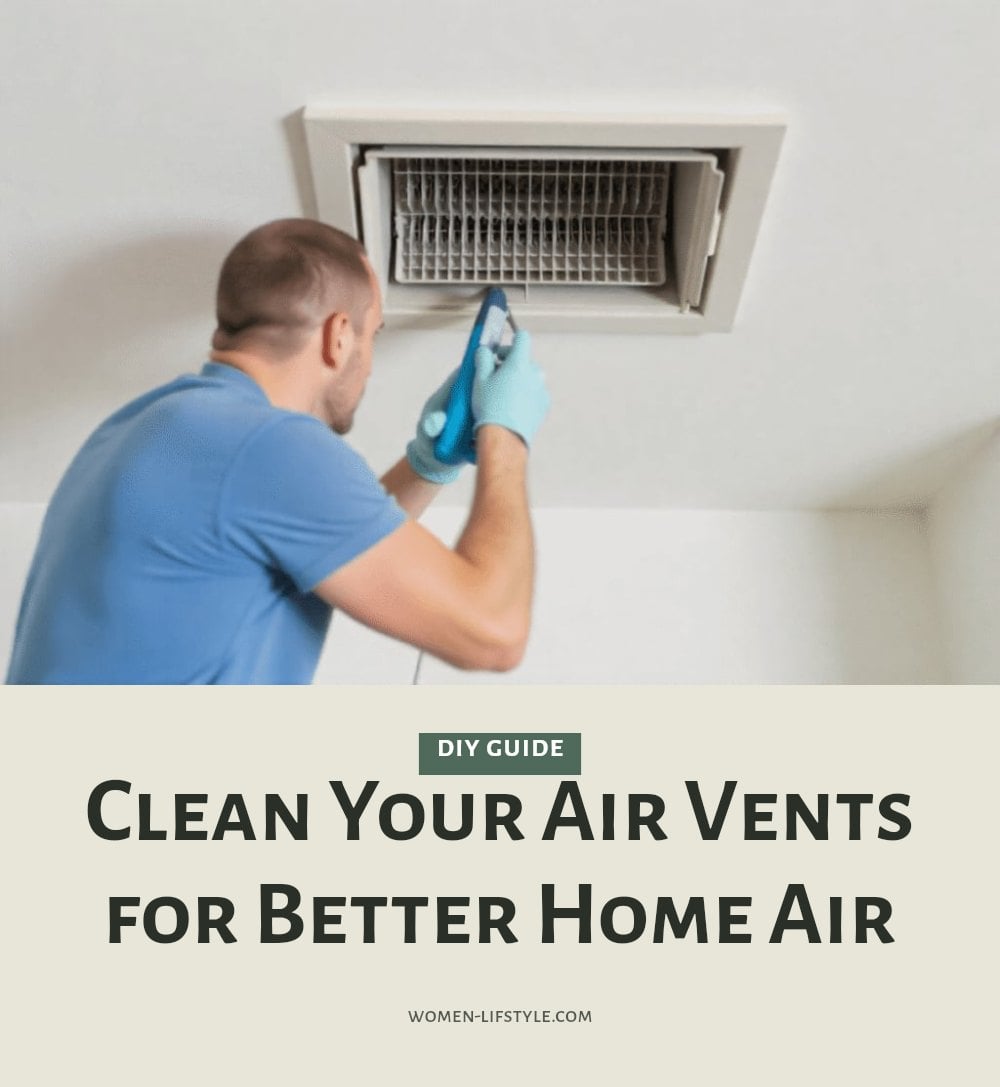
If you’ve noticed dust collecting around your air vents or rooms that never feel quite comfortable, it’s time to give those vents some attention. Cleaning them is a simple task that can boost your home’s air quality and help your HVAC system run more efficiently. This article walks you through the full process, from a quick monthly vacuum to a deeper clean every few months, plus tips on what to avoid.
Key Takeaways
- Vacuum vent grilles monthly or every other month to prevent heavy dust buildup.
- Remove and wash grilles with warm, soapy water every 3 to 6 months for a deeper clean.
- Always dry grilles completely before reinstalling to avoid rust or moisture issues.
- Change your HVAC air filter every 1 to 3 months to keep dust from recirculating.
- Call a professional if you find mold covering more than 10 square feet or have respiratory concerns.
Why Cleaning Your Air Vents Matters
Cleaning your air vents regularly does more than make them look nicer. It removes dust, pet dander, and allergens that build up on the grilles and inside the openings, so your family breathes cleaner air. That same buildup can restrict airflow, forcing your HVAC system to work harder and use more energy. For best results, vacuum the vents monthly and do a deeper clean every 3 to 6 months.
1. Gather Your Cleaning Arsenal
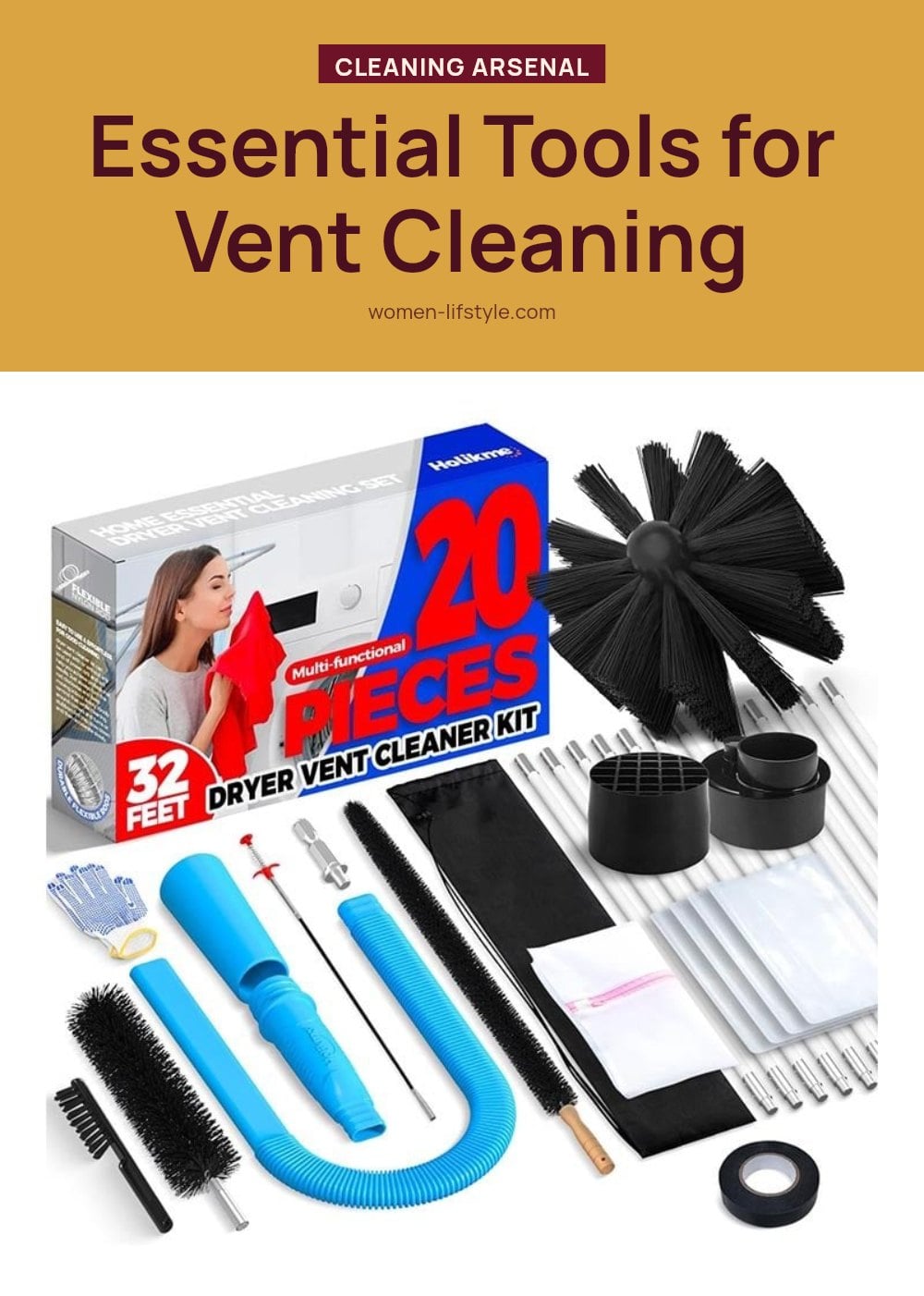
Before you start, round up everything you need so you don’t have to stop mid-task. Here’s the full list:
- Vacuum with a brush attachment
- Screwdrivers (Phillips and flathead)
- Warm water and dish soap
- Microfiber cloths and a soft scrub brush
My tip: Keep a small container for screws and have gloves and a dust mask ready if you have allergies. Being prepared makes the whole process smoother.
2. Quick Vacuum for Surface Dust
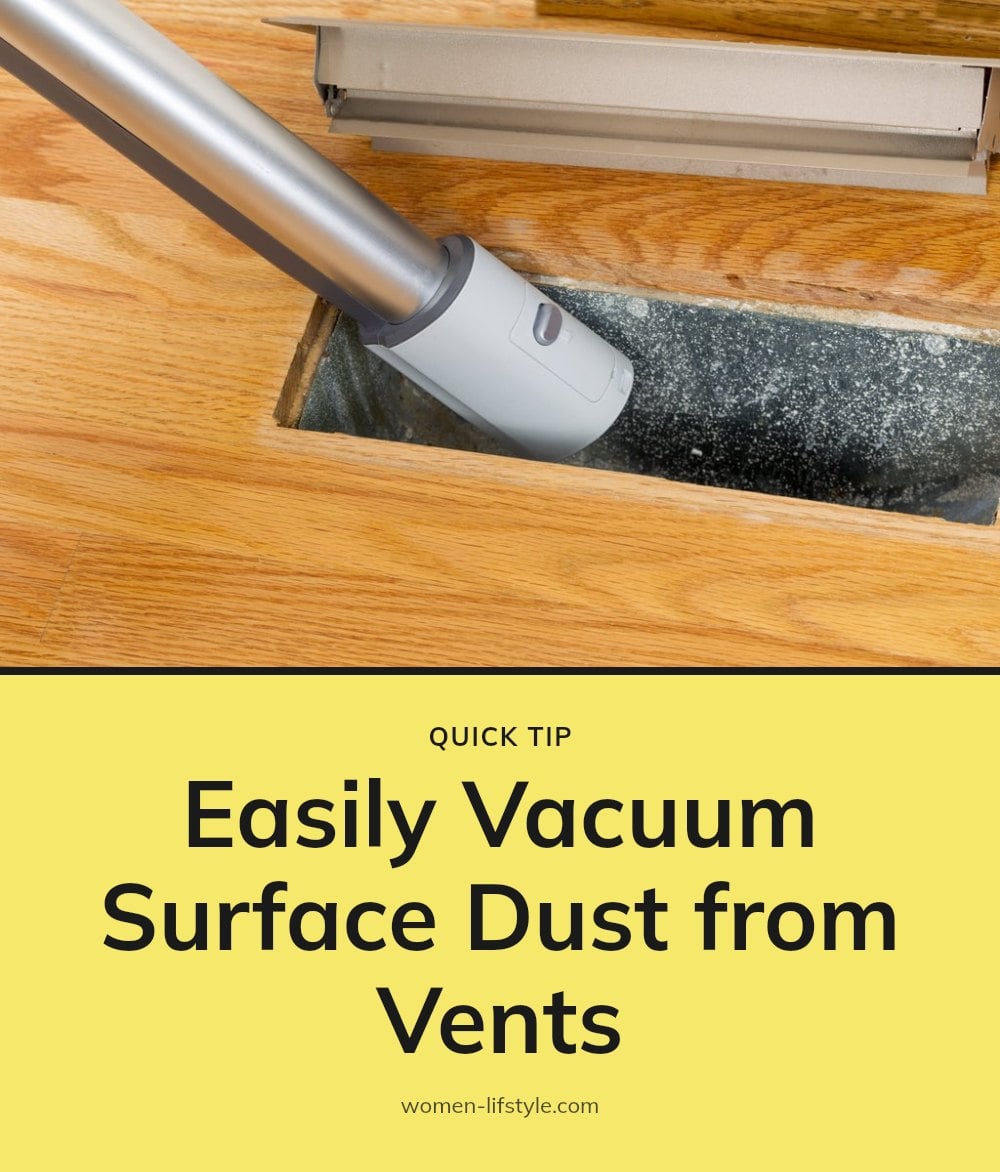
For a quick clean, attach the soft brush to your vacuum and gently run it over the vent grilles. This lifts surface dust and debris without scattering it into the air. Do this monthly or every other month to prevent heavy buildup. My tip: It takes under two minutes per vent and keeps dust from recirculating in your home.
3. Unscrew and Remove Grilles
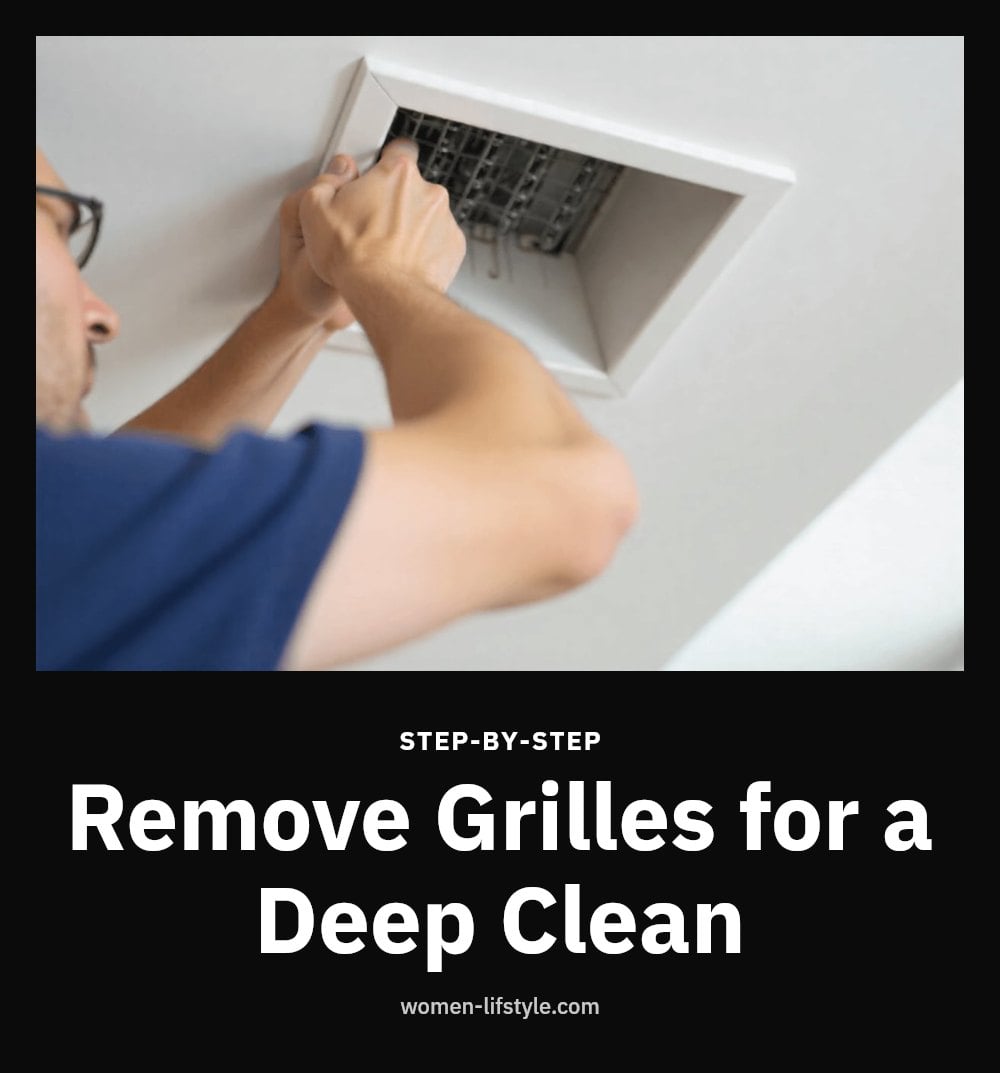
When you see significant dust, it’s time to remove the grilles for a deeper clean. Most are held by a few screws, so use the right screwdriver to loosen and take them off. Caution: Keep the screws in a small container nearby so they don’t fall into the ductwork. If a grille feels stuck, check for hidden screws or clips before forcing it.
4. Wash Grilles with Soapy Water
Drop the grilles into a basin of warm water mixed with a few drops of dish soap or all-purpose cleaner. Let them soak for a few minutes to loosen the dust.
For stubborn grime, grab a soft scrub brush or an old toothbrush. Work it into the slats and corners where dust cakes on. Rinse each grille thoroughly under running water until no soap residue remains.
5. Wipe Down Vent Opening
While the grilles dry, take a damp microfiber cloth and wipe the wall, ceiling, or floor surface around the vent opening. Dust settles on these edges and gets pulled back into the airflow as soon as the system kicks on.
Tip: Wipe in one direction toward the opening so dust falls into the duct rather than back onto the clean surface. This small step keeps dust from returning to your grilles within days.
6. Clean Inside the Duct Opening
Reach into the duct opening with your vacuum’s brush attachment or a damp microfiber cloth wrapped around a long stick. Sweep the interior walls as far as your tool can reach to pull out loose dust and debris.
Caution: Never spray any cleaning solution or water directly into the ductwork. Moisture trapped inside can damage your HVAC system and create a breeding ground for mold. If you use a damp cloth, wring it out until barely moist, then dry the area with a dry cloth afterward.
7. Dry Grilles Completely
Set the washed grilles on a clean towel or drying rack and let them air dry completely. Wipe them with a dry microfiber cloth to speed things up if you’re short on time.
Caution: Reinstalling even slightly damp grilles can cause rust on metal vents and introduce moisture into your ductwork, leading to mildew. Wait until every surface feels dry to the touch.
8. Reattach Grilles Securely
Carefully position the dry grilles back over the vent opening and line up the screw holes. Insert the screws and tighten them until the grille is secure, but avoid overtightening, which can strip the threads or crack the plastic.
Good to know: Give each grille a gentle wiggle after installation to confirm it’s firmly seated. A loose grille can rattle when your HVAC system kicks on, which gets annoying fast.
9. Don’t Forget Your Air Filter
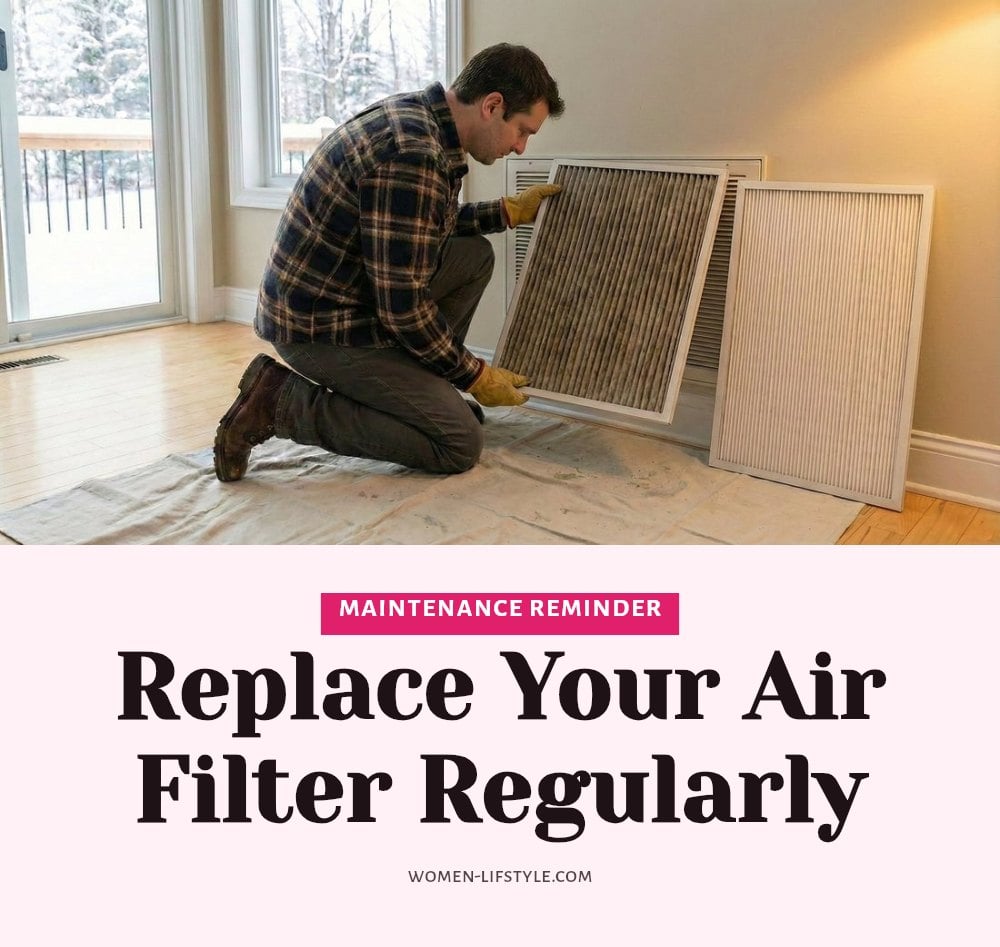
Cleaning your vents removes dust from the grilles, but the air filter is what catches particles before they reach the system. A dirty filter forces your HVAC to work harder and recirculates dust back into the room.
My tip: change your HVAC air filter every 1-3 months. If you have pets or allergies, stick to the 1-month mark for the best results. This simple step keeps your system efficient and your air cleaner.
10. Address Mold or Mildew
If you spot dark spots, musty smells, or visible growth around your vents, treat it carefully. Small patches can be wiped with a damp cloth and mild detergent, but never use bleach or harsh chemicals inside the ductwork. Caution: Wring the cloth thoroughly so it is only damp, not wet, to avoid introducing excess moisture into the vent opening. Excess moisture can lead to further mold growth or damage.
When to see a pro: If the mold covers more than 10 square feet or you have respiratory issues, stop and call an HVAC professional or mold remediation specialist. Breathing mold spores can aggravate allergies and asthma.
11. Safety First for Ceiling Vents
Always use a sturdy ladder or step stool when reaching ceiling vents. Have someone hold the base if possible, especially if you’re reaching high or carrying tools.
Caution: Check for electrical components nearby, such as light fixtures or ceiling fans. Keep water and damp cloths away from these areas to avoid shorts or shock. Use a dry cloth to wipe near any wiring or connections.
Common Air Vent Cleaning Mistakes
Only surface cleaning: Vacuuming the grille with a brush attachment removes loose dust, but it doesn’t reach the buildup lodged in the crevices. Regular vacuuming is a good first step to prevent heavy accumulation, but removing the grille for a proper wash is necessary to fully clear out the embedded debris that can recirculate into the room.
Ignoring the surrounding area: Dust piles up on the wall or ceiling right around the vent opening. Wiping those edges with a damp cloth stops that dust from being pulled back into the airflow.
Forgetting the air filter: A clogged filter pushes dust straight through the system and onto your freshly cleaned vents. Swap it every 1-3 months to keep the whole setup cleaner longer.
Using harsh chemicals: Abrasive cleaners strip paint or coating off metal and plastic grilles. Warm water and a drop of dish soap handle the grime without damaging the finish.
Reinstalling damp grilles: Putting wet grilles back introduces moisture into the ductwork, which can lead to rust on metal or mildew growth. Let them air dry fully or wipe them dry before screwing them in place.
Frequently Asked Questions
How often should I clean my air vents?
Vacuum the grilles monthly or every other month to remove surface dust. For a deeper clean, remove the grilles and wash them with warm, soapy water every 3 to 6 months. Homes with pets or in dusty areas may need more frequent cleaning.
Can cleaning air vents improve my allergies?
Yes, cleaning vents removes dust, pet dander, and pollen that can circulate through your home. Reducing these airborne allergens can make a noticeable difference for people with allergies or asthma. Pair vent cleaning with regular filter changes for the best results.
What’s the difference between cleaning vents and ductwork?
Cleaning vents means washing the removable grilles and wiping the opening you can see. Ductwork cleaning involves the hidden metal ducts that run through your walls and ceilings. Duct cleaning requires specialized tools and is usually done by a professional, while vent cleaning is a DIY task.
Do I need to turn off my HVAC system before cleaning vents?
It’s not strictly necessary for a simple vacuum, but turning off the system prevents dust from being sucked back in while you work. If you’re removing grilles or cleaning inside the duct opening, switching off the HVAC is a good safety measure to avoid pulling debris deeper into the system.
What’s the best way to clean dusty air vents?
Start by vacuuming the grille with a soft brush attachment to remove loose dust. For a thorough clean, unscrew the grille, wash it in warm soapy water, and let it dry completely. Wipe the vent opening with a damp microfiber cloth before reattaching the dry grille.
Final Thoughts
My tip: Stick to a simple routine, vacuum the grilles monthly and do a full removal-and-wash every 3 to 6 months. That schedule keeps dust from piling up and helps your HVAC system run without extra strain. Expect cleaner air in your home and more even temperatures room to room once you make vent cleaning a regular habit.
This article provides general information for home maintenance and is not a substitute for professional advice. If you have severe allergies, respiratory conditions, or suspect mold growth inside your ductwork, consult an HVAC professional or a doctor for personalized guidance.
