

You step into your living room on a chilly morning and see water droplets sliding down the glass. It’s a common sight, but when it happens every day, it’s your home telling you something important. This article explains why window condensation appears and gives you practical, low-effort fixes to keep your windows dry and your home healthy.
From quick daily habits to a few smart tools, you’ll learn exactly what to do to reduce moisture and prevent mold and damage.

Key Takeaways
- Indoor humidity between 30% and 50% minimizes condensation.
- Open windows or run exhaust fans after cooking and showering.
- Use a dehumidifier in rooms with persistent moisture.
- Wipe down condensation promptly to prevent mold growth.
- Moisture between double-glazed panes signals a failed seal.
Why You See Condensation on Your Windows
Condensation happens when warm, moist air hits a cold surface like your window pane. The water vapor in the air turns back into liquid on the glass. This is a clear sign that your indoor humidity is too high. If you ignore it, that moisture can lead to mold growth and damage to your window frames and walls.
The Real Reasons Your Home Has High Humidity

Everyday Sources of Moisture
Your daily routine adds a surprising amount of water vapor to the air. Cooking, showering, drying clothes indoors, and even breathing all release moisture. Houseplants also contribute through transpiration.
Why It Traps Indoors
Poor ventilation is the main culprit. In tightly sealed homes, that moisture has nowhere to go. Cold weather makes it worse: cold air holds less moisture than warm air, so when your window surface drops below the dew point, the water vapor condenses right there.
- Cooking: Boiling water and steam from pots add humidity.
- Showering: A hot shower releases gallons of moisture into the air.
- Breathing: Every person exhales about 0.4 liters of water per night.
- Drying clothes: Indoor drying racks dump all that water into your home.
Essential Tools to Tackle Condensation
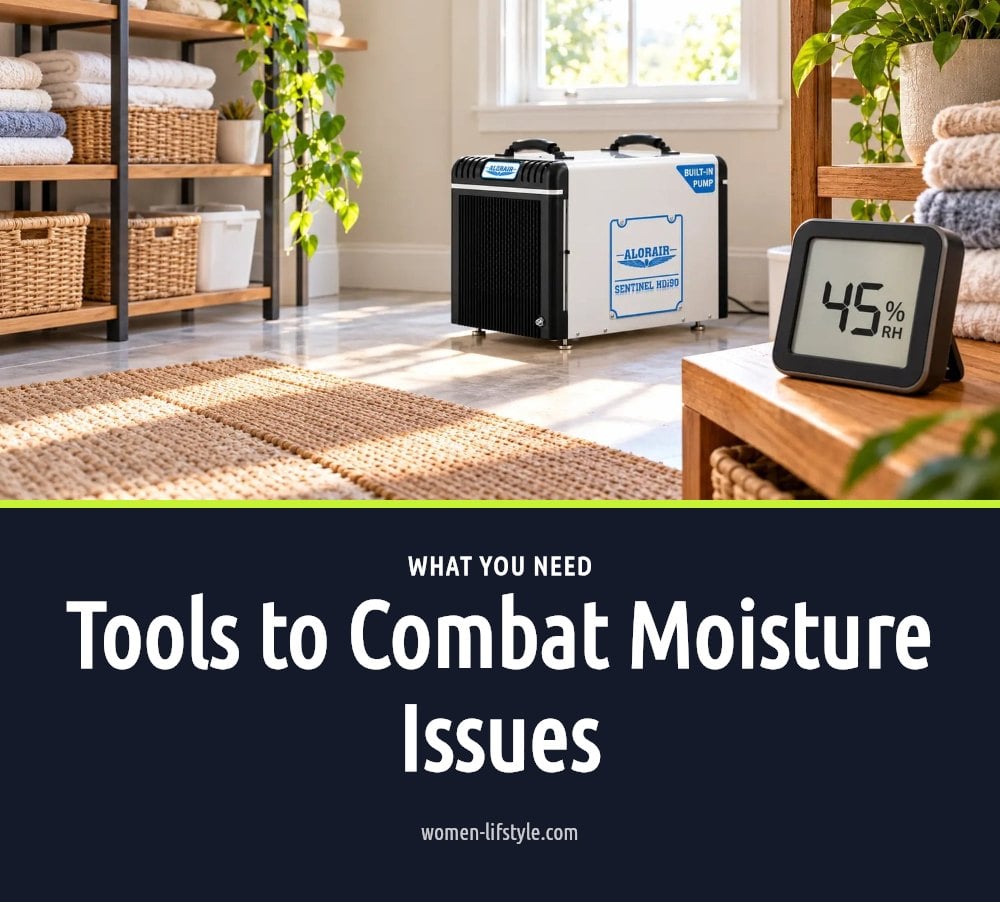
You don’t need a full renovation to start controlling condensation. These three tools make a real difference.
- Hygrometer: A small device that measures indoor humidity levels. It removes the guesswork so you know when to act.
- Exhaust fan or dehumidifier: An exhaust fan in the bathroom and kitchen pulls moist air outside. A dehumidifier actively removes water from the air in problem rooms.
- Moisture absorbers: Desiccant packets or calcium chloride containers work well in closets, basements, or other small enclosed spaces.
Effective Ways to Reduce Window Condensation

Effective Ways to Reduce Window Condensation
Start by opening windows for a few minutes after showering or cooking. That quick exchange lets the moist air out and drier air in. If the weather is too cold or wet, run an exhaust fan instead. Bathroom and kitchen fans should vent directly outside, not just into an attic.
Use a dehumidifier in the rooms where condensation is worst, like the basement or laundry area. Set it to keep humidity between 30% and 50%. A hygrometer tells you when you’ve hit that range. Empty the tank regularly so it keeps working.
My tip: Place a small moisture absorber on the windowsill in problem rooms. It catches some of the dampness overnight and cuts down on the water you wipe away in the morning.
Check that your clothes dryer vents to the outside. If it doesn’t, the hot, wet air it releases stays in your laundry room and ends up on your windows. The same goes for any ventless space heater or portable air conditioner that adds moisture instead of removing it.
Wipe down condensation as soon as you see it. A squeegee or microfiber cloth takes seconds and stops water from pooling on the sill or soaking into the frame. Left alone, that moisture feeds mold and can rot wood trim. Make it a habit after every shower or cooking session.
Prefer to watch? Skill Builder walks through the whole method in this 6-minute video. The how-to part starts at 1:58.
Common Condensation Mistakes to Avoid
It’s easy to blame the windows when you see water on the glass, but that’s usually not the problem. Condensation on the inside of windows is a sign of high indoor humidity, not faulty windows. Assuming the windows are defective can lead you to ignore the real issue: too much moisture in your home.
Ignoring persistent moisture is a bigger risk than most people realize. That dampness on the sill can seep into walls and window frames, creating the perfect conditions for mold growth. Mold can cause respiratory problems and damage to your home’s structure, and it often develops in hidden areas you don’t see every day.
Another common mistake is cranking up the heat to dry out the windows. Warm air holds more moisture than cold air, so heating the room without removing humidity can actually increase the air’s capacity to hold water vapor. When that warm, moist air hits the cold glass, you get more condensation, not less.
Caution: Sealing your home too tightly without adequate ventilation traps moisture indoors. Air vents and return ducts need to stay clear so humid air can escape and be replaced with drier air.
Long-Term Strategies to Prevent Condensation

Keeping condensation away for good means managing your home’s humidity levels consistently. Aim to keep indoor humidity between 30% and 50%. A hygrometer makes it easy to check where you stand.
- Run exhaust fans: Turn on bathroom and kitchen fans during and for at least 15 minutes after showering or cooking. This pulls moisture-laden air directly outside before it spreads.
- Open curtains and blinds: Keep window coverings open during the day so air can circulate freely around the glass. Stagnant air trapped behind curtains stays cool and moist, which encourages condensation.
- Improve insulation: If window surfaces stay cold, consider adding storm windows or insulating window film. Warmer glass means the surface temperature stays above the dew point, so moisture doesn’t form as easily.
When to Call in the Professionals
Some condensation problems need a professional’s expertise. If you see moisture between the panes of a double-glazed window, the seal has failed and lets moist air into the gap. That requires window repair or replacement, not a DIY fix.
Suspect significant mold growth, especially if it’s widespread or causing allergy symptoms? A mold remediation specialist can identify the extent of the problem and remove it safely. Mold exposure can trigger asthma and respiratory issues, so don’t take risks.
If you’ve tried ventilation, dehumidifiers, and moisture absorbers but condensation still appears, an HVAC professional can assess your home’s ventilation and humidity control systems. They may find blocked ducts, undersized exhaust fans, or other issues that DIY solutions can’t address.
Frequently Asked Questions
Is condensation on windows normal?
Yes, some condensation is normal, especially in colder months when warm indoor air meets cold glass. It becomes a problem when it’s persistent or excessive, which indicates high indoor humidity. Regular condensation that you have to wipe down daily is a sign you need to improve ventilation or reduce moisture sources.
Can plants cause condensation?
Yes, houseplants release moisture into the air through transpiration, which adds to indoor humidity. If you have many plants, they can contribute to condensation issues. You don’t need to get rid of them, but you may need to balance with better ventilation or a dehumidifier.
What is the ideal humidity level for a home?
The recommended indoor humidity range is between 30% and 50%. Staying within this range helps prevent condensation while keeping the air comfortable. A hygrometer can help you monitor levels so you know when to adjust ventilation or run a dehumidifier.
Does heating a room fix condensation?
Not really. Heating a room can actually increase the air’s capacity to hold moisture, which might temporarily reduce condensation on the glass but can worsen the underlying humidity problem. The real fix is to lower indoor humidity through ventilation and moisture control.
How do I know if my windows are faulty?
If you see moisture or fog between the panes of a double-glazed window, that’s a clear sign the seal has failed and moist air is getting into the gap. Condensation on the inside surface, however, is usually a humidity issue, not a window defect. A failed seal typically requires window repair or replacement.
Final Thoughts
My tip: start with a hygrometer to see where your humidity actually stands, then add one or two simple habits like opening a window or running a fan. You’ll likely notice drier windows within a day or two, but keep in mind that managing condensation is an ongoing routine, not a one-time fix.
If you see moisture between the glass panes or suspect mold, that’s your signal to call in a professional. Otherwise, a little daily attention keeps your windows clear and your home safe.
This article is for general informational purposes only and is not a substitute for professional advice. If you have persistent condensation, suspected mold, or health concerns, consult a qualified professional such as a home inspector, mold remediation specialist, or doctor.
