

You’ve been running on empty for weeks, maybe months, and the thought of tackling one more task feels impossible. That heavy exhaustion, the cynicism creeping into your thoughts, and the sense that nothing you do matters are classic signs of burnout. In this article, I’ll walk you through how to recognize those symptoms and share practical self-care steps that can help you recover and protect your well-being.
Key Takeaways
- Burnout involves three core dimensions: exhaustion, cynicism, and reduced professional efficacy.
- Prioritize 7-9 hours of quality sleep each night to support physical and mental recovery.
- Set clear boundaries between work and personal life, including a hard stop for emails.
- Recovery is a process that can take weeks to months; be patient with yourself.
- Seek professional help if symptoms are severe or self-care strategies aren’t enough.
What Is Burnout and Why Does It Happen?
Burnout is a state of emotional, physical, and mental exhaustion caused by prolonged or excessive stress. It shows up as feelings of cynicism, reduced accomplishment, and energy depletion. While it often stems from chronic workplace stress, it can also happen in other demanding roles like caregiving. The World Health Organization (WHO) describes burnout as a syndrome resulting from chronic workplace stress that hasn’t been successfully managed. It’s not a medical diagnosis, but a recognized syndrome that signals something needs to change.
1. Recognize the Signs of Burnout
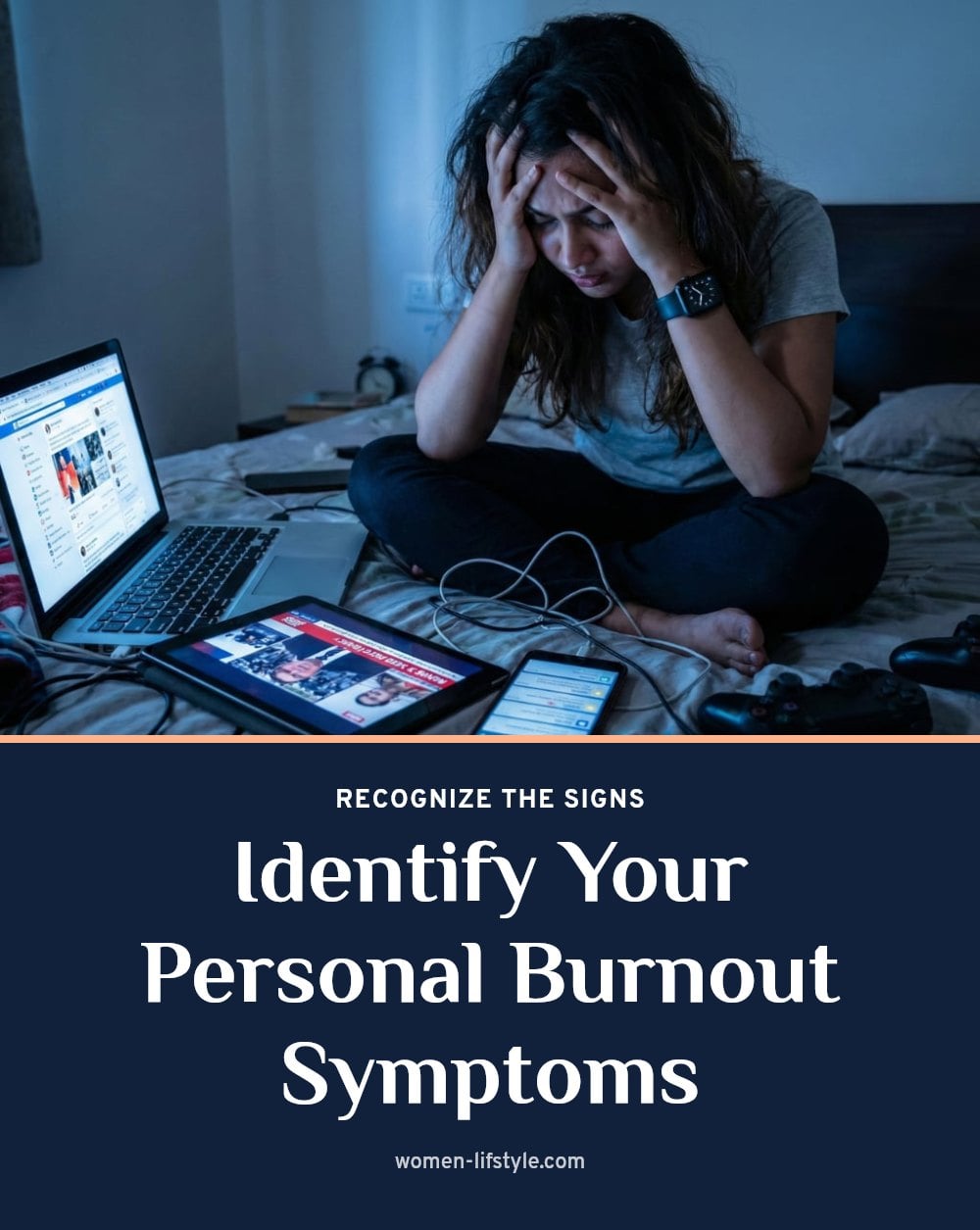
Pay attention to feelings of energy depletion or exhaustion. These are core dimensions of burnout. Notice if you’re experiencing increased mental distance from your job, or feelings of negativism or cynicism related to your work or other demanding roles. A reduced sense of professional efficacy or accomplishment is another key indicator.
- Exhaustion: You feel drained, both physically and emotionally, with little energy left for daily tasks.
- Cynicism: You find yourself feeling detached or negative about your work or responsibilities.
- Reduced accomplishment: You feel like you’re not achieving what you used to, even when you are.
My tip: Don’t ignore these early warnings; they’re your body’s way of telling you something needs to change.
2. Prioritize Quality Sleep

Aim for 7-9 hours of quality sleep every night. Burnout often manifests physically through chronic fatigue, and consistent sleep is fundamental for recovery. Establish a relaxing bedtime routine to signal to your body that it’s time to wind down.
My tip: Sticking to a consistent sleep schedule, even on weekends, makes the biggest difference. Your body craves routine, and a regular sleep-wake cycle helps regulate stress hormones and restore energy.
3. Move Your Body Regularly

Engage in regular physical activity, even if it’s just short walks. Exercise can help reduce stress hormones and improve mood. It doesn’t have to be intense; gentle activities like yoga or a brisk walk can be incredibly beneficial.
Tip: Start small, even 15-20 minutes a day can make a huge impact on your energy levels and mental clarity. The key is consistency, not intensity, moving your body regularly helps break the cycle of exhaustion and cynicism.
4. Set Clear Boundaries
Set clear boundaries: Burnout thrives when work bleeds into every part of your day. Decide on a hard stop time for work emails and stick to it. Turn off notifications after that hour. At home, carve out a no-commitment evening once a week. Saying no to one extra project or dinner invite isn’t rude, it’s protection for your energy. Good to know: This was a tough one for me, but it’s essential for protecting your energy and mental space. Start with one small boundary this week and build from there.
5. Practice Mindfulness and Self-Compassion
Practice mindfulness and self-compassion: Burnout often brings feelings of failure and self-doubt. Acknowledge those feelings without judging yourself. Try a 3-minute deep breathing exercise before you start work. When you catch yourself thinking critically, pause and name the thought. Pro move: There are tons of free apps that can guide you through short meditations. Even two minutes of focused breathing can shift your mood. Being kind to yourself is a powerful antidote to burnout’s cynicism.
6. Connect with Your Support Network

Connect with your support network: Isolating yourself worsens feelings of helplessness and detachment. Call a friend for a 10-minute check-in. Join a support group for people experiencing similar stress. Talking about your struggles provides validation and fresh perspectives. Quick tip: Don’t be afraid to lean on your loved ones; they want to help, but they can’t if they don’t know you’re struggling. Send one text today to someone you trust.
7. Re-Engage with Hobbies and Joy

Re-engage with hobbies and joy: Burnout drains motivation and fuels cynicism. Make time for an activity that has nothing to do with your responsibilities. It restores energy and perspective. Start with 20 minutes twice a week. Tip: Dust off that old paint set or pick up that book you’ve been meaning to read. Rediscovering what you love is incredibly healing. The activity doesn’t need to be productive, just pleasurable.
8. Practice Gratitude Daily
Cultivate a gratitude practice to shift your focus from stressors to positive aspects of your life. This can help reduce feelings of negativism or cynicism related to burnout. Even small things can make a difference. Good to know: Keep a gratitude journal by your bed and jot down three things you’re grateful for each night. It’s a simple habit with powerful results.
9. Take Regular Breaks and Vacations
Integrate regular short breaks throughout your workday and ensure you use your vacation time. These breaks are vital for preventing the accumulation of stress that can lead to burnout. Stepping away, even for a few minutes, can refresh your mind. Pro move: Schedule your breaks just like you would any important meeting. They’re non-negotiable.
10. Delegate Tasks When Possible
Look for opportunities to delegate tasks, both at work and at home. Overwhelm often stems from feeling solely responsible for everything. Learning to trust others with responsibilities can significantly lighten your load and reduce stress. Quick tip: It’s okay to ask for help. Delegating isn’t a sign of weakness; it’s a smart strategy for managing your energy.
11. Identify and Address Root Causes
True recovery from burnout involves identifying and addressing the underlying causes, not just managing symptoms. This could mean evaluating your work environment, personal responsibilities, or coping mechanisms. Without addressing the roots, burnout can recur. Tip: This might involve some honest self-reflection or even seeking guidance from a professional to uncover what’s truly contributing to your exhaustion.
When to Seek Professional Help for Burnout
If your symptoms of burnout are severe or persistent, or if self-care strategies aren’t providing relief, it’s time to consult a professional. A doctor can rule out underlying medical issues that might mimic or exacerbate burnout symptoms, such as thyroid problems or vitamin deficiencies. A therapist or counselor can provide tools and strategies for managing stress, processing emotions, and addressing the root causes of burnout.
Safety: If you experience thoughts of self-harm or severe depression, seek professional medical or mental health help immediately. Call a crisis hotline or go to your nearest emergency room. Your health and safety come first.
Frequently Asked Questions
Is burnout a real medical condition?
Burnout is not a medical diagnosis, but it is recognized by the World Health Organization as a syndrome resulting from chronic workplace stress that hasn’t been successfully managed. It’s a serious condition that can affect your health and daily life, and it’s important to take it seriously.
How long does it take to recover from burnout?
Recovery from burnout is a process that can take weeks to months, depending on how severe it is and how consistently you apply recovery strategies. There’s no set timeline, but making sustainable changes and addressing root causes can speed up the journey.
Can burnout affect physical health?
Yes, burnout can manifest physically with symptoms like chronic fatigue, frequent headaches, muscle pain, and changes in appetite or sleep habits. If you’re experiencing these, it’s wise to see a doctor to rule out other medical issues that might mimic burnout.
What’s the difference between stress and burnout?
Stress is often a short-term feeling of being overwhelmed by demands, while burnout is a chronic state of emotional, physical, and mental exhaustion. Burnout includes specific symptoms like cynicism, detachment, and a reduced sense of accomplishment that go beyond simple stress.
Can I prevent burnout from happening again?
Yes, you can reduce the risk of recurrence by identifying and addressing the root causes of your burnout, such as an overwhelming workload or lack of boundaries. Regularly practicing self-care, setting limits, and staying connected to your support network are key preventive measures.
Final Thoughts
My recommendation is to start with one small change, like a 15-minute walk or a firm work end time, rather than trying to overhaul everything at once. Recovery from burnout is a gradual process that can take weeks to months, so give yourself grace and consistency. You deserve to feel like yourself again, and taking that first step is the most important move you can make.
This article is for general informational purposes only and does not constitute medical or professional advice. Burnout symptoms can mimic other health conditions, and if you’re experiencing severe or persistent symptoms, or thoughts of self-harm, please consult a doctor or mental health professional.
