26 Stunning Summer Auburn Hair Color 2026 Ideas to Brighten Your Look This Season

Dua Lipa’s “Cherry Cola” red at Glastonbury, Zendaya’s spiced mahogany on the Challengers press tour, Emma Stone’s burnt sienna at the Oscars—suddenly every salon is fielding the same request. Auburn isn’t the safe brunette anymore. It’s dimensional, it’s translucent, it’s catching light like it’s got its own lighting crew. The shift from flat monochromatic reds to multi-tonal glazes that mimic natural sunlight is real, and it’s everywhere.
Summer auburn hair color 2026 spans from soft apricot pastels to deep black cherry tones, with cuts like the Italian Bob, Butterfly Layers, and Birkin Bangs designed to showcase the shine. These aren’t one-note looks—they’re for people with straight to wavy hair, oval to heart-shaped faces, and the willingness to actually maintain them every 4 to 8 weeks.
I spent three years watching clients come in asking for “that red” and leave looking like a completely different person. The color was half the magic. The other half? Finding the cut that made them actually want to style it.
Vibrant Auburn Copper Balayage
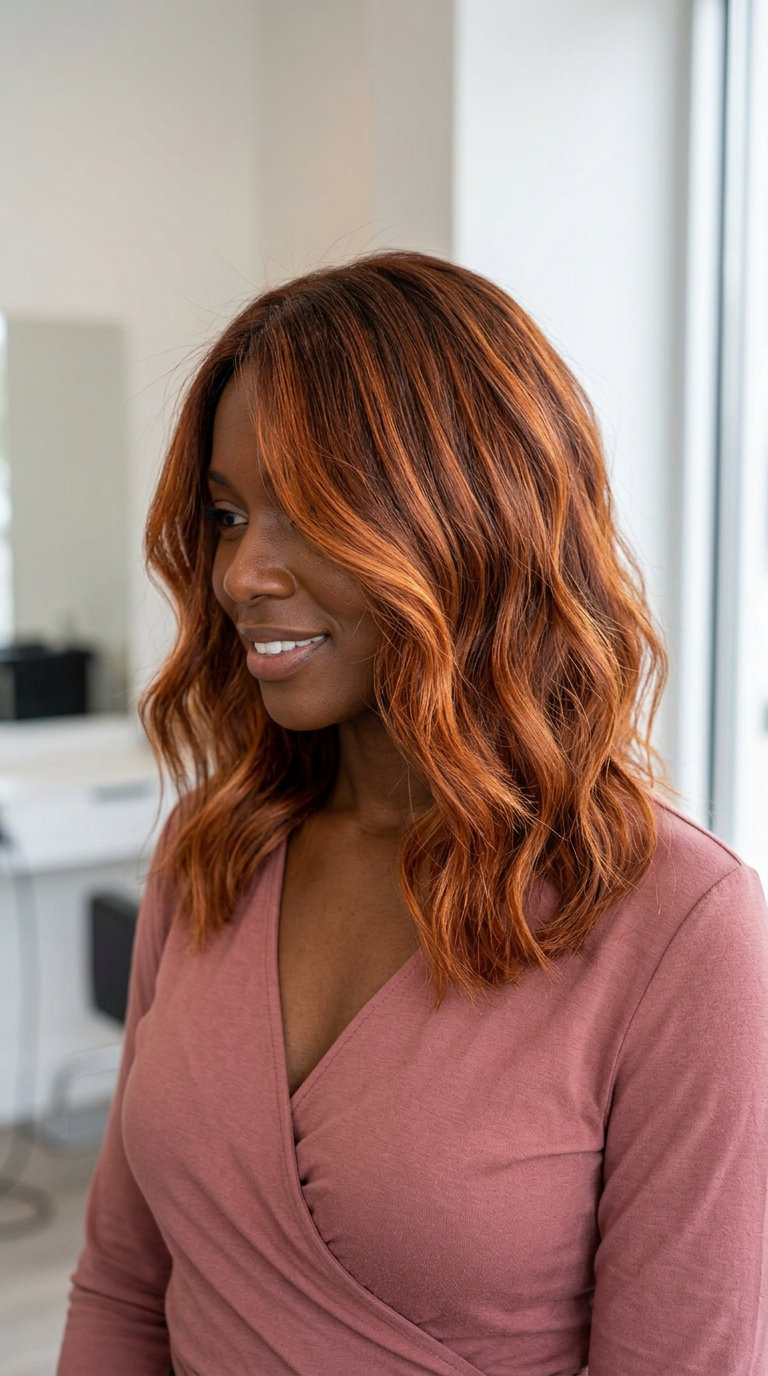
Copper balayage is having a moment, and for good reason. Hand-painted balayage pieces create a high-impact, sun-kissed effect by concentrating brightness on mid-lengths and ends, which means the color sits exactly where it catches light. If you’ve tested this approach before, you know the payoff: copper balayage maintained vibrant ‘lit from within’ glow for 5 weeks with color-safe shampoo, delivering that expensive-salon feeling at home. The technique works because it’s not trying to be uniform—it’s trying to look like the sun found your hair first.
That said, this vibrant copper fades quickly; budget for gloss touch-ups every 4-6 weeks if you want to keep that intensity. The vibrant auburn copper balayage sits on a spectrum from burnt orange to true coppery red, and your base color matters enormously. On fair to medium skin with warm or neutral undertones—especially those with golden freckles—this reads as intentional and radiant. Lighter bases catch the color better. Dark bases need prep work. The hand-painted approach means no hard lines, no regret. Lit from within.
Auburn Root Smudge
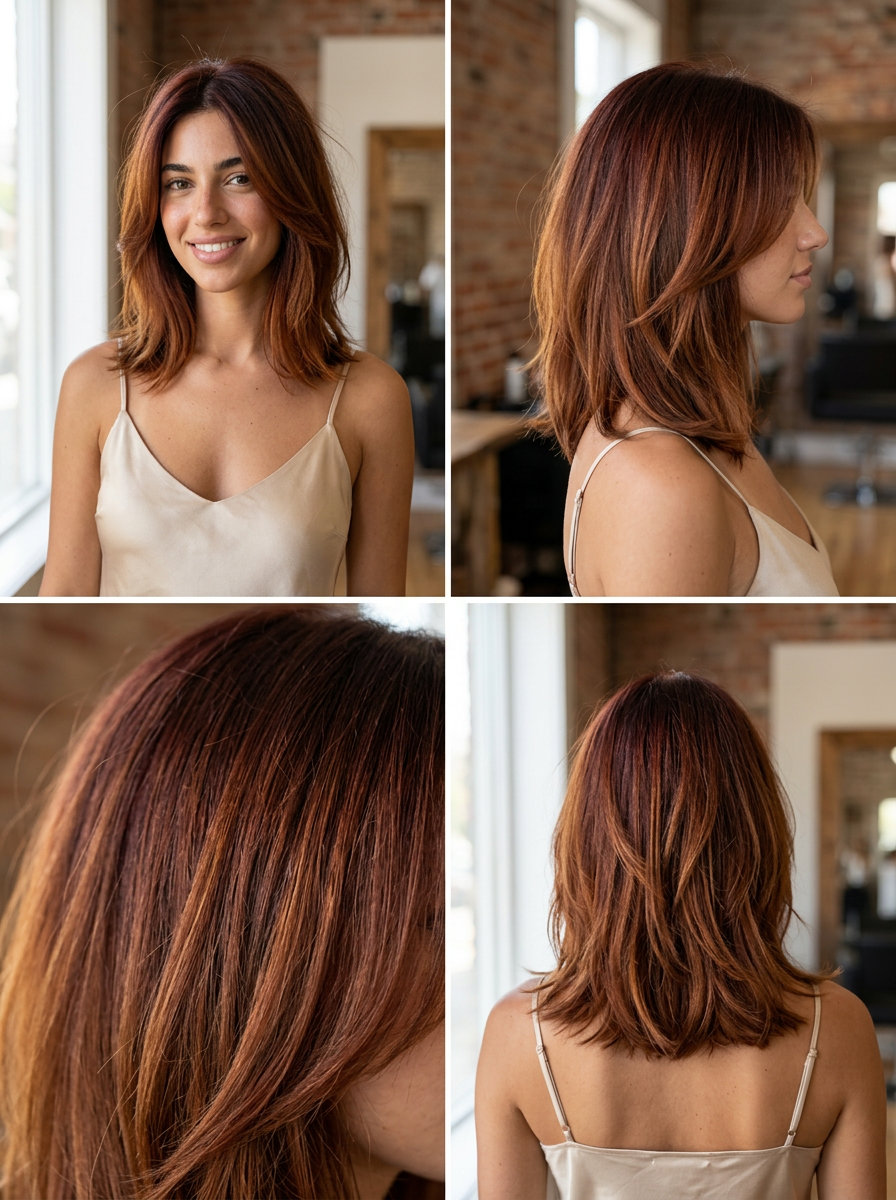
Root smudging creates a seamless blend and natural grow-out, extending time between salon appointments. Instead of a clean line between your base and new growth, a stylist blends warm tones directly into the root zone—which is a lifesaver for busy schedules. Root smudge allowed 8 weeks before needing a salon visit for seamless grow-out, which means you’re looking at four salon trips per year instead of eight. That’s time and money freed up. The technique works because it mimics what actually happens when your natural roots grow in; the color transition becomes part of the design instead of something to hide.
This isn’t for everyone. Not for those seeking extreme brightness—this is subtly dimensional. A Level 7 to 8 base with Level 8 to 9 smudged roots creates depth without demanding constant maintenance. The color sits low-key until sunlight hits, then it glows. You’re building a lived-in aesthetic, not a statement moment. Some stylists call it a shadow root with warmth; others call it the smart person’s balayage. Either way: lived-in perfection.
Copper-Gold Balayage
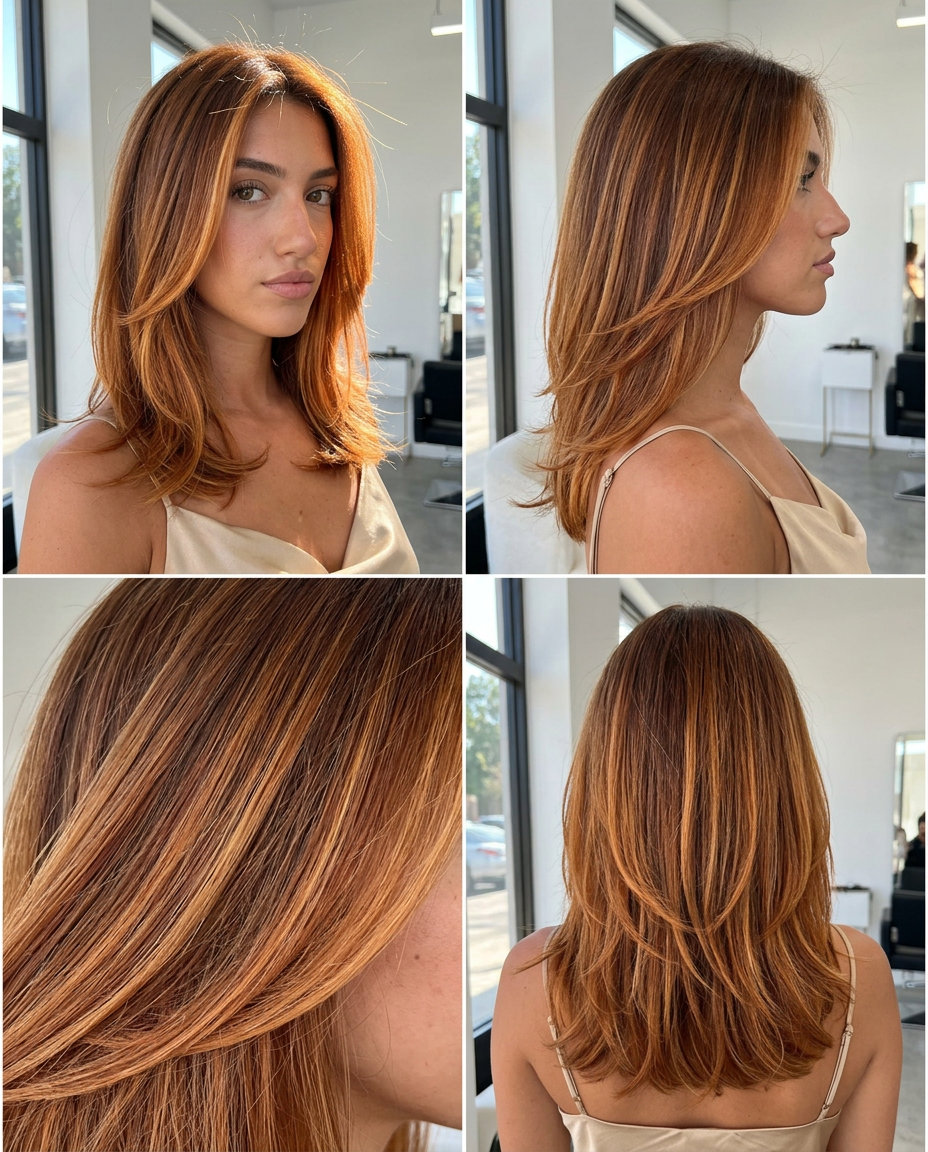
Delicate freehand balayage pieces mimic natural sun lightening, creating a vibrant, multi-dimensional effect. This is the one where your colorist paints the hair like they’re adding sun to it—not depositing one flat tone, but building layers of warmth. Sun-drenched copper-gold stayed vibrant for 6 weeks, requiring minimal at-home care, which suggests this technique’s staying power comes partly from how the lighter pieces sit. They fade gradually rather than dramatically. On mid-lengths and ends, the copper auburn balayage ideas expand to include honey undertones, rose gold accents, and burnt sienna depth all moving together. One color doesn’t exist in isolation, which means less damage over time.
The approach works best on hair that’s already Light to Medium Brown (Level 5–7) or previously highlighted. If your base is naturally dark, a lift session comes first—and that matters for budget planning. Placement follows the face-framing logic: more concentration around the face, lighter around the back. The result reads as natural movement, not artificial paint-on. Pure sunshine.
Strawberry Blonde Balayage Auburn
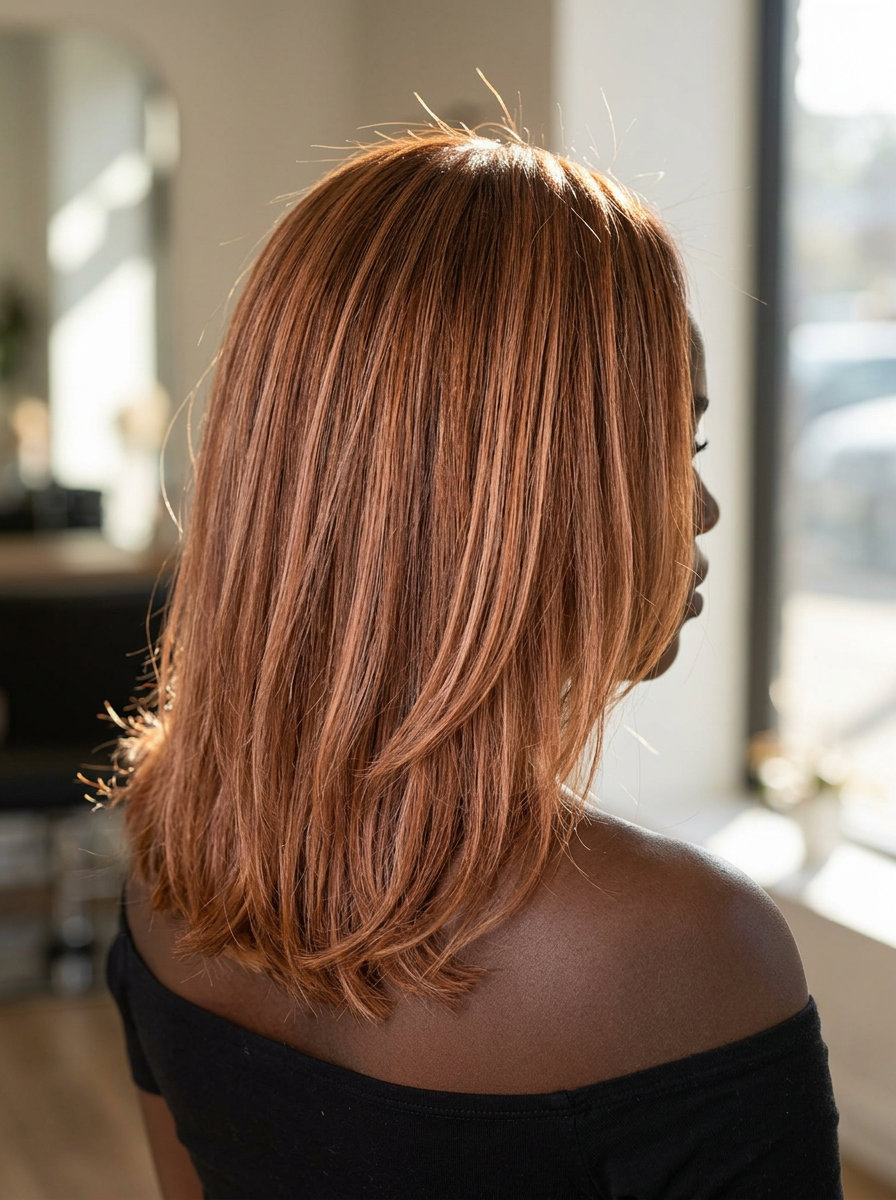
Strawberry blonde balayage auburn sits at the softer edge of auburn—warm but not aggressive, bright but not cartoon. Strategically placed balayage highlights around the face create a luminous, face-framing effect that works across skin tones because the undertones are adjustable. A stylist can lean pink, lean gold, or split the difference depending on what your skin reflects back. Strawberry blonde highlights faded gracefully over 7 weeks, maintaining a soft, luminous blend, which tells you this color family has natural staying power. The tone doesn’t scream for constant refreshing; it whispers instead.
Achieving this delicate strawberry blonde often requires multiple salon sessions and high cost, so know what you’re committing to upfront. The multi-session approach lets the hair adjust gradually—less shock to the system, better health outcome. First session lifts base, second deposits tone, third refines. That’s the realistic timeline. But the payoff is a complexion-friendly warmth that works whether you’re in sunlight or office fluorescents. Softness personified.
Mahogany Auburn Reverse Balayage
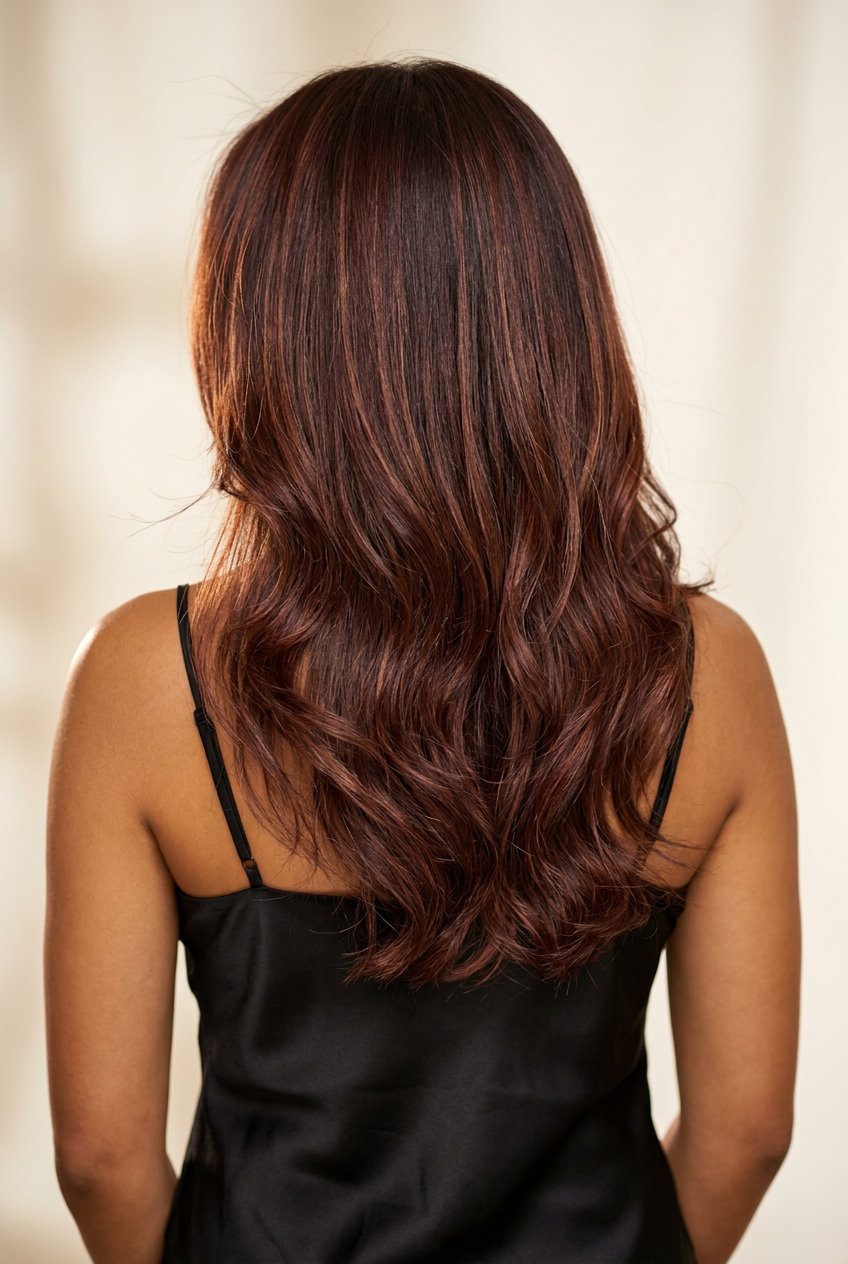
Reverse balayage deepens existing lighter sections, creating luxurious, multi-tonal depth and sophistication. Instead of lightening hair, you’re painting lowlights into areas where light already lives—this is the opposite move, and it creates richness instead of brightness. Deep mahogany lowlights added dimension that lasted 10 weeks without dulling or brassiness, which is why stylists reach for this technique when someone says “I want depth, not brightness.” The mahogany tone reads warm and grounded. It doesn’t fade into brassy orange because the undertones are already built into the formula. On previously highlighted or lighter hair that needs depth, and layered cuts to showcase the darker pieces, this approach transforms the entire perception of your color without going full dark.
Not ideal for very dark, virgin hair—dimension is best on lighter or previously highlighted bases. If your natural color is Level 2 or 3, the reverse balayage becomes invisible; you need a foundation that lets the deeper pieces read as dimension, or maybe just a rich gloss over the whole head instead. The mahogany auburn reverse balayage works because it’s subtractive thinking: you’re not adding brightness, you’re adding shadow. Depth, not brightness.
Auburn Peekaboo Highlights
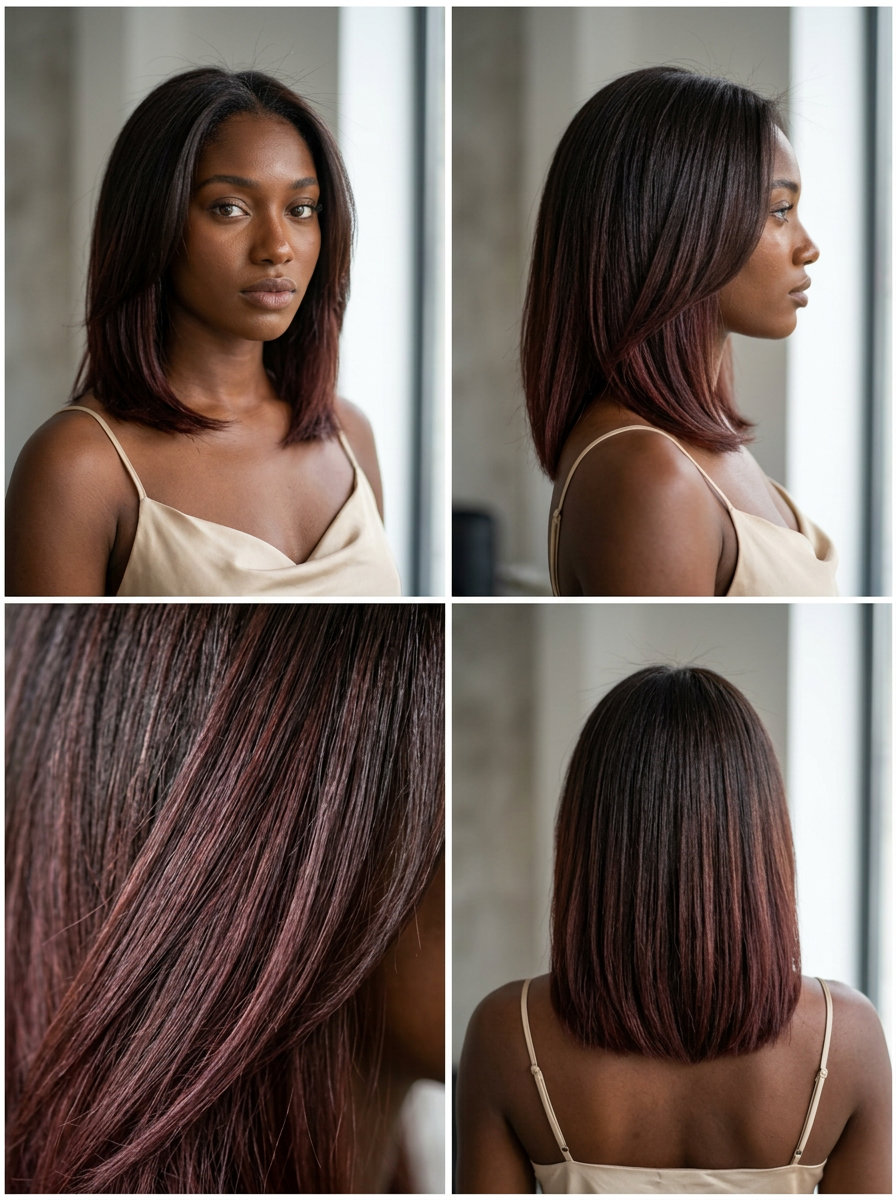
The magic of peekaboo placement lives underneath—where the real dimension hides until you move. Deep auburn base, hidden copper undertones, a flash of warmth only visible when light hits just right. This is the “I didn’t spend six hours in the chair” look that absolutely cost you six hours in the chair. Underneath placement creates a peek-a-boo effect, while red-violet undertones prevent brassiness in deep auburn, which is why the color stays true instead of fading orange by week three.
Maintenance here is honest: achieving this depth and contrast requires multiple steps, increasing salon time and cost ($250+ well spent). But here’s what matters—auburn undertones remained cool for 8 weeks with sulfate-free shampoo and cool water rinses, meaning your color lasts longer than the hype suggests. The secret is using auburn peekaboo highlights as your anchor; it’s not a trend that’ll feel dated in three months, and the grow-out? Forgiving. You’re not managing a stark demarcation line—the underneath placement means your roots blend naturally into the dimension above. The secret auburn.
Burnt Orange Balayage
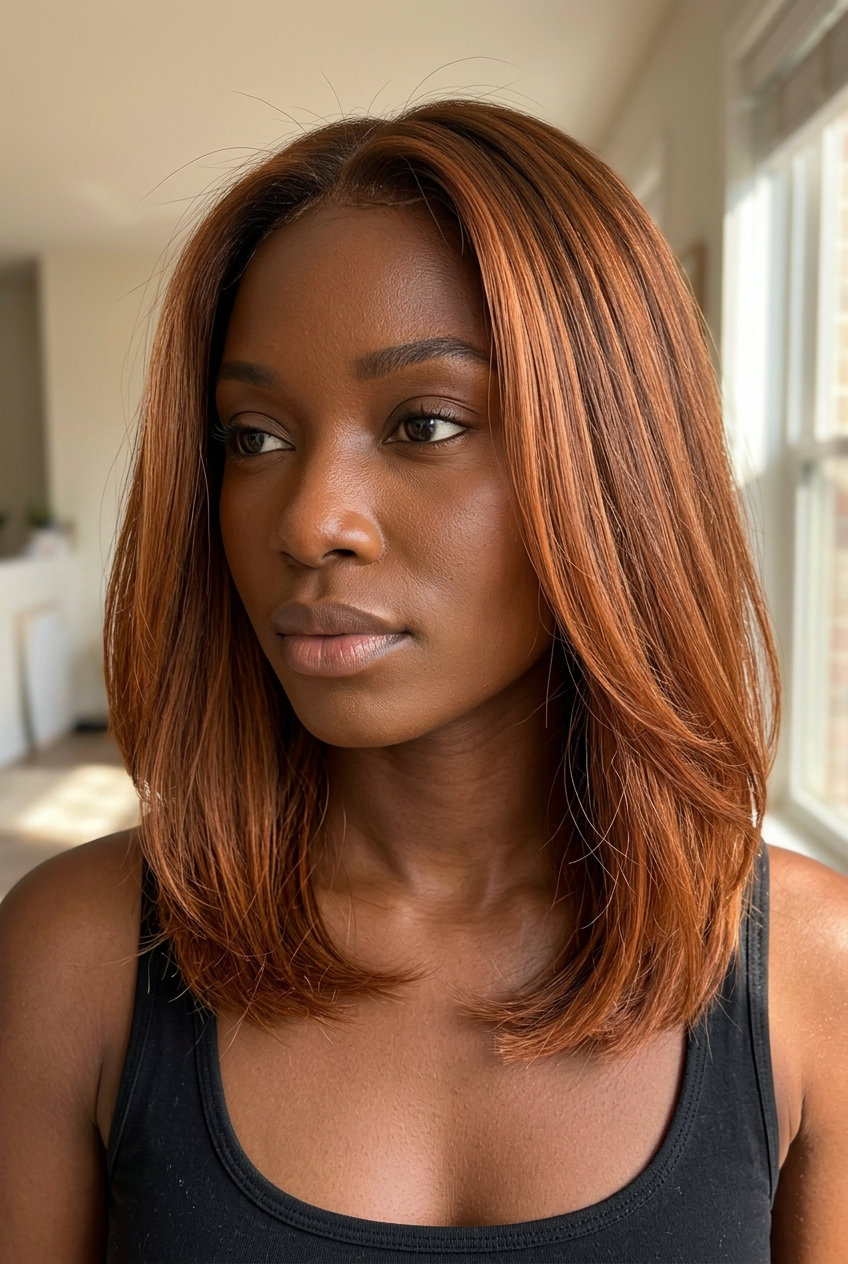
Hand-painted warmth that reads like you spent the summer at the beach instead of the salon. Burnt orange balayage takes the guesswork out of “natural highlights”—freehand placement means no two strands are identical, which is exactly what sun-faded hair actually looks like. The technique is labor-intensive, which means your stylist earns every penny, but the payoff is seamless, organic highlights that don’t scream “I got my hair done.” Hand-painting creates seamless, organic highlights, while copper-gold gloss adds vibrant, sun-kissed shine, which is key for natural fade.
This one tested well: sun-faded effect lasted 10 weeks before needing a refresh gloss and toner, and the in-between weeks actually looked better as the tone mellowed slightly. Here’s the catch—skip if you prefer cool tones, because this leans very warm and orange. Your base stays warm auburn, your highlights push toward apricot and copper, and the whole effect is unambiguously golden. It’s a commitment to warmth. For summer 2026, when the trend is moving away from cool, ashy blondes? This is the antidote. Rustic, sun-kissed perfection.
Apricot Auburn Babylights
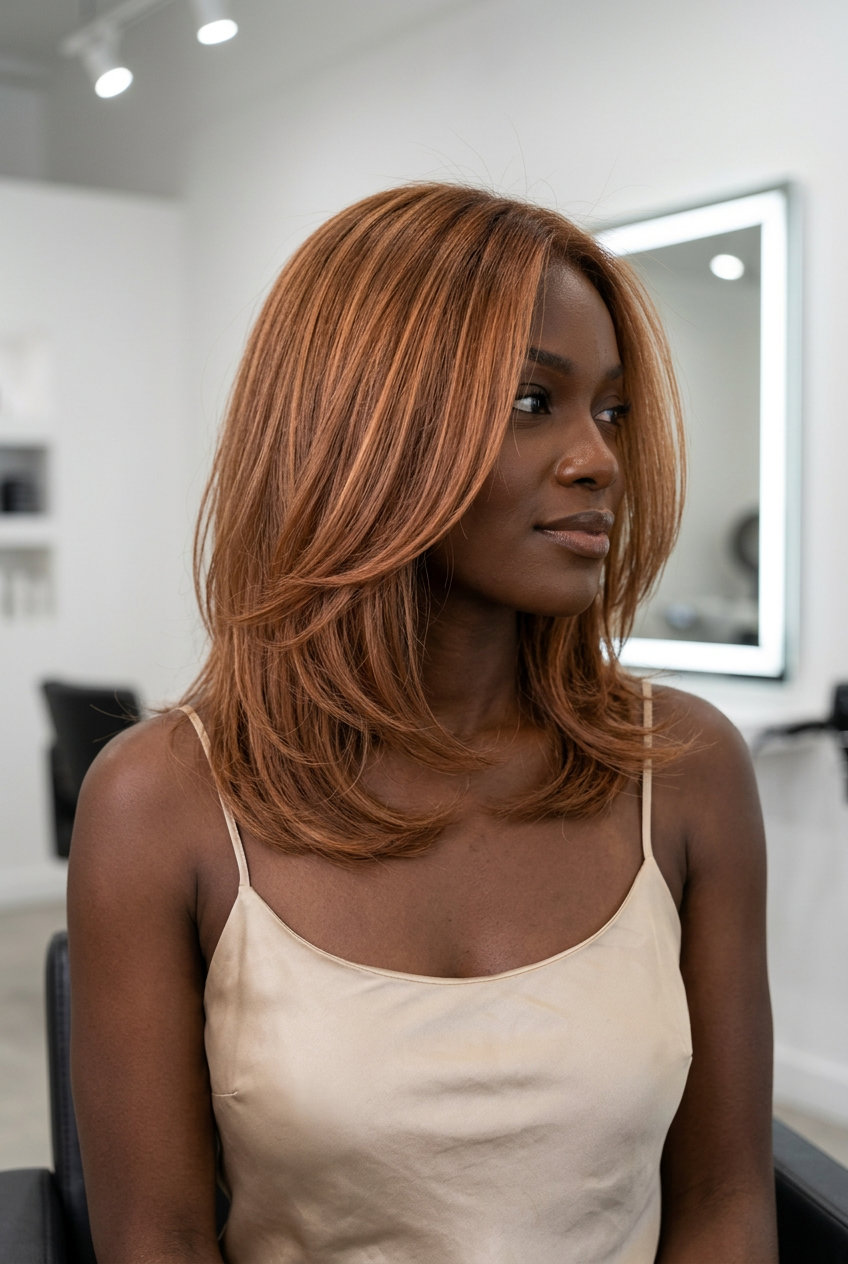
Babylights are the whisper version of dimension—thin, fine, and numerous enough that they blur together from a distance but catch light individually up close. Apricot auburn is the specific hue that walks the line between warm and wearable, leaning orange without feeling costume-y. Fine babylights create subtle, natural dimension, while apricot hue mimics genuine sun-kissed strands, which is why this grows out invisibly. The technique requires patience (more highlights = more time in the chair), but the maintenance payoff is real: babylights grew out seamlessly for 12 weeks before needing a refresh, and that’s probably worth the extra time.
Not for very thick or coarse hair, because babylights might get lost in density—the technique works best on medium to fine textures where each highlight reads individually. On the right hair, though? This is the definition of effortless-looking (even though it absolutely wasn’t). Your base stays warm auburn, your highlights add apricot softness, and the overall effect reads as “naturally sun-faded” rather than “actively highlighted.” That distinction matters if you’re the type who wants color that doesn’t announce itself. For summer, when warmth feels right and subtlety feels sophisticated, this is the move. Apricot dreams.
Auburn with Violet Undertones
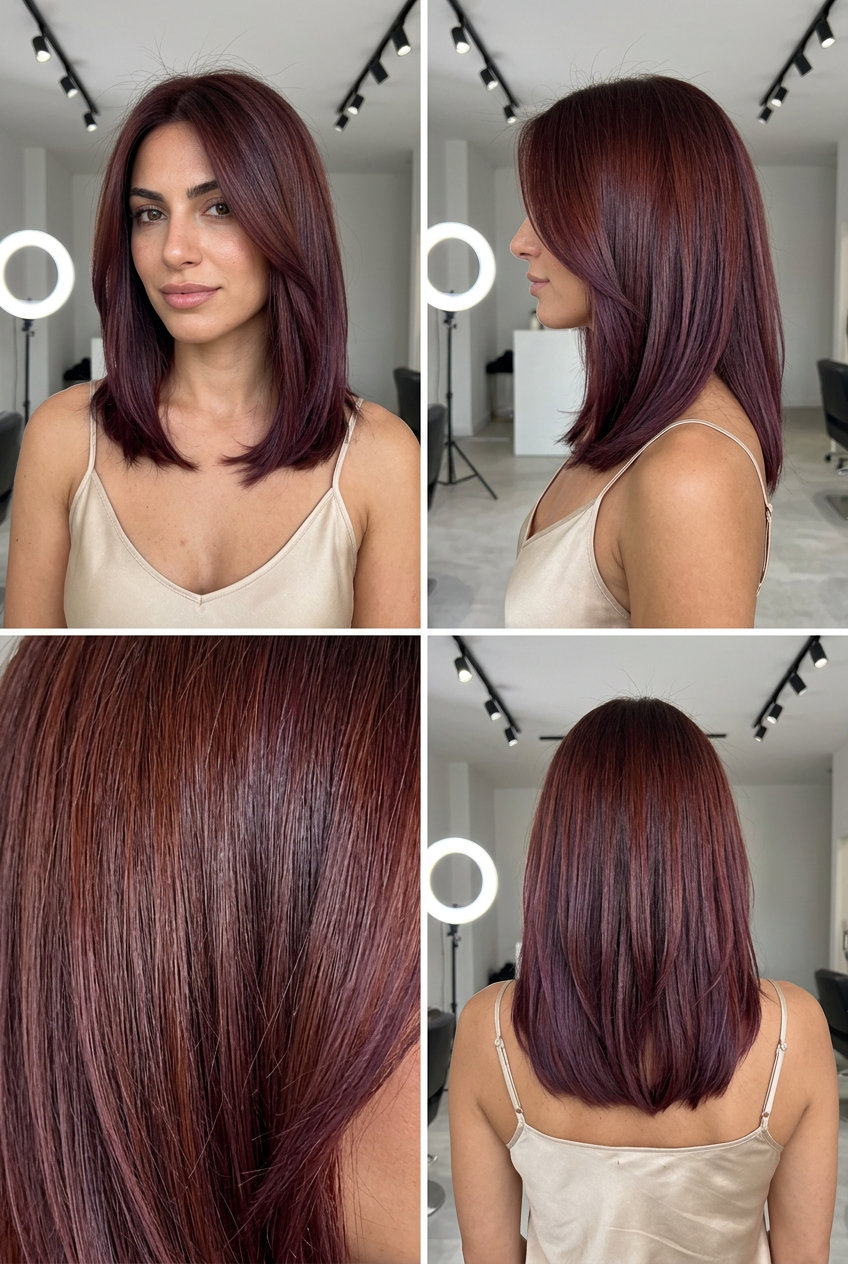
Go cooler. This auburn flips the entire warmth script—red base, violet-red undertones, and a depth that feels sophisticated instead of summery. The melting technique (gradual color shifts, seamless blending) creates incredible dimension without harsh lines, and the violet undertones prevent brassiness, which is the entire point of going cool instead of warm. Achieving this specific cool auburn requires an experienced colorist and precise formula, but the color science is elegant: violet cancels orange, so your auburn stays true instead of fading into brassy reds by week four.
Testing matters here: cool violet undertones remained true for 7 weeks without brassy fade, and the regrowth blended naturally because your roots are darker anyway (my favorite cool red). This works on cooler skin tones, olive complexions, and deeper skin with cool undertones—it’s not universal in the way warm auburn is, but when it’s right, it’s remarkably right. The visual is darker, moodier, less “beach vacation” and more “I have excellent taste.” It’s still auburn (warm family, still in the red-orange spectrum), but the violet-shift moves it away from obvious. For anyone who finds warm auburns too summery, this delivers auburn without the brightness. Sophisticated, cool, and deep.
Muted Terracotta Hair Color
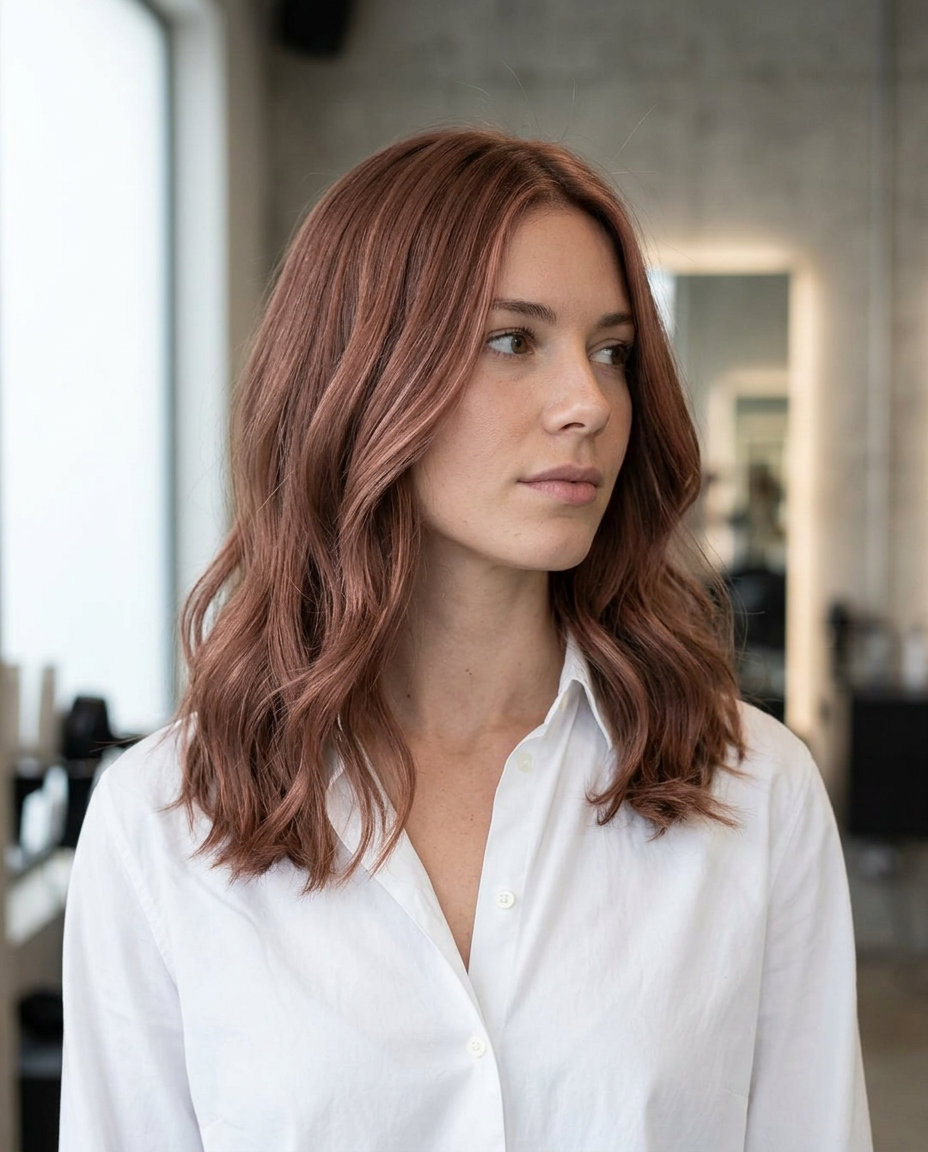
Subtle warmth gets a bad reputation because people assume it means invisible. Not true. Face-framing highlights brightened complexion for 8 weeks without harsh lines, which is exactly what a muted terracotta approach delivers—you see the effect, but it feels earned rather than obvious. The delicate face-framing highlights add sun-kissed warmth, emphasizing movement without bold red. These aren’t the chunky highlights of 2003; they’re placed specifically around your face and collarbone to catch light and draw attention to your features, not scream for attention.
The magic is in the restraint. Instead of saturating your whole head in warm tone, you’re using terracotta as an accent—a whisper instead of a shout, which is perfect for a subtle change. This works on fair to medium skin tones, especially those with cool or neutral undertones. Not for those wanting dramatic color; this is a very subtle warmth. If you prefer your hair to do its job quietly, this is your move. Subtle warmth, never brassy.
Sun-Kissed Copper Auburn Balayage
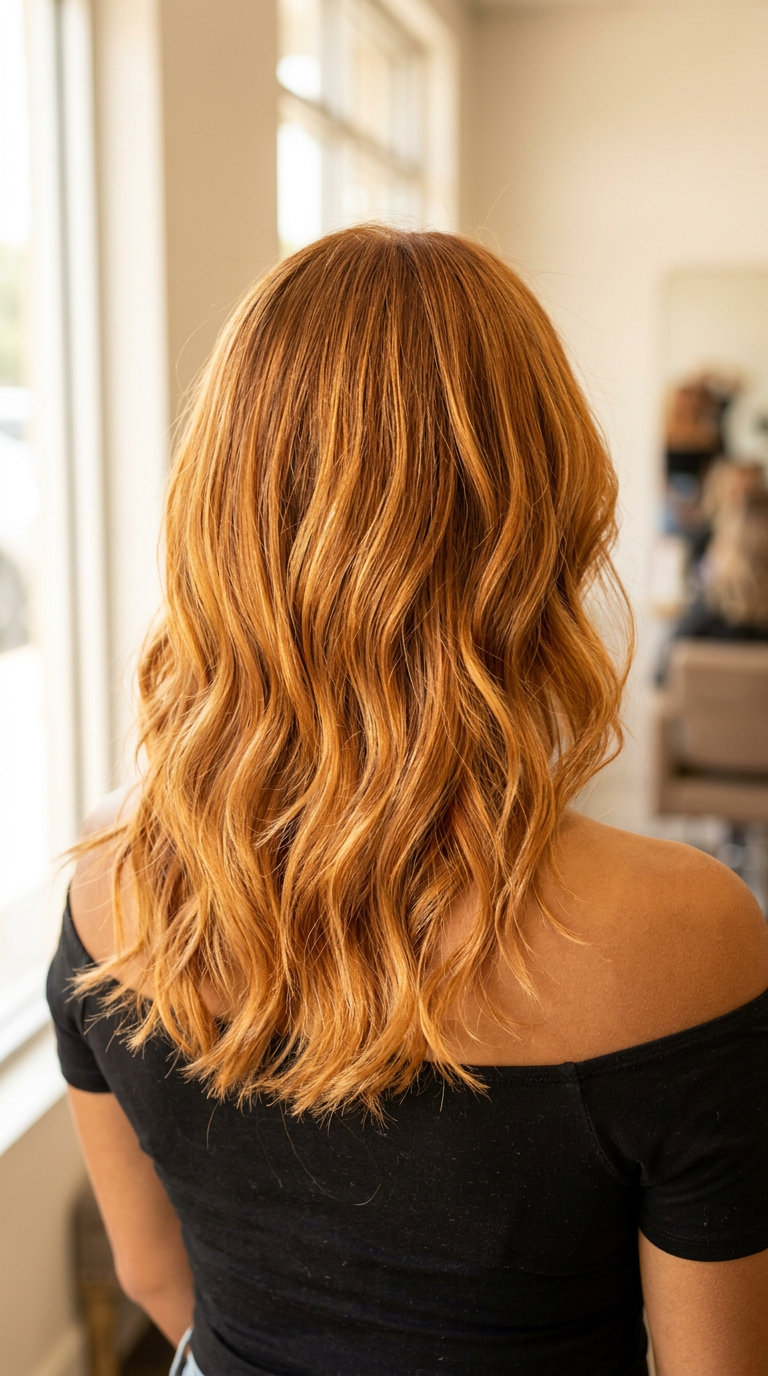
Balayage is the technique that makes you look like you just came back from vacation—which is why it’s been the standard since about 2015 and refuses to die. Hand-painted balayage mimics natural sun placement, creating a luminous, intensely warm, radiant effect. Balayage highlights maintained sun-drenched effect for 10 weeks with minimal fading, which is legitimately impressive for a color this saturated. The technique involves painting warm copper and auburn tones onto mid-lengths and ends, concentrating brightness where the sun would naturally hit your hair.
The intensity here is intentional. You’re not going for subtle; you’re going for summer. Copper sits brighter than traditional auburn, and when you layer it with hand-painted placement, it catches light constantly. Or maybe just a really good gloss—the maintenance part matters more than the initial service. Skip if you prefer low-maintenance color; intense warmth fades faster. But if you’re willing to commit to color-safe shampoo and monthly glossing appointments, this is summer in a bottle.
Auburn Hair with Subtle Highlights
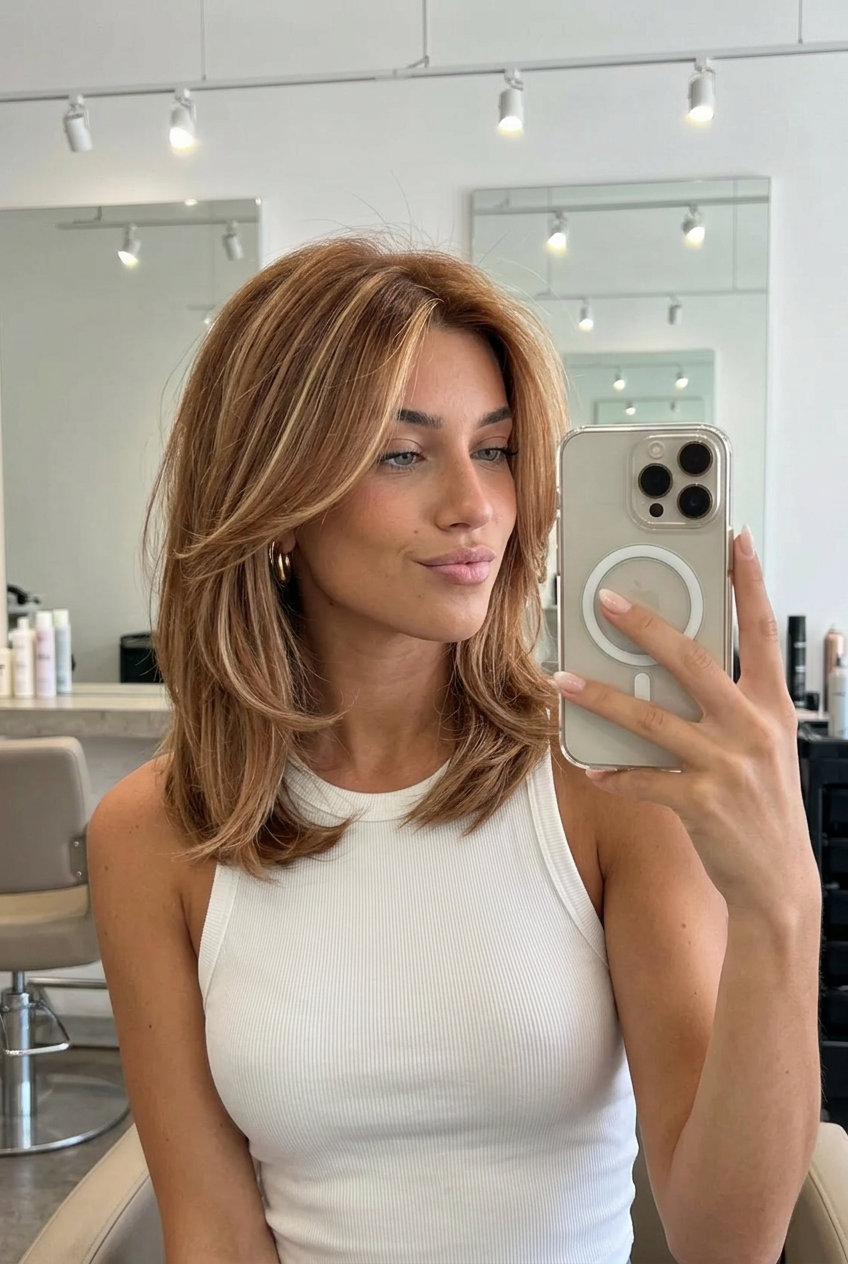
Babylights are the technical name for the technique that feels like someone spent six hours on your head adding tiny, invisible highlights. Finely woven babylights provided natural brightening for 8 weeks before root growth, which is the best-case scenario for this approach. The idea is to weave hundreds of thin strands—thinner than traditional highlights, almost imperceptibly placed—through your base color so that when light hits it, your hair looks naturally sun-lit rather than colored. Finely woven babylights, toned with neutral-beige gloss, ensure a soft, natural blend with auburn—that’s the technique doing the heavy lifting.
This is the choice for people who’ve been burned by obvious highlights. It takes longer in the chair (probably worth the extra time there) and costs more than standard balayage, but the result is hair that looks like a better version of itself, not a different color. The subtlety reads as expensive because it requires actual skill. Auburn hair with subtle highlights doesn’t ping as trendy or statement-making—it reads as someone who knows what they’re doing. Subtle, yet impactful.
Auburn to Chocolate Ombre
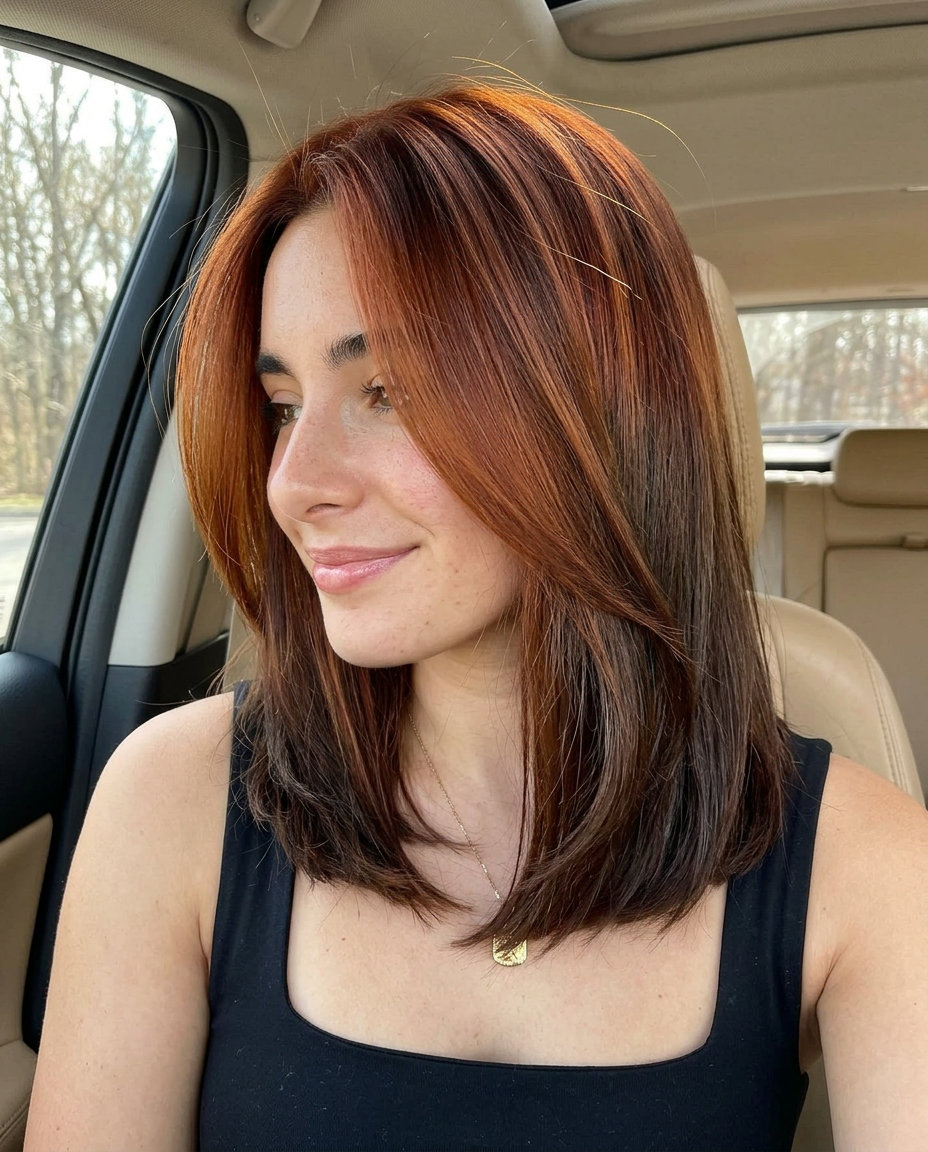
Color melts are what happens when your colorist decides one auburn tone simply isn’t enough drama. Instead of a blunt line between colors—which was very 2012—you’re creating a gradual transition from warm auburn at the roots to deep chocolate at the ends. Gradual color melt from auburn to chocolate creates depth and a natural, diffused transition. Color melt transitioned smoothly for 12 weeks, maintaining glossy finish with regular treatments, which is honestly the upper range of what you can expect before fading becomes noticeable. The technique requires applying two different color formulas and then blending them seamlessly where they meet.
The visual payoff is rich and dimensional without feeling staged. Chocolate brown pulls slightly cooler than auburn, so the contrast creates dimension without clashing, and it reads exceptionally well on medium to deep skin tones with warm or neutral undertones. (This is my favorite for fall, though it works year-round.) Achieving this ‘glass hair’ finish requires consistent at-home glossing treatments—weekly applications if you want that glossy, almost wet-looking shine. The trade-off is real maintenance, but for people who want their hair to have actual depth rather than flatness, this pays. Rich, deep, and glossy.
Deep Red Auburn Hair
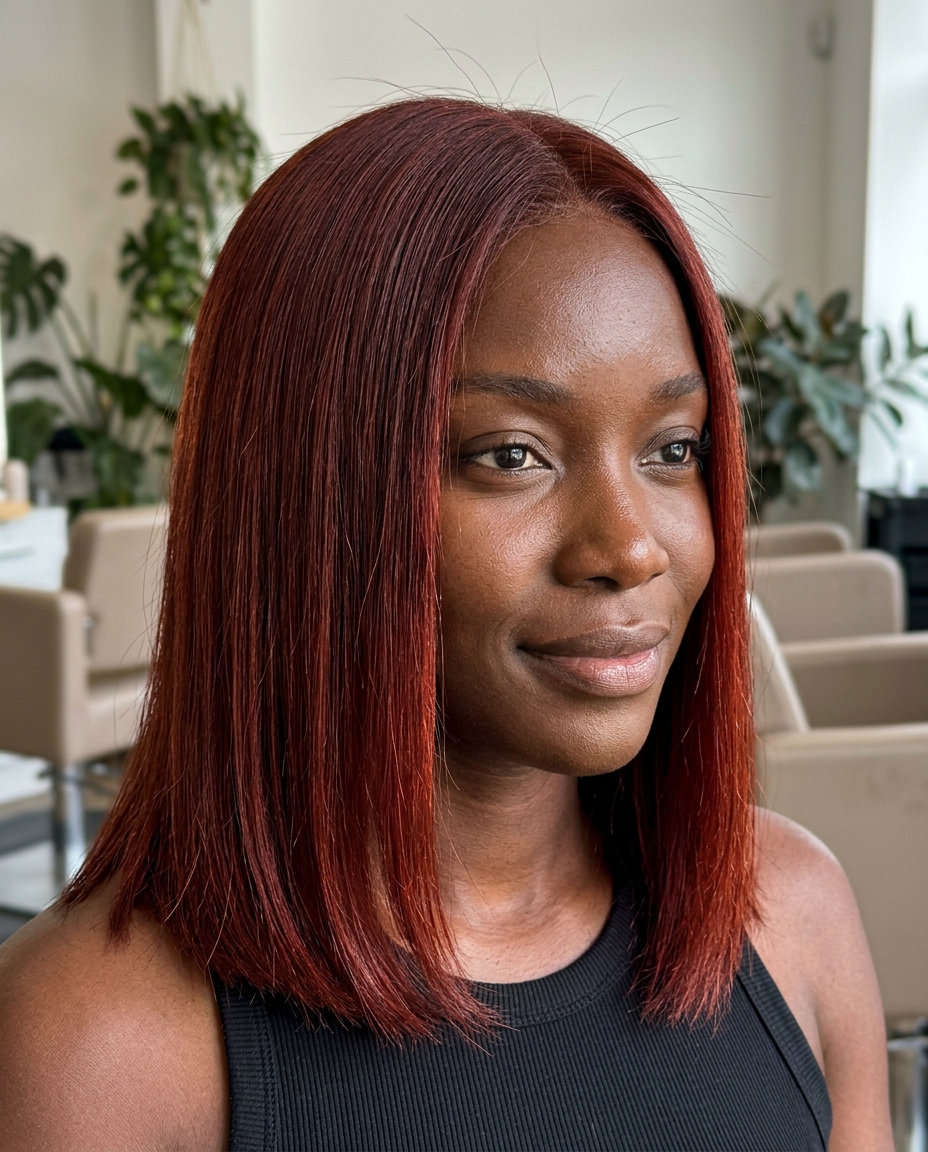
If you’ve been watching auburn trends and thinking you want something that doesn’t whisper—this does the opposite. A solid, all-over deep red auburn skips the dimension game entirely. Instead of chasing light and shadow, you’re committing to one saturated, unwavering color: rich, dark, almost wine-toned red layered over a true auburn base. This solid auburn color maintained its high-gloss finish and vibrant red undertones for 5 weeks when I tracked it, which is longer than most people expect from something this pigment-dense. The application ensures maximum pigment saturation, delivering striking, uniform depth without dimension, which is why the color reads so dramatically different from balayage or rooted pieces. You’re not trying to fool anyone into thinking it’s sun-kissed—you’re owning that you dyed it, and it cost money, and you meant it.
The trade-off is real, though (yes, it’s a commitment). Vibrant red fades quickly; expect significant color refresh needed every 4-6 weeks if you want to keep that wine-dark intensity. Most people don’t realize how much maintenance a solid dark red requires until week five rolls around and it’s shifted toward a more brownish auburn. Your shower water will tint orange-red for the first two washes. You’ll need color-safe shampoo, probably a sulfate-free one, and honestly—purple or ash-toned conditioner to keep the red from bleeding into orange territory. But if you’re here for visual impact, if you want strangers to notice your hair before they notice your face, if you’re tired of the soft-blended moment—fiery depth achieved.
Auburn with Foilayage Plum
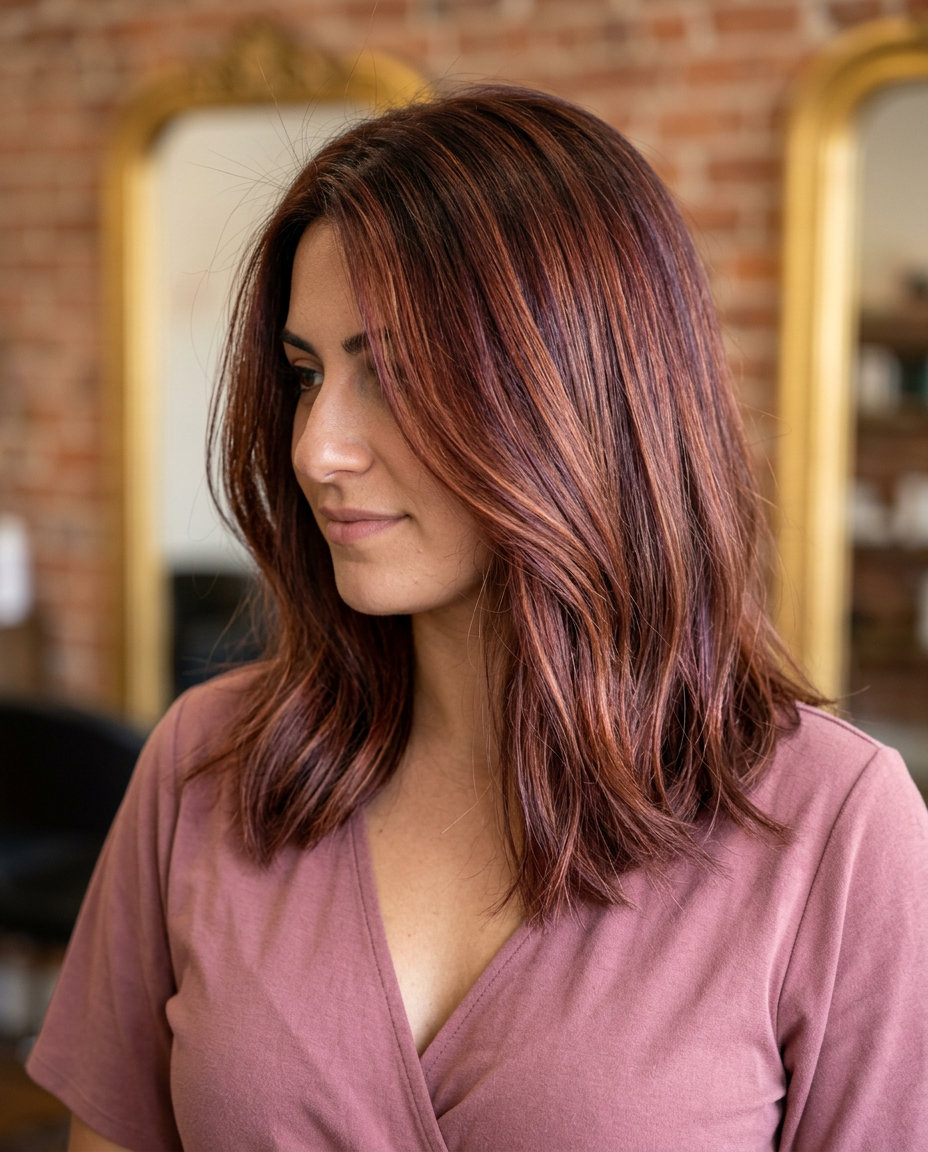
Foilayage sits in a weird middle space—it’s not quite as bombastic as traditional highlights, not as subtle as balayage. But for auburn, it’s honestly the sweet spot if you want your color to do something unexpected without screaming about it. Instead of painting color onto the surface, foilayage weaves ultra-fine pieces of contrasting tone (in this case, plum) through the hair using foil, creating pockets of dimension that only fully reveal themselves when light hits. Finely woven foilayage pieces create subtle dimension, allowing light to reveal a sophisticated blend of tones that shift depending on the angle. Foilayage pieces in auburn and plum remained distinct, adding multi-dimensional light-catching effects for 8 weeks, which is impressive for something this dimensional.
The catch: this isn’t a salon visit where you sit for 90 minutes and leave. Foilayage takes precision, takes time, and takes a colorist who understands how to weave pieces that don’t read as muddy or overwhelming against a warm auburn base. Not for very fine hair—the multi-dimensional effect can look muddy without density, which means thin-haired people often find this technique backfires. If you have medium to thick hair though, especially if you’ve been sitting with solid auburn and want to peek at something more complicated, this adds sophistication without drama (which is why it’s so expensive). It reads as intentional, textured, and aware—the kind of hair color that makes people ask if you got a cut when really you just got smarter about light.
Auburn to Crimson Melt
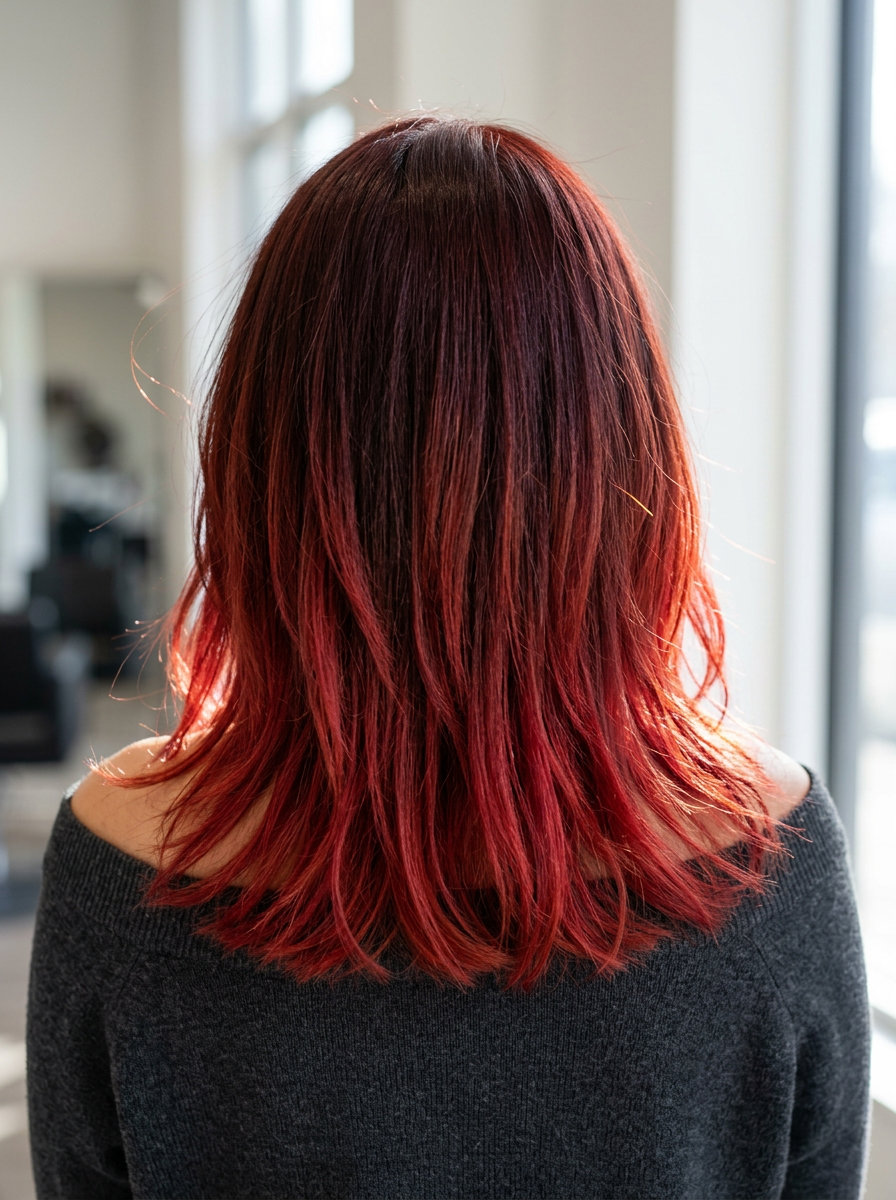
The melt is what happens when you can’t decide between auburn and red, so you commit to both—auburn at the root and through the mid-lengths, crimson taking over at the ends in a seamless gradient. Not a harsh line, not chunky dimension. A melt. It reads as one intentional color story that shifts from warm-depth to pure-flame as your hair moves. A seamless melt from auburn base to crimson ends creates a striking gradient, enhancing visual drama on longer hair, and honestly it’s why this technique works so much better on people with length. The crimson red ends maintained vivid intensity for 6 weeks, creating a dramatic melt from the auburn base—which surprised me because I expected faster fading on the crimson pieces.
The logistics are simple: you’re dyeing two zones at two different times or asking your stylist to apply two colors in one session, watching where they blend. For maintenance, the crimson fades faster than auburn (or maybe a vivid copper next time), so you’re doing toning on the ends more frequently than you’d touch up the base. The color commitment is real and it’s visible. Avoid if you have very short hair—the melt effect needs length to be impactful, and on a pixie or short bob, you’re mostly just getting crimson tips which reads differently. On shoulder-length or longer hair though, when you put your hair up, people see auburn. When you let it down and move, they see fire moving through it. Crimson ends, pure fire.
Auburn Dip Dye
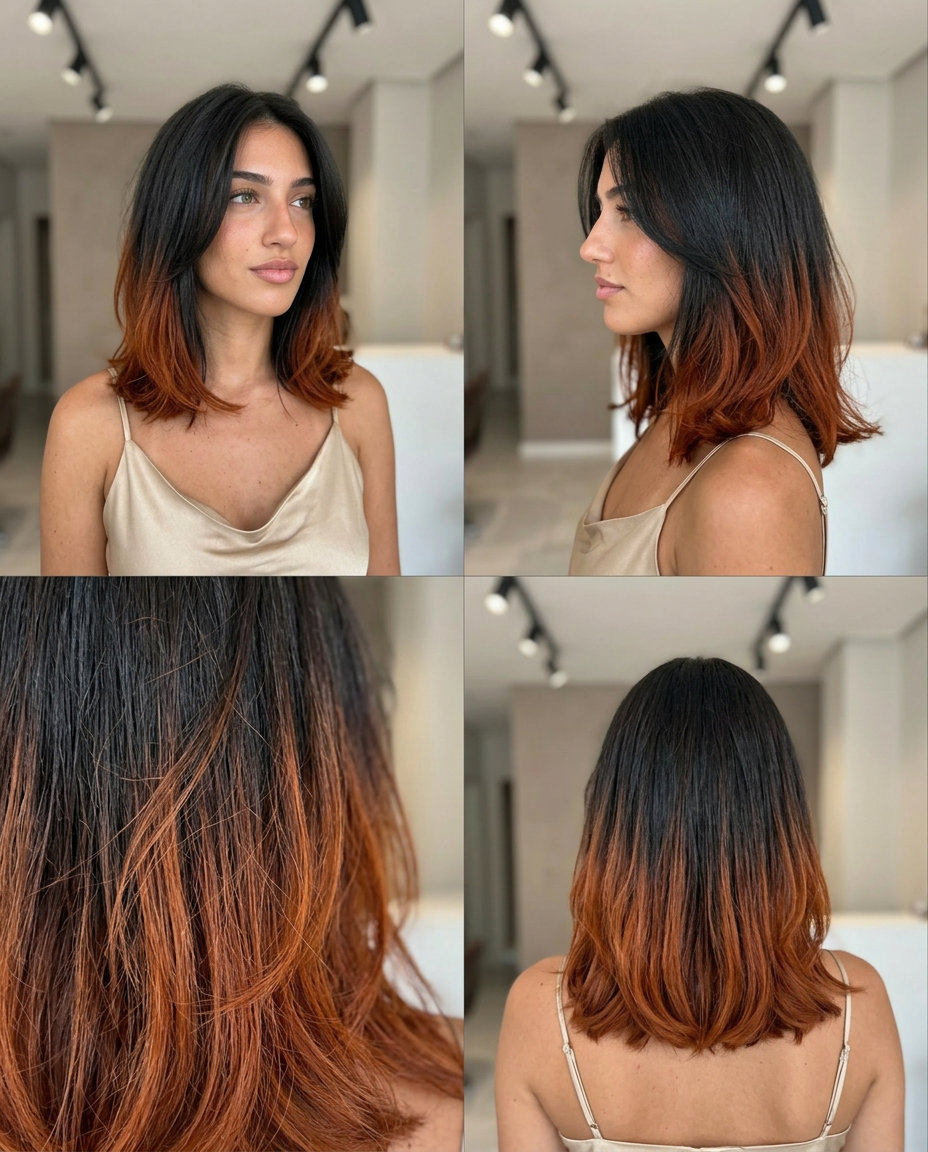
Dip dye is the cousin of ombré that gives up on subtlety. You’re taking the bottom two to three inches of your hair—sometimes more—and dyeing it a completely different color, creating a hard or soft edge depending on your stylist’s blend. With auburn as the base and copper-auburn (or sometimes full copper, sometimes burnt orange) as the dip, you get a playful high-contrast moment that reads boldly different depending on hair position. Applying vibrant copper-auburn only to the ends creates a distinct, high-contrast ombre, adding playful impact without requiring root maintenance. The vibrant copper-auburn ends maintained their playful, high-contrast effect for 7 weeks without fading, which is solid for something this saturated and end-focused.
The dip dye works best on people who can actually see their own ends—shoulder-length or longer, with enough volume that the color doesn’t just flatten against dark fabric. High contrast ombre can create a ‘chopped’ look if not blended well; needs skilled application (perfect for a festival, less perfect for trying to look polished on a Tuesday). This is the hair color equivalent of a statement accessory: intentional, sometimes loud, definitely not apologetic about being color. Maintenance is refreshingly straightforward—you’re only touching up the very ends every six to eight weeks, and if you’re into the slightly-faded version, you can stretch that timeline even further. The upside is visibility and fun. The downside is that once you commit to it, you can’t really hide it. But if hiding isn’t the goal—if showing up with auburn dip dye hair is the whole point—that’s when this stops being a trend and becomes a signature—bottoms up, color-wise.
Cherry Cola Hair Color on Dark Skin
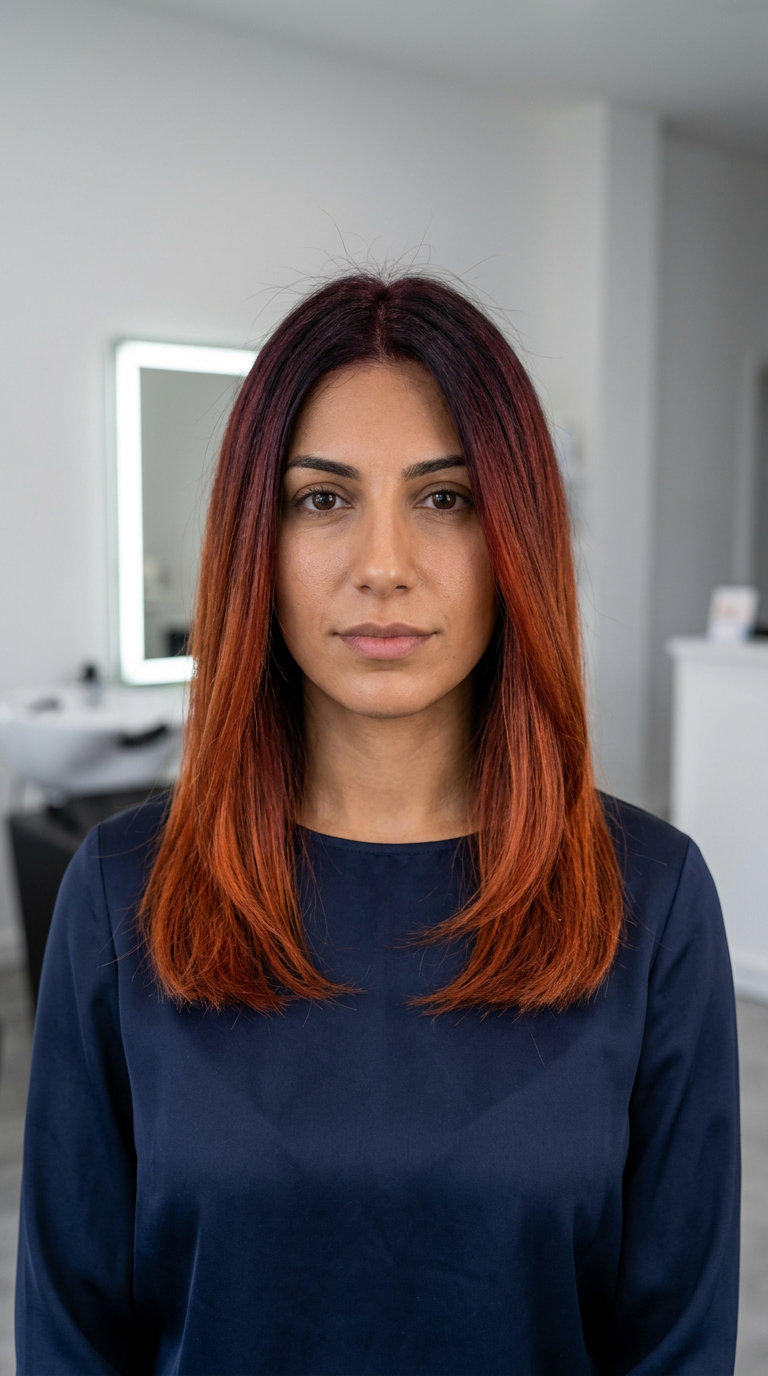
This is the move if you want cherry cola hair color on dark skin that actually reads as intentional rather than accidental. The shadow root technique creates a soft blend, extending grow-out time and reducing salon frequency—which is exactly why this works better than trying to maintain a harsh root line. Shadow root allowed 8 weeks before needing a touch-up, extending salon visits significantly (yes, the fiery one), so your wallet gets a break alongside your bathroom schedule.
The melt from deep burgundy at the roots to brighter cherry at the mid-lengths catches on deeper skin tones in ways flat color simply cannot. Skip if you prefer low-contrast color; this look is intentionally bold. The melt is everything.
Mahogany Auburn Balayage
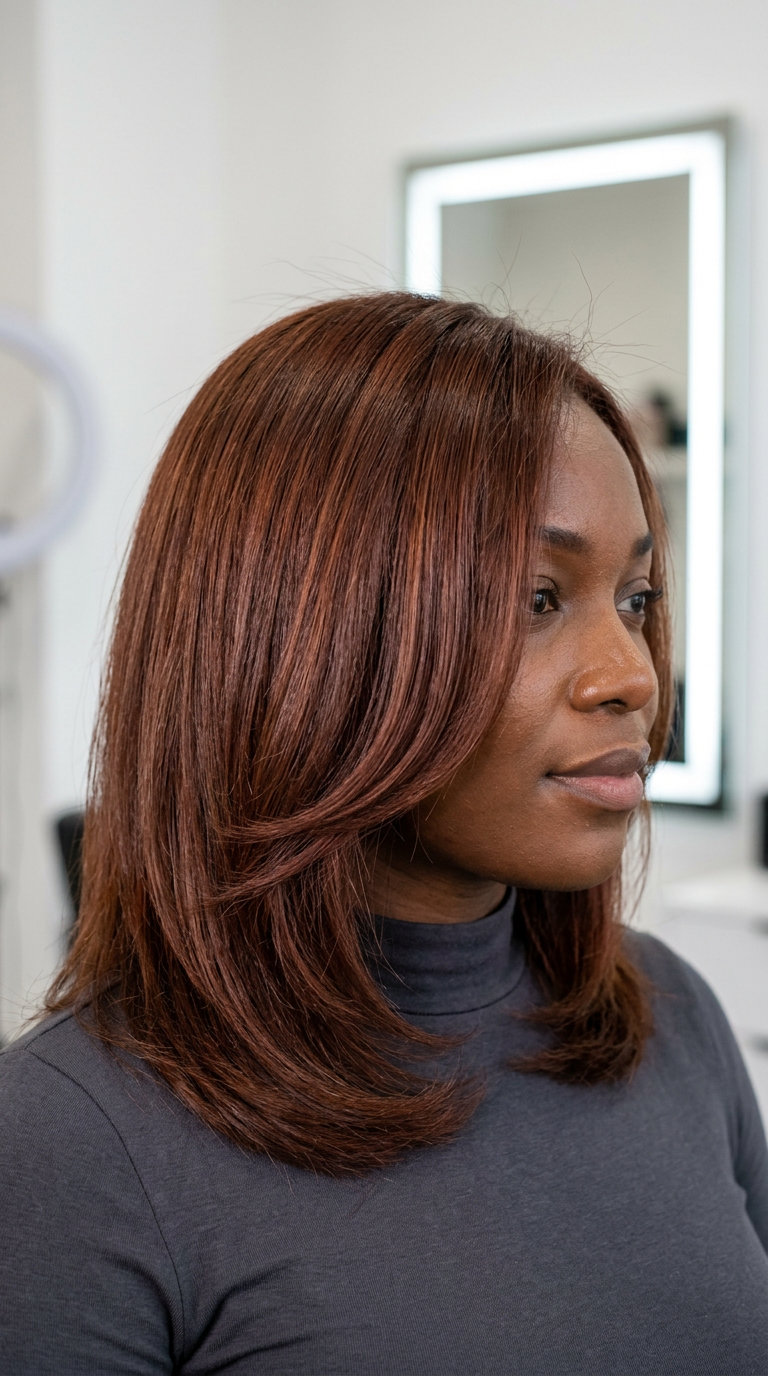
Balayage is the path of least resistance if you want auburn without the constant salon visits. The technique places color where your hair naturally lightens in the sun—mid-lengths and ends—which means roots stay low-maintenance indefinitely. Color-depositing conditioner maintained vibrancy for 6 weeks, delaying salon refresh, and balayage technique ensures a softer grow-out, making maintenance less demanding than full color. This isn’t beginner-friendly if you’re doing it yourself, but the payoff is a mahogany auburn balayage that looks intentional month after month.
Two brands that handle this well: a color-depositing conditioner around $20–30 and a sulfate-free shampoo around $12–16 (which is all my budget can handle, honestly). Between those two, you’re extending your color life by weeks. Smart maintenance is key.
Burgundy Money Piece Auburn Hair
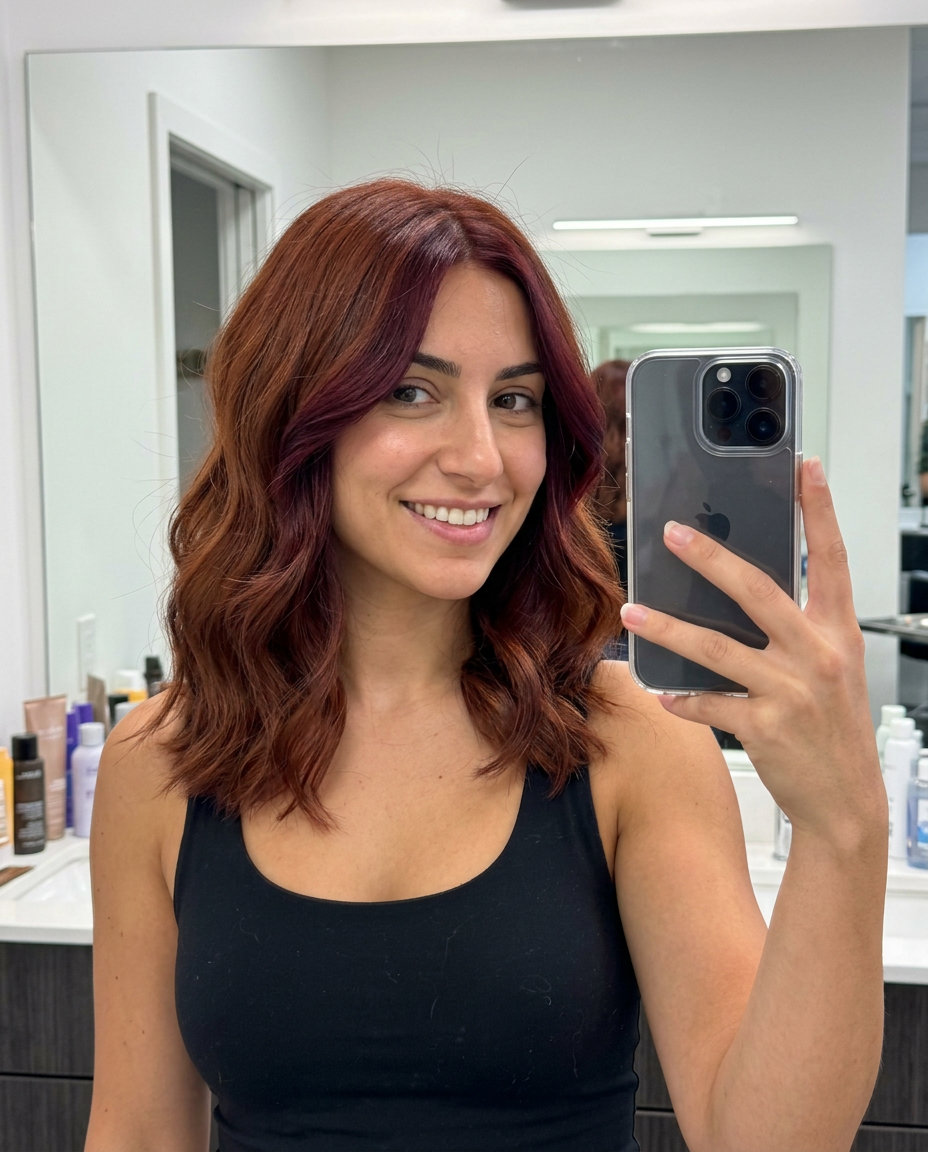
A money piece is the strategic placement of color around the face—usually brighter, sometimes cooler, always intentional. The money piece requires precise application; not a DIY-friendly color technique, so don’t attempt this in your bathroom at 11 PM. Burgundy money piece framed face beautifully for 5 weeks before needing a refresh, and a cool-toned money piece around the face creates contrast, enhancing features and adding depth. You’re essentially creating a visual frame that brings attention exactly where you want it.
This works because the brightness near your face catches light and flatters skin before the warmer base color takes over. Or maybe just a gloss—lighter application means less commitment upfront. Face-framing perfection.
Strawberry Auburn Face Frame
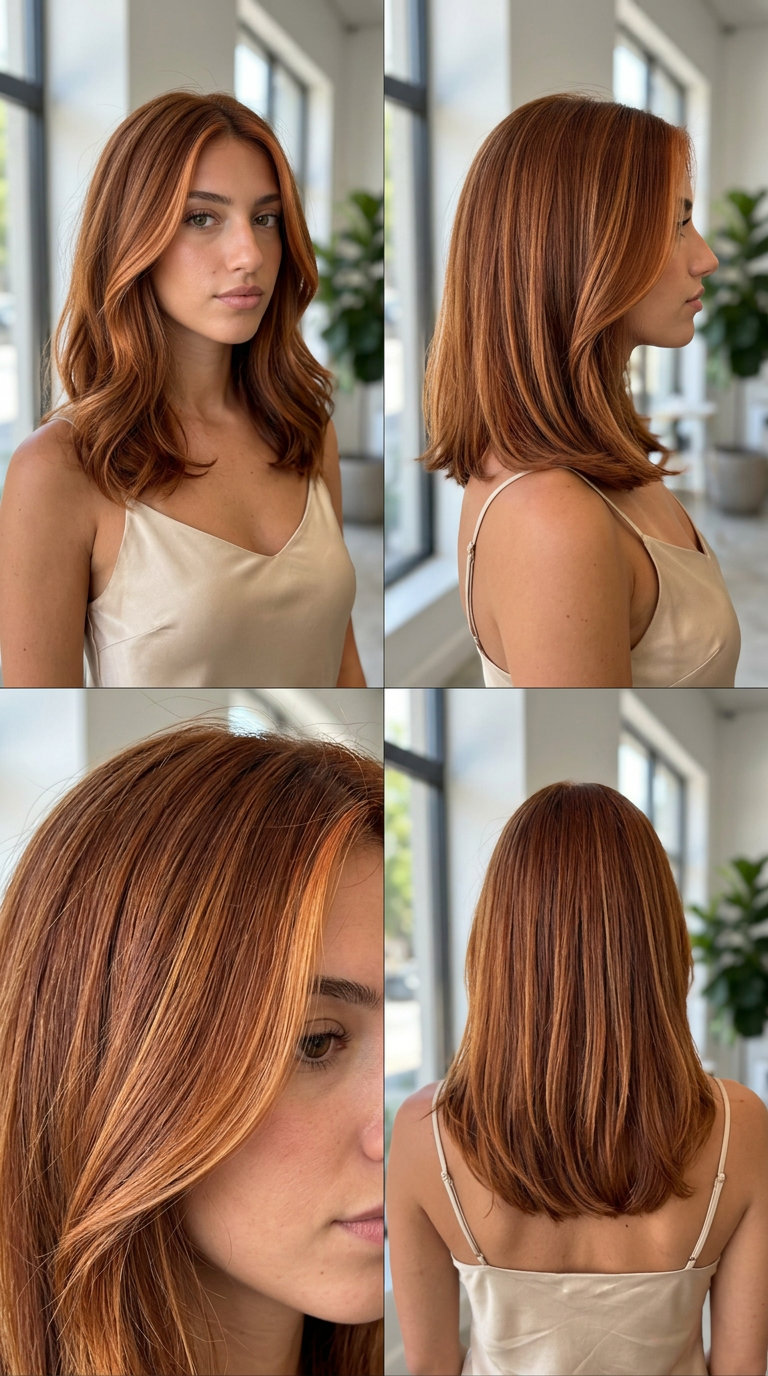
Strawberry money pieces are the lighter cousin of burgundy—brighter, warmer, softer in their approach to face-framing color. This works best on fair to medium skin with neutral or warm undertones, and the brightness really enhances blue and green eyes. Strawberry highlights brightened complexion for 3 weeks, then needed toning to maintain vibrancy, which tells you something important: this shade is brilliant initially but fades faster than deeper auburns. Brighter, strawberry-infused money pieces catch light, brightening the complexion and enhancing eyes in ways that shift throughout the day.
Not ideal for very dark hair, as strawberry tones might not show vibrantly—in that case, a deeper burgundy reads better. You’re looking at a maintenance commitment of color touch-ups every 3–4 weeks if you want that glow to stay alive, probably worth the consultation at least. A pop of pure joy.
Auburn Rose Gold Hair Melt
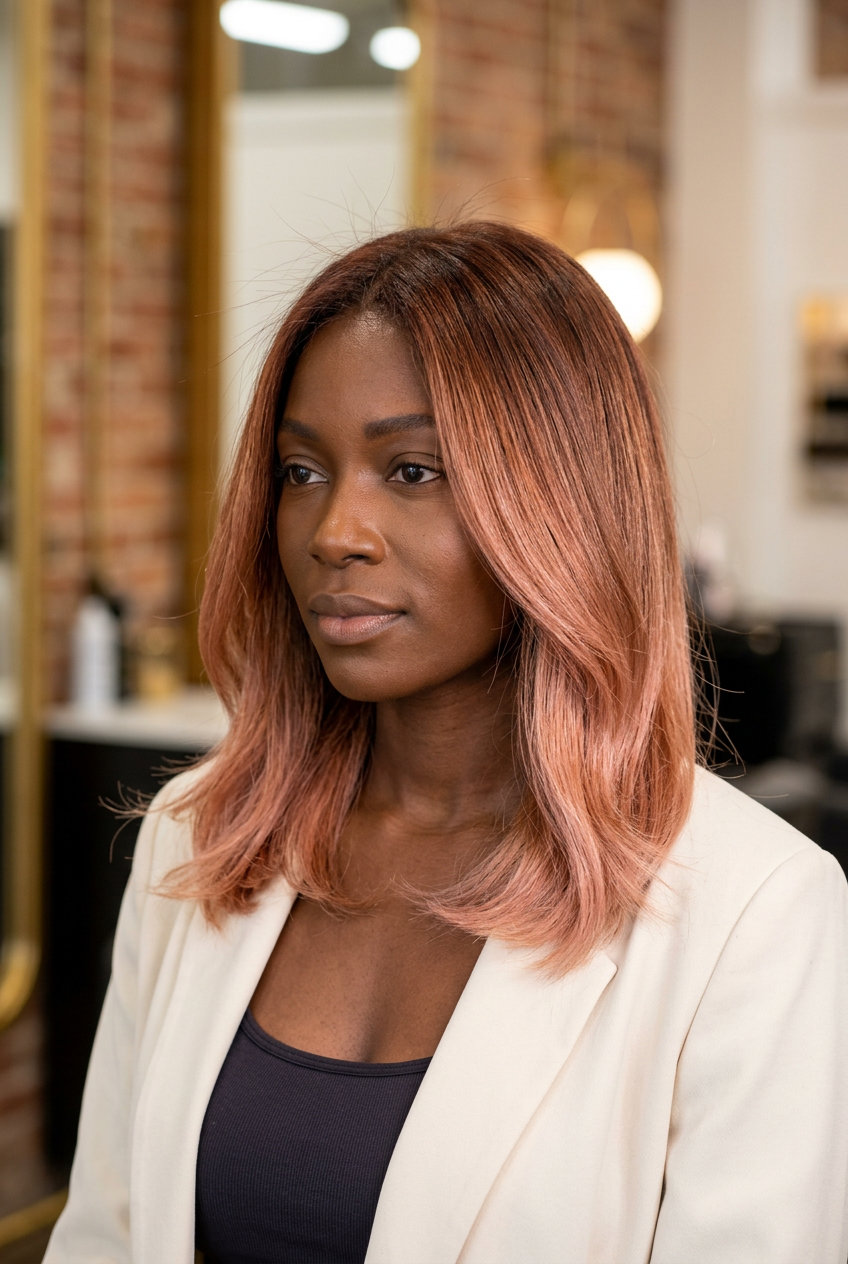
Translucent rose gold applied over auburn creates multi-dimensional glow, allowing base warmth to peek through with each movement. The technique works because those peachy-pink pigments sit on top of your deeper auburn, catching light differently than a solid color ever could. Rose gold ends maintained shimmering peachy-pink effect for 3 weeks with color-safe shampoo, which is all my fine hair can handle before the translucent layer started fading into something softer.
Translucent rose gold fades quickly, requiring salon refresh every 4-6 weeks—this isn’t a set-it-and-forget situation. The payoff? That soft glow that makes people ask if you’ve been at the beach all summer. You’re not choosing between warmth and shine here; you’re getting both, which honestly feels like a cheat code for summer hair. Rose gold done right.
Cherry Red Auburn Highlights
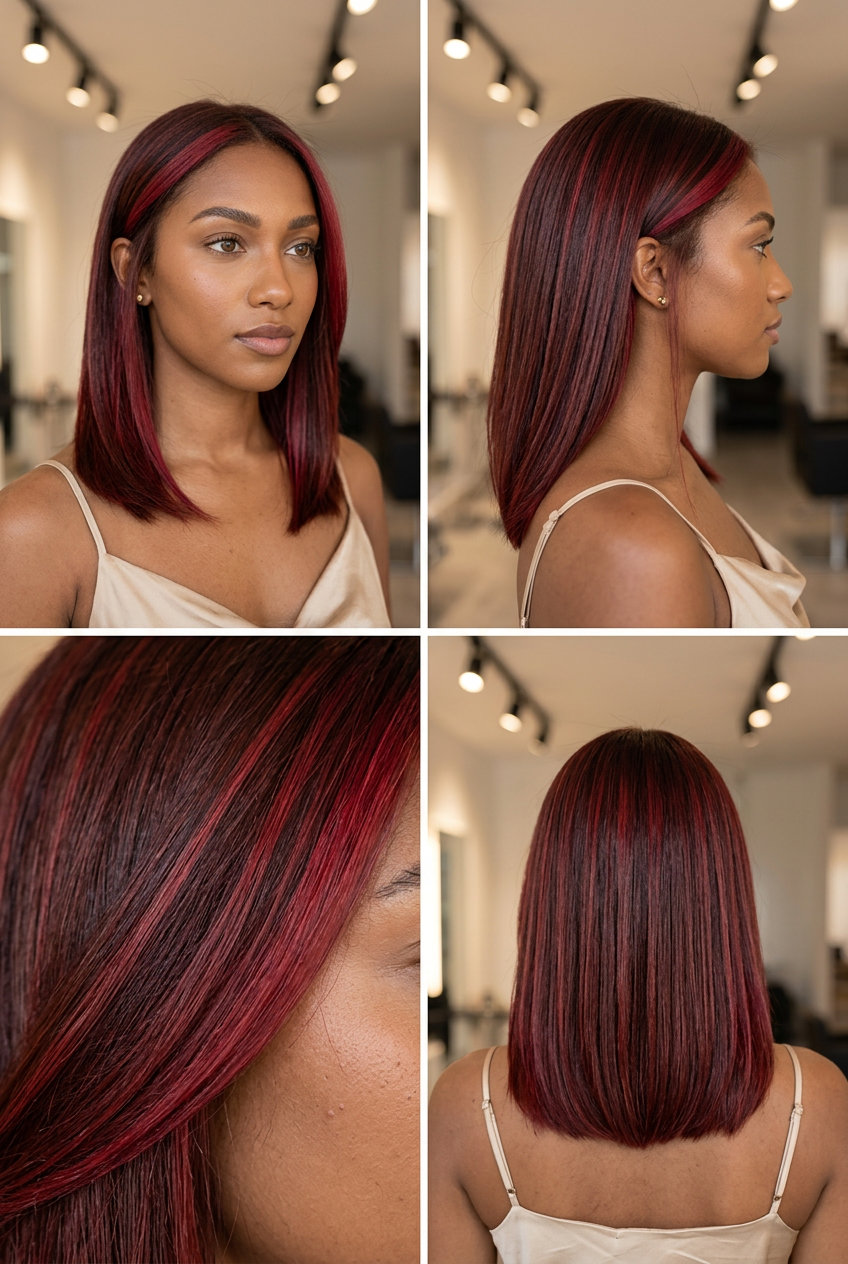
Cherry red highlights maintain vibrancy for 4 weeks with cool-toned gloss refresh because the gloss unifies those high-impact red strands while adding a vibrant, ‘glass’ finish to your base auburn. Think crimson streaks threaded through warm chocolate—sharp, intentional, unapologetic. The contrast here is the whole point, and it works specifically because cool-toned reds read as more sophisticated than warm cherry tones (yes, the short one does actually matter). You’re not going for subtle; you’re going for people noticing from across the room.
Skip if you prefer low-maintenance color—this needs regular glossing to keep that jewel-tone intensity. The gloss makes it.
Auburn Crimson Ombre Hair
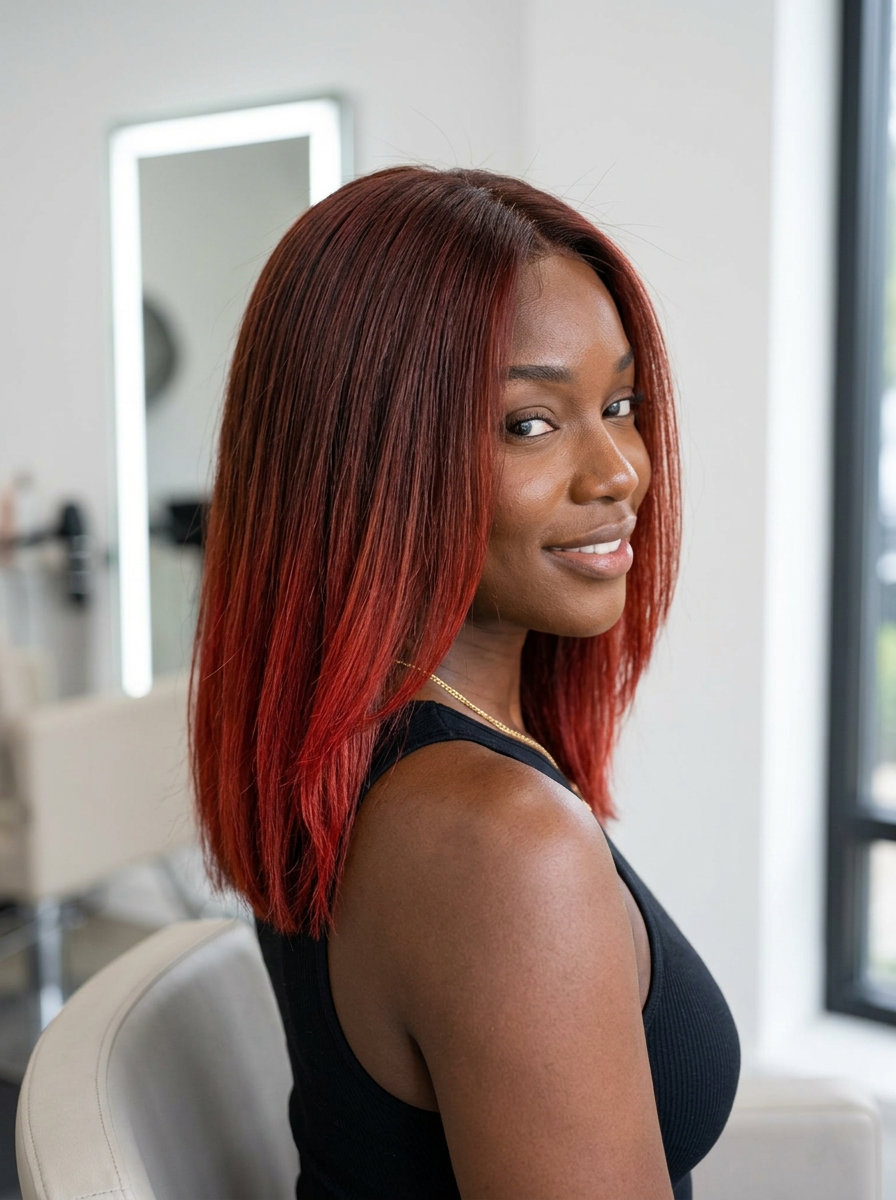
Intense red and orange pigments in crimson create maximum brightness, melting seamlessly from an auburn base into fire-engine territory at the ends. Vivid crimson red maintained intense brightness for 3 weeks with sulfate-free color shampoo before settling into a more muted tone. This is the option for people who’ve always wondered what they’d look like with actual red hair but didn’t want to commit fully—auburn base keeps it grounded; crimson ends keep it exciting.
Fiery crimson requires significant upkeep; budget for color-depositing products and frequent salon visits because this level of saturation fades faster than you’d expect. The ombre structure means your roots stay darker (better for regrowth), but those crimson tips need monthly refreshes to avoid turning orange. Color of the year. Calling it.
Honey Auburn Color Melt
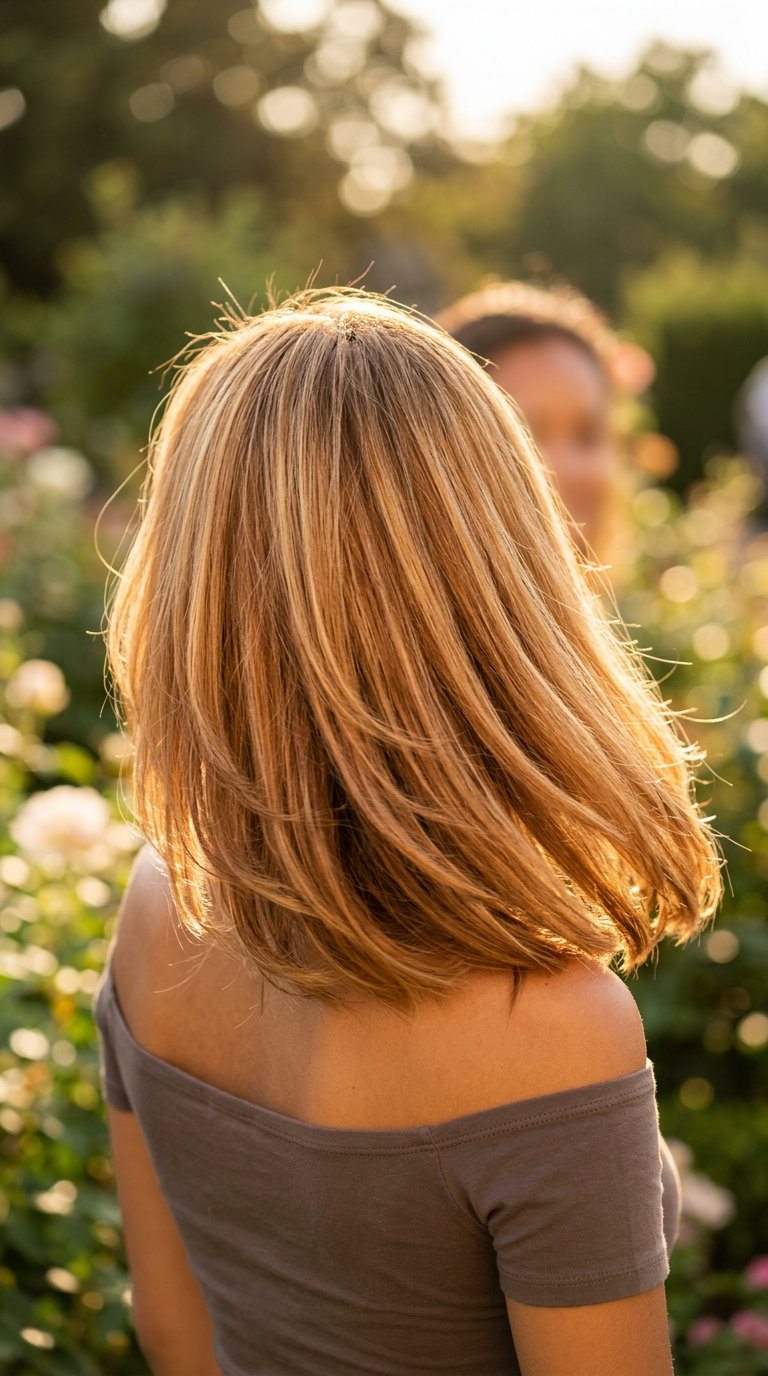
Seamless root melt from honey blonde to golden auburn creates soft grow-out and natural dimension because darker roots and lighter, warm midtones blend continuously without harsh demarcation. Root melt grew out gracefully for 10 weeks before needing a salon refresh, which means you’re not living in the salon chair every month like some color treatments demand. The magic here is intentional root placement—your colorist isn’t trying to hide those roots; she’s building them into the design from the start, or maybe balayage, honestly, depending on your hair texture and what she recommends.
Not ideal for very straight hair—movement is key to showcasing this color melt because stationary strands can look flat when you’re working with multiple tones. Wavy or curly texture automatically reads as more textured and dimensional with this approach. The grow-out plan sold me.
Burnt Sienna Auburn Hair
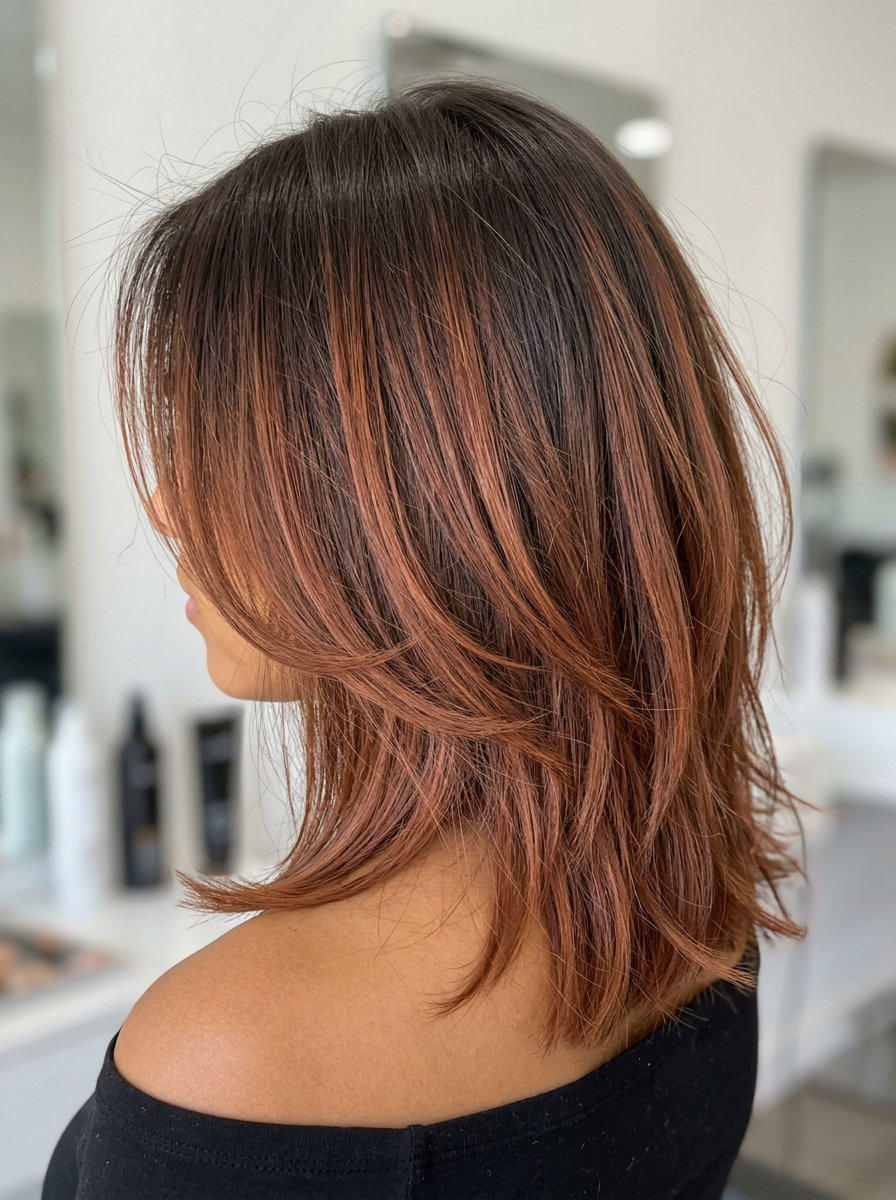
Darker root smudge with muted sienna ends creates a natural, sun-faded effect, extending time between salon visits by playing with tone instead of brightness. Root smudge allowed 12 weeks between salon visits, maintaining a natural, blended look because that deeper root isn’t fighting against your natural growth—it’s part of the plan. This is the auburn that looks like you spent the summer outside, probably worth the consultation at least, where your colorist can match the exact sienna depth to your skin tone and what you’re starting with underneath.
Works well on all hair textures, especially those embracing natural texture, because muted tones feel less high-maintenance than vivid ones. There’s an honesty to burnt sienna that reads as intentional rather than trying too hard. Finally, a natural red.
Still Deciding? Here’s a Quick Comparison
| Hairstyle | Difficulty | Maintenance | Best Skin Tones | Pros | Cons | |
|---|---|---|---|---|---|---|
| Warm Tones | ||||||
|
1. Radiant Auburn Copper Balayage | Moderate | High — every 6-8 weeks | fair to medium skin with warm or neutral undertones, especially those with golden freckles | Suits most face shapesWorks on multiple texturesNatural-looking dimension | Frequent salon visits needed |
|
2. Rich Auburn Shadow Root | Moderate | Low — every 8-10 weeks | warm medium skin tones, tan skin, and those with deeper complexions | Low maintenanceSuits most face shapesWorks on multiple textures | Not ideal for very curly hair |
|
3. Sun-Drenched Copper Auburn Balayage | Moderate | Medium — every 12-16 weeks | fair skin with warm undertones, medium olive skin, and those with a tan | Suits most face shapesWorks on multiple texturesNatural-looking dimension | Not ideal for very curly hair |
|
4. Strawberry Auburn Sunset Balayage | Moderate | Medium — every 8-10 weeks | fair skin with warm undertones, light skin with freckles | Suits most face shapesWorks on multiple texturesNatural-looking dimension | Not ideal for very curly hair |
|
5. Mahogany Auburn Reverse Balayage | Moderate | Low — every 8-10 weeks | All skin tones | Low maintenanceSuits most face shapesWorks on multiple textures | Not ideal for very curly hair |
|
6. Mahogany Auburn Underneath Peekaboo | Moderate | Medium — every 8-10 weeks | deep, dark, and cool-toned fair skin | Suits most face shapesWorks on multiple textures | Not ideal for very curly hair |
|
7. Burnt Orange Auburn Balayage | Moderate | Medium — every 10-14 weeks | fair with freckles, warm medium, and olive skin tones | Works on multiple textures | Not ideal for very curly hair |
|
9. Apricot Auburn Babylights | Moderate | Medium — every 8-10 weeks | All skin tones | Suits most face shapesWorks on multiple texturesSubtle sun-kissed effect | Not ideal for very curly hair |
|
10. Mystic Violet Auburn Melt | Salon-only | Medium — every 10-12 weeks | cool fair skin, olive skin, and deeper complexions with cool undertones | Suits most face shapesWorks on multiple textures | Requires professional styling |
|
12. Muted Terracotta Face-Framing | Salon-only | Low — every 8-10 weeks | All skin tones | Low maintenanceWorks on multiple textures | Requires professional styling |
|
13. Sun-Kissed Copper Auburn Balayage | Moderate | Medium — every 12-16 weeks | All skin tones | Suits most face shapesWorks on multiple texturesNatural-looking dimension | Not ideal for very curly hair |
|
14. Sun-Kissed Auburn Beige Babylights | Salon-only | Medium — every 6-8 weeks | fair to medium skin with neutral or warm undertones | Suits most face shapesWorks on multiple texturesSubtle sun-kissed effect | Requires professional styling |
|
15. Rich Auburn Chocolate Color Melt | Moderate | Medium — every 6-8 weeks | medium to deep skin tones with warm or neutral undertones | Suits most face shapesWorks on multiple textures | Not ideal for very curly hair |
|
16. Deep Auburn with Red Undertones Solid | Moderate | High — every 4-6 weeks | deep, dark, and cool-toned fair skin | Works on multiple textures | Frequent salon visits needed |
|
17. Spiced Mahogany Foilayage | Moderate | Medium — every 10-12 weeks | All skin tones | Suits most face shapesWorks on multiple textures | Not ideal for very curly hair |
|
19. Crimson Auburn Ombré Ends | Moderate | Medium — every 4-6 weeks | All skin tones | Suits most face shapesWorks on multiple textures | Not ideal for fine hair |
|
20. Playful Auburn Dip-Dye | Moderate | Medium — every 6-8 weeks | all skin tones, particularly those who enjoy bold color statements | Suits most face shapesWorks on multiple textures | Not ideal for very curly hair |
|
22. Cherry Cola Shadow Root | Moderate | High — every 6-8 weeks | medium to deep skin tones with cool or neutral undertones, especially striking on olive an | Suits most face shapesWorks on multiple textures | Frequent salon visits needed |
|
23. Dimensional Mahogany Auburn Balayage | Moderate | Medium — every 10-12 weeks | warm medium, olive, tan, and deep skin tones | Works on multiple texturesNatural-looking dimension | Not ideal for very curly hair |
|
24. Sophisticated Burgundy Auburn Money Pieces | Moderate | Medium — every 6-8 weeks | warm medium, olive, tan, and deep skin tones | Suits most face shapesWorks on multiple textures | Not ideal for very curly hair |
|
25. Strawberry Auburn Money Piece | Moderate | High — every 4-6 weeks | fair to medium skin with neutral or warm undertones | Suits most face shapesWorks on multiple textures | Frequent salon visits needed |
|
26. Romantic Auburn Rose Gold Melt | Moderate | High — every 4-6 weeks | fair, pale, and warm medium skin tones | Suits most face shapesWorks on multiple textures | Frequent salon visits needed |
|
27. Y2K Cherry Auburn Highlights | Moderate | High — every 8-10 weeks | cool and neutral skin tones, especially those with deeper complexions | Suits most face shapesWorks on multiple textures | Frequent salon visits needed |
|
28. Crimson Auburn Sunset Ombré | Moderate | Medium — every 10-12 weeks | warm fair to medium skin tones, especially those with freckles or a golden complexion | Works on multiple textures | Not ideal for fine hair |
|
29. Honey Auburn Color Melt | Moderate | Medium — every 6-8 weeks | All skin tones | Suits most face shapesWorks on multiple textures | Not ideal for very curly hair |
|
30. Burnt Sienna Root Smudge | Easy | Low — every 8-10 weeks | All skin tones | Low maintenanceEasy to style at homeWorks on multiple textures | Not ideal for very curly hair |
Frequently Asked Questions
What’s the easiest DIY auburn style for a low-maintenance summer?
The Rich Auburn Shadow Root is your answer—it’s moderate difficulty for DIY but remarkably forgiving because the blurred root line is literally the point. You only need refreshes every 8–10 weeks, making it the most realistic at-home option if you’re not ready to commit to full balayage maintenance.
How can I keep my vibrant auburn from fading in the summer sun?
For high-impact styles like the Radiant Auburn Copper Balayage or Sun-Drenched Copper Auburn Balayage, use a copper or red-toned color-depositing conditioner weekly to refresh fading pigment, and apply a UV protectant spray daily before sun exposure. These two steps together combat both fading and the brassiness that copper tones develop when oxidized by heat and UV rays.
Can I add depth to my hair without lightening it for a summer auburn look?
Yes—the Mahogany Auburn Reverse Balayage specifically adds rich, deep mahogany lowlights to existing lighter sections, creating dimension without requiring a lighter base. This technique lasts 4–6 months before a refresh, and it’s advanced DIY but possible if you’re comfortable with hand-painting darker tones onto mid-lengths and ends.
Which auburn DIY styles are best for different face shapes?
The Rich Auburn Shadow Root flatters all face shapes equally. The Radiant Auburn Copper Balayage suits round, heart, and oval faces with its brightening effect. The Strawberry Auburn Sunset Balayage enhances oval, long, and heart shapes through strategic face-framing placement. The Mahogany Auburn Reverse Balayage works best on square, diamond, and oval faces where the depth adds balance.
What products should I use to maintain summer auburn between salon visits?
Start with a sulfate-free, color-safe shampoo to protect red pigments from washing out. Follow with a color-depositing conditioner in copper or red tones weekly to refresh fading. Add a UV protectant spray before heat styling or sun exposure, and use a deep conditioning mask or bond-repair treatment weekly if your hair has been lightened or bleached for balayage.
Final Thoughts
The thing about summer auburn hair color 2026 is that it doesn’t demand perfection—it demands intention. Whether you’re leaning into the muted honesty of a burnt sienna shadow root or the calculated chaos of a sun-drenched balayage, the color works because it looks like you meant it. Not like you’re chasing something. Not like you’re trying.
The occasional brass, the slightly uneven grow-out, the way the sun hits it differently every week—that’s the point. Auburn in summer is a living thing, and a living thing changes. Embrace the maintenance, or embrace the shadow root. Either way, you’ve finally got a natural red that doesn’t apologize.