If you constantly put others’ needs ahead of your own and feel drained, resentful, or anxious as a result, you may be stuck in a people-pleasing pattern. It’s not about being kind; it’s about sacrificing your own well-being to avoid conflict or rejection. This article covers 12 common people-pleasing habits you can break to reclaim your time, energy, and sense of self.
Recognizing these habits is the first step toward healthier boundaries and a more authentic life.
Key Takeaways
- Practice saying ‘no’ to small requests first to build confidence.
- Identify your personal values and priorities to guide your decisions.
- Communicate your boundaries clearly and calmly without over-explaining.
- Allow yourself to feel uncomfortable when setting boundaries; it’s normal.
- Seek support from a therapist if people-pleasing severely impacts your mental health.
What is People Pleasing and Why Does It Matter?
People pleasing is the habit of putting everyone else’s comfort and approval ahead of your own needs, often without realizing it. This pattern typically starts from a fear of rejection or conflict and a deep need for external validation. Breaking these habits isn’t selfish; it’s necessary to prevent burnout, resentment, and losing touch with who you are, which can seriously affect your mental and emotional health.
1. Difficulty Saying ‘No’
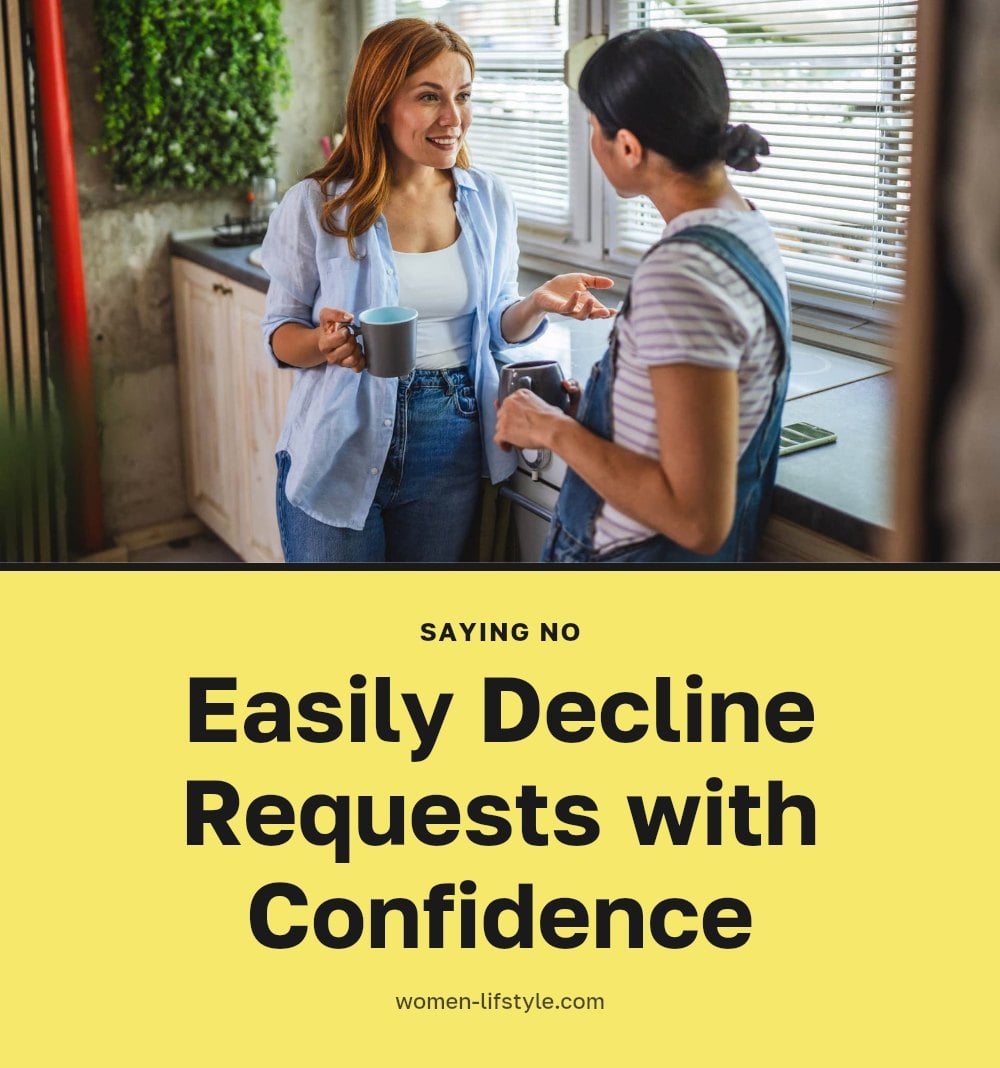
Saying “no” feels almost impossible when you’re terrified of disappointing someone or sparking conflict. That fear keeps you agreeing to things you don’t want to do, reinforcing the cycle.
My tip: Start with tiny, low-stakes requests. When a coworker asks for help with a task you can’t take on, say, “I can’t commit to that right now.” No explanation needed. The more you practice, the easier it gets.
2. Excessive Apologizing
People pleasers apologize for everything, even things that aren’t their fault or just for existing in a space. This habit quietly sends the message that you’re always wrong, chipping away at your self-worth.
My tip: Swap unnecessary apologies. Instead of “Sorry I’m late,” try “Thank you for your patience.” Instead of “Sorry for asking,” just ask. Sometimes saying nothing at all is the right move.
3. Taking on Too Many Responsibilities
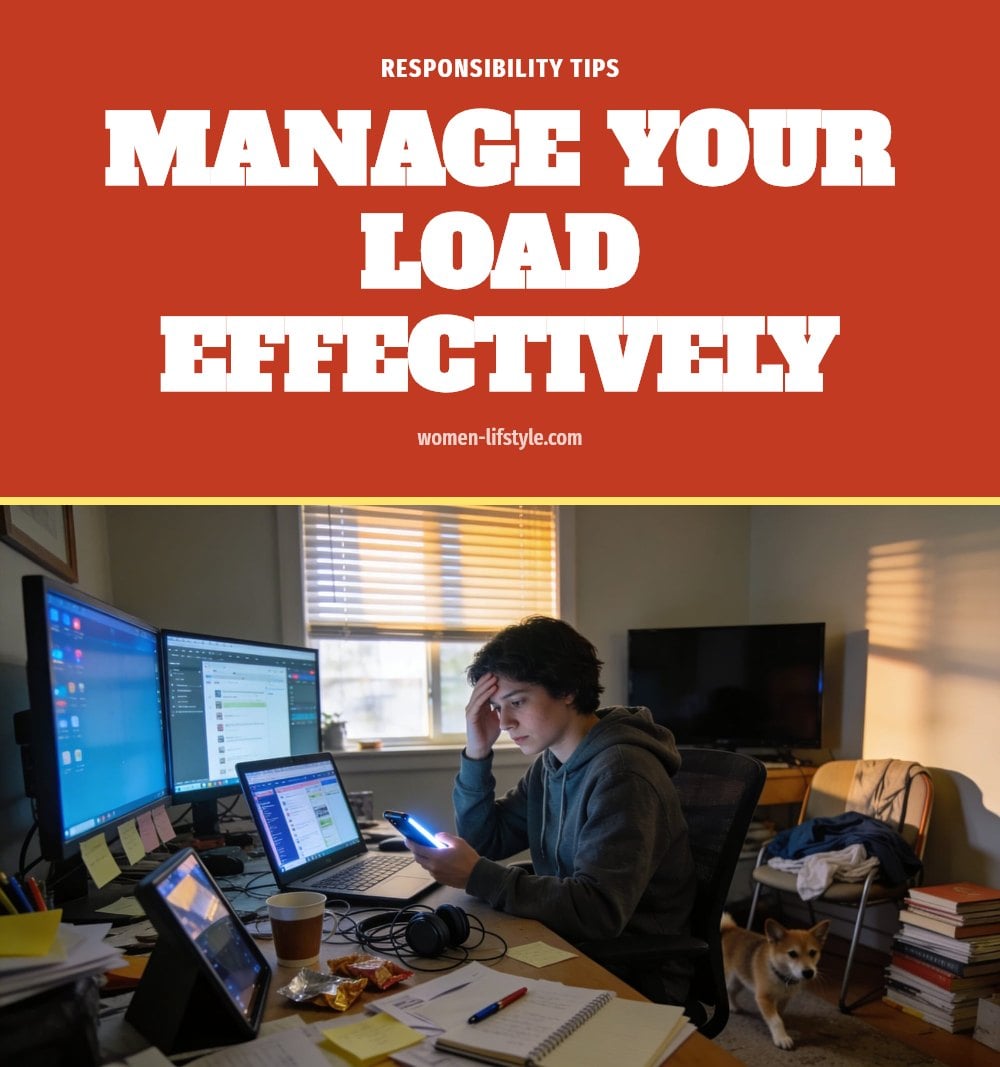
You might find yourself volunteering for extra projects or picking up slack that isn’t yours, all to feel helpful or indispensable. This behavior comes from a genuine desire to be valued, but it leads straight to exhaustion and resentment.
Tip: Before saying yes, pause. Check your calendar and energy. If you’re already stretched thin, say, “I’m at capacity right now.” It’s honest, not rude.
4. Avoiding Conflict at All Costs
Suppressing your own opinions or needs to keep the peace prevents authentic communication. Over time, that silence turns into resentment that usually leaks out sideways or builds until you explode.
Good to know: Practice expressing disagreements calmly using ‘I’ statements. Instead of ‘You’re wrong,’ try ‘I see it differently because…’ This approach keeps the conversation open without sounding accusatory.
5. Seeking Constant External Validation
When your sense of worth depends on others’ approval, you’re stuck in a cycle of people pleasing. This behavior is tied to low self-esteem and the belief that your value comes from what you do for people.
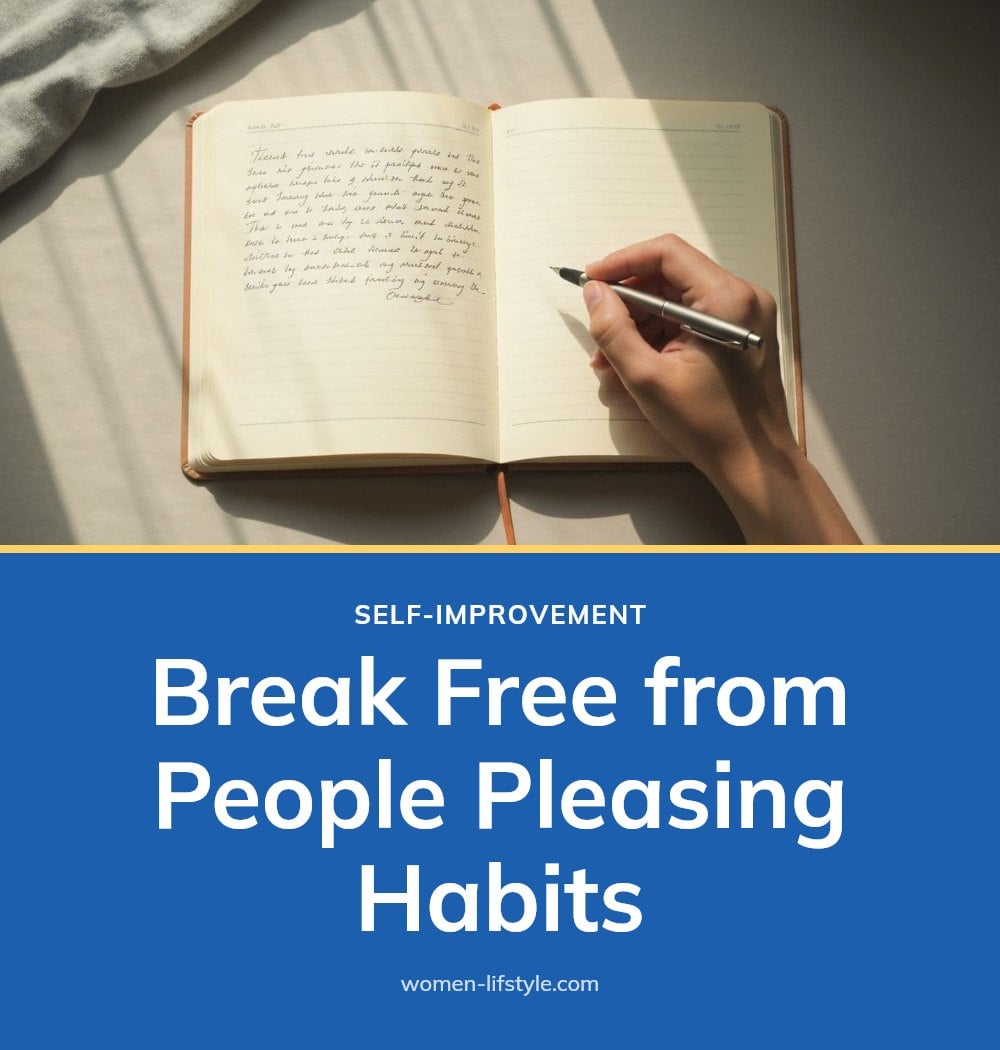
Pro move: Start a journal where you list your own values and accomplishments each week. Reviewing it shifts your focus inward and builds a stable foundation of self-worth that doesn’t need constant external reassurance.
6. Masking True Feelings
Pretending you’re fine when you’re not, or agreeing just to keep the peace, blocks genuine connection. Over time it makes you feel misunderstood or invisible because no one knows what you actually think.
Quick tip: Start with low-stakes situations, like telling a trusted friend how you really feel about a movie or a restaurant. Use ‘I feel…’ statements so the conversation stays about your experience, not a debate.
7. Neglecting Your Own Needs

Putting everyone else’s needs before your own is a fast track to burnout and resentment. You end up drained because there’s nothing left for you at the end of the day.
Tip: Schedule ‘me time’ in your calendar and treat it like any other appointment. Even 15 minutes of reading, stretching, or just sitting quietly counts as self-care and signals that your needs matter.
8. Feeling Guilty for Setting Boundaries
That familiar wave of guilt hits the moment you say no or protect your time. It feels wrong, like you’ve done something selfish. This guilt is a deeply ingrained response, not a signal that you’ve actually done anything wrong.
Good to know: Acknowledge the guilt without letting it steer your actions. Remind yourself that setting a boundary is a healthy, necessary act of self-care, not a rejection of someone else.
9. Over-explaining Your Decisions
When you finally say no, you might launch into a long explanation about why you can’t. This comes from a desire to soften the blow and prevent the other person from being upset.
Pro move: A simple, firm, and polite “No, thank you” or “I won’t be able to” is usually enough. You don’t owe anyone a detailed justification for protecting your time or energy.
10. Changing Plans to Accommodate Others
You rearrange your schedule or drop personal plans at the last minute to accommodate someone else’s request. This habit sends a clear message that your time and commitments are less important than theirs.
Quick tip: Treat your own schedule with the same respect you give others’. If you need to decline, do so politely but firmly. You don’t have to rearrange your life to be helpful.
11. Believing You’re Responsible for Others’ Feelings
You carry the weight of ensuring everyone around you is happy and comfortable. This is an impossible burden, and it’s not yours to hold.
Tip: Remind yourself that you are responsible for your own actions and reactions, not for how others choose to feel or react to your boundaries. Their emotions are their own to manage.
12. Ignoring Your Intuition
Your gut often sends a clear signal when something isn’t right or you should say no, but people pleasers override it to keep the peace. This disconnects you from your inner wisdom and can lead to decisions you later regret.
Good to know: Before responding to a request, take a moment to check in with how it truly feels to you. A quick breath and a mental scan of your body, tight chest, sinking feeling, can reveal what you actually want versus what you think you should do.
When to Seek Professional Help for People Pleasing
If your people-pleasing behaviors are severely impacting your mental health, leading to chronic anxiety, depression, or burnout, consider seeking professional help. A therapist or counselor can provide strategies and support for developing healthier boundaries and improving self-esteem.
If you find it impossible to set boundaries without intense fear or panic, a professional can help you explore the underlying causes. It is okay to ask for help, and doing so is a sign of strength, not weakness.
Frequently Asked Questions
What are the core reasons someone becomes a people pleaser?
People pleasing often stems from childhood experiences, such as needing approval from caregivers or avoiding punishment. The fear of rejection or abandonment is a primary driver, along with low self-esteem and a reliance on external validation for self-worth. These patterns can carry into adulthood and become deeply ingrained habits.
Can people pleasing be a positive trait sometimes?
Being considerate and helpful is positive, but chronic people pleasing goes beyond kindness. When you consistently prioritize others at the expense of your own needs, it leads to burnout and resentment. The key difference is whether you’re freely choosing to help or feeling obligated out of fear.
How do I deal with guilt after saying no?
Guilt is a normal response when you’re used to pleasing others. Acknowledge the feeling without acting on it. Remind yourself that saying no is not selfish; it’s a healthy boundary. Over time, as you practice, the guilt will lessen as you see that relationships can survive your no.
What if my relationships change when I stop people pleasing?
Some relationships may shift as you set boundaries. Healthy relationships will adapt and respect your new limits, while unhealthy ones may struggle or end. This can be painful, but it’s a sign that those connections were based on you overextending yourself, not on genuine mutual respect.
Is people pleasing a sign of a deeper mental health issue?
People pleasing itself is not a diagnosis, but it can be linked to low self-esteem, anxiety, or depression. If the pattern is severely impacting your daily life or mental health, it’s wise to consult a therapist. They can help you explore underlying causes and develop healthier coping strategies.
Final Thoughts
Breaking people-pleasing habits is a gradual process that takes consistent effort over weeks to months. Start small, like saying no to a low-stakes request, and be patient with yourself when guilt or discomfort arises. Healthy relationships will adapt to your boundaries, while unhealthy ones may struggle or end. Your well-being matters just as much as anyone else’s, and you deserve to prioritize it.
This article is for general informational purposes only and does not constitute medical or mental health advice. If you are experiencing chronic anxiety, depression, or burnout related to people-pleasing behaviors, please consult a qualified therapist or healthcare professional for personalized support.