

You already know Vitamin C is good for you, but figuring out which foods pack the biggest punch can feel overwhelming. I’ve broken down the top natural sources in this article, from the obvious oranges to surprising contenders like red bell peppers, so you can easily boost your intake every day.
Whether you want to support your immune system, help your skin glow, or just eat more nutrient-dense meals, this list has you covered. My tip: focus on a colorful mix of fruits and vegetables rather than relying on one single source.
Key Takeaways
- Red bell peppers deliver over 190 mg of Vitamin C per cup, more than double the daily recommendation for adult women.
- Eat fruits and vegetables raw or lightly steamed to preserve their Vitamin C content.
- Pair Vitamin C-rich foods with iron-rich plant foods to enhance iron absorption.
- A single medium orange provides about 70 mg of Vitamin C, nearly meeting the daily RDA for women.
- Vitamin C supplements over 2,000 mg per day can cause digestive upset; consult a professional first.
What is Vitamin C and Why Do We Need It?
Vitamin C, also called ascorbic acid, is an essential nutrient and a powerful antioxidant. Your body relies on it for immune support, making collagen, and absorbing iron from plant-based foods. Since our bodies can’t produce it, we have to get it from food or supplements. Vitamin C is water-soluble, which means your body doesn’t store large amounts and flushes out the excess. That’s why consistent daily intake matters.
1. Red Bell Peppers

One cup of chopped red bell pepper delivers over 190 mg of Vitamin C, more than double the daily recommended amount for adult women. They’re also packed with other antioxidants that support overall health.
- Raw in salads: Slice them thin for a crunchy, sweet crunch.
- Stir-fries: Add near the end of cooking to preserve the Vitamin C.
- Snack: Cut into strips and eat with hummus or on their own.
2. Strawberries

A cup of sliced strawberries provides about 89 mg of Vitamin C, covering the daily needs for most adults. They are also packed with other antioxidants and fiber, making them a delicious and healthy addition to breakfasts, desserts, or snacks.
- Breakfast: Toss them into yogurt, oatmeal, or smoothies.
- Dessert: Top with a sprinkle of dark chocolate shavings.
- Snack: Eat them fresh with a squeeze of lime for extra zing.
3. Kiwi Fruit
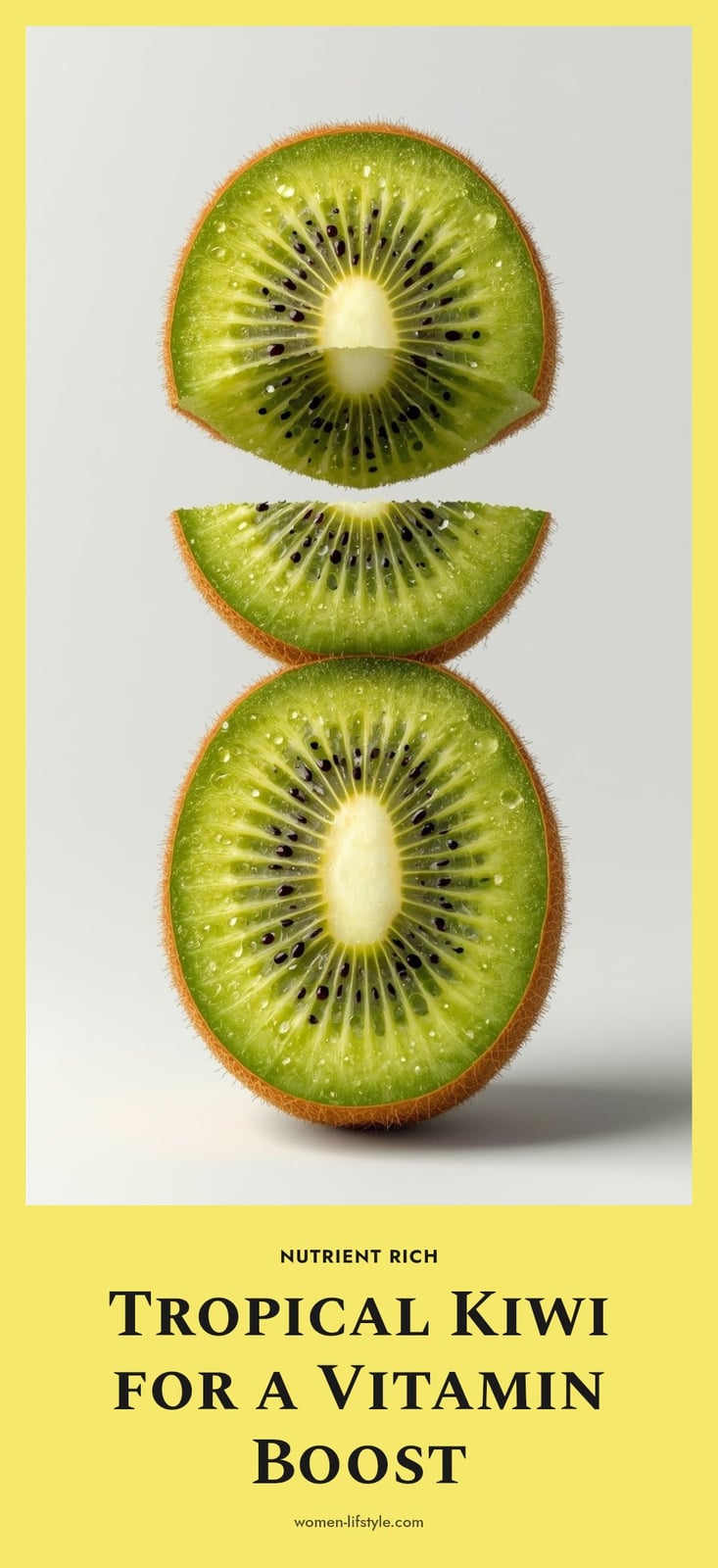
Just one kiwi fruit contains approximately 64 mg of Vitamin C, nearly hitting the daily target for adult women. This small fruit also delivers Vitamin K, Vitamin E, and fiber, all in a sweet and tangy package.
- Eat it whole: Slice in half and scoop out the flesh with a spoon.
- Add to fruit salad: Peel and dice into cubes for a pop of green.
- Blend into smoothies: The flavor pairs well with spinach and banana.
4. Oranges
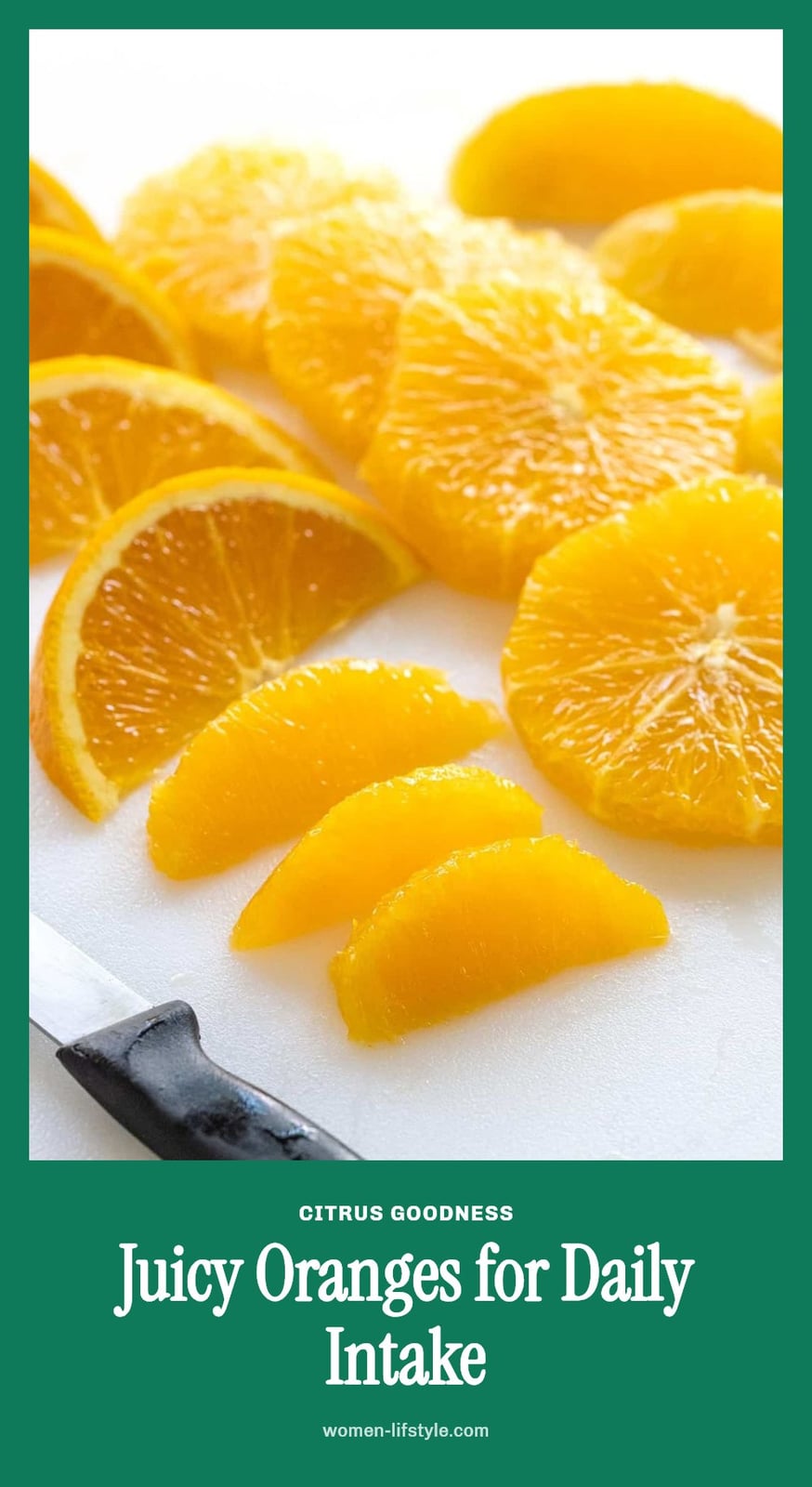
A single medium orange delivers around 70 mg of Vitamin C, nearly fulfilling the 75 mg recommended daily allowance for adult women. That makes it a classic and convenient source you can grab as a quick snack or fresh juice.
My tip: Eat the whole fruit rather than just drinking juice to get the fiber, which helps with fullness and blood sugar control. Oranges are portable, require no prep, and pair well with iron-rich foods like spinach in a salad to boost absorption.
5. Broccoli
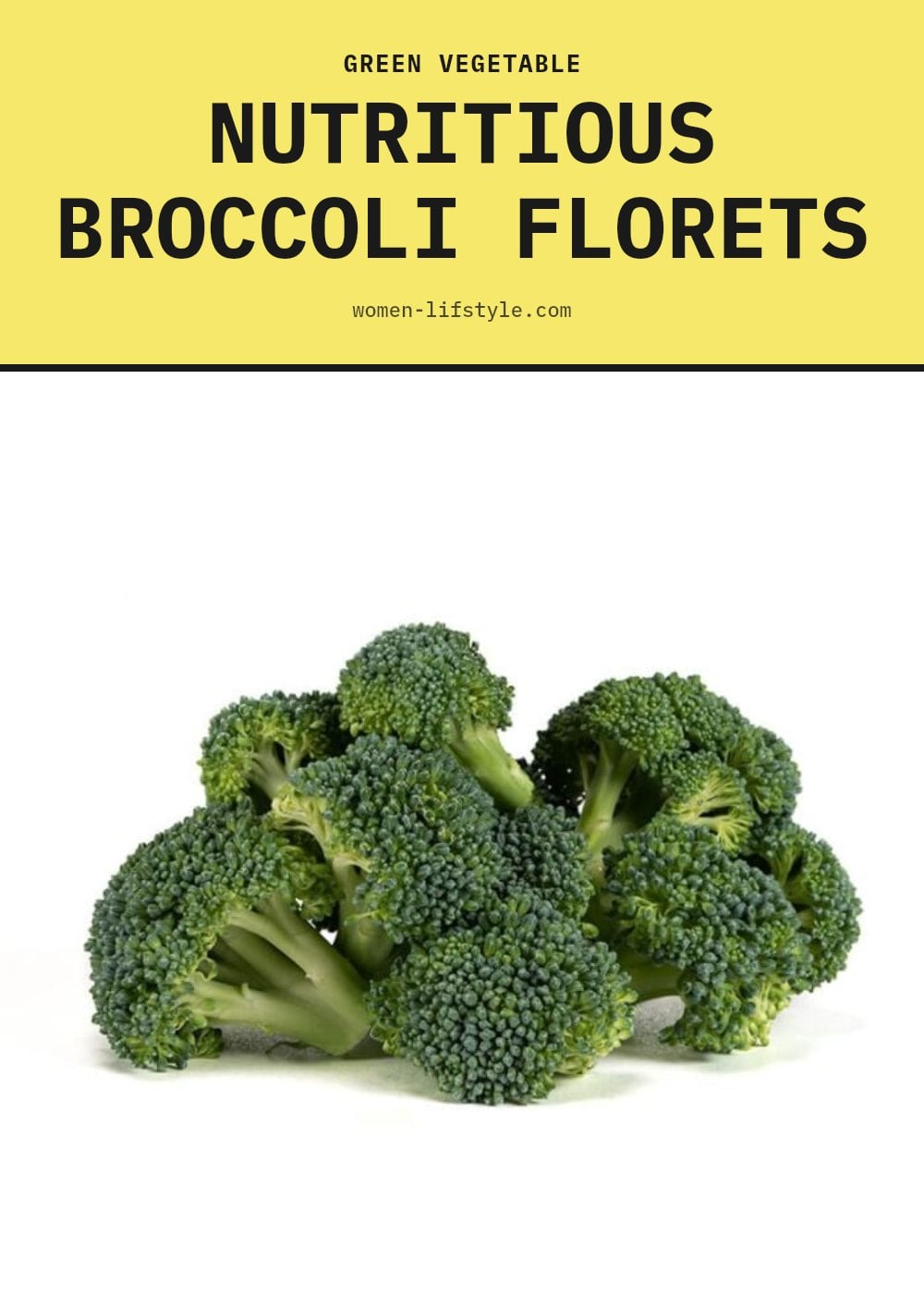
One cup of raw broccoli provides about 81 mg of Vitamin C, along with fiber, Vitamin K, and folate. That single serving covers more than the daily recommended intake for adult women.
Tip: Steam broccoli lightly instead of boiling it. Boiling leaches Vitamin C into the water, while steaming preserves more of the nutrient and keeps the texture crisp-tender. Steam for 3-4 minutes, then rinse with cold water to stop the cooking.
6. Brussels Sprouts
These mini cabbages are surprisingly potent. Half a cup of cooked Brussels sprouts offers about 48 mg of Vitamin C, which is over half the daily recommendation for adult women.
They are also rich in Vitamin K and fiber, making them a great side dish. Tip: Roast them with a little olive oil to bring out their natural sweetness without destroying the Vitamin C.
7. Cantaloupe
A cup of cantaloupe chunks provides around 58 mg of Vitamin C, plus a good dose of Vitamin A and hydration. It’s a refreshing summer fruit that’s easy to toss into fruit salads or eat on its own. My tip: keep pre-cut cantaloupe in the fridge for a quick, hydrating snack on hot days.
8. Tomatoes
Whether raw or cooked, tomatoes contribute to your Vitamin C intake. A medium tomato contains about 20 mg. They are also a source of lycopene, an antioxidant beneficial for heart health. Toss them into salads, sauces, or sandwiches for a steady, low-key boost.
9. Leafy Greens (Spinach, Kale)
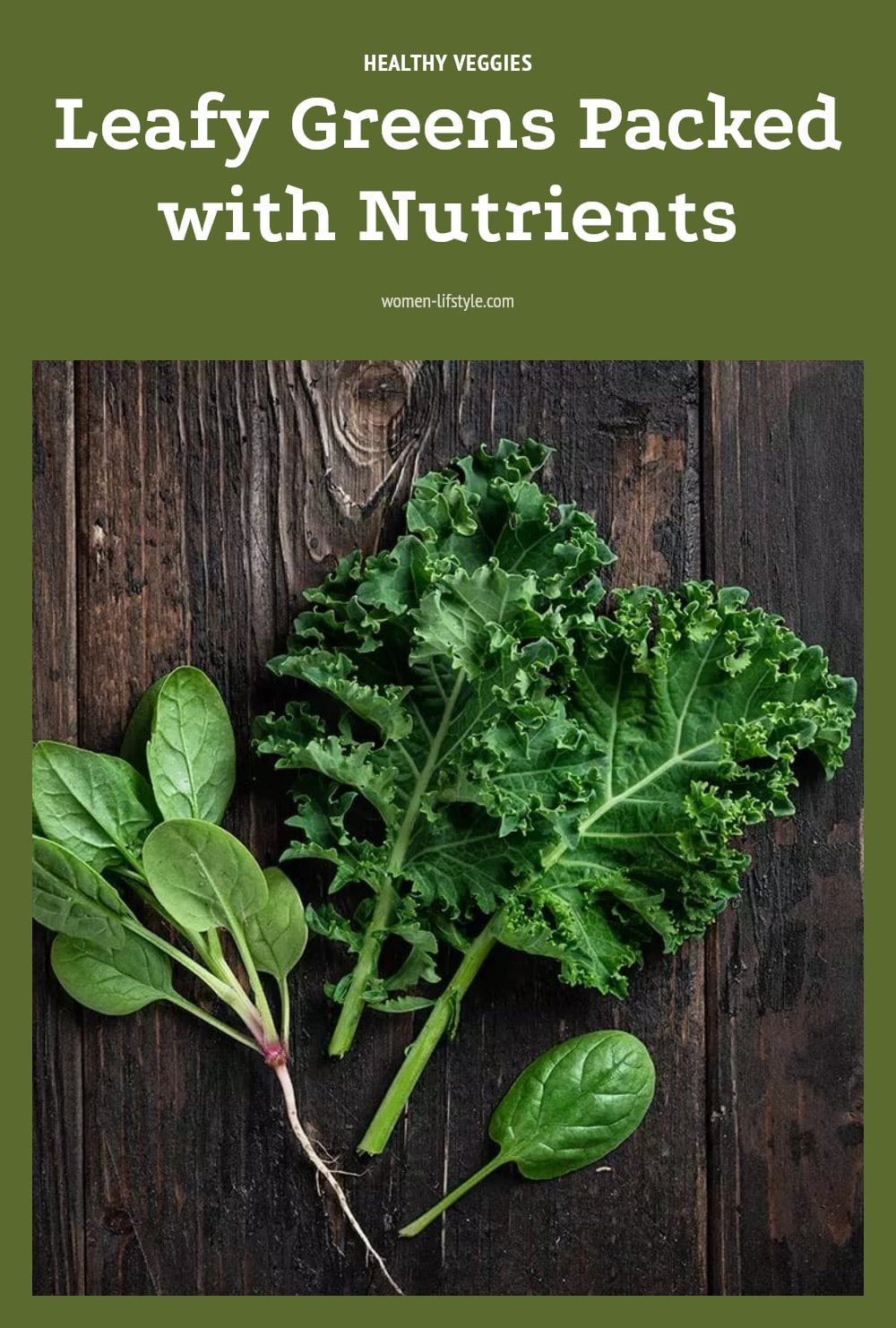
Spinach and kale are two of the most nutrient-dense greens you can add to your diet. While not as high in Vitamin C as red bell peppers, a cup of raw spinach provides about 9 mg, and a cup of raw kale offers around 80 mg. That makes kale a surprisingly strong source, nearly matching the daily recommendation for adult women.
What really sets these greens apart is their overall nutrient package. They are loaded with Vitamin K, Vitamin A, iron, and fiber, all in a low-calorie leaf. I usually toss a handful into my morning smoothie or use them as a base for salads. Tip: massaging kale with a little olive oil and lemon juice softens the leaves and makes them easier to eat raw, while the lemon adds a Vitamin C boost that also helps absorb the iron from the greens.
10. Grapefruit
Half a medium grapefruit provides about 38 mg of Vitamin C, plus a good dose of fiber and hydration. That makes it a refreshing and tangy option to kickstart your day.
- Tip: Sprinkle a little salt or a drizzle of honey to balance the tartness if it’s too sour for you.
- Good to know: The white pith also contains fiber and some Vitamin C, so try to eat a bit of it along with the segments.
11. Lemons and Limes
Though you don’t typically eat a whole lemon or lime, their juice packs a Vitamin C punch. The juice of one lemon offers about 30 mg, and a lime around 19 mg. My tip: Squeeze either over salads, into water, or onto cooked vegetables. That simple addition boosts your Vitamin C intake and helps your body absorb more iron from plant-based foods like spinach or beans.
Common Vitamin C Mistakes to Avoid
Believing Vitamin C Cures Colds: Many people reach for Vitamin C at the first sniffle, but it won’t cure a cold. It may shorten the duration or reduce severity, but prevention and overall immune support matter more.
Overcooking Vegetables: Heat, especially prolonged boiling, destroys Vitamin C. To keep more of it, eat vegetables raw, lightly steamed, or quickly stir-fried.
Relying Only on Supplements: Whole foods provide a synergy of nutrients that supplements can’t fully replicate. Prioritize a diverse diet with fruits and vegetables rather than just a pill.
Assuming Only Citrus Has Vitamin C: Oranges and grapefruit are great, but red bell peppers, strawberries, kiwi, broccoli, and kale often pack just as much or more. Diversify your intake.
Frequently Asked Questions
Can Vitamin C prevent colds?
Vitamin C cannot prevent or cure the common cold. However, regular intake may help shorten the duration or reduce the severity of symptoms. It is best to get your Vitamin C from a balanced diet rather than relying on it as a cold remedy.
Are Vitamin C supplements better than food sources?
Food sources are generally better because they provide additional nutrients like fiber, antioxidants, and other vitamins that work together. Supplements can help if you have a deficiency or dietary restriction, but whole foods offer more overall benefits.
What are the signs of Vitamin C deficiency?
Signs of deficiency can include fatigue, gum inflammation, joint pain, and poor wound healing. Severe deficiency can lead to scurvy. If you suspect a deficiency, it is important to consult a healthcare professional for proper evaluation and advice.
Does cooking destroy all Vitamin C in food?
No, cooking does not destroy all Vitamin C, but prolonged boiling can significantly reduce the amount. To preserve more Vitamin C, opt for light steaming, microwaving, or eating foods raw. Quick cooking methods help retain the nutrient better than long, high-heat methods.
What foods are highest in Vitamin C?
Red bell peppers top the list with over 190 mg per cup, followed by broccoli (about 81 mg per cup), strawberries (about 89 mg per cup), and kiwi (about 64 mg per fruit). Oranges provide about 70 mg each, and leafy greens like kale offer around 80 mg per cup raw.
Final Thoughts
My main recommendation is to build your meals around a few high-Vitamin C foods each day. Add red bell pepper strips to your lunch salad, snack on a kiwi, or toss strawberries into your morning yogurt. You will see the most benefit from consistent daily intake over weeks and months, not from a single megadose.
Keep it simple, keep it colorful, and let whole foods do the heavy lifting for your health.
This article is for general informational purposes only and is not a substitute for professional medical advice. Always consult a doctor, dietitian, or other qualified health provider with any questions about your health or dietary needs, especially before taking high-dose supplements.
