

If your morning tea or coffee has started tasting a little off, or you notice white flakes floating in your cup, limescale is likely the culprit. That chalky buildup from hard water not only affects flavor but also makes your kettle work harder and take longer to boil. This article covers the most effective, natural way to remove limescale using citric acid, plus alternative methods and simple habits to keep your kettle clean and efficient.
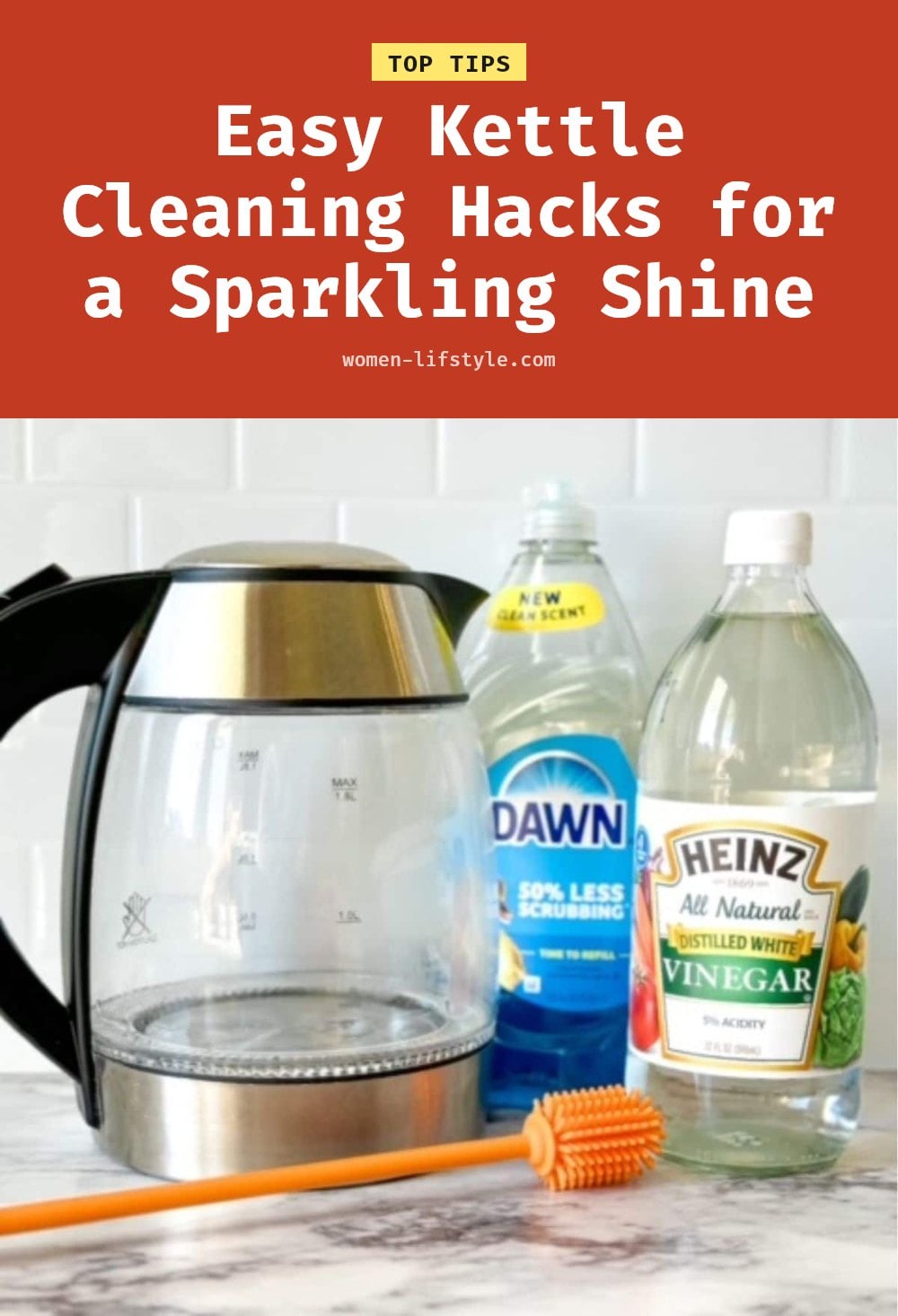
Key Takeaways
- Descale your kettle every 1 to 3 months, or monthly if you have hard water.
- Use food-grade citric acid powder or white vinegar for effective, natural descaling.
- Always rinse thoroughly and boil fresh water at least twice after descaling.
- Never use abrasive scrubbers or harsh chemicals inside your kettle.
- Clean the exterior with a damp cloth and citric acid to remove hard water stains.
The Best Way to Clean Your Kettle
For removing limescale, nothing beats natural acids. Citric acid powder is my top choice because it dissolves mineral buildup quickly without leaving a smell. White vinegar works too. After descaling, rinse the kettle thoroughly and boil fresh water at least twice to remove any leftover taste or odor.
Why Limescale Builds Up in Your Kettle

Why Limescale Builds Up in Your Kettle
Every time you boil hard water, calcium carbonate settles on the heating element and walls. Over time, those white flakes turn into a hard, chalky layer that clings tight.
That buildup does more than look unappealing. It forces your kettle to work harder, which means longer boil times and higher electricity bills. The mineral deposits also change the flavor of your water, making tea or coffee taste flat or metallic.
Regular descaling prevents these problems. A clean kettle heats faster, uses less energy, and lasts longer. In hard-water areas, monthly maintenance is the difference between a kettle that stops working after a year and one that keeps going for five.
Gather Your Kettle Cleaning Supplies

- Food-grade citric acid powder: The star ingredient for effective descaling.
- Cold water: For mixing with citric acid and rinsing.
- Clean sponge or brush: For scrubbing the exterior.
- Heat-safe container and small dish: For preparing the exterior cleaning solution.
- Toothpick: For precise cleaning of grooves.
- Clean, damp cloth: For wiping down the exterior.
Step-by-Step: Deep Cleaning Your Kettle with Citric Acid

- Fill and add citric acid: Fill your kettle to maximum capacity with cold water. Add 2 tablespoons of food-grade citric acid powder.
- Boil the solution: Close the lid and boil the solution for about 5 minutes until the cycle finishes.
- Prepare exterior solution: Carefully pour about 1/4 cup of cold water into a heat-safe container. In a separate small dish, add 3/4 teaspoon of citric acid powder.
- Scrub the exterior: Wearing gloves, dip a clean sponge into the cold water, then press the damp sponge onto the citric acid powder. Scrub the kettle’s exterior, focusing on hard water stains.
- Clean grooves: Use a toothpick to gently scrape off buildup around grooves and edges. Reapply citric acid with the sponge if needed.
- Wipe down: Wipe the kettle’s exterior 2-3 times with a clean, damp cloth. Rinse the cloth between each wipe to remove all citric acid residue.
- Rinse interior: Empty the kettle. Rinse the interior thoroughly a few times, being careful not to submerge the kettle or get water on electrical components.
- Boil fresh water twice: Fill the kettle to maximum capacity with cold water and run a boil cycle. Repeat one more time to remove all traces of citric acid.
If you learn better by watching, this 6-minute video from sensitive skin lifestyle shows every step. The how-to part starts at 1:47.
Alternative Descaling Methods

White Vinegar Method: Fill the kettle with equal parts white vinegar and water. Boil the solution, then let it sit for one hour to dissolve the limescale. After that, empty the kettle, rinse thoroughly, and boil fresh water at least twice to remove the vinegar smell.
Lemon Juice Method: Squeeze the juice of two to three fresh lemons into the kettle and add water to the maximum line. Boil the mixture and let it sit for 30 minutes. Rinse well and boil fresh water twice to eliminate any citrus taste.
Baking Soda for Odors: Baking soda does not remove limescale, but it absorbs odors. Boil a solution of 1 tablespoon of baking soda per cup of water, let it sit for 15 minutes, then rinse thoroughly.
Caution: Always unplug electric kettles before cleaning and never immerse the electrical base in water. Read your kettle’s manual before trying any descaling method.
Common Kettle Cleaning Mistakes to Avoid
Not rinsing enough: After descaling, rinse the interior thoroughly and boil fresh water at least twice. Residual citric acid or vinegar will affect the taste of your next cup.
Using abrasive materials: Scrubbers and harsh chemical cleaners scratch the kettle’s interior and exterior. Stick to a soft sponge or cloth.
Ignoring the filter: If your kettle has a removable filter, clean it separately to remove mineral deposits.
Immersing the base: Never submerge the electrical base of an electric kettle in water. It can cause electric shock and permanent damage.
Leaving residue: Citric acid left on the exterior dries into a sticky film. Wipe it off thoroughly with a damp cloth.
How Often to Clean Your Kettle
Frequency: Descale your kettle monthly or every 1-3 months, depending on your water hardness and how often you use it.
External Cleaning: Wipe down the exterior as needed to remove fingerprints and splashes.
Cost: Cleaning with natural ingredients like white vinegar or citric acid costs only a few cents per cleaning.
Frequently Asked Questions
Can I use lemon juice to clean my kettle?
Yes, lemon juice can be used for descaling, but it is generally less potent than white vinegar or citric acid. You may need to use more or let it sit longer for heavy buildup. It does leave a pleasant citrus scent, which can be a nice alternative if you dislike the smell of vinegar.
Is it safe to drink water from a kettle with limescale?
Drinking water from a kettle with limescale is not considered harmful, as calcium carbonate is not toxic. However, the mineral deposits can affect the taste of your water and beverages. Over time, heavy buildup reduces your kettle’s efficiency and can shorten its lifespan, so regular cleaning is still recommended.
Why does my kettle get limescale?
Limescale forms when hard water, which contains high levels of calcium and magnesium, is heated and evaporated. The minerals settle as a hard, chalky deposit on the heating element and interior walls. If you live in an area with hard water, you will likely see buildup faster than in areas with soft water.
How do I clean a kettle with vinegar?
Fill the kettle with equal parts white vinegar and water, then boil the solution. Let it sit for about one hour to dissolve the limescale. After that, empty the kettle, rinse thoroughly, and boil fresh water at least twice to remove any lingering vinegar taste or smell.
Final Thoughts
For the best results, stick with citric acid powder for a deep clean that leaves no lingering smell. Expect the whole process to take about 30 minutes, including the rinse and boil cycles. Make descaling a regular habit, and your kettle will stay efficient and your drinks will taste clean every time.
