

You already know green tea is good for you, but getting the most out of every cup comes down to a few simple steps. The wrong water temperature or steeping time can turn a delicate brew bitter and reduce its potential benefits. In this article, I’ll walk you through the best brewing methods, when to drink it, and how to avoid common mistakes so you can enjoy both the flavor and the wellness perks.

Key Takeaways
- Brew green tea with water heated to 175-185°F (79-85°C) for 2-3 minutes to avoid bitterness.
- Store green tea in an airtight container away from light, heat, and moisture to preserve freshness.
- Adding a squeeze of lemon may help your body absorb the tea’s antioxidants more effectively.
- Drink green tea between meals if you are concerned about iron absorption.
- Stick to 2-3 cups per day for most adults, and avoid excessive intake if you are sensitive to caffeine.
Brewing Green Tea for Optimal Flavor and Benefits
To get the most out of green tea, start with the water temperature. Heat filtered water to between 175°F and 185°F (79°C to 85°C), boiling water scorches the leaves and ruins the flavor. Steep for 2 to 3 minutes, which is enough time to extract the beneficial catechins without pulling out bitter tannins. My tip: opt for loose leaf tea over bags. You get better quality leaves and full control over how much you use, which makes a noticeable difference in both taste and potential benefits.
Tools and Ingredients for Your Perfect Cup

You don’t need much to brew a great cup, but a few specific tools make it easier to get right every time.
- Loose leaf green tea or quality tea bags: Loose leaf gives you more surface area for better extraction, but good bags work too.
- Teapot or mug with a tea infuser or strainer: Keeps the leaves contained so you can remove them easily when the time is up.
- Water kettle with temperature control: A simple electric kettle with a temperature setting takes the guesswork out of hitting 175-185°F.
- Filtered water: Tap water can contain chlorine or minerals that alter the taste. Filtered water gives you a cleaner, truer flavor.
Step-by-Step: Brewing Your Best Green Tea
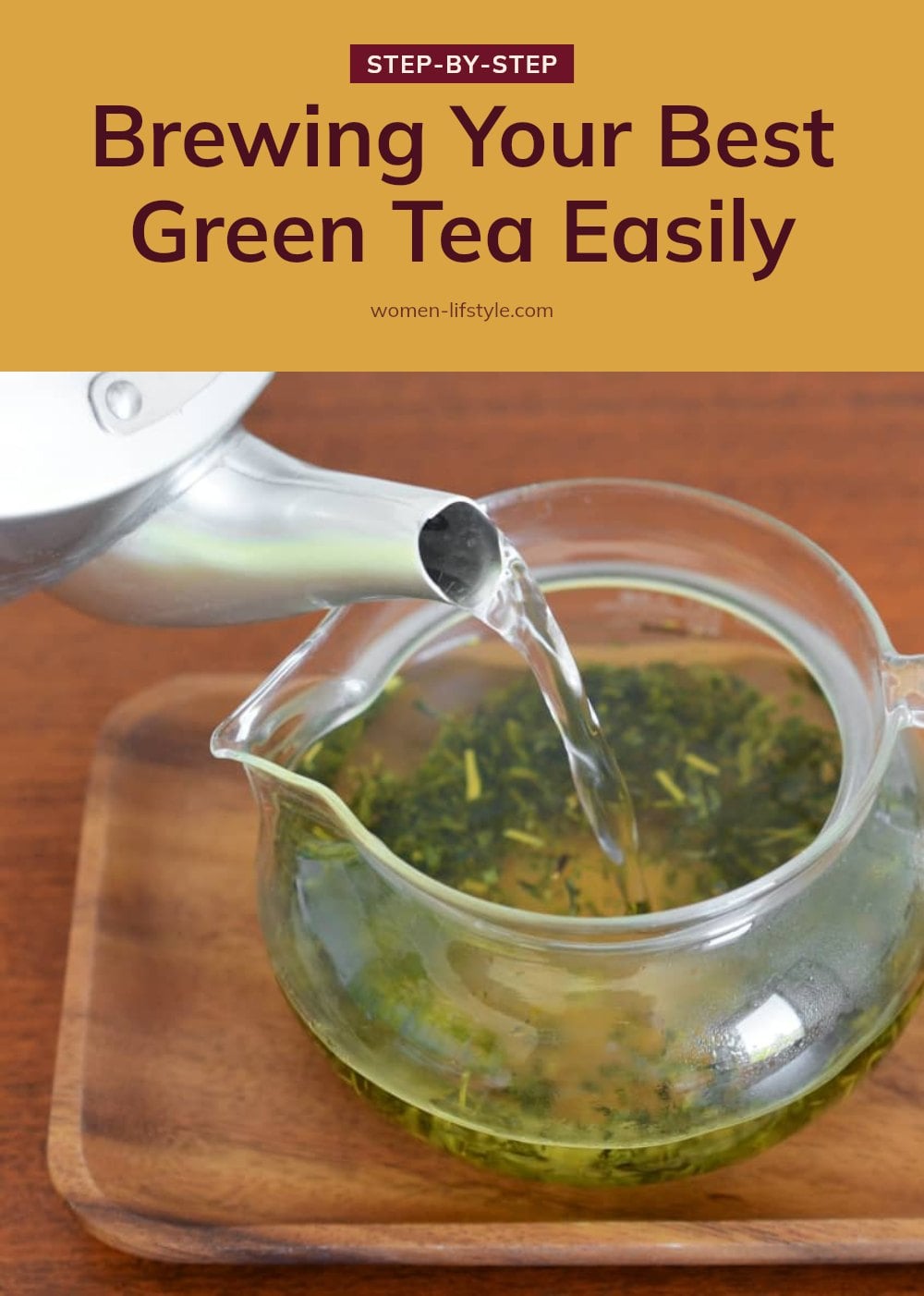
- Choose your green tea type: Different varieties have different needs. Sencha is a common everyday green, Gyokuro is shade-grown and sweeter, and Matcha is a powder you whisk directly into water. Pick one that matches your taste preference.
- Heat filtered water to 175-185°F (79-85°C): If you don’t have a temperature‑controlled kettle, bring water to a boil and let it sit for about a minute before pouring. Pre‑warm your teapot or mug by rinsing it with a little hot water first. This helps maintain the correct steeping temperature.
- Measure 1 teaspoon of tea leaves per 8 ounces of water: A standard mug holds about 8-10 ounces. Adjust the amount if you like a stronger or milder cup, but start with 1 teaspoon as a baseline.
- Steep for 2-3 minutes, adjusting for taste: Set a timer. At 2 minutes the flavor is light and grassy; at 3 minutes it becomes more pronounced. If you prefer a bolder cup, try 3 minutes first. For a delicate green like Gyokuro, stick closer to 2 minutes.
- Remove the tea leaves and enjoy: Pour the tea through a strainer if you used loose leaves, or lift the infuser out. Drink it plain, adding milk can bind to the beneficial compounds and reduce their absorption.
Common Green Tea Brewing Mistakes to Avoid
A few simple mistakes can turn a good cup bitter or reduce the potential benefits. Here is what to avoid.
- Using water that is too hot (above 185°F): Boiling water scorches the leaves, releasing excessive tannins and making the tea taste harsh. Stick to the 175-185°F range.
- Steeping the tea for too long (over 3 minutes): Over‑steeping pulls out more tannins and can make the tea astringent. If you want a stronger cup, add more leaves instead of extending the steep time.
- Adding milk to green tea: Milk proteins can bind to catechins, which may reduce the amount your body absorbs. Drink it plain or with a squeeze of citrus.
- Not storing green tea properly: Exposure to light, heat, air, and moisture makes the leaves lose flavor and potency. Keep your tea in an airtight container in a cool, dark cabinet.
- Ignoring varietal differences in brewing: Not all green teas are the same. A delicate Gyokuro needs cooler water (around 160°F) and a shorter steep, while a robust Bancha can handle the higher end of the range. Check the package for specific instructions.
Maximize Your Green Tea Experience and Benefits

To get more from your cup, try a squeeze of lemon. The vitamin C may help your body absorb catechins more effectively.
Tip: Choose organic green tea if you want to minimize pesticide exposure. Store it in an airtight container away from light, heat, and moisture to keep the leaves fresh and flavorful.
If you are concerned about iron absorption, drink green tea between meals rather than with iron-rich foods. Experiment with different varieties like Sencha, Gyokuro, or Bancha to find the flavor and strength you enjoy most.
Understanding Green Tea’s Unique Compounds

What Makes Green Tea Different
Green tea comes from the same Camellia sinensis plant as black tea but undergoes minimal oxidation. This process preserves high levels of catechins, especially epigallocatechin gallate (EGCG), which are powerful antioxidants.
It also contains L-theanine, an amino acid that promotes relaxation and mental focus without drowsiness. L-theanine works with caffeine to create a calm, alert state many people find preferable to coffee’s jolt.
Matcha is a powdered form where you consume the whole leaf. This gives you a higher concentration of catechins and L-theanine compared to steeped green tea.
When to Drink Green Tea and How Much
You may feel green tea’s effects, like increased alertness or calm focus, within 30 to 60 minutes of drinking it. Long-term benefits require consistent daily consumption over weeks or months.
A common recommendation for most adults is 2 to 3 cups per day. Avoid excessive amounts, especially if you are sensitive to caffeine, as it can cause jitters or sleep disturbances.
Important Safety Considerations and When to Consult a Doctor
Green tea is generally safe, but moderation matters. High caffeine intake can cause jitters, anxiety, and trouble sleeping. Drinking too much on an empty stomach may lead to nausea.
Caution: Green tea can interact with certain medications, including blood thinners and heart medications. If you take these, check with your doctor.
If you have iron deficiency, drink green tea between meals rather than with food. Pregnant or breastfeeding women should consult their healthcare provider about safe amounts.
Frequently Asked Questions
Is it better to drink green tea hot or cold?
Both hot and cold green tea offer similar benefits, but the flavor differs. Hot brewing extracts more antioxidants and gives a fuller taste. Cold brewing (steeping in cold water for several hours) produces a smoother, less bitter cup with slightly lower caffeine. Choose based on your preference.
Can I add honey or sugar to my green tea?
Yes, you can add honey or sugar to sweeten green tea without losing its core benefits. Just keep in mind that adding sugar adds calories, and some research suggests that sugar may slightly reduce antioxidant absorption. A small amount is fine for most people.
How many times can I steep green tea leaves?
High-quality loose-leaf green tea can often be steeped 2 to 3 times. The first steep extracts the most flavor and compounds, while subsequent steeps become milder. Each time, use the same water temperature and steep for slightly longer (add 30 seconds to 1 minute) to get the best taste.
What is the best time of day to drink green tea?
The best time depends on your goals. For a gentle energy boost and calm focus, drink it mid-morning or early afternoon, avoiding late afternoon if you are sensitive to caffeine. Drinking it between meals (rather than with iron-rich foods) can help prevent iron absorption issues.
Does green tea help with weight loss?
Some research suggests that the catechins and caffeine in green tea may slightly boost metabolism and fat burning, but the effect is modest. It is not a weight loss solution on its own. Drinking green tea as part of a balanced diet and active lifestyle may offer a small edge over time.
Final Thoughts
My tip: Start with a quality loose-leaf Sencha or a bagged green tea you enjoy, and follow the temperature and timing guidelines exactly. You’ll notice a smoother, more flavorful cup right away. For long-term benefits like antioxidant support, aim for 2 to 3 cups daily over several weeks. A small adjustment in your brewing routine can make a big difference.
This article is for general informational purposes only and does not constitute medical advice. Green tea may interact with certain medications or affect conditions like iron deficiency. If you have a health concern, are pregnant or nursing, or take prescription medications, consult your doctor or a qualified healthcare professional before making changes to your diet.
