

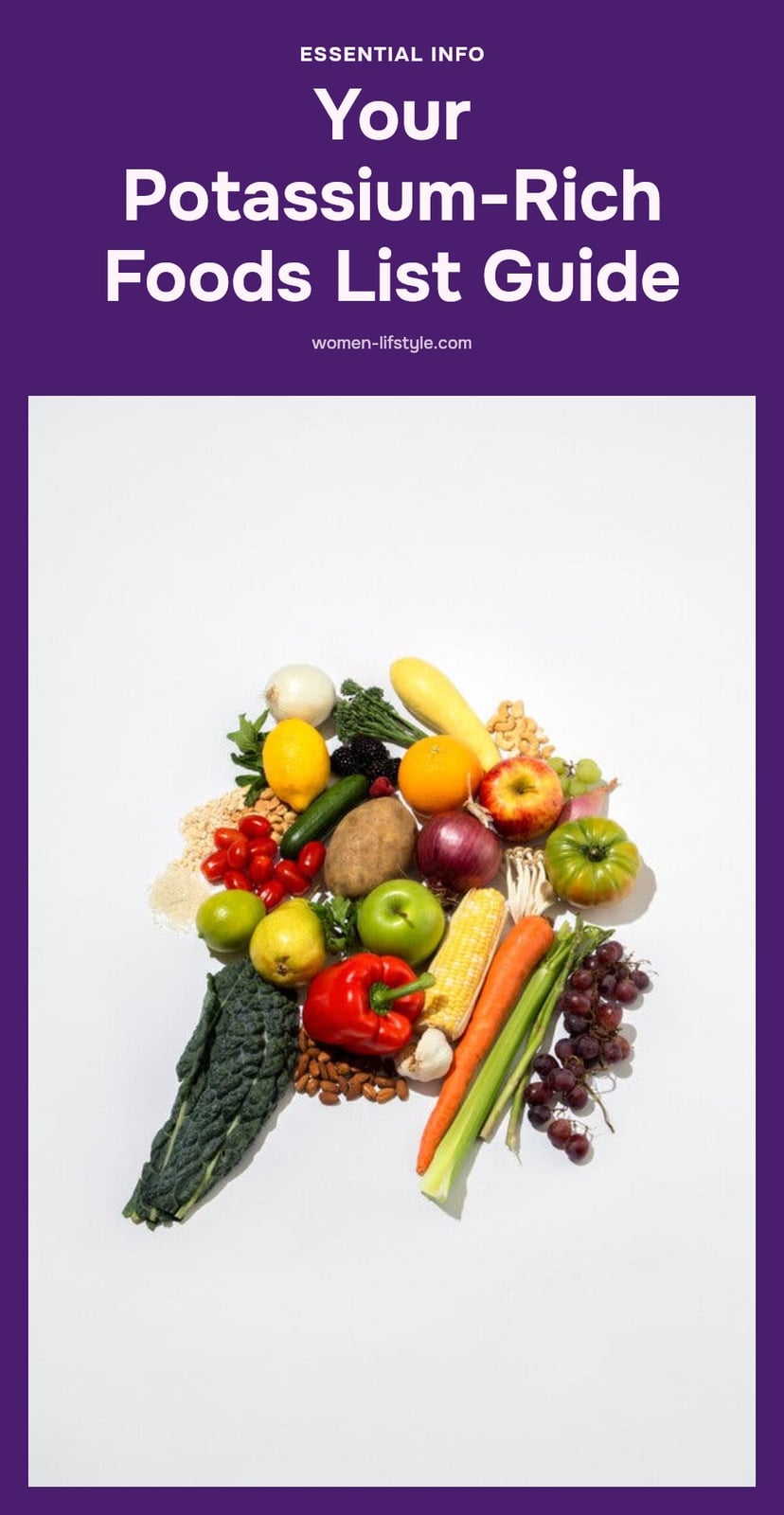
You already know potassium is important, but you might be stuck on the same few foods to get it. The truth is, plenty of everyday fruits, vegetables, and legumes pack more potassium than a banana, and they’re easy to work into your meals. This article covers the best potassium-rich foods, how to keep that potassium in your cooking, and the common mistakes to skip so you can boost your intake naturally.
Key Takeaways
- Potassium supports fluid balance, nerve signals, and muscle contractions.
- Women need about 2,600 mg daily; men need about 3,400 mg.
- Leafy greens, avocados, potatoes, and legumes often contain more potassium than bananas.
- Boiling can reduce potassium content; baking or roasting may retain more.
- Always consult a doctor before taking potassium supplements, especially if you have kidney issues.
What Are Potassium-Rich Foods?
Potassium-rich foods are mostly whole, unprocessed fruits, vegetables, legumes, and certain dairy products that supply this essential electrolyte. Instead of relying on a single food or supplement, aim to include a variety of these natural sources in your daily meals. Doing so helps you meet the recommended intake, around 2,600 mg for women and 3,400 mg for men, while supporting fluid balance, nerve signals, and muscle function.
Why Potassium Matters for Your Body
Why Potassium Matters for Your Body
Potassium is a vital electrolyte that keeps your cells working properly. It helps maintain fluid balance and supports healthy blood pressure levels by counteracting the effects of sodium. This mineral also plays a key role in nerve signals and muscle contractions, including the steady beat of your heart. Getting enough potassium from food each day helps these systems run smoothly, which is why it’s worth paying attention to your intake.
1. Fruits Packed with Potassium
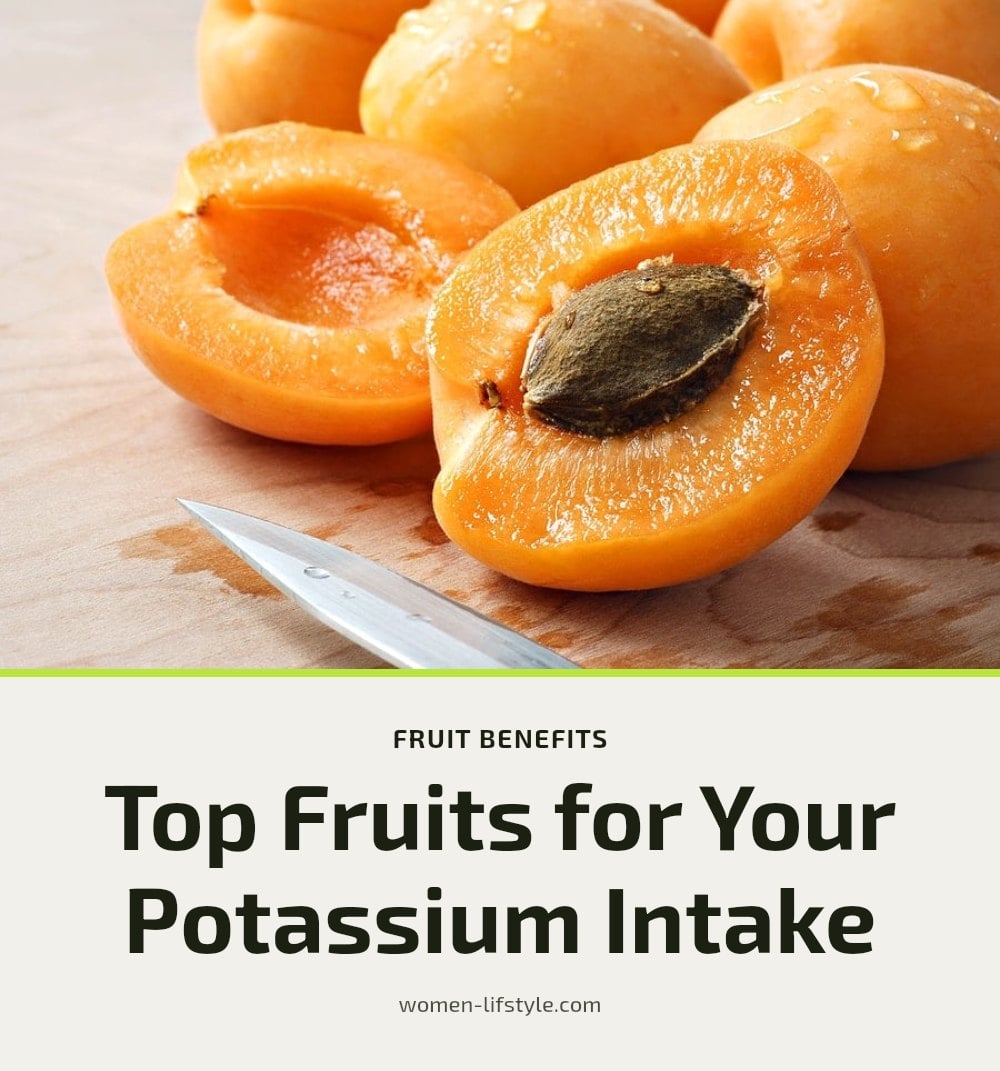
When you think of potassium, bananas probably come to mind, but many other fruits deliver even more per serving. Avocados are a standout, with more potassium than a banana. Oranges and other citrus fruits add a good amount too. For a concentrated option, dried apricots make a convenient snack. Cantaloupe and honeydew melons offer potassium plus hydration, perfect for warmer days.
2. Vegetables That Are Potassium Powerhouses
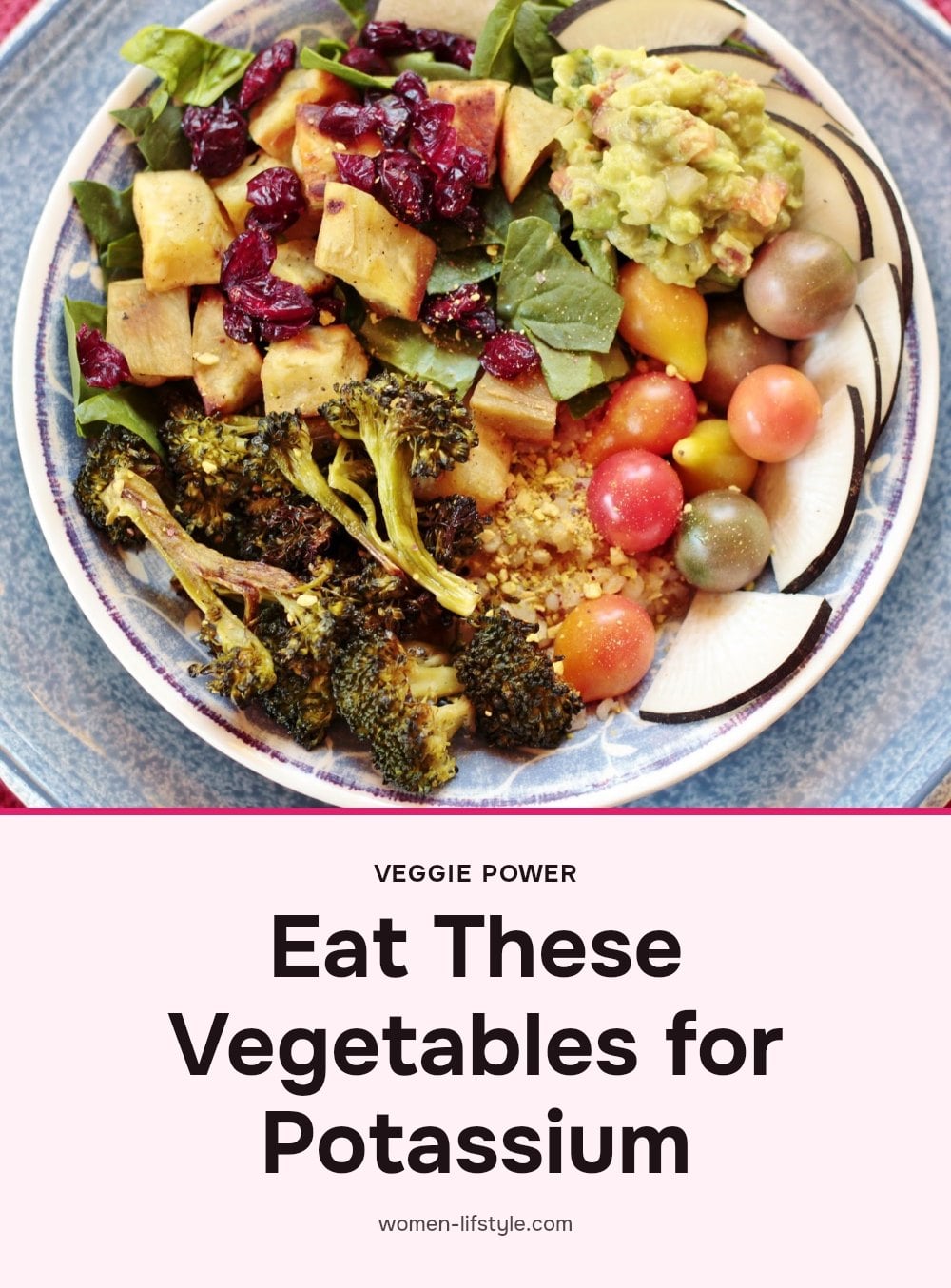
Leafy greens like spinach and Swiss chard are some of the best vegetable sources of potassium. A single cup of cooked spinach provides about 840 mg, which is more than a large banana. I usually add a handful to smoothies or sauté it as a side dish.
Potatoes and sweet potatoes are also significant contributors, especially when you eat the skins. A medium baked potato with skin gives you roughly 900 mg of potassium. Sweet potatoes are slightly lower but still excellent, offering around 540 mg per medium potato.
Broccoli and tomatoes round out the list nicely. One cup of cooked broccoli has about 460 mg, and a medium tomato provides roughly 290 mg. Roasting or baking these vegetables helps retain more potassium than boiling, so I prefer to roast them with a little olive oil.
3. Legumes and Other Sources of Potassium
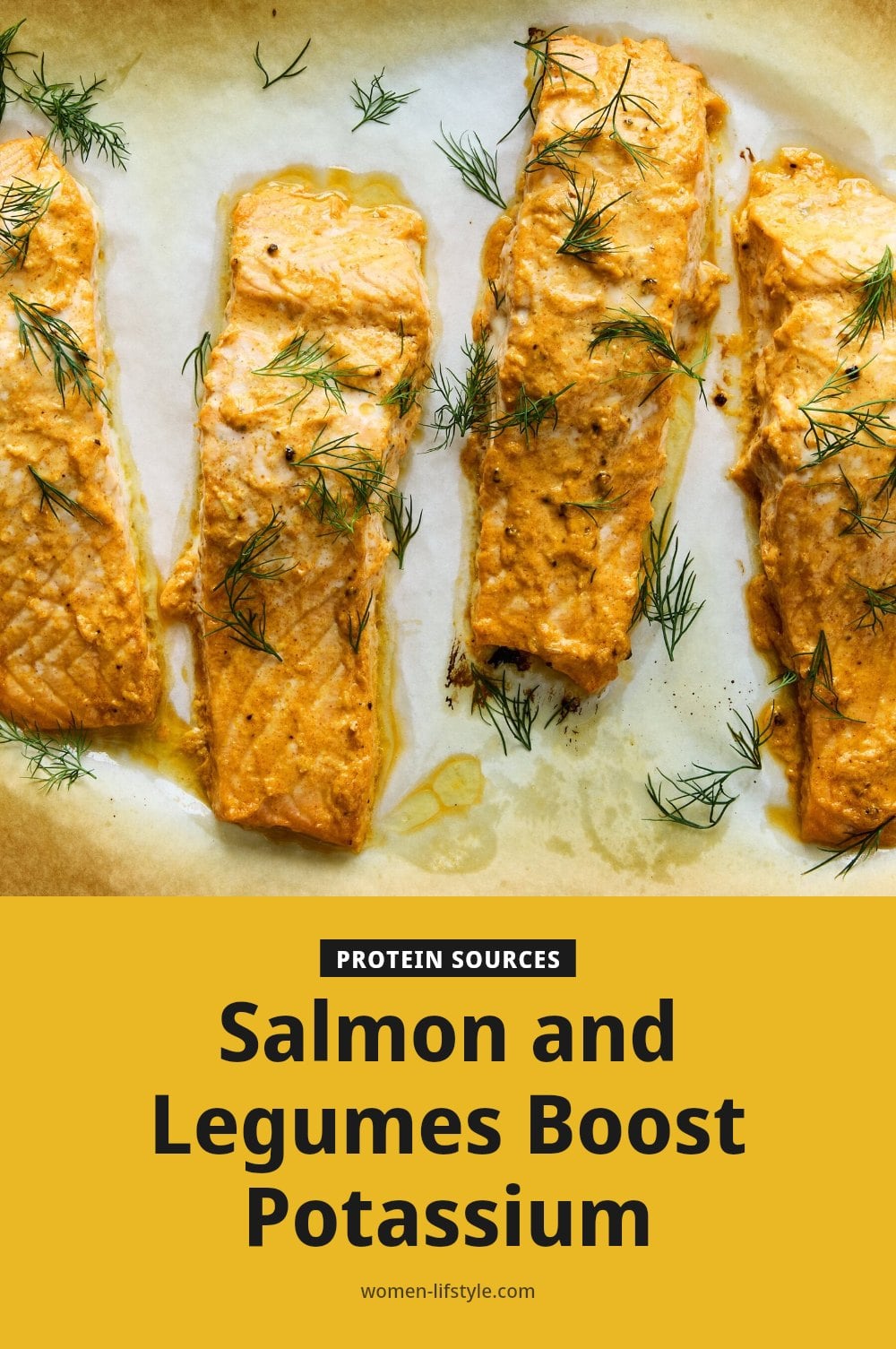
Legumes are a powerhouse you might be overlooking. Black beans, kidney beans, lentils, and chickpeas all deliver a solid dose of potassium along with fiber and protein. I usually toss a handful into salads or soups for an easy boost.
Dairy products like milk and yogurt also contribute. A single cup of plain yogurt can provide around 350-400 mg of potassium. Some fish, including salmon and tuna, offer potassium plus healthy omega-3 fats. Adding a variety of these to your weekly rotation makes hitting your target much simpler.
Maximizing Potassium in Your Meals
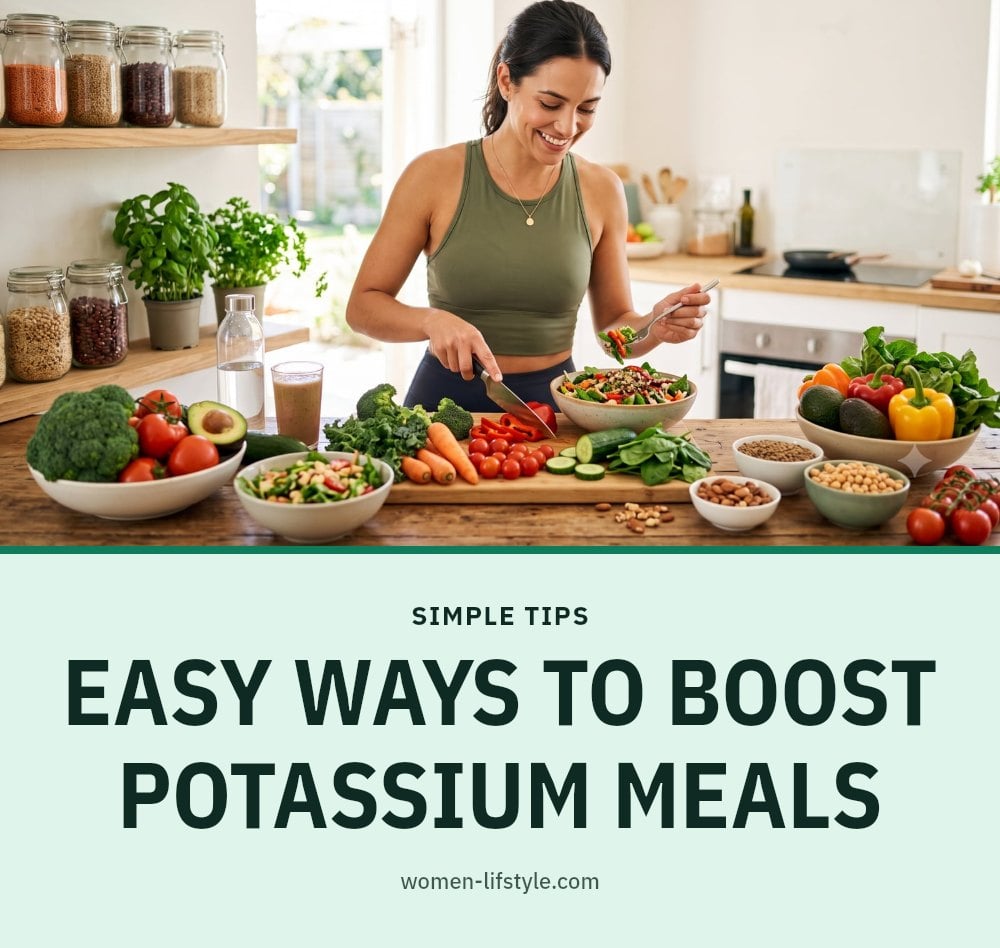
Eat a variety: Don’t rely on just one or two foods. Aim for a diverse mix of fruits, vegetables, and legumes each day to cover your potassium needs and other nutrients.
Choose whole foods: Opt for unprocessed options. Processing often strips potassium, so a baked potato beats potato chips every time.
Smart cooking: Baking or roasting vegetables helps retain more potassium compared to boiling, which can leach minerals into the water. If you do boil, use the cooking liquid in soups or sauces.
Read labels: Check nutrition labels on packaged foods like soups, sauces, and canned goods. Some are surprisingly high in potassium, while others have very little.
Common Potassium Pitfalls to Avoid
Banana obsession: Bananas are fine, but they aren’t the top source. Avocados, spinach, and potatoes all offer more potassium per serving.
Ignoring legumes: Skipping beans and lentils means missing out on a major potassium source plus fiber and protein. Add them to meals a few times a week.
Supplementing without advice: Never take potassium supplements without consulting a doctor. Too much can be dangerous, especially for those with kidney issues or on certain medications.
Underestimating cooking: Boiling vegetables can reduce their potassium content. Choose steaming, roasting, or baking to preserve more of the mineral.
When to Talk to a Doctor or Dietitian
Always talk to a healthcare professional or registered dietitian before making significant dietary changes, especially if you have underlying health conditions. If you have kidney disease or take medications like ACE inhibitors or diuretics, your potassium intake needs careful monitoring by a doctor. Seek medical advice if you experience symptoms such as muscle weakness, fatigue, or heart rhythm problems, which may indicate imbalanced potassium levels. Never self-diagnose or supplement without professional guidance.
Frequently Asked Questions
Are bananas the best source of potassium?
No, bananas are not the best source. Avocados, cooked spinach, potatoes, and dried apricots all provide more potassium per serving. Bananas are a fine option, but they shouldn’t be your only one.
Can cooking reduce the potassium in foods?
Yes, cooking methods affect potassium content. Boiling vegetables can cause potassium to leach into the water, so you lose some. Baking or roasting tends to retain more potassium.
How much potassium do I need daily?
For adults, the recommended daily intake is about 2,600 mg for women and 3,400 mg for men. Your individual needs may vary based on health conditions and medications, so it’s best to check with a healthcare professional.
What are the signs of low potassium?
Low potassium, or hypokalemia, can cause muscle weakness, fatigue, cramps, and sometimes heart palpitations. If you experience these symptoms, see a doctor for proper testing and guidance.
Can I get too much potassium from food?
It’s very rare to get too much potassium from food alone in healthy individuals. However, people with kidney disease or those on certain medications may be at risk for hyperkalemia, which can be dangerous. Always consult your doctor if you have concerns.
Final Thoughts
My tip: aim for at least one potassium-rich fruit or vegetable at every meal, and rotate your choices to keep it interesting. Realistically, you can meet your daily needs with a balanced diet of whole foods without ever touching a supplement. Stick with variety, check labels on packaged items, and let your meals do the work for your health.
This article is for informational purposes only and is not a substitute for professional medical advice. Always consult your doctor or a registered dietitian before making significant dietary changes, especially if you have a medical condition or take medications.
