

Rust can show up on your favorite tools, kitchen knives, or even a beloved piece of furniture, and it always feels like it’s there to stay. But the truth is, you probably have everything you need to banish it already sitting in your pantry. This article walks you through the simplest, most effective methods for removing rust from common household items, using ingredients like vinegar, lemon juice, and baking soda, plus the steps you need to take afterward so it doesn’t come back.
Key Takeaways
- White vinegar soaks work best for removing moderate rust from metal tools and small items.
- For fabric rust stains, use a paste of lemon juice and salt, then rinse thoroughly.
- Always test any rust removal method on an inconspicuous area first to avoid surface damage.
- After removing rust, rinse, dry completely, and apply a protective oil or wax to prevent re-rusting.
The Easiest Ways to Tackle Rust at Home
Rust is iron oxide, a chemical reaction that happens when iron or steel meets oxygen and moisture. The good news is you already have the tools to fight it. Acidic substances like white vinegar and lemon juice dissolve rust on contact. Baking soda works as a mild abrasive to scrub away light surface rust without damaging the metal underneath. My tip: Always test any method on a hidden spot first. Some surfaces react differently to acids, and you want to catch any damage before it spreads.
Gather Your Rust-Busting Arsenal
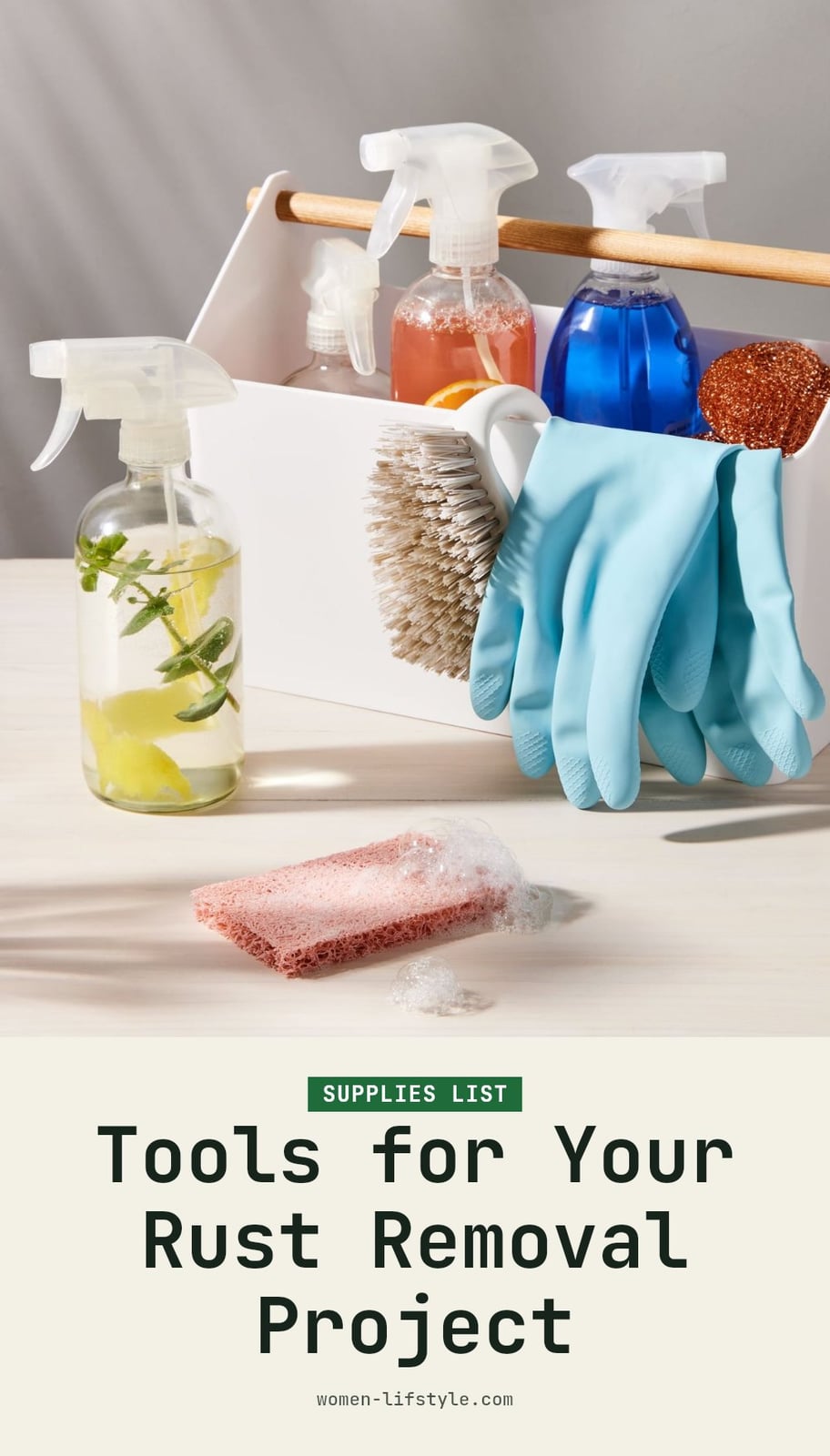
Before you start, gather these household items and tools. Most are probably in your kitchen or garage right now.
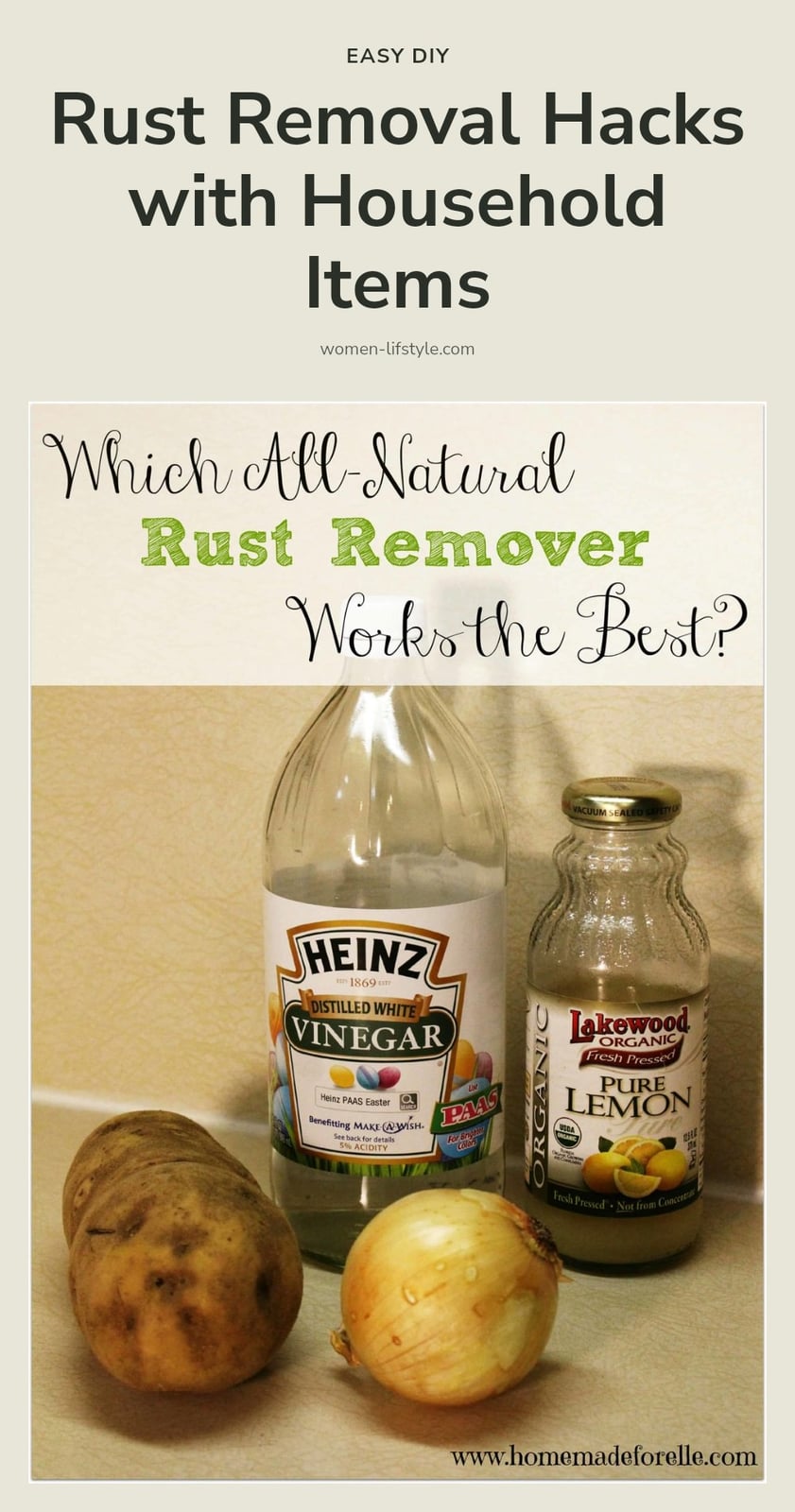
- White vinegar: Best for soaking tools and general rust removal on metal.
- Lemon juice and salt: A paste that lifts rust stains from fabric and light metal.
- Baking soda: Mix with water into a gentle abrasive paste for mild rust.
- Potatoes and salt: The oxalic acid in potatoes helps break down rust naturally.
- Cola: Its phosphoric acid content can dissolve rust on metal parts.
- Steel wool or wire brush: For physically scrubbing stubborn rust spots.
- Protective gear: Gloves and safety glasses keep your skin and eyes safe from acids and abrasives.
Effective Methods for Removing Rust from Various Surfaces
White Vinegar Soak for Tools and Small Metal Items
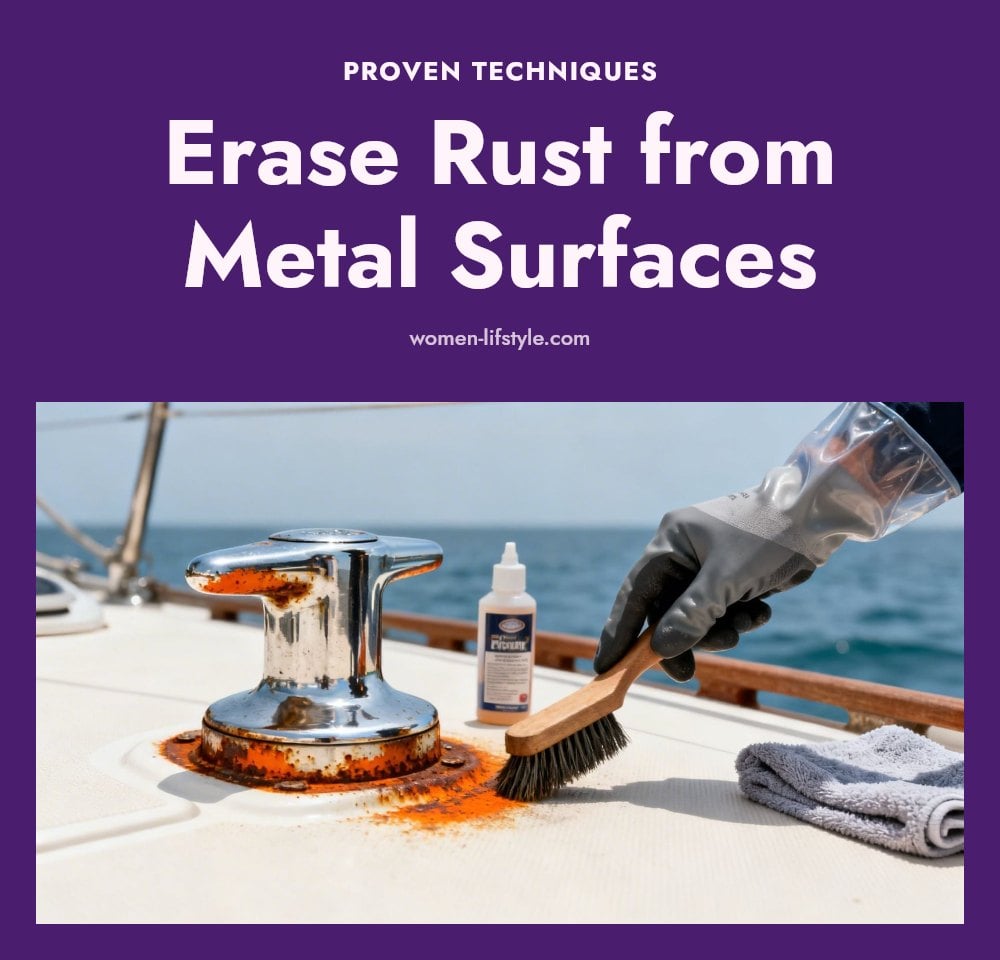
Submerge the rusty tool or metal part in white vinegar. Let it soak for several hours or overnight for moderate rust. Check every few hours to see if the rust has softened. Tip: After soaking, scrub with a brush or steel wool to remove the loosened rust. Rinse thoroughly with water and dry completely to prevent flash rust.
Lemon Juice and Salt Paste for Fabric and Light Rust
Sprinkle salt directly onto the rust stain on fabric, then squeeze fresh lemon juice over it. Let the paste sit for 15-20 minutes. Rub the area gently with a cloth or soft brush. Caution: Test on a hidden part of the fabric first, as lemon juice can lighten some dyes. Rinse with cold water and wash as usual.
Baking Soda Paste for Mild Surface Rust
Mix baking soda with a little water to form a thick paste. Apply it to the rusted area and let it sit for 15-20 minutes. Scrub with a soft brush or cloth in circular motions. Rinse and dry. This method works best on light, surface-level rust on metal or painted surfaces.
Potato and Salt for a Natural Approach
Cut a potato in half and sprinkle salt on the cut side. Rub the salted potato directly onto the rust stain. The oxalic acid in the potato reacts with the rust while the salt acts as an abrasive. Rinse and dry after a few minutes. This is a gentle method for small spots on metal or fabric.
Cola for Dissolving Rust on Metal Parts
Pour cola into a container and submerge the rusty metal item, or soak a cloth in cola and wrap it around the rusted area. Let it sit for 1-2 hours. The phosphoric acid in cola breaks down rust. Scrub with a brush, rinse, and dry thoroughly. Pro move: Use a crumpled piece of aluminum foil dipped in cola to scrub without scratching the metal.
Physical Abrasion with Steel Wool for Stubborn Rust
For thick rust that won’t budge, use fine-grade steel wool or a wire brush. Rub in the direction of the metal grain to avoid deep scratches. Caution: Steel wool can scratch painted or polished surfaces. Test on a small area first. Always wear gloves to protect your hands from metal shards.
Commercial Rust Removers for Heavy-Duty Rust
If household methods fail, commercial rust removers contain stronger acids and chelating agents designed for stubborn rust. Follow the product instructions exactly. Tip: Work in a well-ventilated area and wear gloves and safety glasses. These products can damage some surfaces, so test on an inconspicuous spot first.
Common Rust Removal Mistakes to Avoid
Even the best method can backfire if you make these common mistakes. Avoid them to keep your items safe and get the rust off cleanly.
- Using too much force: Scrubbing aggressively with steel wool or a wire brush can scratch the underlying metal or surface. Use gentle pressure and let the chemical do the work.
- Not allowing enough contact time: Rust removers need time to penetrate and dissolve rust. Rushing the process leaves rust behind. Let vinegar or paste sit for the full recommended time.
- Failing to rinse and dry properly: Leftover acid or moisture causes flash rust, which appears within hours. Rinse thoroughly with water and dry immediately with a clean cloth.
- Using a method too harsh for the material: Steel wool on a painted surface or lemon juice on natural stone can cause permanent damage. Always match the method to the material.
- Not wearing protective gear: Acids and abrasives can irritate skin and eyes. Gloves and safety glasses are quick to put on and prevent injuries.
After Rust Removal: Cleaning and Protecting Your Items
Rinse every item thoroughly with water after rust removal to neutralize any leftover acid. Even a trace of vinegar or lemon juice can eat into the surface if left on. Dry the piece completely with a clean cloth or let it air-dry in a warm spot, moisture is what causes flash rust within minutes.
Tip: Once dry, apply a thin layer of mineral oil, WD-40, or paste wax to metal tools and parts. For items like cast-iron pans, rub on a food-safe oil. For outdoor furniture, a coat of car wax or a rust-inhibiting spray works well. The barrier keeps oxygen and moisture away from the metal.
How to Prevent Rust from Forming in the Future
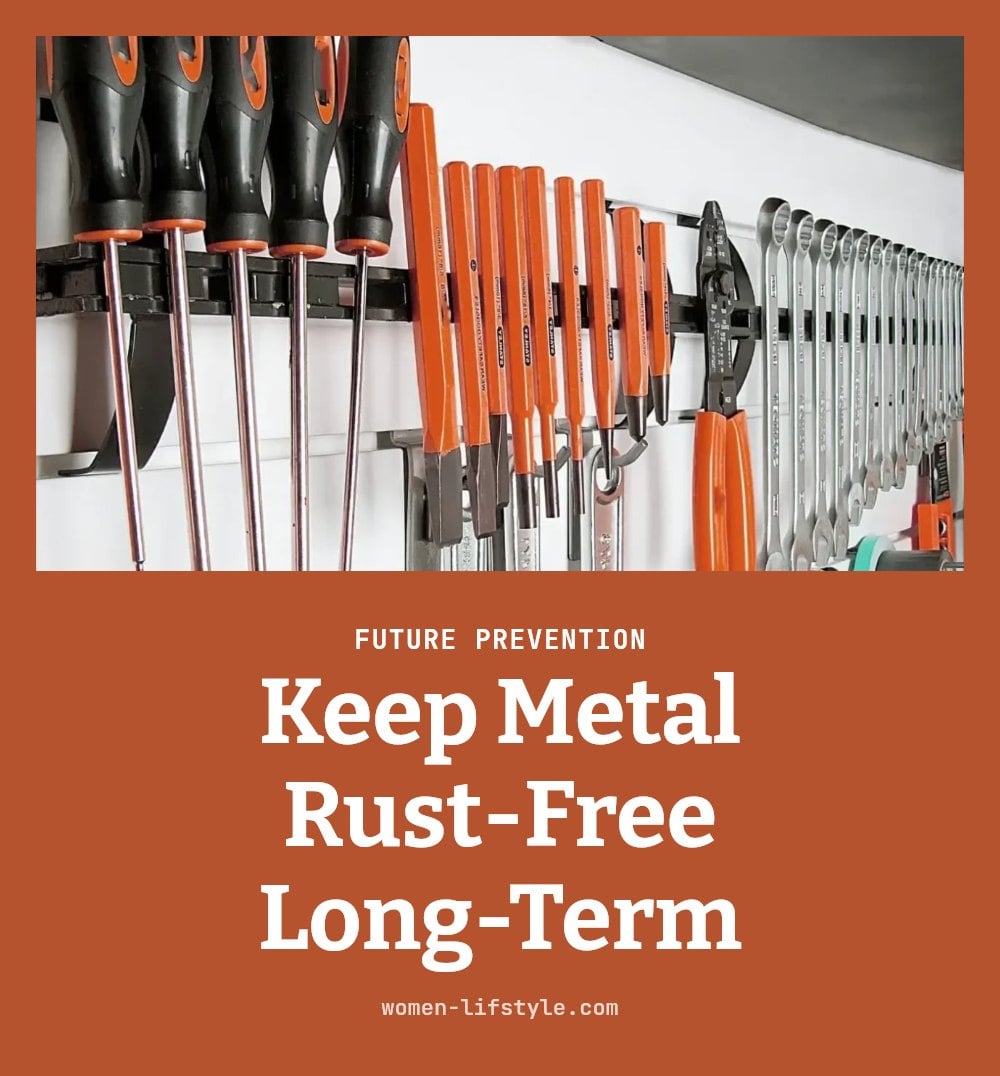
Keep metal items dry and store them in a low-humidity area. A dehumidifier in the garage or basement helps, and silica gel packs in toolboxes absorb extra moisture. Apply a thin layer of oil or wax to susceptible tools and surfaces after each use. A quick wipe with an oily rag is enough.
For outdoor metal like gates or railings, use a rust-inhibiting primer and paint. Inspect items regularly, catch rust early with a quick scrub before it spreads.
- Store smart: Keep tools off concrete floors (moisture seeps up) and in dry cabinets or on pegboards.
- Oil regularly: A light coat of machine oil on moving parts and blades prevents rust from forming.
- Paint or seal: Apply a rust-inhibiting paint or clear sealant to outdoor metal surfaces every year or two.
Frequently Asked Questions
What is the fastest way to remove rust?
For light surface rust on metal, a commercial rust remover with stronger acids can work in minutes. Among household options, a paste of baking soda and water scrubbed with a non-abrasive pad is one of the quickest, though it may not handle heavier rust as well.
Can rust removers damage surfaces?
Yes, especially if left on too long or used on delicate surfaces like natural stone, painted items, or certain metals. Always test on an inconspicuous area first and check the item regularly while the solution is applied to avoid etching or discoloration.
How do I remove rust from clothes?
Make a paste of lemon juice and salt, apply it to the rust stain, and let it sit for 15-20 minutes. Rinse with cold water and wash as usual. For stubborn stains, repeat the process or use a commercial rust remover safe for fabric.
Is it safe to use Coca-Cola to remove rust?
Cola contains phosphoric acid, which can dissolve light rust, making it a safe option for many metal items. Soak the rusty object in cola for a few hours, then scrub and rinse. It is not the fastest method, but it is effective for small jobs.
What is the best rust remover for tools?
For most tools, a white vinegar soak is the best household choice. Submerge the tool for several hours or overnight, then scrub with a non-abrasive pad. For heavily rusted tools, a commercial rust remover may be needed, but always follow the product instructions and wear gloves.
How can I prevent rust from coming back on metal items?
After cleaning and drying the item completely, apply a thin layer of oil, wax, or a rust-inhibiting spray. Store metal items in a low-humidity area, and consider using silica gel packs in toolboxes to absorb moisture. Regular maintenance is key.
Final Thoughts
For most light to moderate rust on metal items, a white vinegar soak is the simplest and most reliable method to start with. Expect to let it work for several hours or overnight, and check it regularly. Once the rust is gone, a quick rinse and a thin coat of oil or wax will keep your item protected for months. You have the tools to handle it right now.
This information is for general informational purposes only and is not a substitute for professional advice. Always test any rust removal method on a small, hidden area first, and wear gloves and eye protection when working with chemicals. If rust is extensive or on a structural item, consult a professional for assessment.
