

If your hair feels dry, brittle, or just lacks its former shine, you’re likely dealing with some level of damage. The good news is that with a few smart changes, you can bring back softness and reduce breakage without a complete overhaul. This article breaks down why damage happens, what tools and products actually help, and a step-by-step routine to revive your strands for good.
Key Takeaways
- Use a sulfate-free shampoo and focus it on your scalp, not the lengths.
- Apply coconut oil one hour before washing to protect against water damage and protein loss.
- Micro-plop with a microfiber towel after washing to reduce friction and frizz.
- Trim split ends every 6 to 8 weeks to prevent them from traveling up the hair shaft.
- Limit heat styling and always use a heat protectant spray before any hot tool.
The Best Way to Remedy Damaged Hair
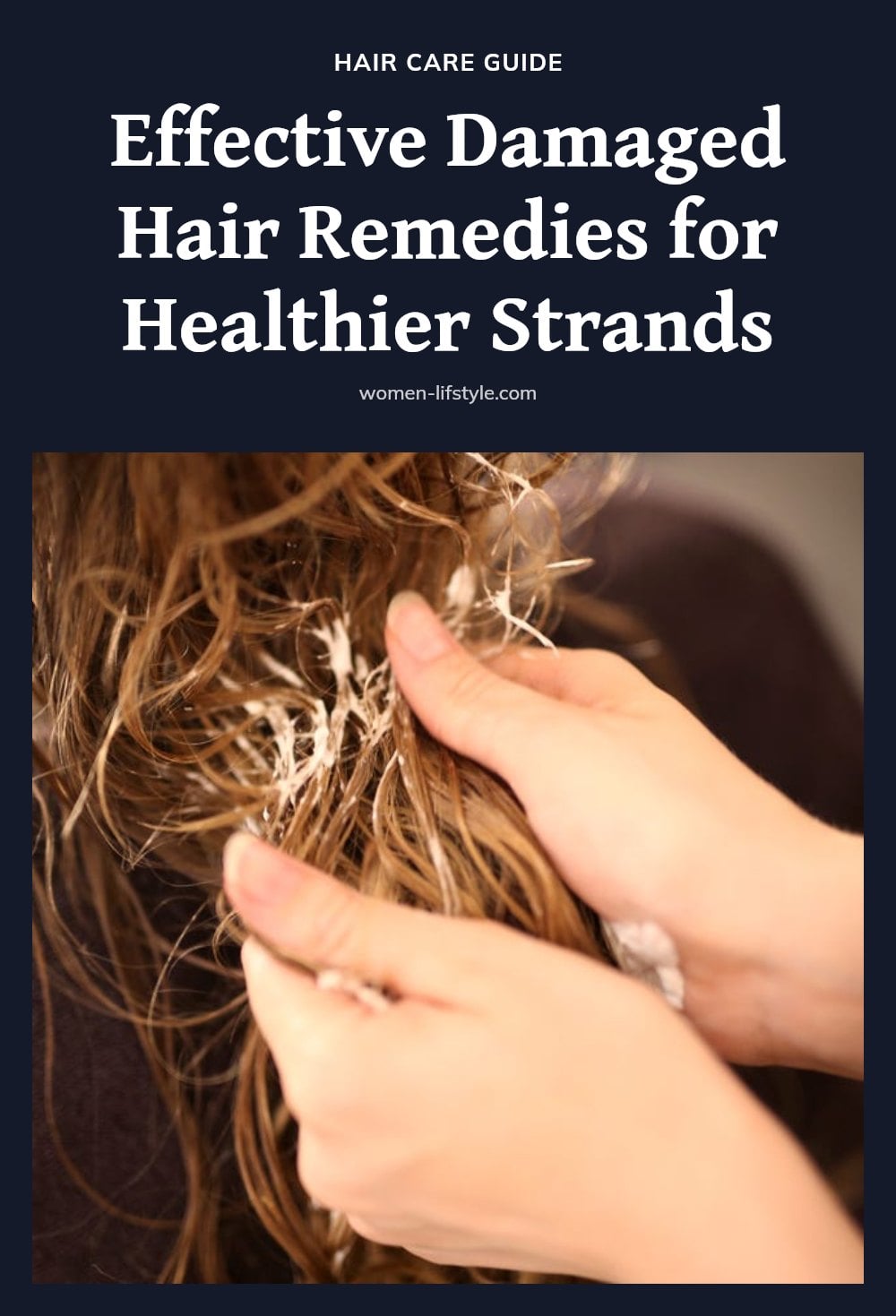
The best way to remedy damaged hair is to adopt a consistent, gentle routine that prioritizes hydration, protection, and minimizing further stress. While you cannot truly ‘repair’ hair in the sense of making it new again, you can significantly improve its appearance and prevent future damage. The key is to use nourishing products, protect your hair from heat and environmental factors, and maintain a healthy diet.
Why Your Hair Gets Damaged
Why Your Hair Gets Damaged
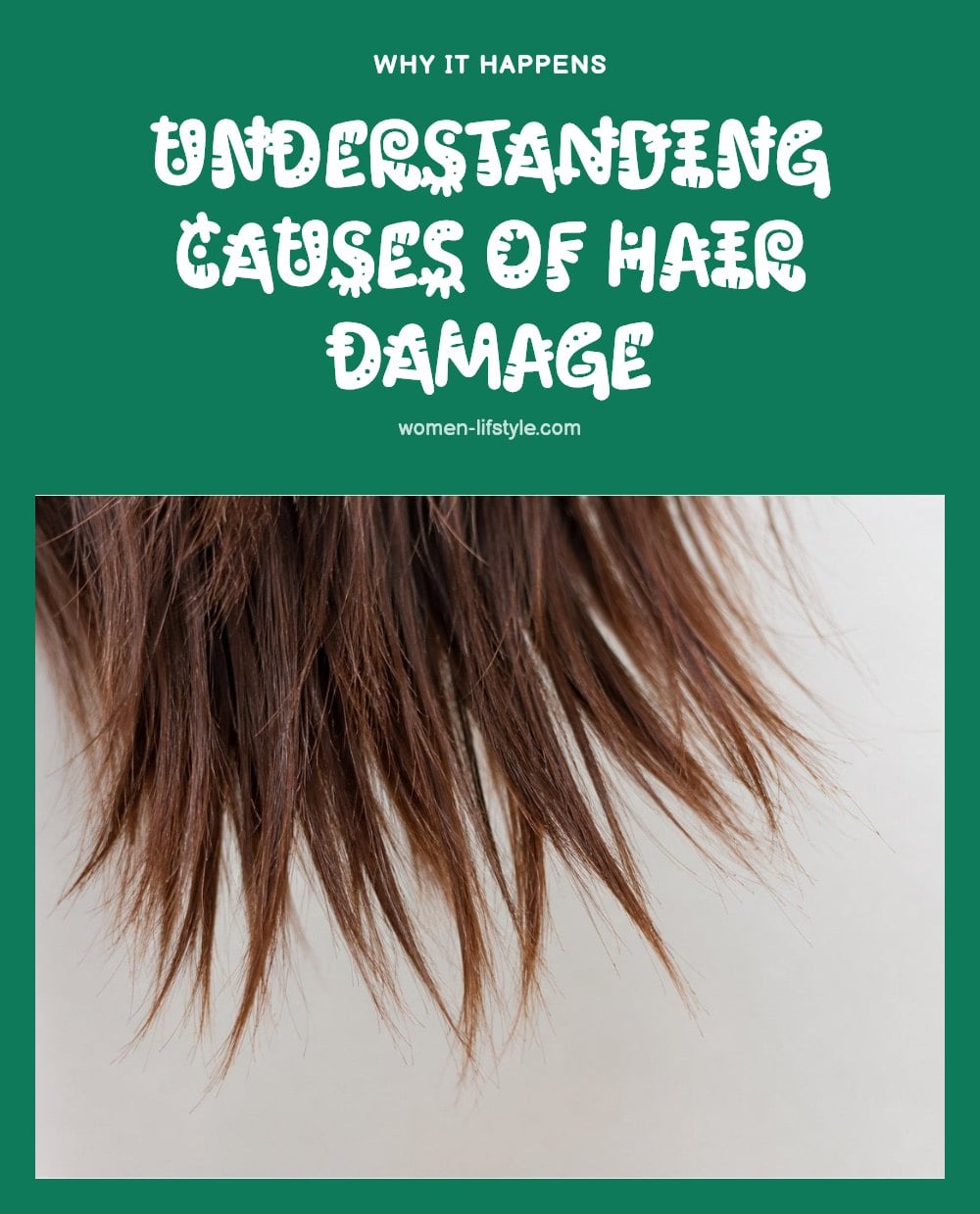
Hair damage shows up as split ends, frizz, breakage, dullness, and a rough texture. This happens because the hair’s keratin protein bonds become weakened. Common culprits include heat styling, chemical treatments, mechanical stress from brushing, and environmental factors like UV radiation. Damage breaks down the hair’s protein structure, making it weaker and more vulnerable.
- Heat styling: Flat irons, curling irons, and blow dryers can break down protein bonds.
- Chemical treatments: Coloring, perms, and relaxers weaken the hair shaft.
- Mechanical stress: Vigorous brushing or tight hairstyles cause breakage.
- Environmental factors: UV radiation, chlorine, and saltwater strip moisture.
Essential Tools and Products for Hair Repair
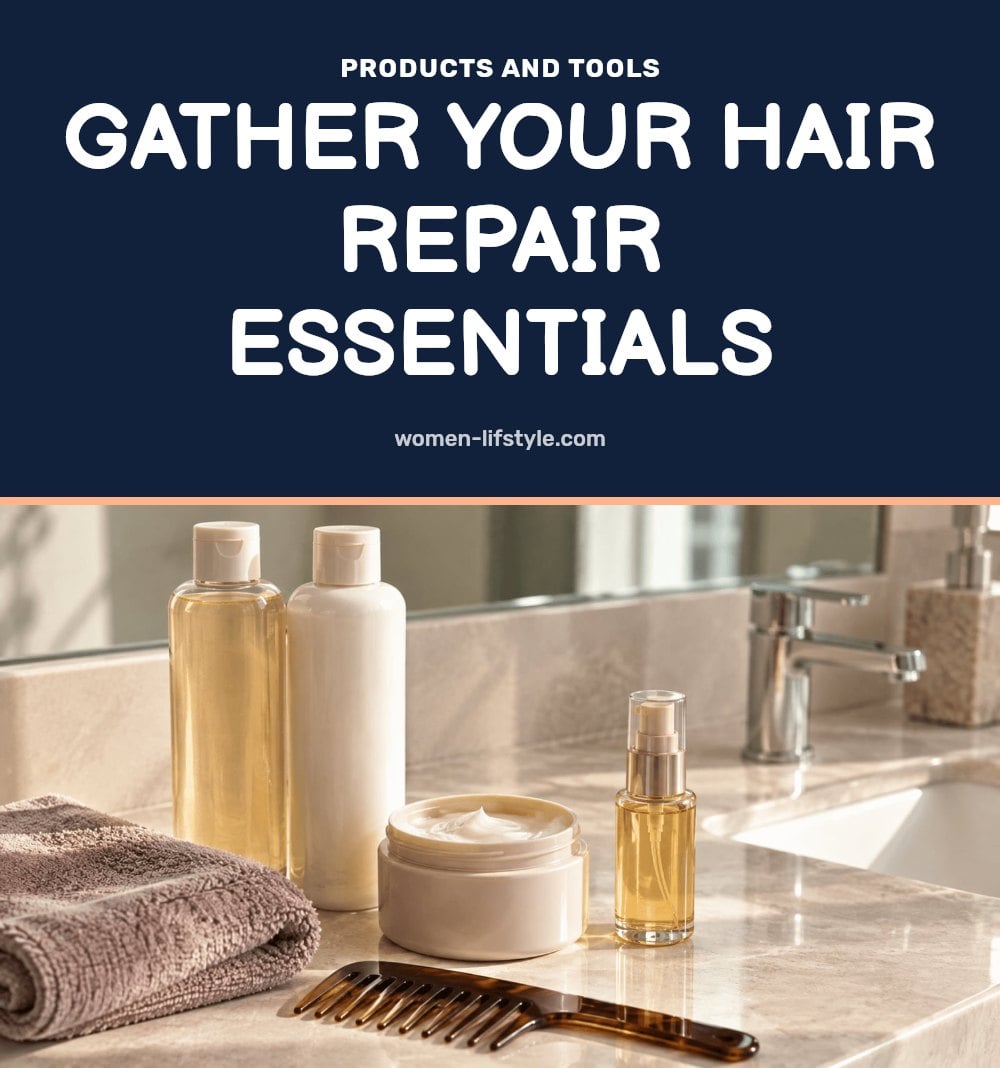
To start repairing damage, you need a few key tools and products. A sulfate-free shampoo and a nourishing conditioner are fundamental for gentle cleansing and adding moisture. A deep conditioning mask provides intense hydration and temporary smoothing. A wide-tooth comb and microfiber towel reduce mechanical stress on wet hair. Heat protectant is crucial for any heat styling, and a leave-in conditioner seals in moisture. Consider a shower head filter and a silk pillowcase for added protection.
Step-by-Step Routine for Taming Frizzy, Dry, Damaged Hair
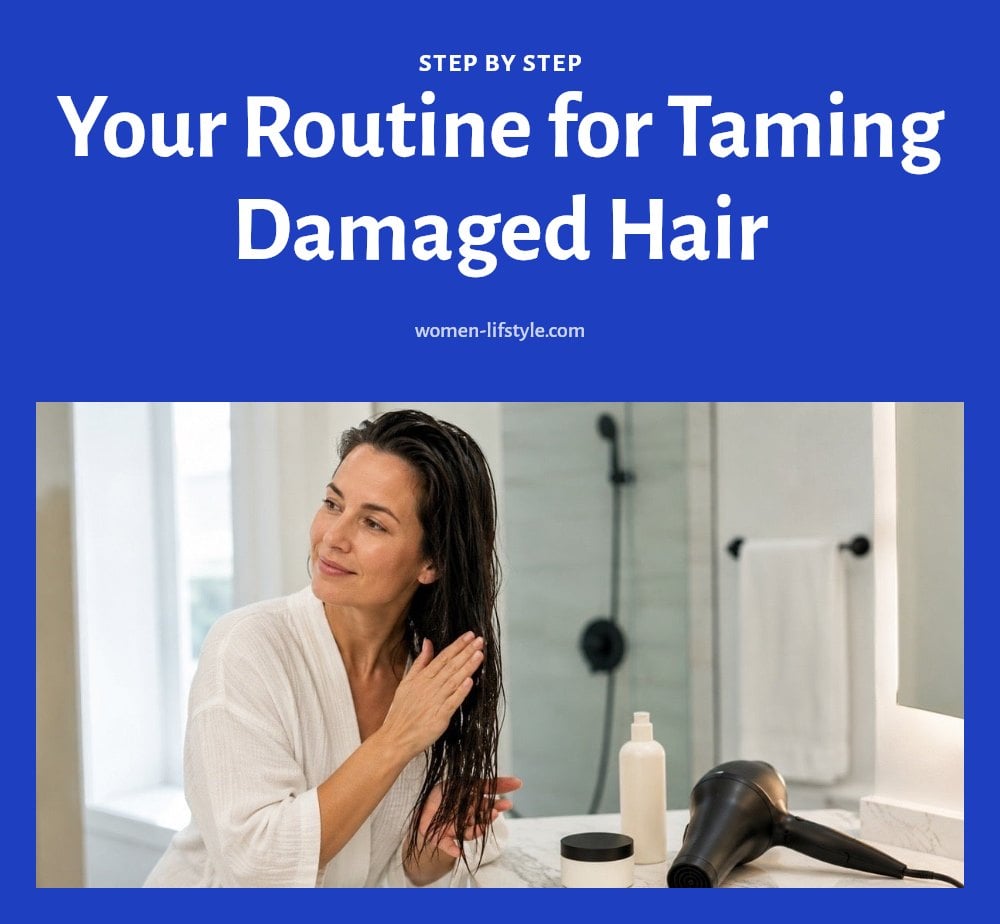
Follow this step-by-step routine to tame frizzy, dry, damaged hair. It focuses on gentle care and proper product use.
- Identify your hair and scalp type: Know whether your hair is straight, wavy, curly, or kinky, and if your scalp is dry, oily, or sensitive. This helps you choose the right products.
- Pre-treat with coconut oil: Apply coconut oil to your hair, especially the ends, about one hour before washing. This protects hair from water damage and reduces protein loss.
- Wash 2-3 times a week: Use a sulfate-free, moisturizing shampoo suited for your scalp. Focus the shampoo on your scalp and use a minimal amount on the rest of your hair. Wash no more than four times a week.
- Use clarifying shampoo biweekly: Once every two weeks, use a clarifying shampoo for a deep scalp cleanse. Focus it on your scalp, not the ends.
- Massage with a scalp massager: During shampooing, use a scalp massager to gently scrub your scalp instead of vigorous scrubbing with your fingers.
- Deep condition for 5-10 minutes: Apply a deep moisturizing conditioner, clip your hair up, and leave it for 5-10 minutes before rinsing thoroughly.
- Install a shower water filter: This removes chlorine, heavy metals, and other damaging chemicals from your water, reducing long-term damage.
- Micro-plop with a microfiber towel: After washing, gently scrunch and dry your hair with a microfiber towel to reduce friction and frizz. This also helps reveal natural waves.
- Apply heat protectant: If you plan to use heat styling tools, apply a heat protectant spray to create a barrier and reduce thermal damage.
- Follow with leave-in conditioner: Apply a leave-in conditioner to seal in moisture and keep hair soft and hydrated.
If you learn better by watching, this 11-minute video from Beauty Theory shows every step. The how-to part starts at 1:04.
Common Mistakes That Worsen Hair Damage
Believing products can ‘glue’ split ends: No cream or serum can truly rejoin a split end. The only fix is a trim to stop the split from traveling up the shaft.
Over-shampooing: Washing more than four times a week strips natural oils, leaving hair dry and frizzy. Stick to 2-3 times a week with a sulfate-free shampoo.
Vigorously scrubbing the scalp: Aggressive scrubbing stresses hair roots and damages the cuticle. Use a scalp massager for gentle, effective cleansing.
Skipping heat protectant: Heat tools without a barrier break down keratin bonds. Always apply a heat protectant spray before styling.
Ignoring regular trims: Letting split ends go unchecked allows them to travel up the hair shaft, causing more breakage. Schedule trims every 6-8 weeks.
Not using a shower water filter: Chlorine and heavy metals in tap water accumulate over time, weakening hair. A filter removes these damaging chemicals.
Top Tips for Maintaining Healthy Hair
Protect from sun and environmental factors: UV rays, chlorine, and saltwater strip moisture and weaken protein. Wear a hat or use a UV-protective spray when exposed.
Be gentle with wet hair: Wet hair is fragile and breaks easily. Comb with a wide-tooth comb starting from the ends, and blot dry with a microfiber towel instead of rubbing.
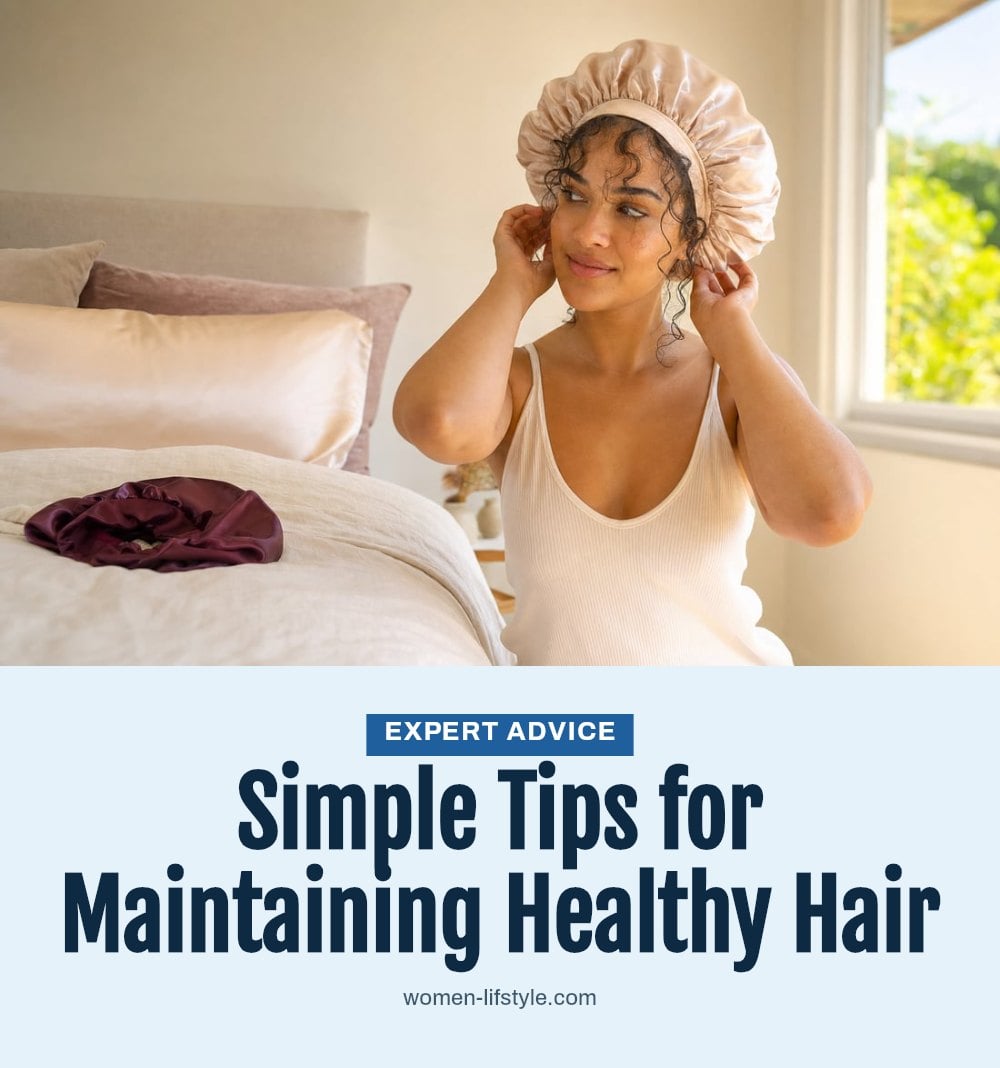
Sleep on silk or satin: Cotton pillowcases create friction that leads to breakage and frizz. A silk or satin pillowcase lets hair slide, reducing overnight damage.
Eat a hair-healthy diet: Protein-rich foods like eggs, avocado, sweet potato, nuts, and Greek yogurt supply the building blocks for strong hair.
Rinse with cool water: A final cool-water rinse helps seal the hair cuticle, locking in moisture and boosting shine.
Preventing Future Hair Damage
Limit heat styling: Reduce use of flat irons, curling irons, and blow dryers. When you do style, always use a heat protectant.
Space out chemical treatments: Coloring, perms, and relaxers break down hair’s protein structure. Give your hair at least 6-8 weeks between treatments to recover.
Choose gentle hairstyles: Tight ponytails and braids pull on roots, causing breakage. Opt for loose styles and soft hair ties.
Use quality products: Avoid shampoos and conditioners with high levels of sulfates, parabens, or drying alcohols. Look for moisturizing, sulfate-free formulas.
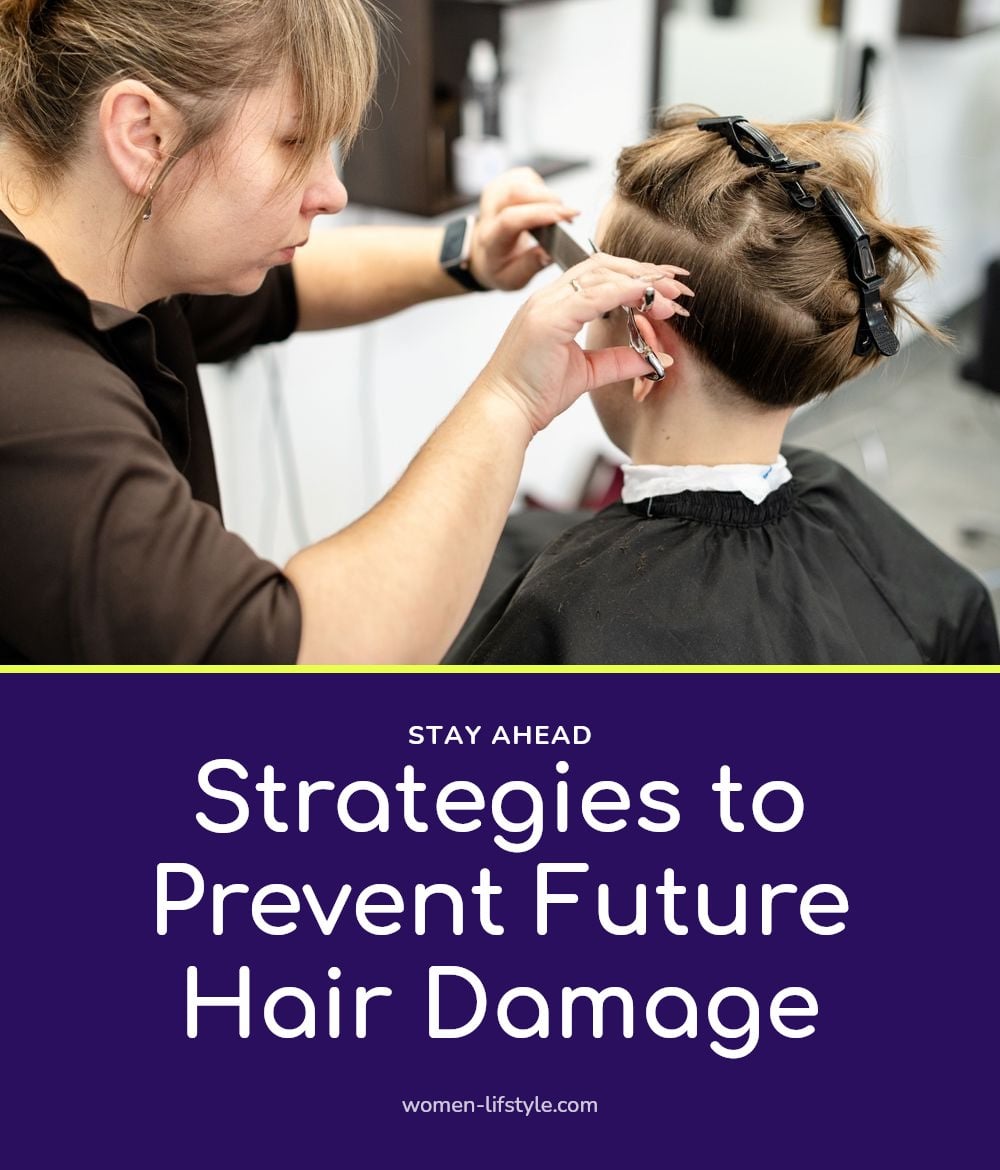
Schedule regular trims: Trim every 6-8 weeks to remove split ends before they travel up the shaft and cause more damage.
What to Expect: Timeline and Investment for Healthy Hair
Visible improvements in texture and shine often appear within a few weeks of consistent gentle care. Significant reduction in breakage and split ends, plus new growth, requires regular trims and several months of dedicated routine.
Your initial investment includes a quality sulfate-free shampoo, nourishing conditioner, deep conditioning mask, wide-tooth comb, and microfiber towel. Ongoing costs involve replacing products every 1-3 months and salon trims every 6-8 weeks.
When to Consult a Professional for Hair Damage
If you notice chemical burns, significant hair loss, or persistent scalp irritation, see a dermatologist or trichologist. These symptoms can indicate a serious underlying issue that needs medical attention. For complex hair problems, a professional stylist can recommend personalized products and advanced treatments.
Caution: Always perform a patch test before using new hair products, especially those with strong chemicals, to check for allergic reactions. DIY treatments can backfire, some ingredients cause unexpected damage when misused, so research thoroughly or skip them.
Frequently Asked Questions
Can split ends truly be repaired?
No, split ends cannot be truly repaired. No product can rejoin the split. The only effective solution is to trim them off to prevent the split from traveling further up the hair shaft, which would cause more breakage.
How does diet impact hair health?
A protein-rich diet supports hair health because hair is made of keratin protein. Foods like eggs, avocado, sweet potato, nuts, and Greek yogurt provide the building blocks for stronger, healthier strands. A balanced diet can also improve overall hair texture and growth.
What’s the difference between a deep conditioner and a leave-in conditioner?
A deep conditioner is a treatment you rinse out after 5 to 10 minutes, providing intense hydration to smooth the cuticle. A leave-in conditioner is applied after washing and left in to seal in moisture, soften hair, and prepare it for styling products. Both are important, but they serve different purposes in a routine.
Are all natural hair remedies safe and effective?
Not all natural remedies are safe or effective. Some ingredients, like lemon juice combined with sun exposure, can cause unexpected damage or reactions. Always research a remedy thoroughly, do a patch test, and be cautious with DIY treatments to avoid worsening damage.
What causes hair to get damaged?
Hair damage is primarily caused by heat styling (flat irons, curling irons, blow dryers), chemical treatments (coloring, perms, relaxers), mechanical stress (vigorous brushing, tight hairstyles), and environmental factors (UV radiation, chlorine, saltwater). These break down the hair’s keratin protein bonds, leading to split ends, frizz, breakage, and dullness.
Final Thoughts
Start by identifying your hair and scalp type, then build a routine around gentle washing, regular deep conditioning, and minimal heat exposure. Expect to see visible improvements in texture and shine within a few weeks, but be patient for significant breakage reduction and new growth, which can take several months of consistent care. Stick with a protein-rich diet and a protective pillowcase, and your hair will thank you.
This article is for general informational purposes only and does not constitute medical or professional advice. Hair care results can vary based on individual hair type, health, and routine. If you experience severe damage, significant hair loss, or scalp irritation, consult a dermatologist or trichologist for personalized guidance.
