

Feeling constantly tired or weak? Your iron levels might be the culprit. Iron is essential for carrying oxygen through your body, and not getting enough can really drain your energy. This article breaks down the best iron-rich foods from both animal and plant sources, plus simple tips to help your body absorb iron more effectively.
Key Takeaways
- Heme iron from animal sources is absorbed more easily than non-heme iron from plants.
- Pair non-heme iron foods like spinach or lentils with Vitamin C for better absorption.
- Avoid drinking tea or coffee with iron-rich meals, as they can inhibit absorption.
- Consult a healthcare professional before taking iron supplements to avoid toxicity.
- Dietary changes may improve energy over weeks, but blood levels may take longer to normalize.
What Are the Best Iron-Rich Foods?
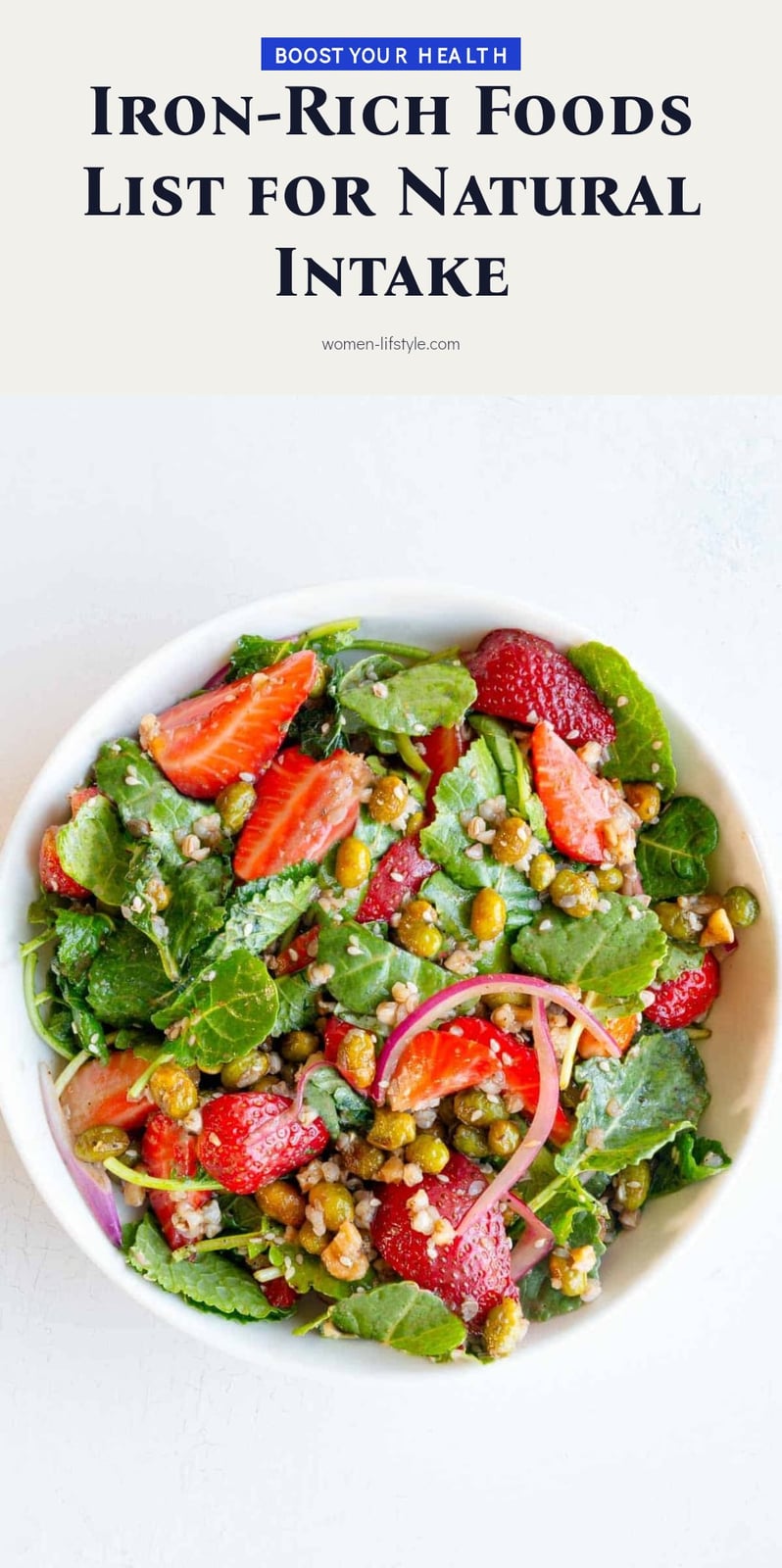
The best sources of heme iron come from animal products: red meat (beef, lamb, pork), poultry (chicken, turkey), and fish (tuna, salmon, sardines). For non-heme iron, look to plant-based options like lentils, beans, spinach, fortified cereals, tofu, and pumpkin seeds. Tip: Pair non-heme iron with Vitamin C (think spinach salad with citrus dressing or lentils with tomatoes) to boost absorption.
Why Iron is So Important for Your Body
Why Iron is So Important for Your Body
Iron is a key component of hemoglobin, the protein in red blood cells that carries oxygen from your lungs to the rest of your body. Without enough iron, your tissues don’t get the oxygen they need to function properly.
Iron deficiency is actually the most common nutritional deficiency worldwide. If your levels are low, you might notice symptoms like fatigue, weakness, pale skin, shortness of breath, dizziness, cold hands and feet, brittle nails, and headaches. These signs are your body’s way of saying it needs more iron.
Heme Iron Powerhouses (Animal-Based Sources)
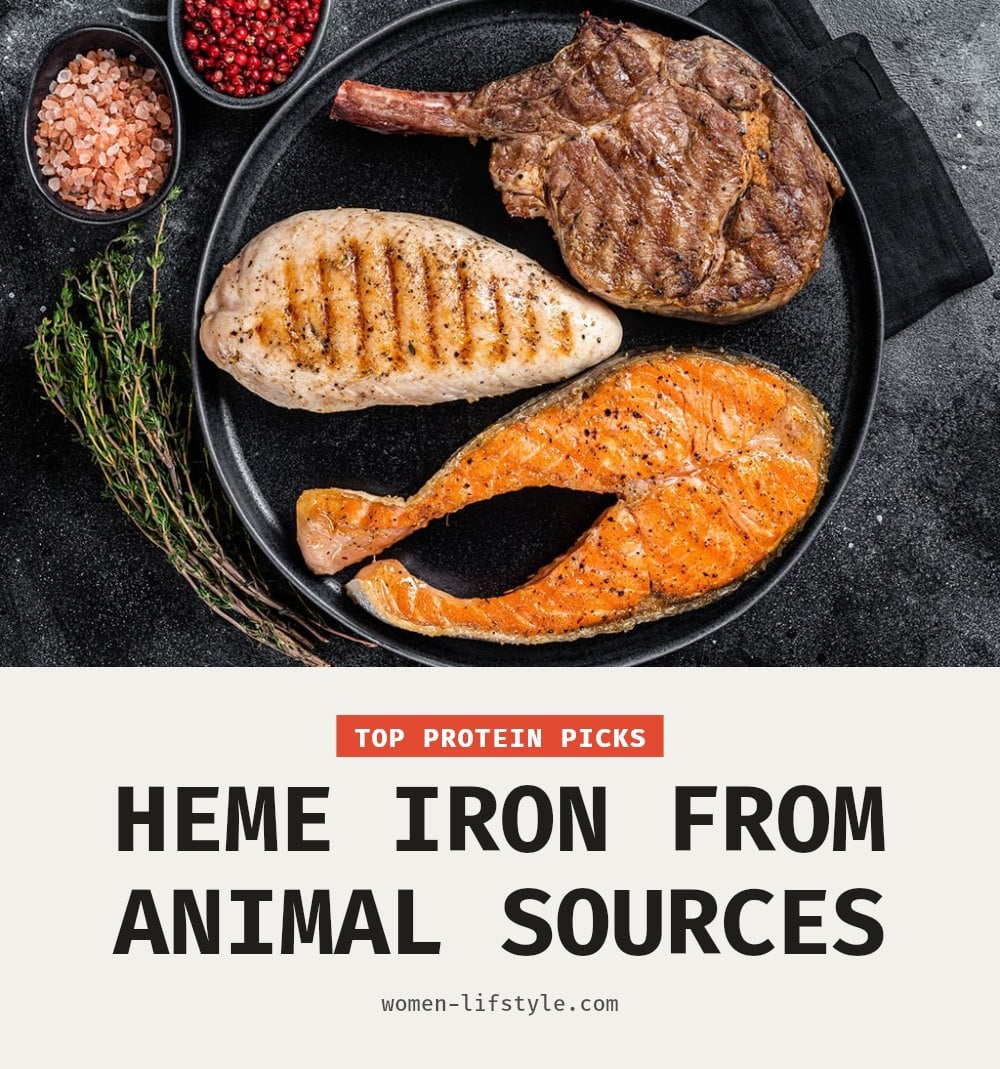
Heme iron from animal sources is more readily absorbed by your body, making these foods particularly effective for boosting iron levels. Here are the top heme iron sources to include in your diet.
- Red meat: Beef, lamb, and pork are excellent sources of highly absorbable heme iron. A serving of lean beef can provide a significant portion of your daily needs.
- Poultry: Chicken and turkey, especially dark meat, offer good amounts of heme iron. They are versatile and easy to add to meals.
- Fish: Tuna, salmon, and sardines not only provide heme iron but also deliver omega-3 fatty acids and other important nutrients.
Non-Heme Iron Champions (Plant-Based Sources)
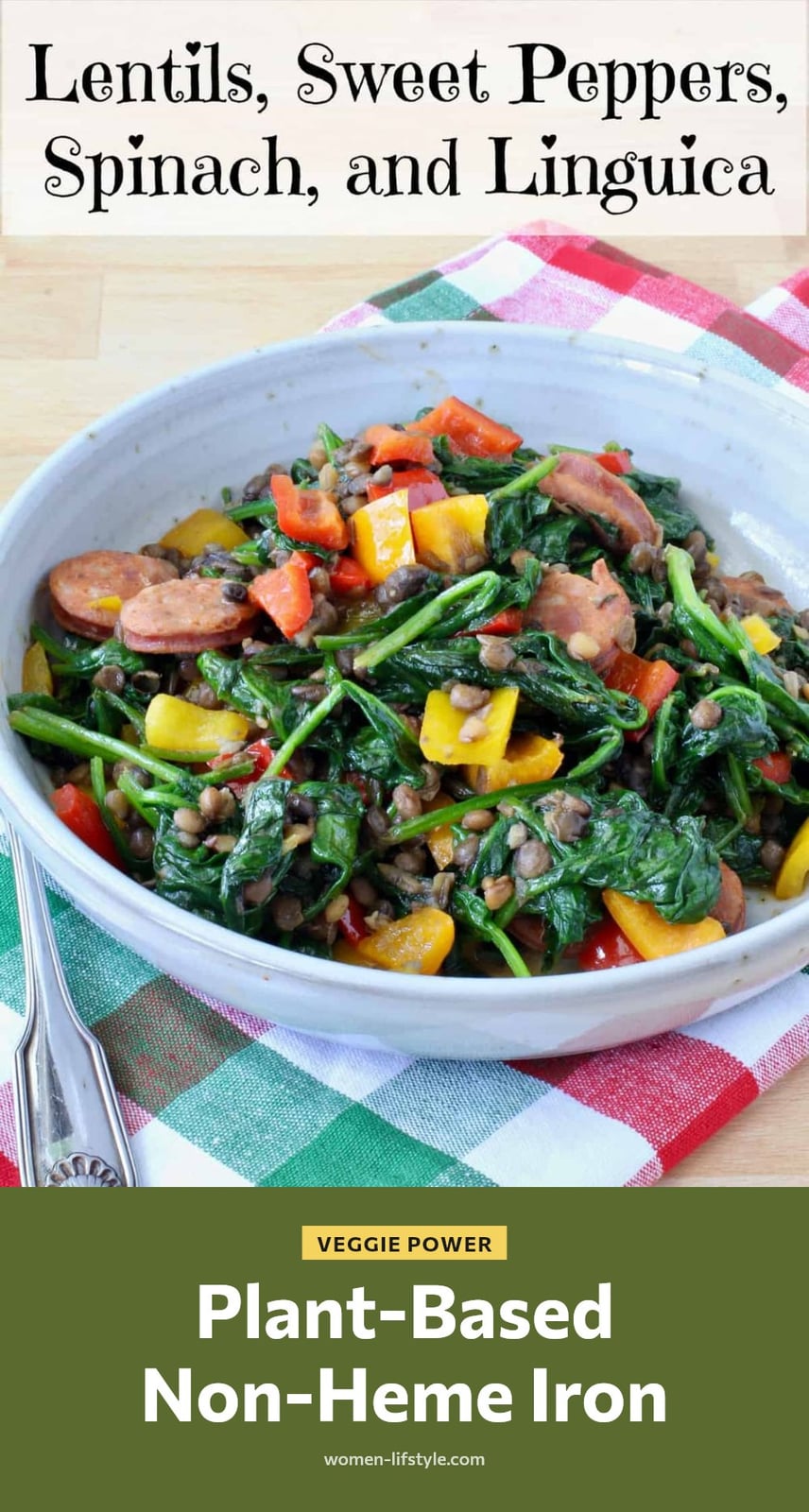
For plant-based eaters or anyone looking to diversify their iron sources, non-heme iron is abundant in many everyday foods. Remember, pairing these with Vitamin C helps your body absorb the iron more effectively.
- Lentils and beans: Black beans, kidney beans, chickpeas, and lentils are versatile staples packed with non-heme iron. Add them to soups, salads, or stews.
- Spinach and dark leafy greens: Spinach, kale, and Swiss chard are good sources, especially when cooked (cooking reduces volume and increases iron concentration per bite).
- Fortified cereals: Many breakfast cereals are fortified with iron, often along with other vitamins and minerals. Check the label for a quick morning boost.
- Tofu and tempeh: These soy-based proteins are excellent for plant-based diets and provide a solid amount of non-heme iron per serving.
- Pumpkin seeds: A handful of pumpkin seeds or other nuts and seeds like sesame seeds (tahini) offers a convenient iron boost for snacks or salads.
Maximize Your Iron Absorption: Smart Eating Tips
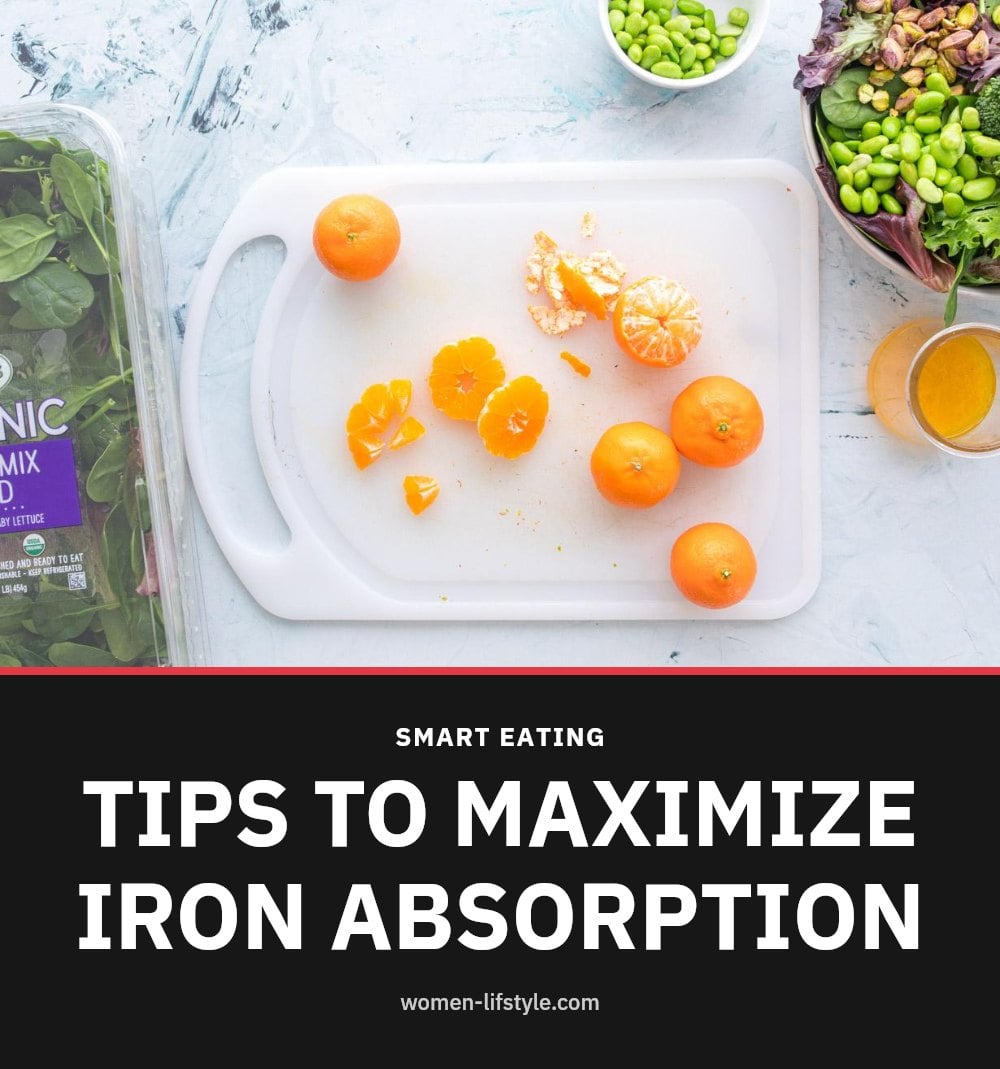
Pair non-heme iron foods with Vitamin C every time. A spinach salad with citrus dressing or lentils cooked with tomatoes can double your absorption. My tip: keep a lemon wedge handy to squeeze over greens or beans.
Cook in cast-iron cookware when you can. It subtly increases the iron content of acidic foods like tomato sauce. It is a passive way to add a little extra.
Time your beverages carefully. Tea and coffee contain tannins that block iron absorption. Wait at least an hour after an iron-rich meal before drinking them.
Vary your sources. Do not rely on red meat alone. A mix of heme and non-heme foods from different categories gives you a broader nutrient profile and prevents dietary boredom.
Common Mistakes When Trying to Boost Iron
Ignoring Absorption Factors: Many people assume all iron is absorbed equally. Heme iron from animals is much more bioavailable, while non-heme iron from plants needs Vitamin C to be absorbed well.
Overlooking Inhibitors: Calcium from dairy and tannins from tea or coffee can reduce how much iron you actually get. Keep these separate from your main iron sources.
Self-Treating Deficiency: Never take iron supplements without a doctor’s guidance. Too much iron can be toxic and cause organ damage. Get a blood test first.
Limited Food Choices: Believing only red meat provides significant iron is a mistake. Lentils, spinach, tofu, and fortified cereals are excellent options, especially for diverse diets.
When to Talk to a Healthcare Professional
Talk to a healthcare professional if you have persistent fatigue, weakness, pale skin, or shortness of breath. These symptoms may indicate low iron, but only a doctor can diagnose you.
Before starting any iron supplements, get medical advice. Excessive iron from supplements can be toxic.
If you are pregnant or have young children, consult a doctor about specific iron needs. A professional can provide a proper diagnosis and a personalized plan including diet and, if needed, supplements.
Frequently Asked Questions
What are the main types of iron in food?
The two main types are heme iron and non-heme iron. Heme iron comes from animal products like red meat, poultry, and fish, and your body absorbs it more easily. Non-heme iron is found in plant-based foods such as lentils, beans, spinach, and fortified cereals, and it needs Vitamin C to be absorbed well.
How can vegetarians and vegans get enough iron?
Vegetarians and vegans can get plenty of non-heme iron from lentils, beans, tofu, pumpkin seeds, and fortified cereals. The key is to pair these foods with Vitamin C sources like citrus fruits, bell peppers, or tomatoes to boost absorption. Cooking in cast iron pans can also add a little extra iron to meals.
Can cooking in cast iron really increase iron in food?
Yes, cooking in cast-iron cookware can slightly increase the iron content of your food, especially when cooking acidic foods like tomato sauce. It’s a simple way to add a small amount of extra iron, but it shouldn’t be your only strategy. For significant iron needs, focus on iron-rich foods first.
What foods should I avoid when eating iron-rich meals?
Calcium from dairy products and tannins from tea and coffee can reduce iron absorption. It’s best to avoid drinking tea or coffee with your iron-rich meals. Also, try to separate calcium-rich foods like milk or yogurt from your iron sources by a couple of hours to get the most out of your meal.
How long does it take to improve iron levels through diet?
Dietary changes can lead to improvements in energy and other symptoms over several weeks to months. However, normalizing blood iron levels may take longer, often a few months. Consistency is important, and if you have a diagnosed deficiency, a doctor may recommend supplements alongside dietary changes for faster results.
Final Thoughts
My tip: start by adding one or two iron-rich foods to your daily routine, like a spinach salad with citrus dressing or a lentil soup with tomatoes. Realistically, you might notice better energy in a few weeks, but blood iron levels can take months to fully improve. Listen to your body and talk to a doctor if symptoms persist.
This article is for general informational purposes only and does not constitute medical advice. Iron deficiency and its treatment should be diagnosed and managed by a healthcare professional. Always consult your doctor or a registered dietitian before making significant changes to your diet or starting supplements, especially if you have persistent symptoms.
