

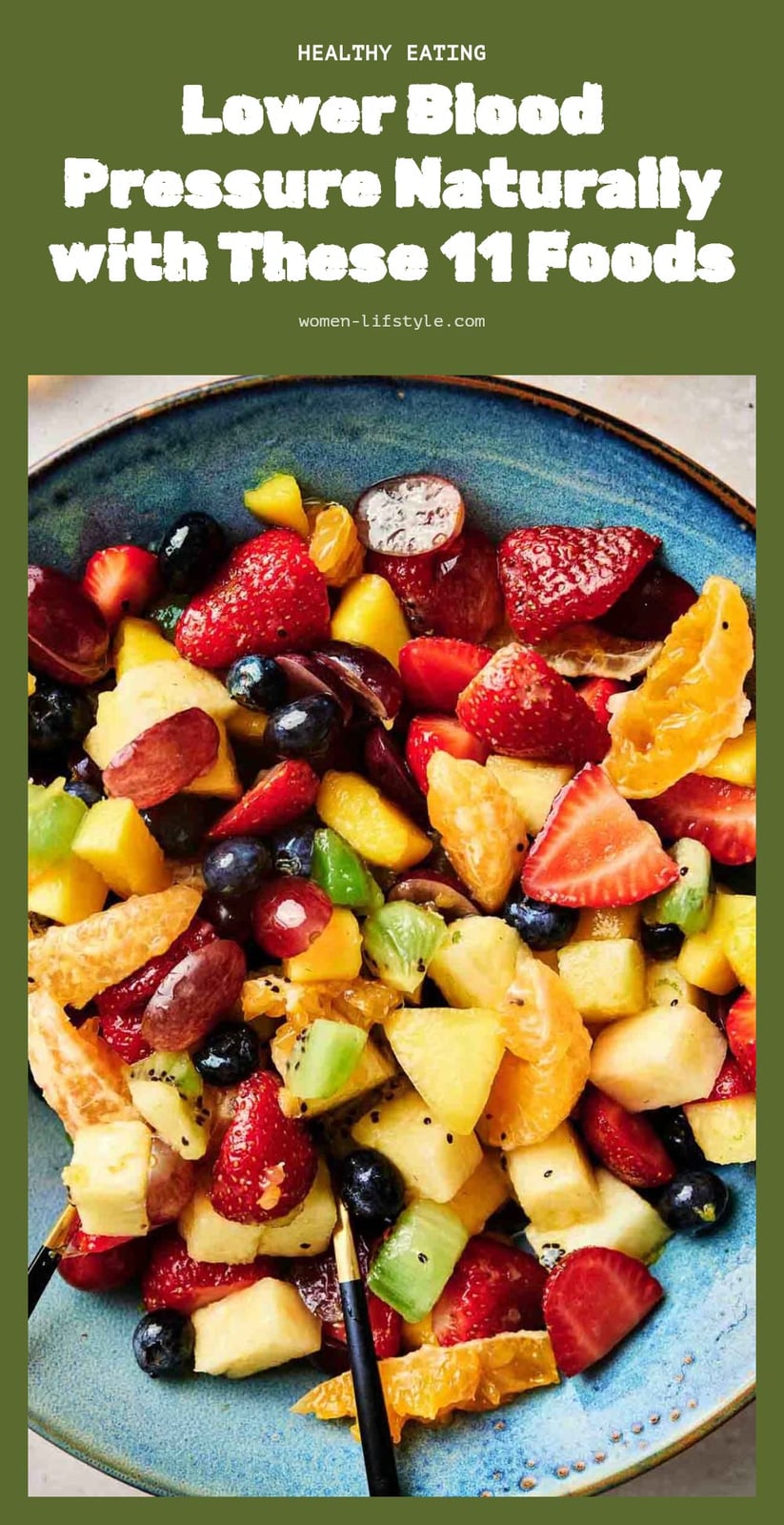
If you are looking for natural ways to support healthy blood pressure, what you eat every day can make a real difference. Certain foods are packed with nutrients like potassium, magnesium, and fiber that help balance sodium and relax your blood vessels. This article covers 11 foods that can help lower your blood pressure naturally, plus common mistakes to avoid and how to fit them into your routine.
Key Takeaways
- Leafy greens, beets, and berries are top choices for their nitrate and antioxidant content.
- Aim for at least two servings of fatty fish per week for omega-3 benefits.
- Choose whole grains like oatmeal and quinoa over refined grains for heart health.
- Incorporate a variety of fruits and vegetables daily for balanced nutrient intake.
- Pair dietary changes with exercise, stress management, and medical advice for best results.
Eating Your Way to a Healthier Blood Pressure
Incorporating specific nutrient-rich foods into your diet can significantly help manage and lower blood pressure. Foods high in potassium, magnesium, and fiber are particularly beneficial for balancing sodium levels and relaxing blood vessels. The DASH eating plan is a highly recommended dietary approach that emphasizes these types of foods. Remember, diet is one part of a comprehensive plan that should include exercise, stress management, and professional medical advice.
1. Leafy Green Vegetables
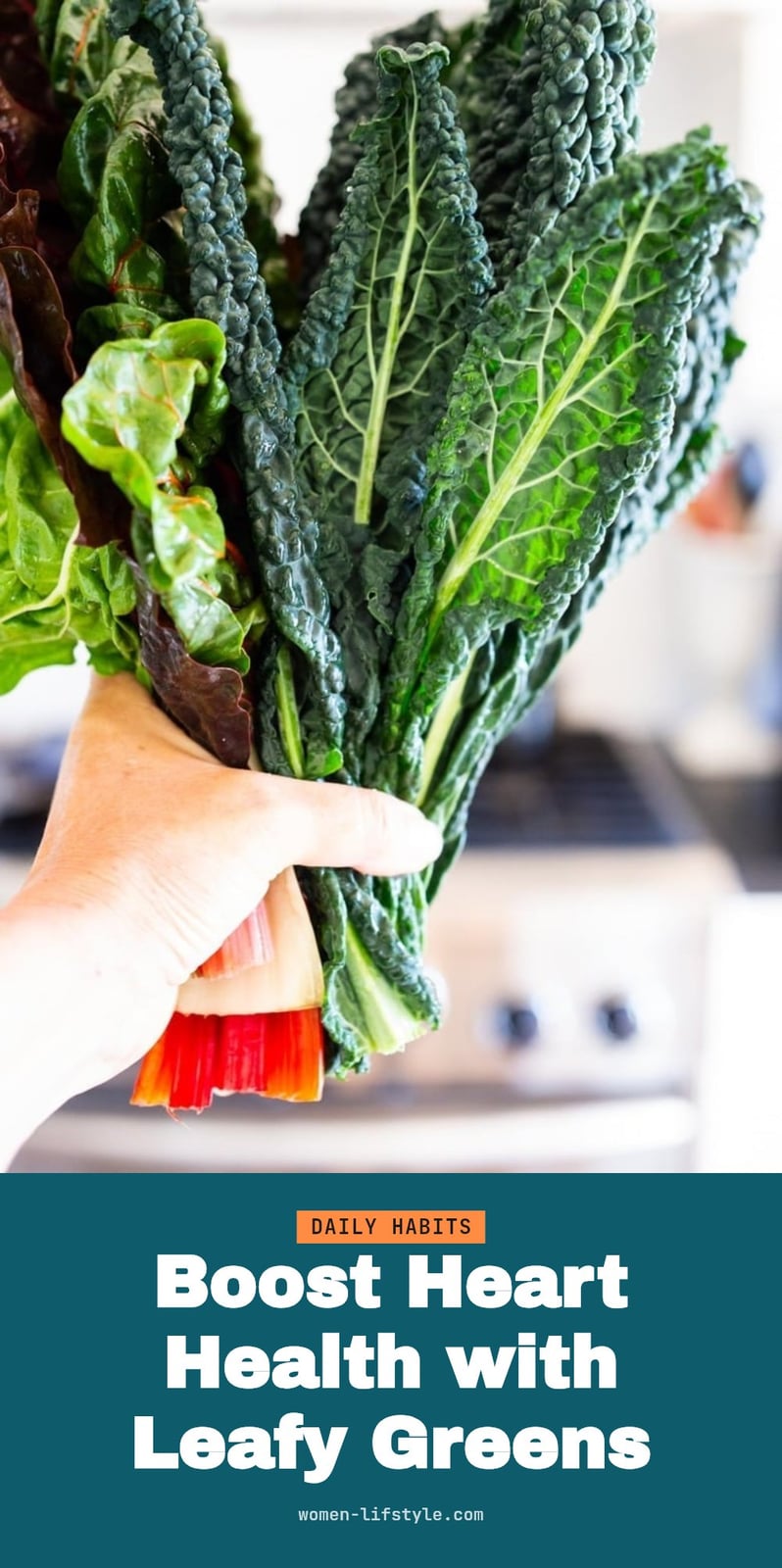
Leafy greens like spinach, kale, and collard greens are packed with nitrates. Your body converts these nitrates into nitric oxide, which helps relax blood vessels and improve blood flow.
- My tip: Try adding a handful to your smoothies, salads, or stir-fries daily.
- They work best when eaten fresh or lightly cooked; steaming preserves more nitrates than boiling.
- Aim for at least five servings of fruits and vegetables per day, including leafy greens, for consistent benefits.
2. Berries, Especially Blueberries
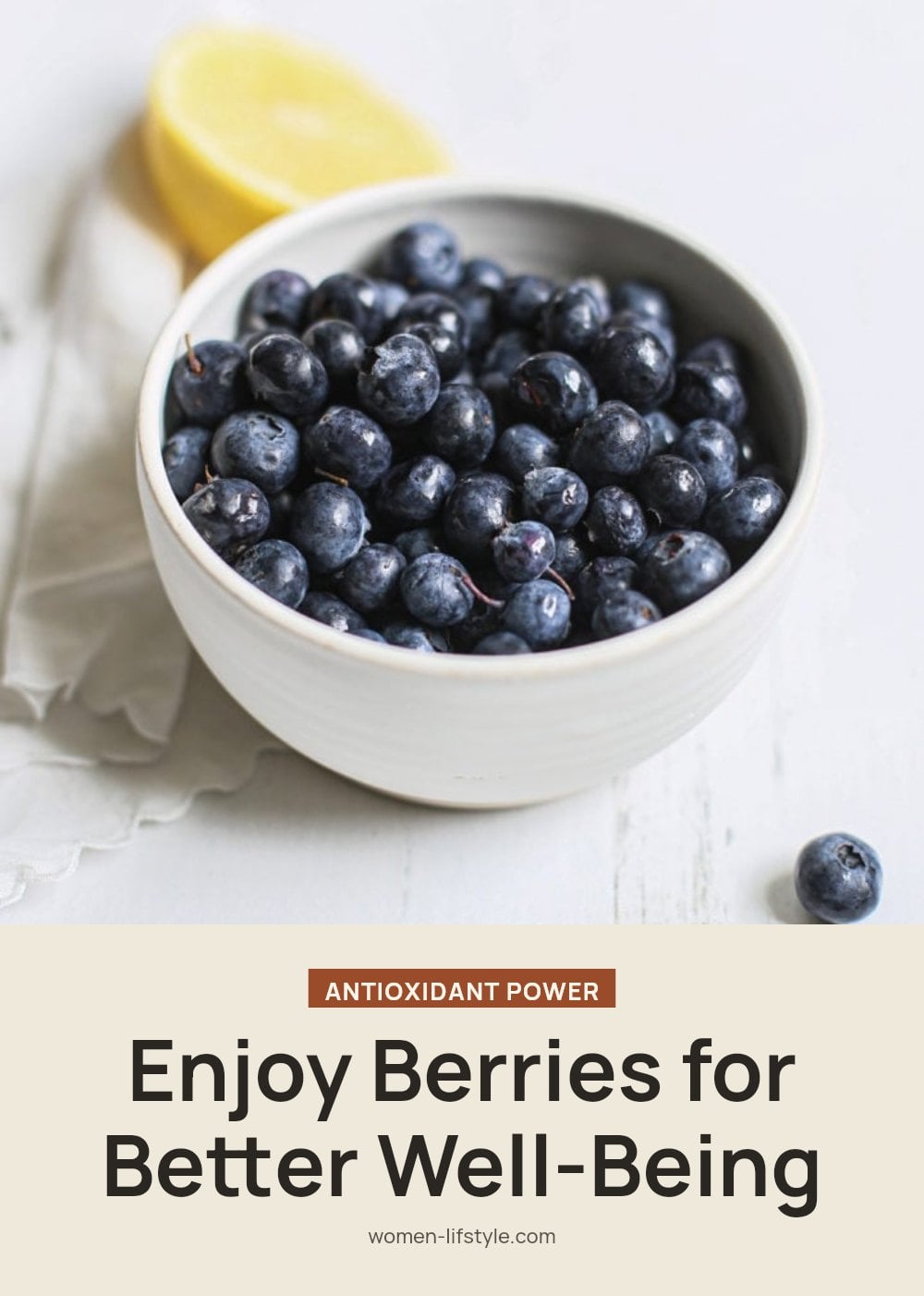
Berries, particularly blueberries, are rich in anthocyanins, powerful antioxidants. These compounds may help improve blood vessel function and contribute to lower blood pressure.
- My tip: I love adding a daily handful to my oatmeal or yogurt for a delicious boost.
- Frozen berries work just as well as fresh and are often more affordable.
- Aim for at least one serving each day to align with the recommended five servings of fruits and vegetables.
3. Beets and Beet Juice
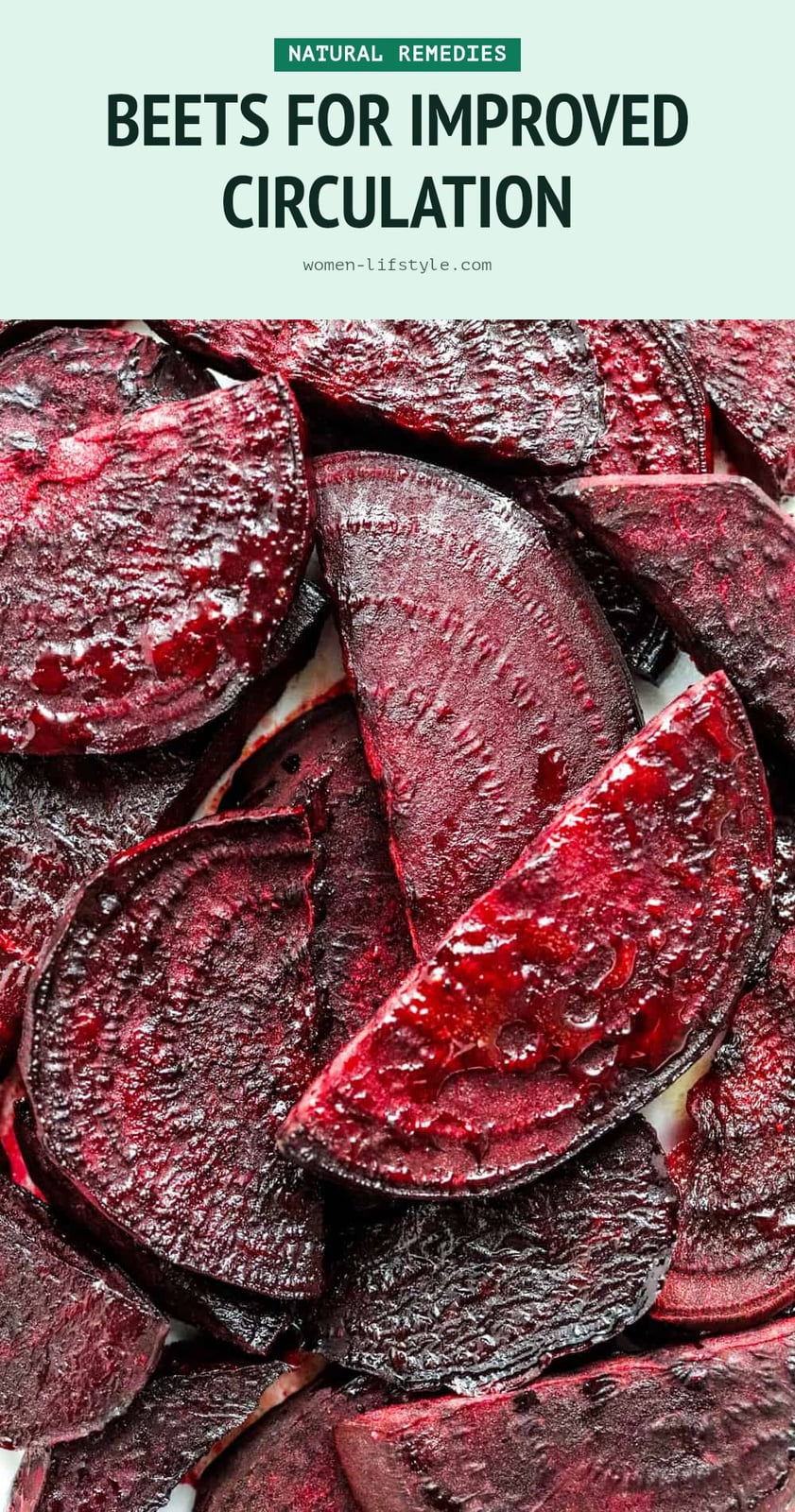
Beets are another fantastic source of nitrates, similar to leafy greens. Studies have shown that consuming beets or beet juice can lead to a temporary but significant reduction in blood pressure.
- Pro move: You can roast them, add them raw to salads, or even juice them for a quick shot of goodness.
- The effect typically peaks a few hours after consumption, so timing matters if you’re monitoring closely.
- Start with a small serving to see how your body responds.
4. Oatmeal and Whole Grains
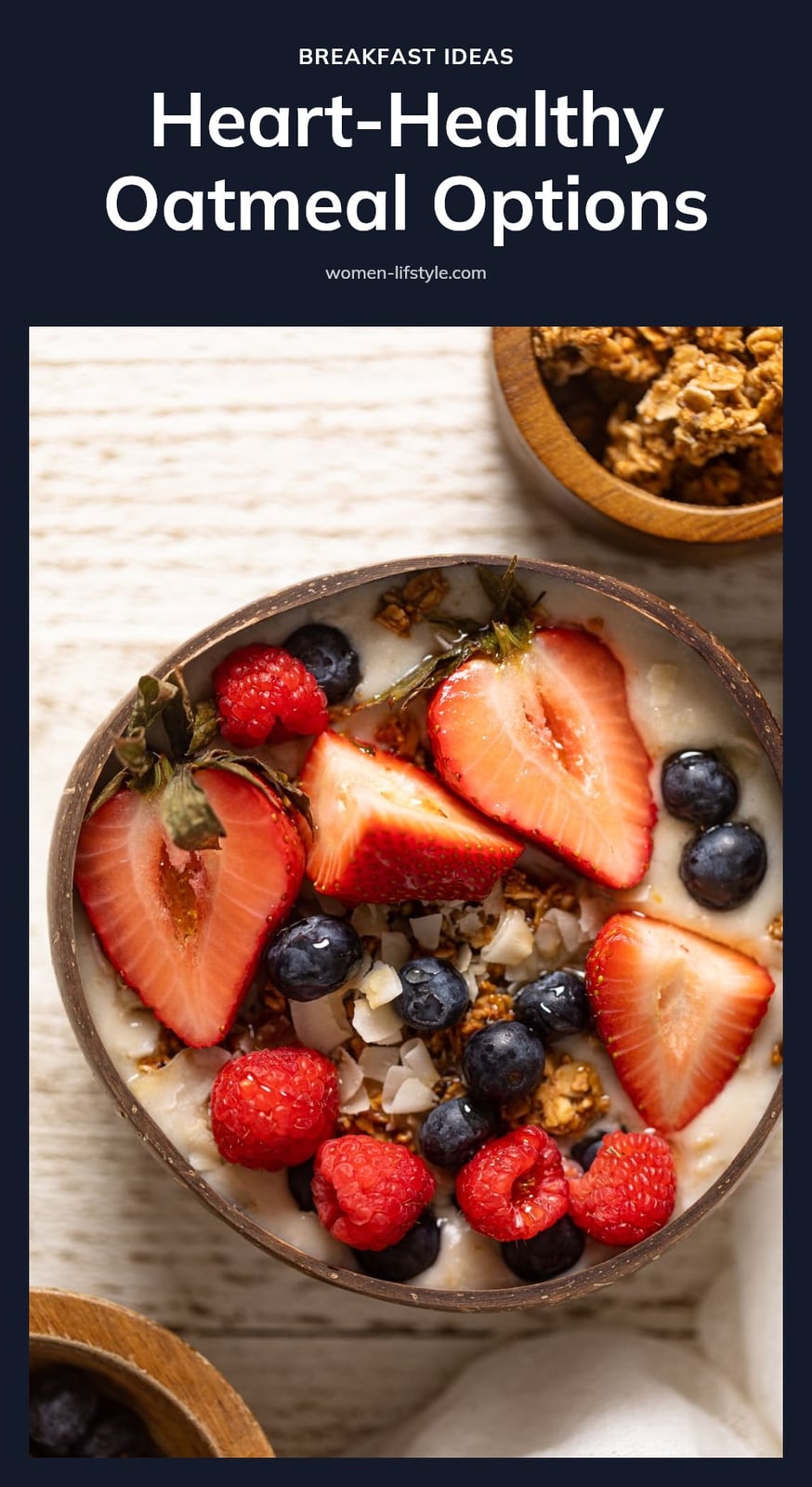
Oatmeal, brown rice, and quinoa are excellent sources of fiber, which is crucial for heart health. Fiber can help lower cholesterol and may contribute to better blood pressure control. Starting your day with a bowl of oatmeal is a simple yet effective step.
5. Fatty Fish (Salmon, Mackerel)
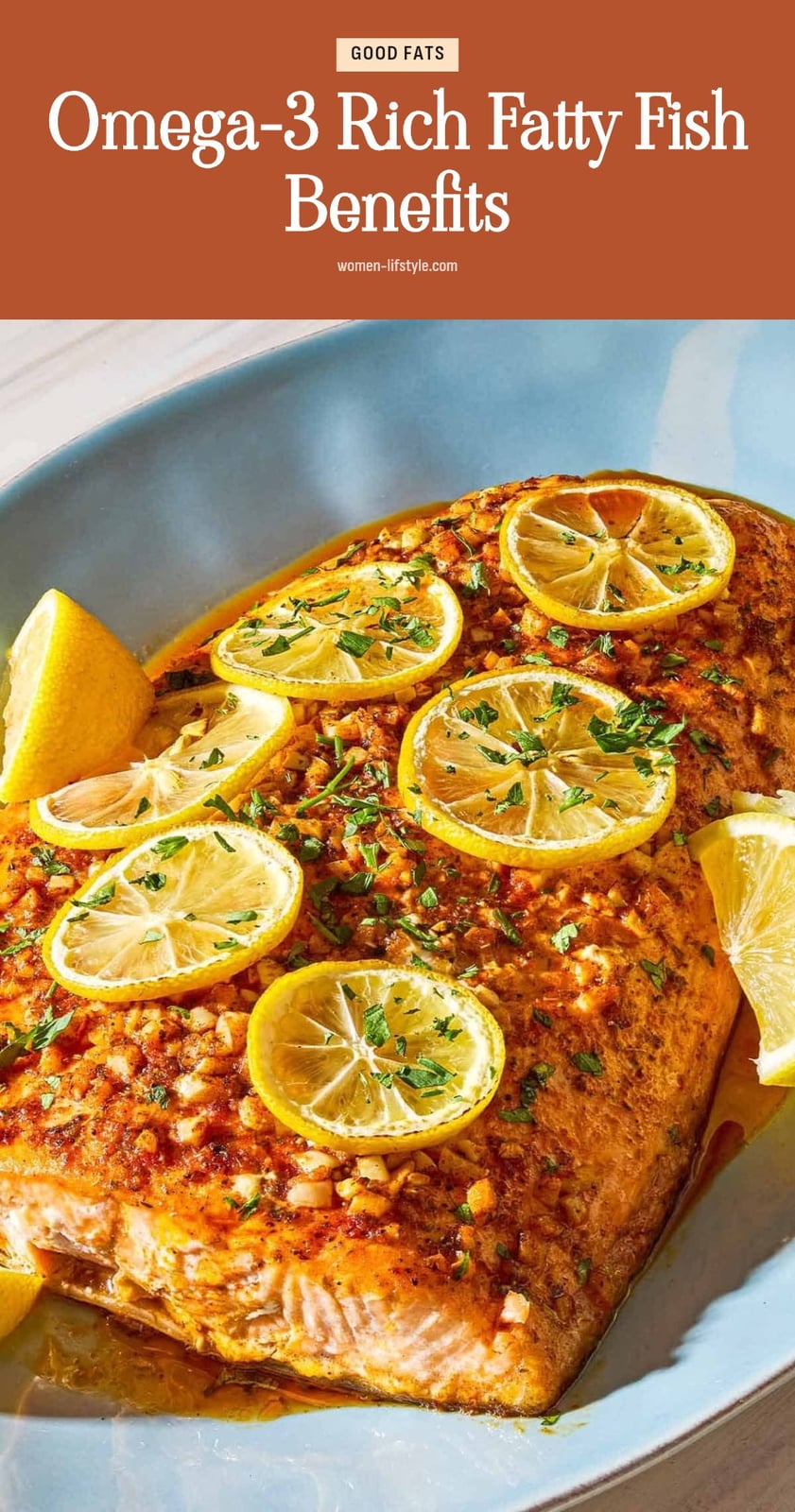
These fish are rich in omega-3 fatty acids, known for their anti-inflammatory properties. Omega-3s can help reduce inflammation throughout the body and may play a role in lowering blood pressure. Aim for at least two servings of fatty fish per week, like baked salmon or grilled mackerel.
6. Garlic
Garlic has compounds that are thought to help relax blood vessels, potentially leading to lower blood pressure. It’s a fantastic flavor enhancer that lets you cut back on salt without sacrificing taste. I always add fresh garlic to my cooking. It’s a win-win for flavor and health.
7. Pistachios
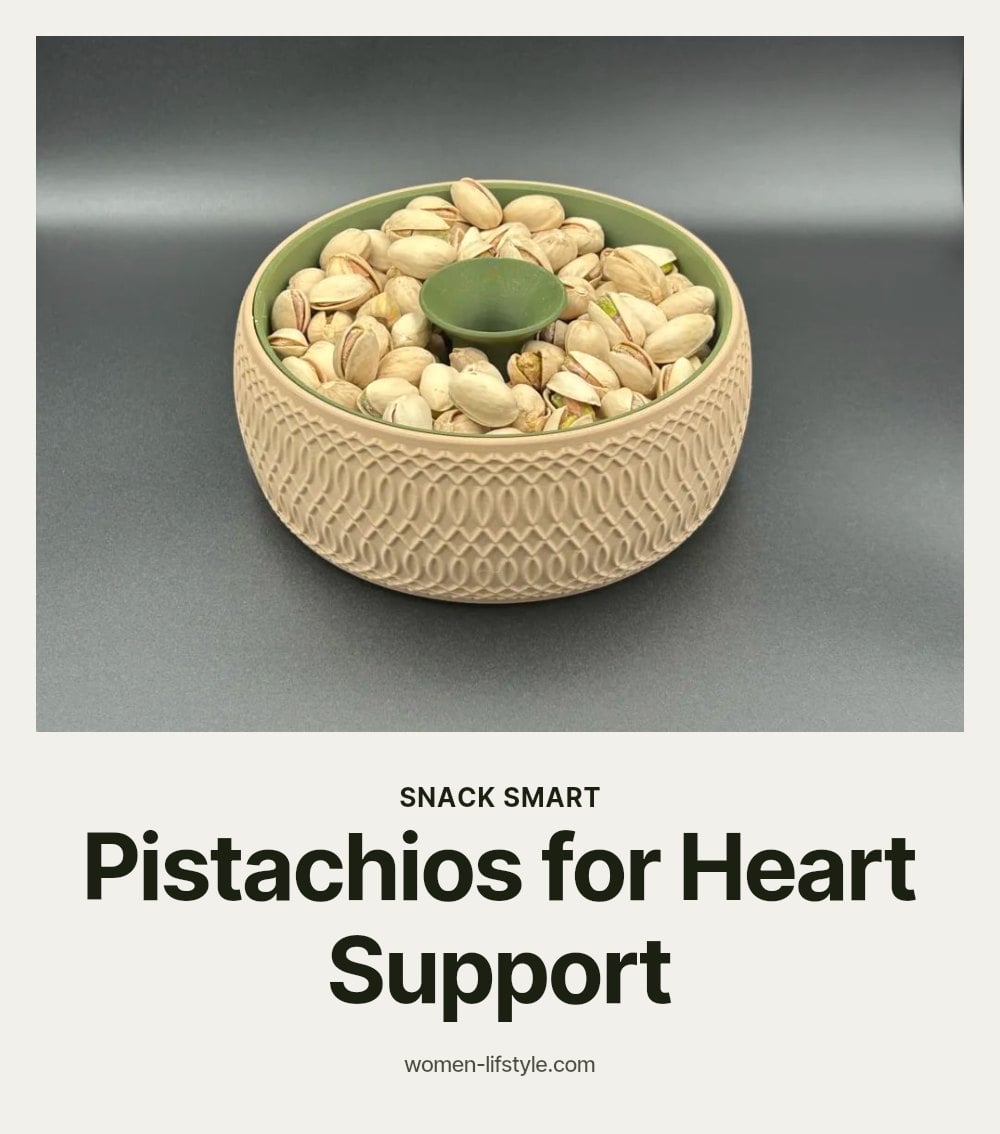
Pistachios deliver a strong mix of potassium, magnesium, and healthy fats. These nutrients work together to support cardiovascular health and have been linked to lower blood pressure. Tip: A small handful makes a great, satisfying snack. I keep a bag in my desk for a quick afternoon pick-me-up that helps my heart, too.
8. Flaxseeds
Flaxseeds are a powerhouse of omega-3 fatty acids and fiber, both beneficial for blood pressure reduction. The lignans in flaxseeds may also contribute to better heart health by providing antioxidant support.
- Grind them fresh: Whole flaxseeds can pass through your system undigested, so grinding releases the nutrients. Sprinkle the ground seeds over yogurt, oatmeal, or salads for maximum benefit.
- Store properly: Ground flaxseeds go rancid quickly, so grind only what you need and keep the rest in the fridge.
9. Dark Chocolate (High Cocoa)
Dark chocolate with at least 70% cocoa contains flavonoids, powerful antioxidants that can help relax blood vessels. This relaxation may lead to a modest drop in blood pressure.
- Choose wisely: Look for bars with minimal added sugar and a cocoa content of 70% or higher. Milk chocolate or white chocolate won’t have the same effect.
- Moderation is key: Enjoy a small square (about one ounce) as a treat. The calories and sugar can add up quickly, so keep portions small.
10. Bananas
Bananas are famously rich in potassium, a mineral vital for balancing sodium levels in your body. Too much sodium can raise blood pressure, but potassium helps flush it out through your urine.
- Convenient snack: They come in their own wrapper and need no prep. I usually keep one in my bag for a quick, satisfying bite.
- Easy to add: Slice one over your morning cereal, blend it into a smoothie, or simply eat it whole. One medium banana provides about 9% of your daily potassium needs.
11. Legumes (Beans, Lentils)
Beans and lentils are excellent sources of fiber, magnesium, and potassium. This triple combination supports overall heart health and can contribute to lower blood pressure by helping blood vessels relax and balancing sodium.
- Versatile in meals: Add them to soups, stews, salads, or make a hearty veggie burger. They absorb flavors well, so you can season them with garlic or herbs instead of salt.
- Easy prep: Canned beans are convenient, but rinse them first to remove excess sodium. Dried lentils cook in about 20 minutes, making them a quick weeknight addition.
Common Mistakes When Managing Blood Pressure
Relying solely on diet: Eating well is a powerful tool, but it works best alongside regular exercise, stress management, and professional medical advice. A comprehensive plan gives you the best chance at steady results.
Focusing on one ‘superfood’: A balanced dietary pattern with a variety of nutrient-rich foods is far more effective than eating a lot of any single item. Variety ensures you get the full range of nutrients your body needs.
Ignoring hidden sodium: Processed foods, even those that don’t taste salty, can be loaded with sodium. Always check food labels to stay aware of your intake, especially in canned soups, sauces, and frozen meals.
Stopping medication without consulting a doctor: Never adjust or stop prescribed blood pressure medication, even if you see improvements. Your healthcare provider needs to guide any changes to keep you safe and ensure your plan is effective.
Frequently Asked Questions
How quickly can diet affect blood pressure?
Some foods, like beets, can cause a temporary drop in blood pressure within a few hours. For a lasting change, consistent dietary shifts over several weeks to months are usually needed. Track your readings regularly to see how your body responds.
Can I stop my blood pressure medication if I eat these foods?
No. Never stop or change prescribed medication without consulting your doctor. These foods can support your efforts, but they are not a substitute for medical treatment. Work with your healthcare provider to adjust your plan safely.
Are there any foods to avoid with high blood pressure?
Yes, limit processed foods high in sodium, such as canned soups, deli meats, and salty snacks. Also avoid adding extra salt to meals and watch for hidden sodium in sauces and condiments. Excessive alcohol can also raise blood pressure.
What is the DASH diet and how does it relate to these foods?
The DASH (Dietary Approaches to Stop Hypertension) eating plan emphasizes fruits, vegetables, whole grains, lean proteins, and low-fat dairy. It is specifically designed to lower blood pressure and includes many of the foods listed here, like leafy greens, berries, and legumes.
Do supplements work as well as food for blood pressure?
Whole foods provide a complex mix of nutrients that work together, which supplements often cannot replicate. It is usually better to get potassium, magnesium, and fiber from food sources. Talk to your doctor before taking any supplements.
How much of these foods should I eat daily?
Aim for at least five servings of fruits and vegetables per day, including a mix of leafy greens, berries, and beets. For whole grains, have a serving at two meals. A small handful of nuts like pistachios or a square of dark chocolate works as a daily snack.
Final Thoughts
My tip: Start by adding one or two of these foods to your daily meals, like a handful of berries with breakfast or a side of leafy greens at dinner. Consistency over several weeks to months is key for seeing a sustained impact on your blood pressure. Remember, these foods work best as part of an overall healthy lifestyle that includes regular exercise and professional guidance.
This article is for informational purposes only and does not replace professional medical advice. Dietary changes can affect individuals differently, especially if you are on medication or have an existing condition. Always consult your doctor or a registered dietitian before making significant changes to your diet.
