

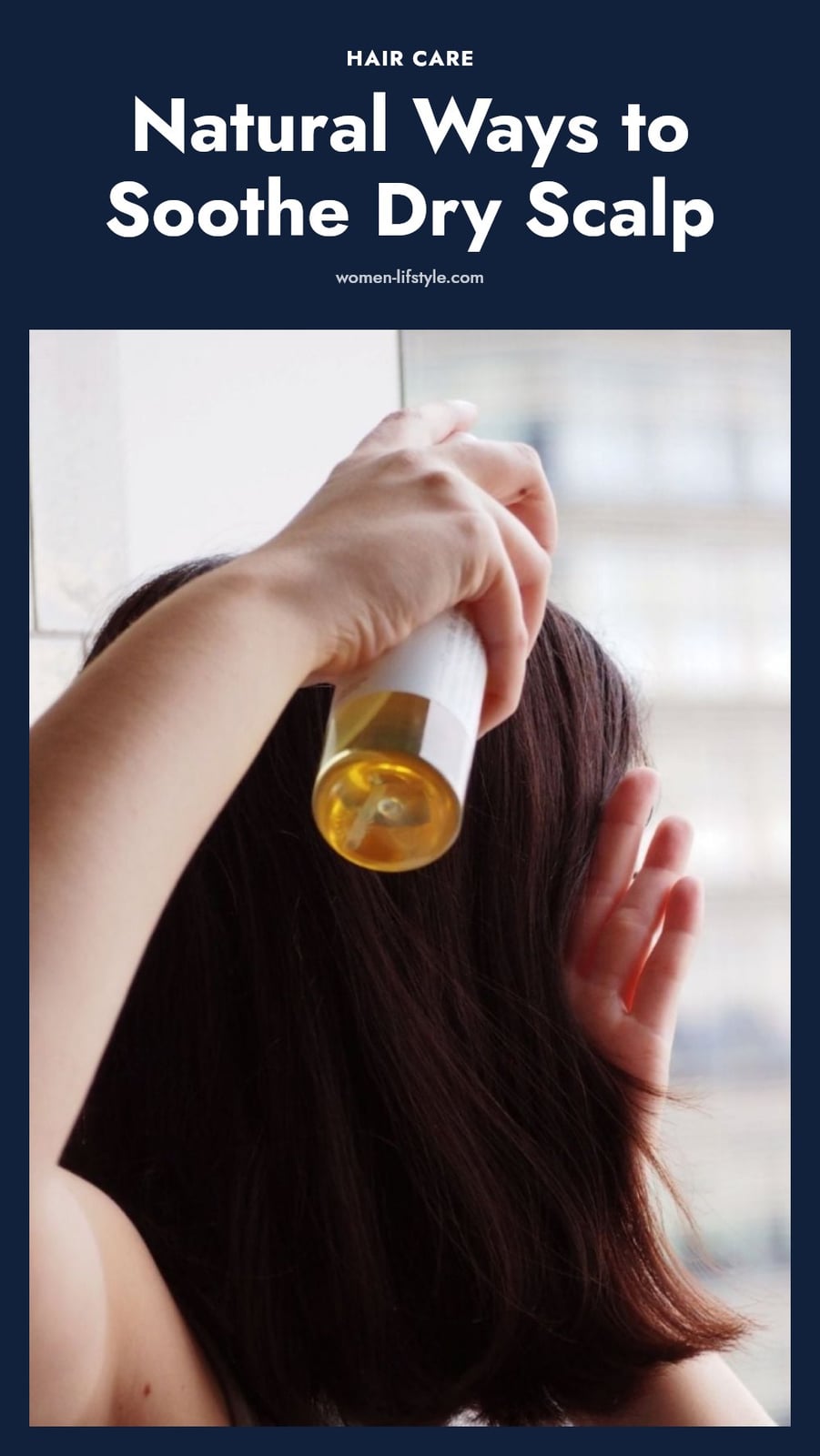
If your scalp feels tight, itchy, or flaky, you might be dealing with dryness rather than dandruff. The difference matters because the wrong treatment can make things worse. This article covers what causes a dry scalp, natural ways to restore moisture, common mistakes to skip, and when it’s time to see a professional.
Key Takeaways
- Use a gentle, sulfate-free shampoo and wash with lukewarm water 2-3 times a week.
- Apply a carrier oil like jojoba or coconut oil to your scalp weekly for deep moisture.
- Never confuse dry scalp with dandruff; anti-dandruff shampoos can worsen dryness.
- Add a humidifier to your home during dry seasons to help keep your scalp hydrated.
- See a dermatologist if symptoms persist after a few weeks of natural care.
What Causes Dry Scalp and How to Fix It
Dry scalp happens when your scalp lacks moisture, which leads to itchiness, flaking, and tightness. It is not the same as dandruff. Dandruff is typically caused by an overgrowth of yeast and often shows up as larger, yellowish, oily flakes. Using anti-dandruff shampoos on a dry scalp can actually make things worse by stripping away even more moisture. To fix a dry scalp, focus on restoring moisture with gentle washing, moisturizing treatments, and avoiding harsh products or environmental triggers.
Why Your Scalp Might Be Feeling Dry and Itchy
Why Your Scalp Might Be Feeling Dry and Itchy
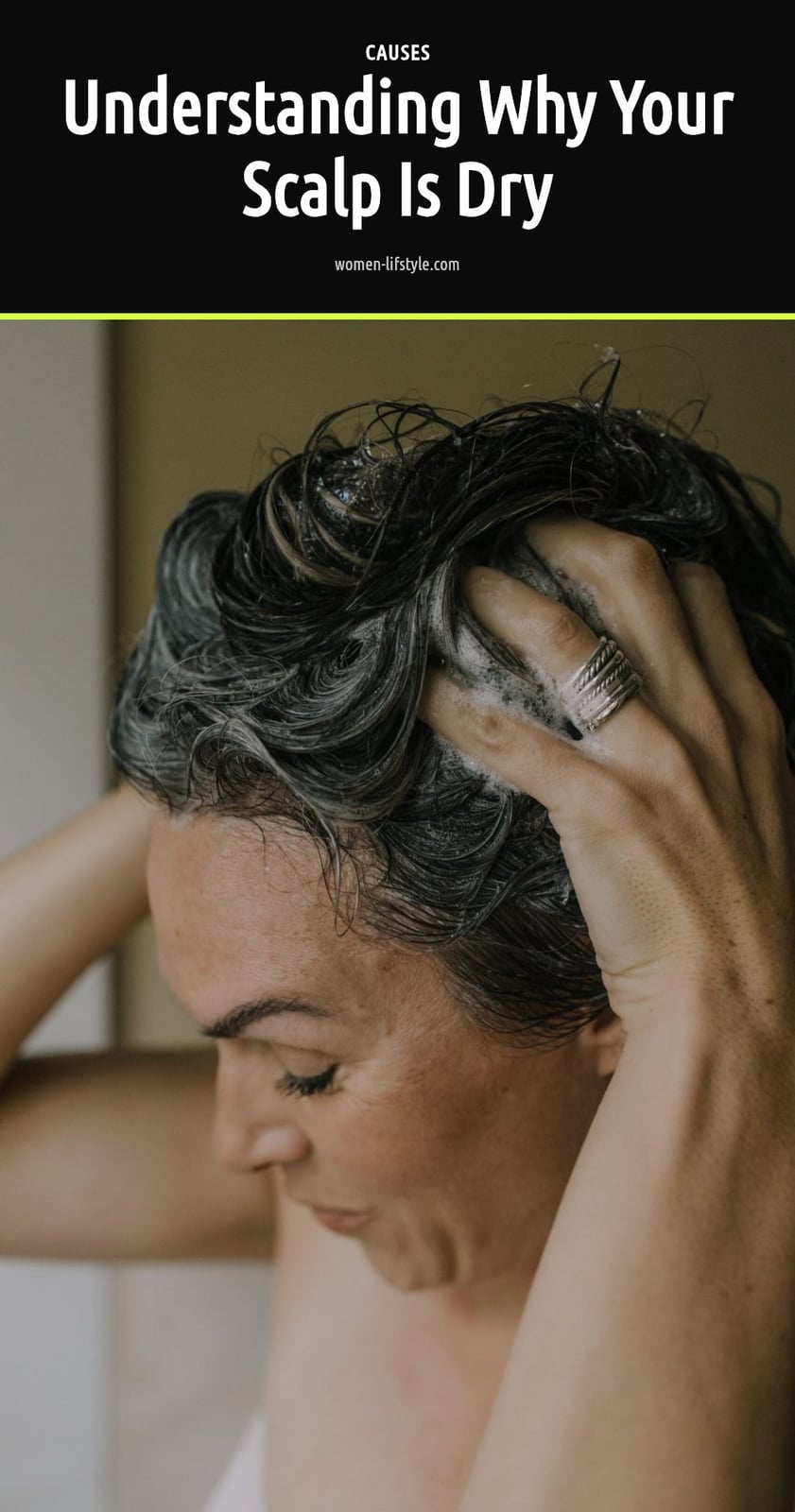
Several factors can leave your scalp feeling dry and uncomfortable. Dry air, cold weather, and low humidity all pull moisture away from your skin. Over-washing your hair, especially with hot water, removes the natural oils your scalp needs to stay hydrated. Harsh shampoos that contain sulfates or alcohol can also irritate and dry out the scalp. Underlying skin conditions like eczema or psoriasis may also be the culprit, causing dryness and flaking that requires professional diagnosis.
Your At-Home Arsenal for Soothing a Dry Scalp

Your At-Home Arsenal for Soothing a Dry Scalp
- Gentle, sulfate-free shampoo: Cleanses without stripping natural oils.
- Moisturizing conditioner: Hydrates hair and scalp.
- Jojoba oil or coconut oil: Excellent carrier oils for deep moisturizing.
- Aloe vera gel: Soothes irritation and provides moisture.
- Apple cider vinegar: Helps balance scalp pH when diluted.
- Tea tree oil (diluted): Offers antimicrobial benefits, always mix with a carrier oil.
- Humidifier: Adds moisture to your environment, especially useful in dry seasons.
Effective Natural Remedies to Hydrate Your Scalp
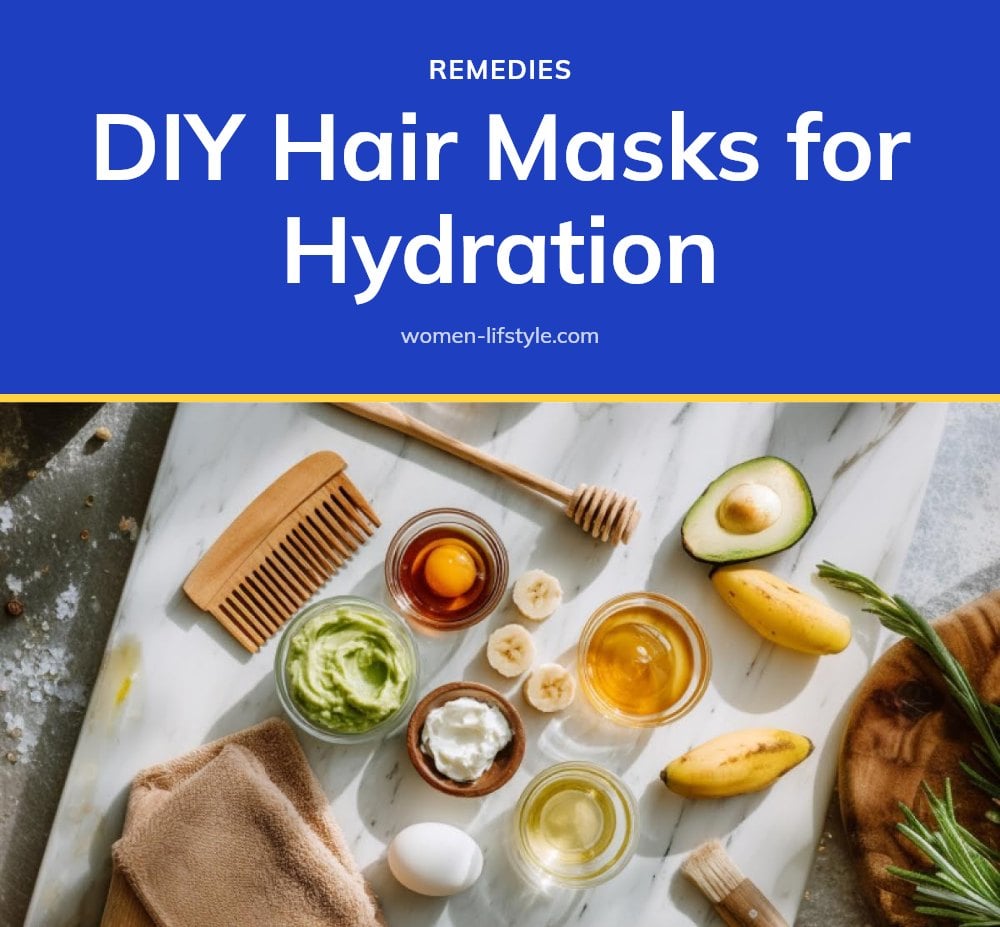
Oil treatments are one of the easiest ways to add moisture back to your scalp. Apply a carrier oil like jojoba or coconut oil directly to your scalp, using your fingertips to massage it in gently. Leave it on for at least 30 minutes before washing out with a gentle shampoo. My tip: Warm the oil slightly before applying for deeper penetration into the skin.
An aloe vera mask can soothe irritation while hydrating. Mix pure aloe vera gel with a few drops of a carrier oil and apply the mixture to your scalp. Let it sit for 20 minutes, then rinse thoroughly. Aloe vera has natural cooling properties that many people find calming on an itchy scalp.
An apple cider vinegar rinse helps balance your scalp’s pH and can reduce flaking. Dilute one part apple cider vinegar with four parts water and use it as a final rinse after shampooing. Pour it over your scalp, let it sit for a minute, then rinse with cool water. Caution: Always dilute properly to avoid irritation or a burning sensation.
A tea tree oil blend offers antimicrobial benefits for your scalp. Add 2-3 drops of tea tree oil to a tablespoon of a carrier oil like jojoba or coconut oil. Gently massage the blend into your scalp before shampooing, leaving it on for 5-10 minutes. Caution: Never apply undiluted tea tree oil directly to your skin, as it can cause severe irritation.
Common Mistakes That Worsen Dry Scalp
Many people mistake dry scalp for dandruff and reach for an anti-dandruff shampoo. That can backfire. Those shampoos are designed to fight yeast and often contain stronger cleansing agents that strip moisture, making a dry scalp worse.
Over-washing Your Hair: Washing every day or using very hot water removes the natural oils your scalp needs to stay hydrated. Stick to 2-3 times a week with lukewarm water.
Using Harsh Hair Products: Shampoos and styling products with sulfates, alcohol, or strong fragrances can irritate and dry out your scalp. Check labels and choose gentle formulas.
Aggressive Scratching: Scratching an itchy scalp feels good for a moment but can cause further irritation, damage the skin, and even create open sores that risk infection.
Keep Your Scalp Hydrated: Long-Term Prevention Tips
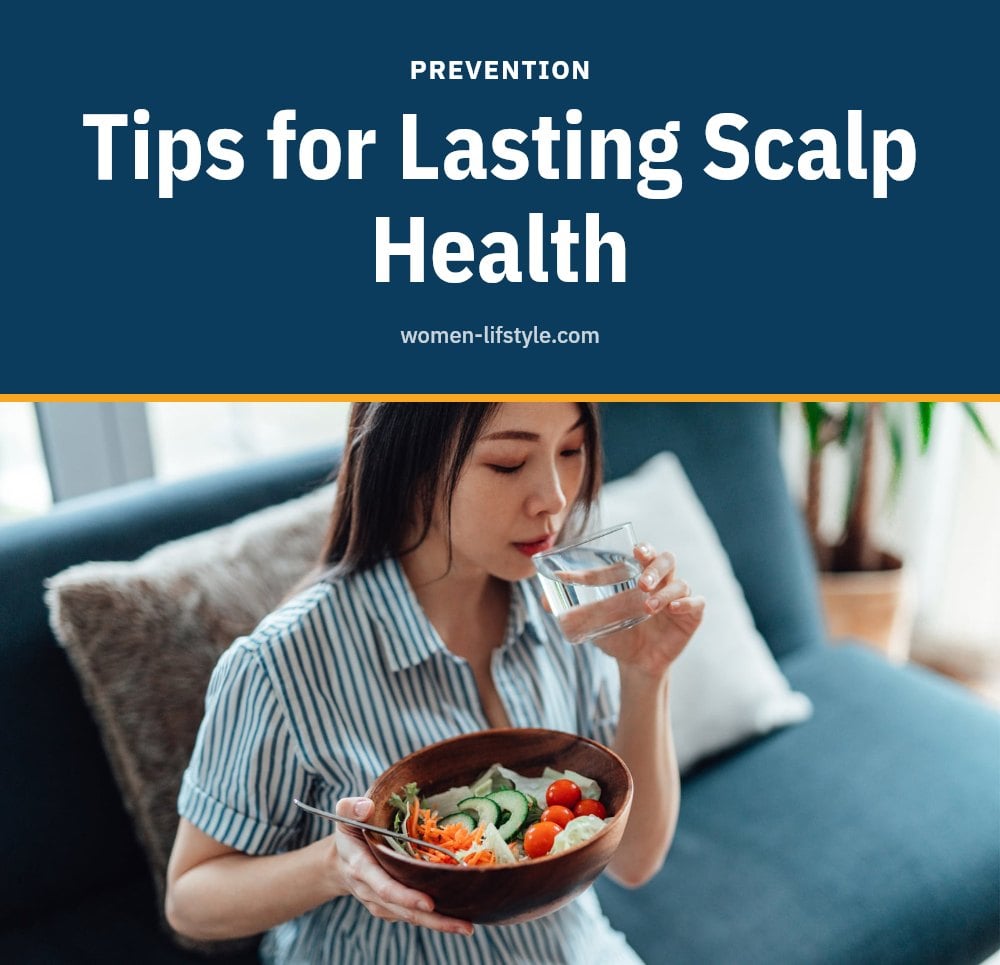
Hydrate from Within: Drink plenty of water throughout the day to support overall skin and scalp health. Dehydration shows up everywhere, including your scalp.
Use a Humidifier: In dry climates or during winter, a humidifier adds moisture to the air in your home. This can help prevent your scalp from drying out overnight.
Protect Your Scalp: Wear a hat or scarf in harsh sun, cold wind, or dry weather. Shielding your scalp from environmental damage goes a long way.
Balanced Diet: Foods rich in omega-3 fatty acids, like salmon, flaxseeds, and walnuts, nourish your skin and scalp from the inside.
Gentle Washing Routine: Wash your hair 2-3 times a week with lukewarm water and a gentle, sulfate-free shampoo. This preserves your scalp’s natural moisture barrier.
How Long Until You See Results and What to Expect
Timeline for Results: With consistent natural treatment, you should start to see improvement within 1-2 weeks. Flaking and itchiness often decrease first.
Frequency of Treatment: Continue moisturizing treatments 1-2 times a week, or as needed, for ongoing relief and prevention.
Cost: Most natural remedies are very budget-friendly. You likely already have ingredients like coconut oil or aloe vera, or you can find them cheaply at any grocery store or pharmacy.
When to See a Doctor or Dermatologist for Your Scalp
If your dry scalp is severe, persistent, or doesn’t improve with natural remedies after a few weeks, it’s time to see a doctor or dermatologist. The same goes if you notice open sores, significant hair loss, or signs of infection like pus, increased redness, or severe pain.
If you suspect an underlying skin condition such as eczema, psoriasis, or a fungal infection, only a professional can diagnose and treat it properly. Also, if you have any allergic reactions to new products or remedies, such as increased redness, itching, burning, or swelling, stop use and consult a healthcare provider.
Frequently Asked Questions
How often should I treat my dry scalp?
Most people benefit from a moisturizing treatment, such as an oil massage, once or twice a week. You can adjust the frequency based on how your scalp responds. Over-treating may cause buildup, so start with once a week and increase if needed.
Can diet affect my scalp health?
Yes, staying hydrated and eating foods rich in omega-3 fatty acids, like salmon or walnuts, can support skin and scalp health from the inside. A balanced diet helps maintain your scalp’s natural moisture barrier, though it’s not a standalone fix for severe dryness.
Is it normal for my scalp to flake after treatment?
Some light flaking right after a treatment can be normal as dead skin cells are loosened and shed. However, if flaking continues or increases, you may be reacting to an ingredient. Stop using the product and consult a dermatologist if irritation persists.
What’s the difference between dry scalp and dandruff?
Dry scalp is caused by a lack of moisture, leading to small, dry flakes and itchiness. Dandruff is usually linked to an overgrowth of yeast and produces larger, yellowish, oily flakes. Using an anti-dandruff shampoo on a dry scalp can strip moisture and worsen the problem.
Final Thoughts
Start with the simplest change: switch to a sulfate-free shampoo and wash your hair with lukewarm water no more than three times a week. Within one to two weeks, you should notice less flaking and tightness. For ongoing relief, keep up a weekly oil treatment and consider using a humidifier in dry weather. Natural care works well for most mild to moderate dryness, but if your symptoms are severe or don’t improve, don’t hesitate to consult a doctor or dermatologist. A healthy scalp is the foundation for healthy hair, and a few small adjustments can make a big difference.
This article provides general information for educational purposes and is not a substitute for professional medical advice. If you have a persistent or severe scalp condition, open sores, significant hair loss, or signs of infection, please consult a dermatologist or healthcare provider.
