

You’ve probably heard that not all fats are bad, but figuring out which ones to reach for can be confusing. Healthy fats, mainly unsaturated ones from plants and fish, are actually essential for energy, absorbing vitamins, and keeping your cells working right. This article breaks down the types of healthy fats, which foods pack them, and how to add them to your meals without overdoing it.
Key Takeaways
- Prioritize unsaturated fats from olive oil, avocados, nuts, and fatty fish for heart and brain health.
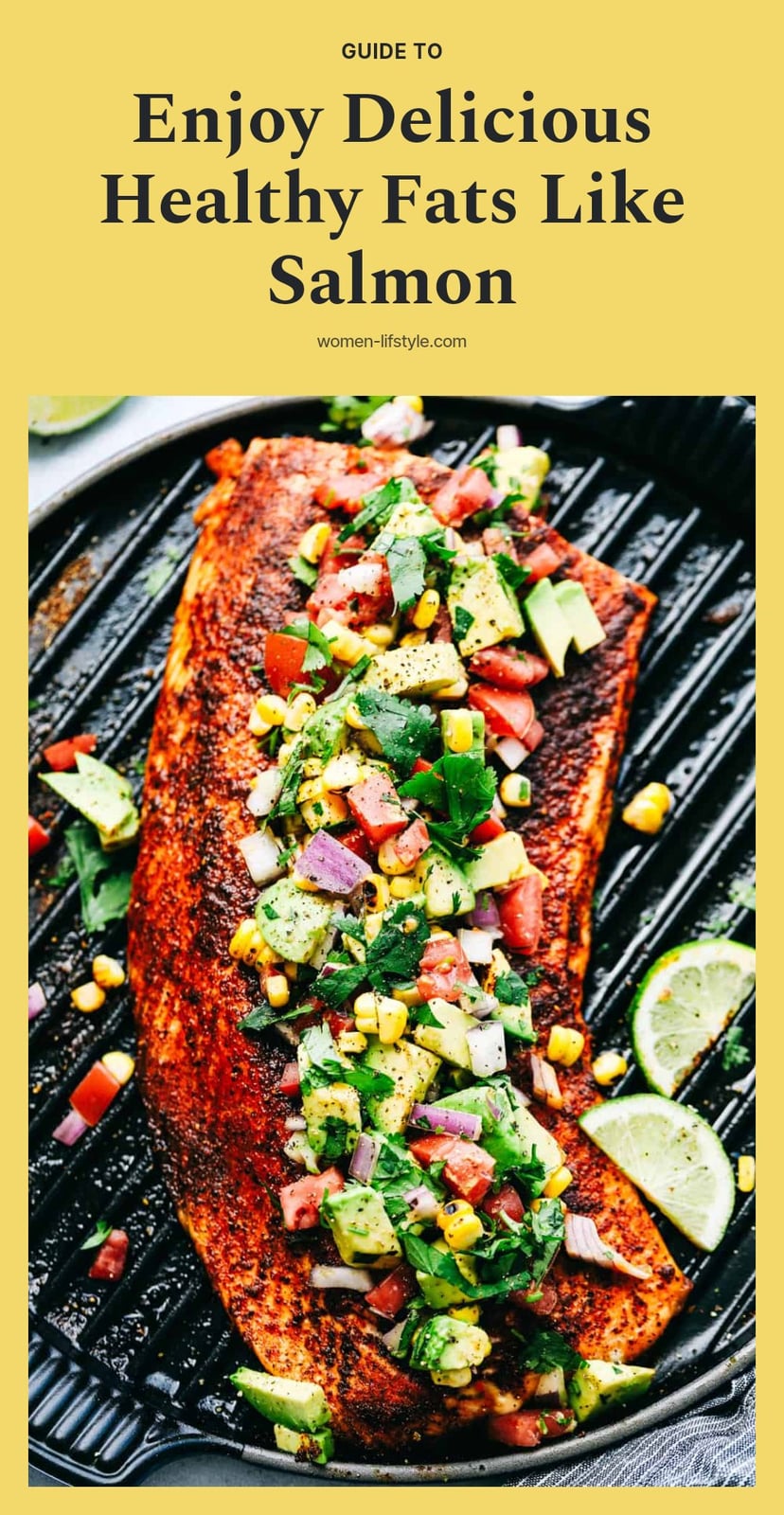
- Eat fatty fish like salmon or mackerel at least twice a week for omega-3s.
- Limit saturated fat to less than 10% of your total daily calories, as recommended by the Dietary Guidelines for Americans.
- Avoid trans fats entirely by checking labels for partially hydrogenated oils.
- Even healthy fats are calorie-dense, so watch your portions to avoid excess calories.
What Are Healthy Fats and Why Do We Need Them?
Healthy fats are unsaturated fats that your body needs to absorb vitamins A, D, E, and K, produce energy, and build cell membranes. They come mainly from plant-based foods like avocados and nuts, plus fatty fish such as salmon. Including them in your meals can support heart function, sharpen brain performance, and improve overall well-being without the downsides of saturated or trans fats.
Comparing Healthy Fats: What to Pick
Not all fats are the same. Here is a quick breakdown of the main types and what they do for you.
| Type of Fat | Main Sources | Key Benefit or Caution |
|---|---|---|
| Monounsaturated (MUFA) | Olive oil, avocados, nuts | Helps lower LDL (bad) cholesterol |
| Polyunsaturated (PUFA), Omega-3 | Salmon, mackerel, flaxseeds, walnuts | Supports heart and brain health |
| Polyunsaturated (PUFA), Omega-6 | Soybean, corn, sunflower oil | Essential but balance with omega-3s to avoid inflammation |
| Saturated | Red meat, butter, full-fat dairy | Limit to less than 10% of daily calories |
| Trans | Processed foods, baked goods with partially hydrogenated oils | Avoid entirely |
The Power of Unsaturated Fats: MUFAs and PUFAs
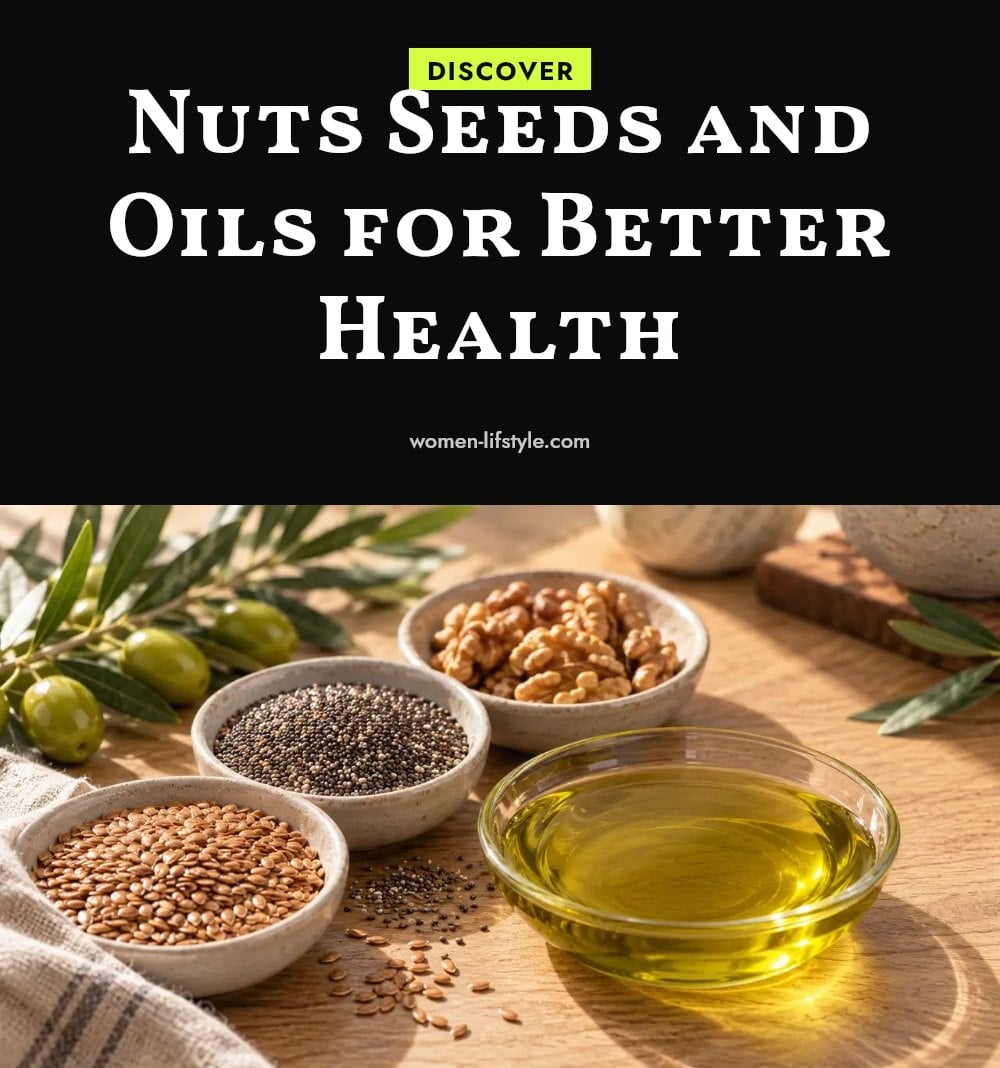
Monounsaturated fats (MUFAs) are your heart’s friend. Olive oil, avocados, and nuts deliver them generously, and they work by lowering LDL cholesterol without reducing HDL. Polyunsaturated fats (PUFAs) bring two essential types your body cannot make on its own: omega-3s and omega-6s. Omega-3s from fatty fish, flaxseeds, and walnuts are especially protective for your heart and brain. Omega-6s are plentiful in vegetable oils like soybean and sunflower oil, which are fine in moderate amounts.
What matters most is the ratio between them. A diet too high in omega-6s relative to omega-3s can promote inflammation. My tip: aim for more omega-3-rich foods weekly and use oils like olive or avocado for most of your cooking to keep the balance in check.
1. Embrace These Healthy Fat Sources Daily
Adding these foods to your routine is straightforward and delicious.
- Avocados: Slice them onto salads, sandwiches, or smoothies for monounsaturated fats, fiber, and vitamins.
- Nuts and seeds: A handful of almonds, walnuts, chia seeds, or flaxseeds gives you healthy fats plus protein and fiber.
- Extra virgin olive oil: Use it for low-heat cooking or as a dressing to get MUFAs and antioxidants.
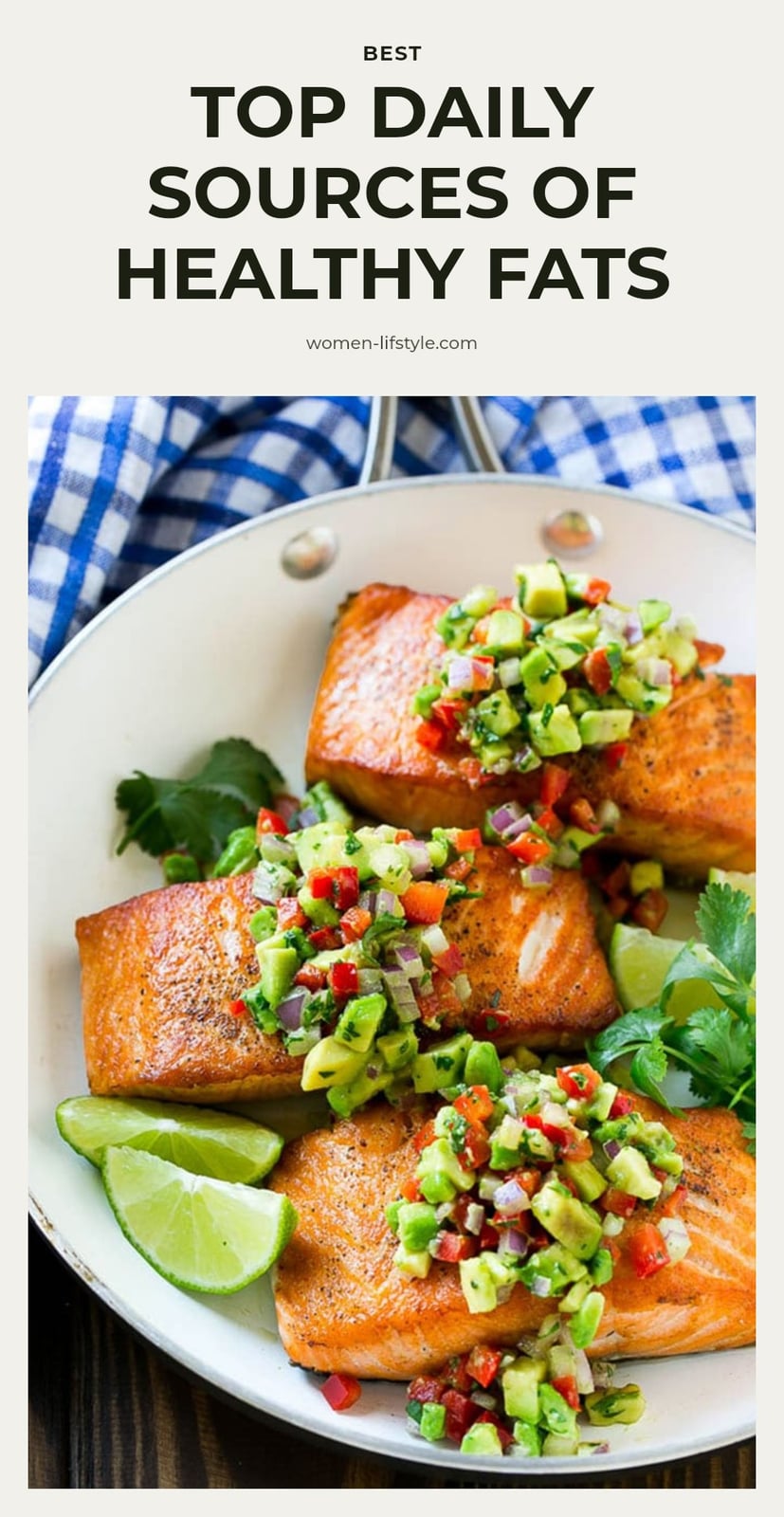
- Fatty fish: Salmon and mackerel are top sources of omega-3s. Aim for two servings per week.
Common Mistakes When Incorporating Healthy Fats
Many people still believe all fats are bad and try to cut them out entirely. That mistake robs your body of essential nutrients and can leave you feeling unsatisfied after meals. Another common trap is reaching for ‘low-fat’ processed foods, thinking they are healthier. Those products often replace fat with added sugar or refined carbs, which is no improvement.
Even healthy fats are calorie-dense, so overdoing portions works against your goals. A handful of nuts is great; a whole bag is not. It is also easy to lump all fats together, but saturated and unsaturated fats affect your body differently. And while coconut oil has become popular, it is high in saturated fat, so treat it like any other saturated fat and use it sparingly.
Practical Tips for Adding Healthy Fats to Your Diet
Start by choosing plant-based oils like olive oil or avocado oil for cooking and dressings. Aim to include fatty fish such as salmon or mackerel at least twice a week for a solid omega-3 boost. For snacks, grab a handful of nuts or seeds daily, almonds, walnuts, or chia seeds all work well.
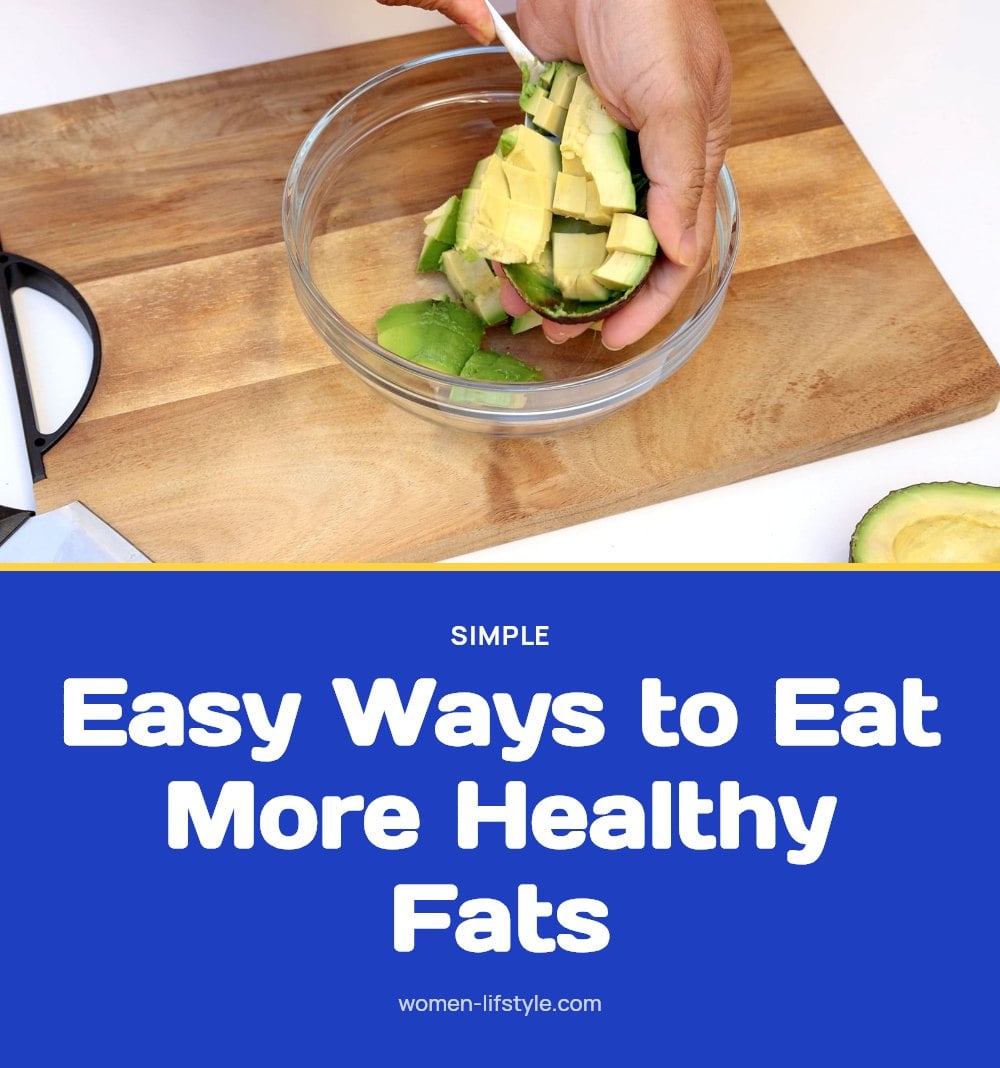
My tip: Add avocado slices to salads, sandwiches, or even scrambled eggs for extra creaminess and healthy fats. Use olive oil for sautéing vegetables or as a simple salad dressing. Finally, get into the habit of reading food labels. Look for products where unsaturated fats are listed prominently and avoid anything with partially hydrogenated oils.
When to Consult a Health Professional About Your Diet
If you have a health condition such as high cholesterol or heart disease, talk to your doctor or a registered dietitian before making major dietary changes. They can give you personalized advice that fits your specific needs. Also check with a professional if you have allergies to nuts, seeds, or fish, so you can find safe alternatives. A consultation can also help you balance your fat intake without going overboard on calories.
Frequently Asked Questions
Can I eat healthy fats if I’m trying to lose weight?
Yes, you can include healthy fats in a weight loss plan. They help you feel full and satisfied, which can prevent overeating later. Just keep portions in check since fats are calorie-dense, and focus on unsaturated sources like avocados, nuts, and olive oil.
Are all plant-based oils considered healthy?
Not all plant-based oils are equally healthy. Olive oil and avocado oil are rich in monounsaturated fats, which are great for your heart. Oils like soybean, corn, and sunflower are high in omega-6s, which are fine in moderation but can promote inflammation if you get too much compared to omega-3s.
How much healthy fat should I eat daily?
There’s no single number, but a good rule is to let healthy fats make up about 20-35% of your total daily calories. For saturated fat, keep it under 10% of your calories, as recommended by the Dietary Guidelines for Americans. A registered dietitian can give you a precise target based on your needs.
What’s the difference between omega-3 and omega-6 fatty acids?
Both are essential polyunsaturated fats your body can’t make, but they have different roles. Omega-3s (from salmon, walnuts, flaxseeds) support heart and brain health and help reduce inflammation. Omega-6s (from vegetable oils) provide energy, but eating too many relative to omega-3s can promote inflammation.
Is butter a healthy fat?
Butter is high in saturated fat, so it’s best used in small amounts. While it can fit into a balanced diet, swapping it for unsaturated fats like olive oil or avocado oil is better for your heart health. If you have high cholesterol, talk to a doctor about how much saturated fat is right for you.
Final Thoughts
My tip is to start with one simple swap: use olive oil or avocado oil for cooking and dressings instead of butter or processed oils. You might notice you feel fuller after meals, and the benefits for your heart and brain can show up within weeks or months when you stick with it. Building a habit around healthy fats is a small change that pays off for years.
The information in this article is for general educational purposes only and is not a substitute for professional medical or dietary advice. If you have a health condition such as high cholesterol or heart disease, or if you have allergies, consult a doctor or registered dietitian before making changes to your diet.
