

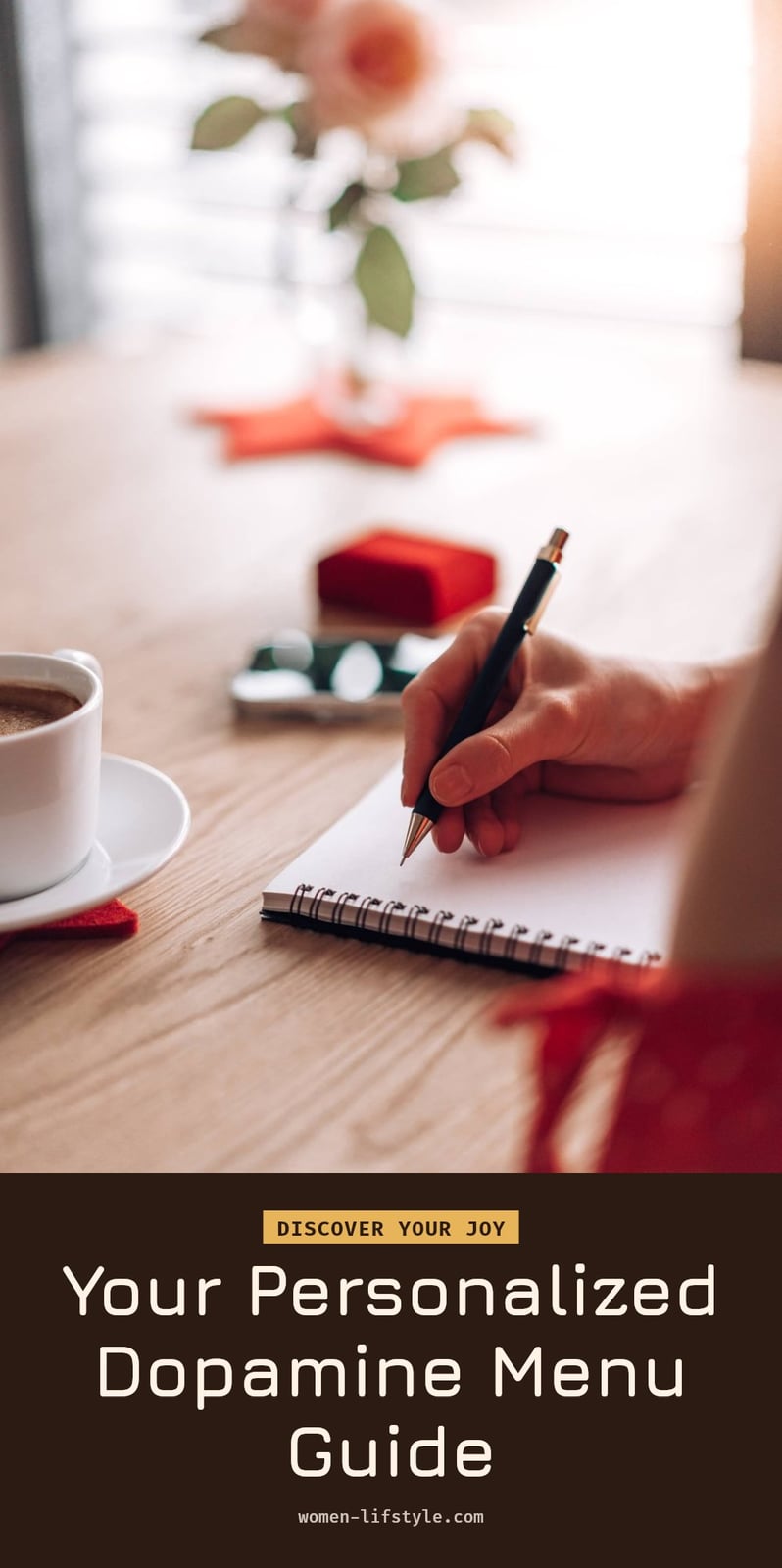
Sometimes you wake up feeling flat, and scrolling through your phone only makes it worse. A dopamine menu is simply a go-to list of activities that reliably lift your mood, from a five-minute stretch to calling a friend. In this article, I’ll walk you through how to build your own menu, what to include, and how to use it so you can feel better on purpose.
Key Takeaways
- A dopamine menu is a personalized list of activities that naturally boost your mood, not a to-do list of chores.
- Sort your activities by effort level: low, medium, and high, so you always have something you can do.
- Include a variety of physical, creative, social, and relaxing items to cover different mood needs.
- Start with a small, low-effort activity when you’re feeling low, and reflect on how it made you feel afterward.
- If you experience persistent low mood or anhedonia, consult a healthcare professional instead of relying solely on this tool.
What is a Dopamine Menu and How Does It Work?
A dopamine menu is a personalized list of activities you can turn to when you need a reliable mood boost. Each item on your menu is something that genuinely brings you joy, satisfaction, or a sense of accomplishment. The concept works by intentionally triggering your brain’s natural release of dopamine, the neurotransmitter that drives motivation and pleasure. Instead of waiting for a good mood to strike, you proactively choose an activity from your menu to combat low energy or lack of motivation. The key is personalization: what works for someone else may not work for you, so your menu should reflect your own sources of happiness.
Why Intentional Dopamine Boosting Matters
Dopamine is your brain’s reward chemical, and it directly influences how motivated and focused you feel. Activities that give you a sense of accomplishment, expose you to something new, or connect you with others all naturally raise dopamine levels. That’s why finishing a small task, learning a new recipe, or chatting with a friend can leave you feeling energized.
Passive consumption vs. active engagement
Scrolling through social media or binge-watching a show might feel relaxing, but these passive activities rarely provide lasting satisfaction. Intentional engagement with genuinely rewarding actions, like completing a puzzle or taking a walk, is far more effective at boosting your mood. Your brain registers the effort and the reward more strongly when you actively participate.
Supporting dopamine with lifestyle basics
- Balanced diet: Foods rich in tyrosine, such as eggs, dairy, and almonds, provide the raw materials your brain uses to produce dopamine.
- Adequate sleep: Your brain resets its dopamine receptors during rest, so consistent sleep helps maintain healthy levels.
Without these foundations, even the best dopamine menu will have a harder time working.
Tools You’ll Need to Build Your Menu
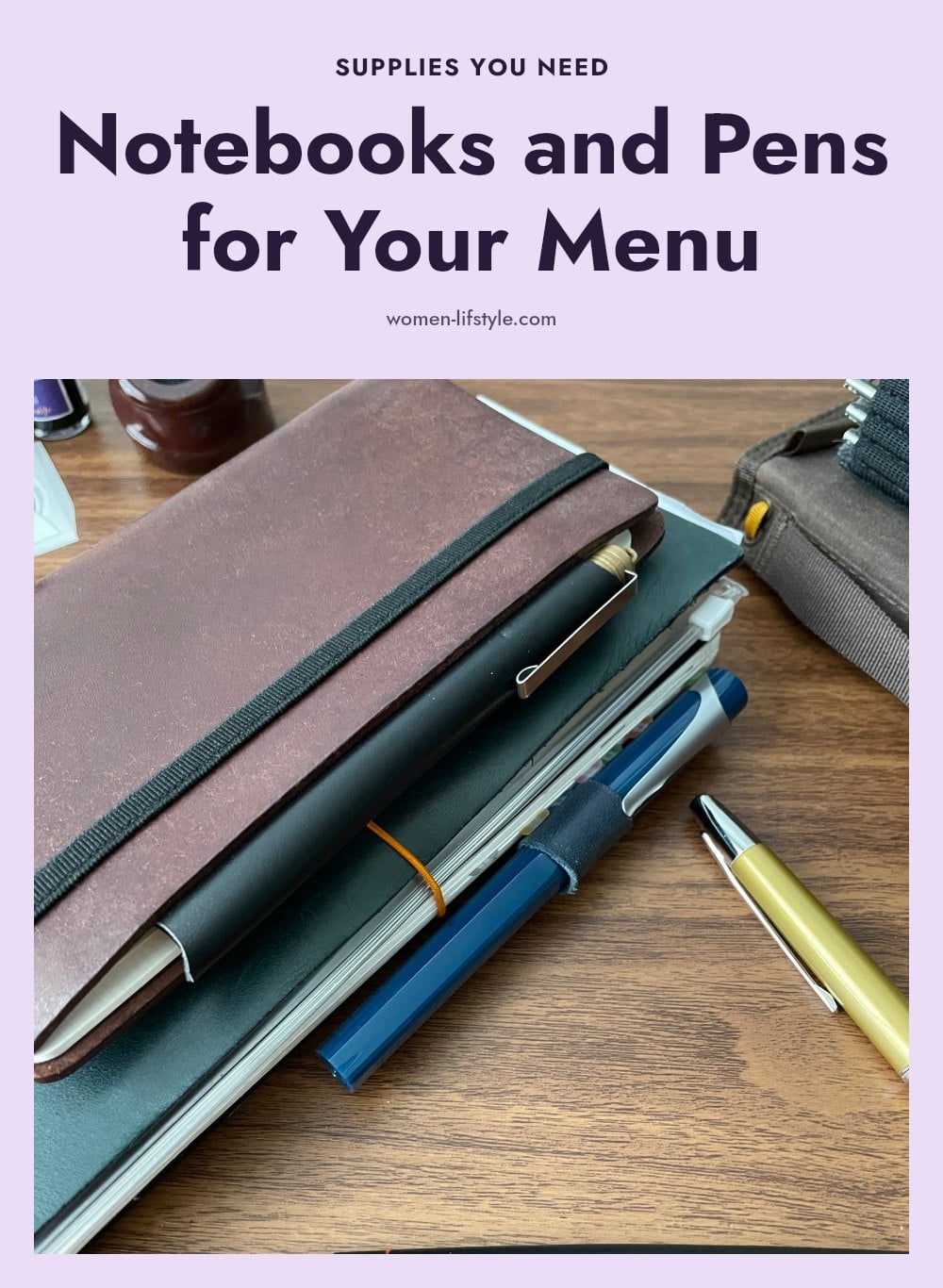
You likely already own everything you need to start. Grab a pen and paper or open a digital note-taking app to brainstorm ideas. A journal or planner helps you track which activities lift your mood and which ones fall flat. Use a calendar to schedule your dopamine menu items into your week, especially on days you know will be stressful. Beyond that, gather the specific supplies for the activities you choose: craft materials, a good pair of walking shoes, your favorite playlist, or a book you’ve been meaning to read.
Step-by-Step: Building Your Personalized Dopamine Menu
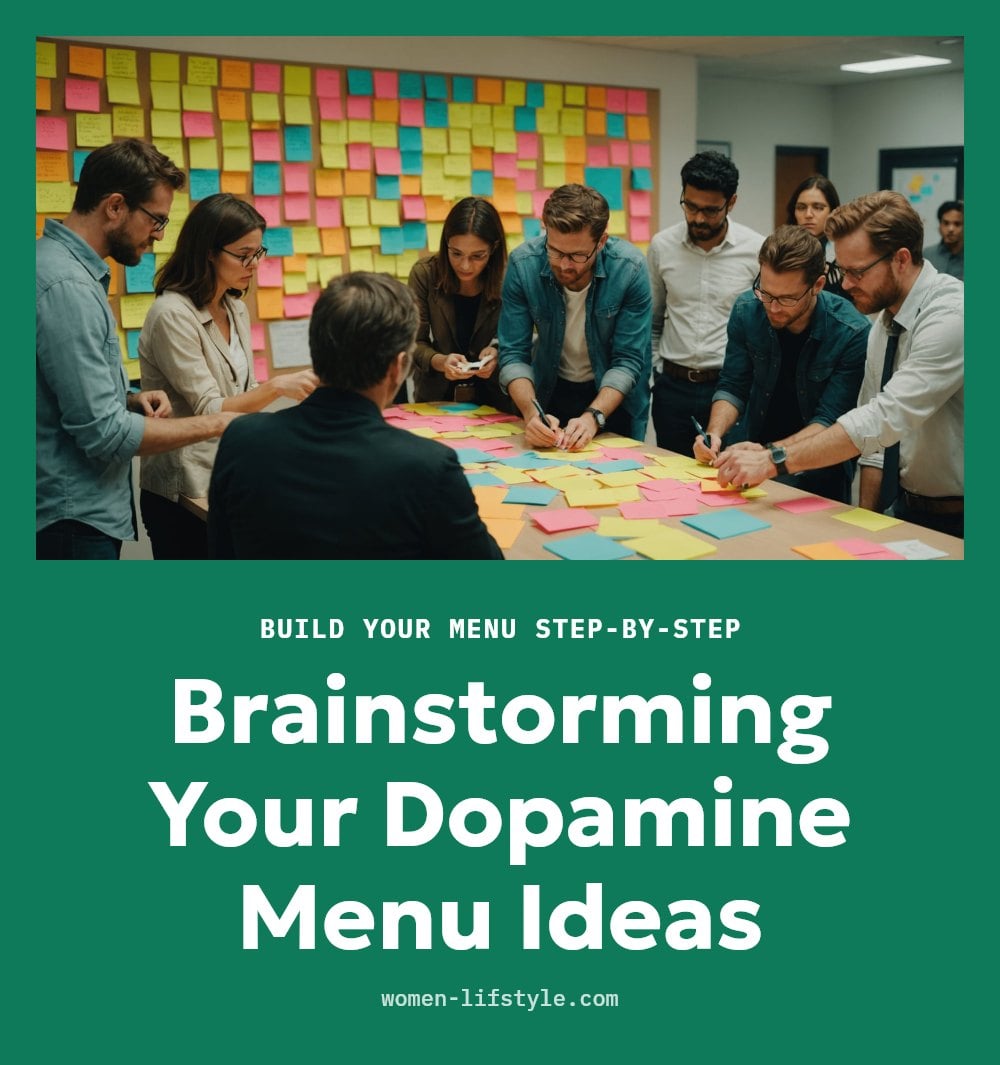
- Brainstorm your joy list: Write down every activity that reliably makes you feel good, accomplished, or joyful. Think small (sipping tea in silence) and big (taking a day trip). Don’t filter yet, just capture ideas.
- Categorize by effort level: Sort your list into three groups: low effort (listening to a song, stretching for 2 minutes), medium effort (cooking a new recipe, calling a friend), and high effort (learning a new skill, redecorating a room). This lets you pick an activity that matches your current energy.
- Add variety: Make sure your menu includes physical activities (a short walk), creative outlets (doodling, writing), social connections (coffee with a neighbor), and relaxing options (taking a bath). A mix prevents boredom and covers different mood needs.
- Break down big tasks: If a large project feels overwhelming, split it into smaller steps. Each completed step gives you a mini dopamine hit. For example, “organize one drawer” instead of “clean the whole house.”
- Keep it accessible: Write your menu on a sticky note, save it as a note on your phone, or pin it to your fridge. When you feel a slump, you want to reach for it without searching.
- Experiment regularly: Every few weeks, try one new activity you’ve never done before. Novelty itself boosts dopamine, so adding fresh options keeps your menu effective over time.
Common Dopamine Menu Mistakes to Avoid
Confusing with a chore list: Your dopamine menu is about joy, not obligation. If an activity feels like a task you have to complete, it won’t deliver the mood boost you’re after. Keep it separate from your to-do list.
Including fleeting ‘highs’: Avoid activities that lead to guilt or negative consequences, like excessive sugar or endless scrolling. These provide a temporary spike followed by a crash, which works against your goal.
Making it too rigid: Allow flexibility and adjust your menu based on your energy and preferences. A high-effort item might feel great one day and overwhelming the next. Focusing only on ‘big’ activities: Appreciate and include small, consistent pleasures. A five-minute stretch or listening to one song counts as much as a longer activity.
Expecting instant, dramatic shifts: Small, consistent joys accumulate over time. Neglecting updates: Regularly review and refresh your menu as your interests evolve. What brought you joy three months ago might not resonate today.
Pro Tips for Maximizing Your Dopamine Menu
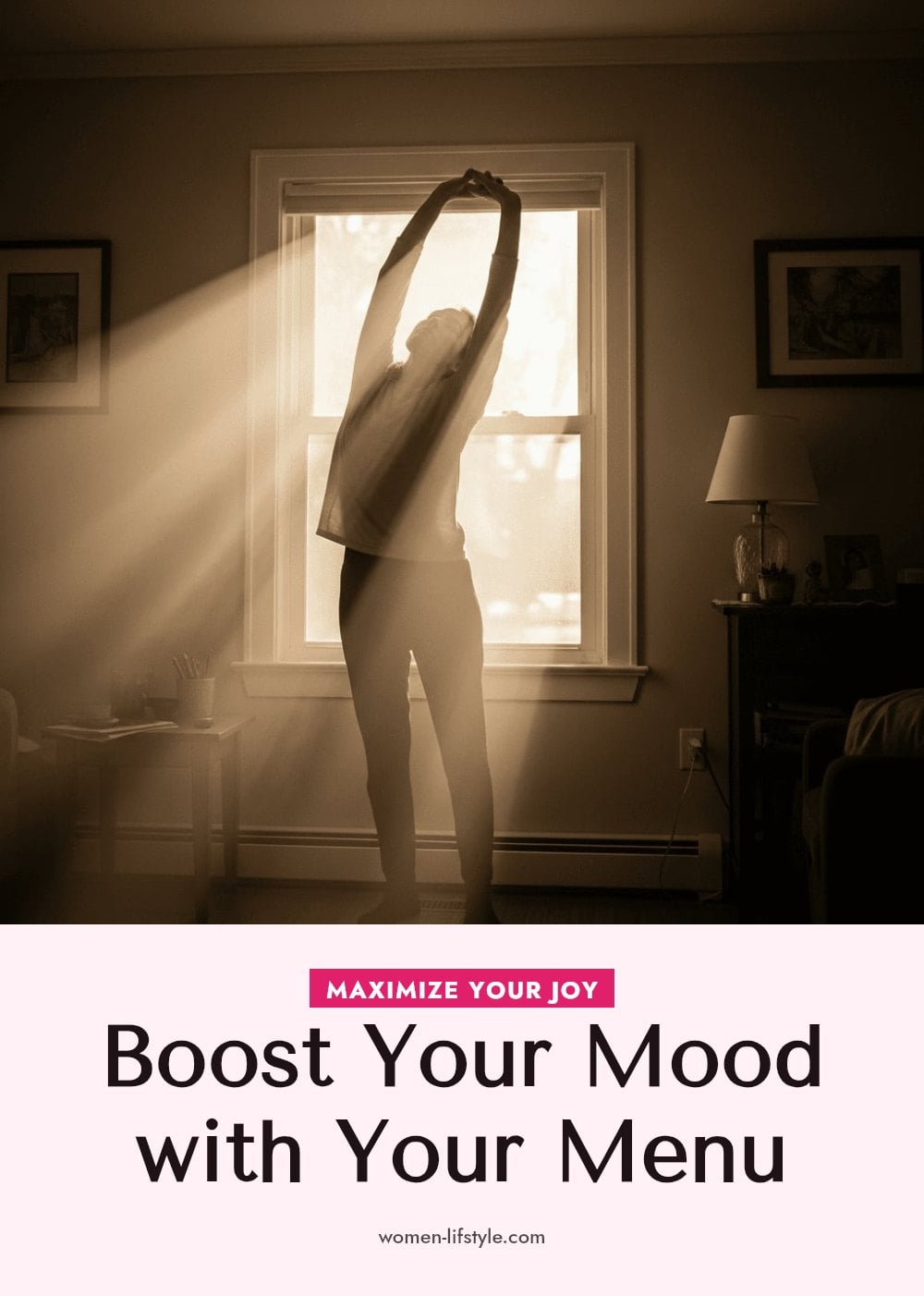
Start small: When feeling low, choose a low-effort item to get started. Opening a window for fresh air or brewing your favorite tea takes minimal energy but can shift your momentum.
Reflect and refine: After an activity, note how it made you feel to understand its impact. A quick journal entry helps you identify which items work best for different moods.
Prioritize intrinsic rewards: Focus on the inherent pleasure of an activity, not external validation. The goal is how the activity makes you feel, not how it looks to others. Embrace novelty: Learning new skills or trying new things can provide a fresh dopamine boost. Swap a familiar walk for a new route or try a recipe you’ve never made.
Incorporate movement: Even short bursts of physical activity can stimulate dopamine. A few jumping jacks or a brisk lap around the block counts. Seek natural light: Morning light exposure can positively impact mood and neurotransmitter regulation. Step outside for five minutes after waking.
Timeline and Investment for Your Dopamine Menu
Creation Time: Setting up your initial menu can take 1-2 hours of focused reflection. You don’t need to finish it in one sitting; add items as they come to you throughout the week.
Results Timeline: Consistent use can lead to noticeable mood improvements within days or weeks. The key is regularity, not perfection. Frequency of Use: Aim to incorporate at least one dopamine menu item daily, especially when you need a lift.
Cost: Minimal to none. The menu focuses on activities you already enjoy or can access freely, such as walking, reading, or listening to music. No special purchases required.
When to Seek Professional Support
If you experience persistent low mood, anhedonia (inability to feel pleasure), or other symptoms of depression, consult a healthcare professional. A dopamine menu is a wellness tool, not a treatment for clinical conditions.
Be mindful if your dopamine menu activities feel compulsive or addictive, or if you struggle to manage them. This may signal an underlying issue that requires professional support. If you have underlying health conditions that might be impacting your mood or energy levels, speak with your doctor before making significant changes to your routine.
Remember, a dopamine menu supports well-being but does not replace medical or mental health treatment.
Frequently Asked Questions
How quickly can a dopamine menu improve my mood?
You may notice a small mood lift within minutes of doing a low-effort item, like stepping outside or listening to a favorite song. Consistent use over days to weeks can lead to more noticeable improvements in your overall sense of motivation and well-being, but results vary from person to person.
Can I include passive activities on my dopamine menu?
Yes, but choose passive activities that genuinely relax or comfort you, like listening to music or watching a favorite movie. Avoid passive consumption that leaves you feeling guilty or drained, such as endless social media scrolling. The key is whether the activity leaves you feeling better, not just distracted.
What if I don’t feel like doing anything on my menu?
Start with the smallest, easiest item, like taking three deep breaths or standing up and stretching. If even that feels too hard, give yourself permission to rest without guilt. A dopamine menu is a tool, not a test. When you have more energy, you can try again with a slightly bigger activity.
How often should I update my dopamine menu?
Review and update your menu every few weeks or whenever your preferences change. What feels joyful today might not work next month, and new activities may surface. Keep it flexible so it stays a true reflection of what lifts your mood right now.
Is a dopamine menu a substitute for therapy?
No. A dopamine menu is a wellness tool for everyday mood support, not a treatment for clinical depression or other mental health conditions. If you experience persistent low mood, anhedonia, or symptoms of depression, please consult a healthcare professional or therapist.
Final Thoughts
My tip: keep your dopamine menu somewhere you’ll see it every day, like on your phone’s notes app or by your desk. Start with just one low-effort item when you need a lift, and notice how your mood shifts over the next couple of weeks. The real win is building a habit of reaching for what genuinely makes you feel good, not what numbs you.
This article is for general informational purposes only and does not constitute medical or professional advice. If you are experiencing persistent low mood, anhedonia, or symptoms of depression, please consult a qualified healthcare provider or mental health professional.
