

If your skin or hair feels dry and lacks that healthy glow, shea butter might be the natural solution you have been looking for. This rich, creamy fat comes from the nuts of the African shea tree and is loaded with vitamins and fatty acids that deeply moisturize and soothe. In this article, I will walk you through how to choose the right form, apply it correctly, and avoid common mistakes so you can get the most out of this versatile ingredient.
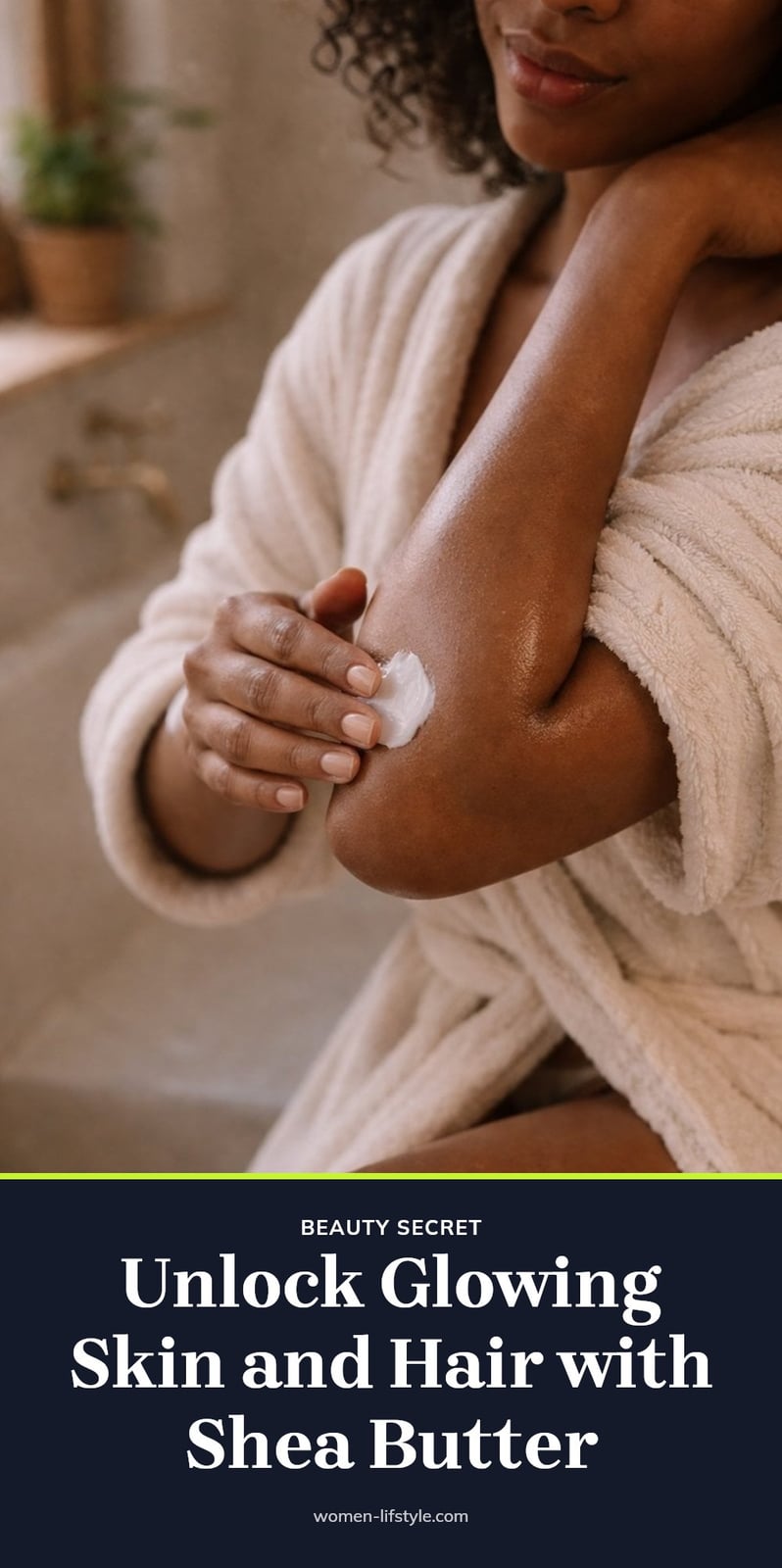
Key Takeaways
- Use unrefined shea butter for maximum vitamins A, E, and F and a natural nutty scent.
- Warm a pea-sized amount between your palms until it melts before applying to skin or hair.
- Apply shea butter to damp skin after showering for better absorption and lasting hydration.
- Store shea butter in a cool, dark, airtight container to prevent oxidation and extend shelf life.
- Perform a patch test before widespread use, especially if you have sensitive skin or a tree nut allergy.
Unlock the Power of Shea Butter for Skin and Hair
Shea butter is a natural fat from the nuts of the African shea tree, packed with vitamins A, E, and F plus fatty acids that deeply moisturize skin and hair. You can scoop it straight from the jar or mix it into DIY body butters, lip balms, and hair masks. For the full nutrient boost, always choose unrefined shea butter. It keeps its natural vitamins and minerals intact.
Essential Shea Butter Forms and Tools

You need two main forms: unrefined shea butter for maximum nutrients and a nutty scent, and refined shea butter if you prefer a milder, almost odorless option. A small airtight container keeps your butter fresh and prevents oxidation. An optional applicator, like a small spatula, helps you scoop without introducing bacteria from your fingers.
Step-by-Step: Applying Shea Butter for Deep Hydration
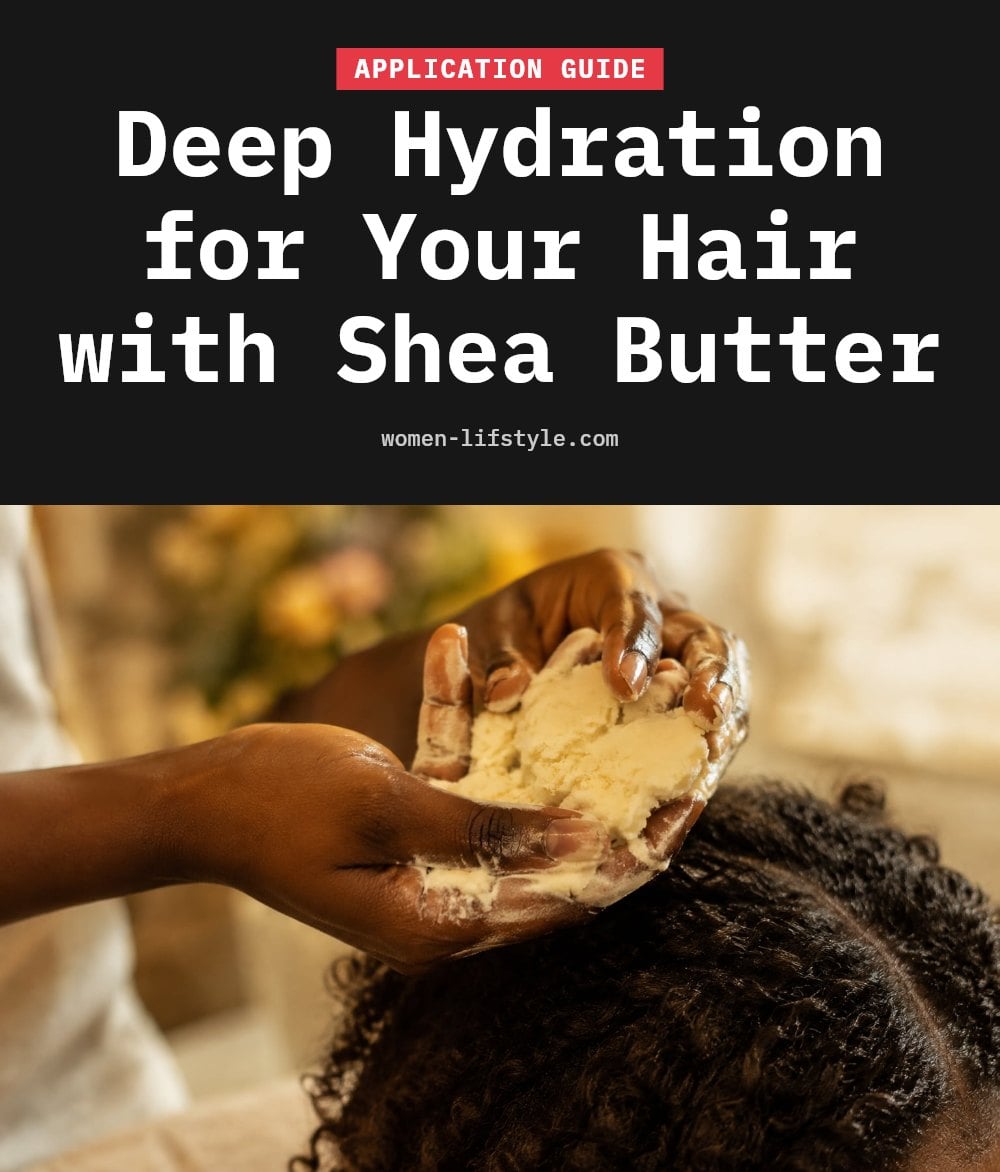
Start by scooping a pea-sized amount for your face or a dime-sized amount for a larger body area. Rub the solid butter between your palms for about 10 seconds until it softens and turns into a light oil. This melting step is key because solid shea butter does not spread evenly and can tug at your skin.
- Apply to damp skin: After showering, pat your skin so it is still moist but not dripping. The water helps the shea butter glide on and locks in hydration. Applying to dry skin creates a greasy layer on top instead of letting it absorb, so damp skin is essential for deep penetration.
- Massage gently: Use upward circular motions on your face or long strokes on your limbs. Keep going for about 30 seconds until the butter disappears into your skin. You should feel softness, not stickiness.
- Seal hair ends: Warm a tiny amount, about the size of a grain of rice, between your fingertips. Smooth it over the last two inches of dry or damp hair. Focus on the ends only, not the scalp, to tame flyaways and reduce breakage without weighing hair down. Using a small amount here prevents greasiness, even on dry hair.
For extra dry spots like elbows, knees, or heels, let the shea butter sit for two minutes before massaging. This gives the fatty acids time to penetrate the thicker skin. Use this routine once daily, preferably after your evening shower, for consistent results.
Creative Ways to Incorporate Shea Butter into Your Routine
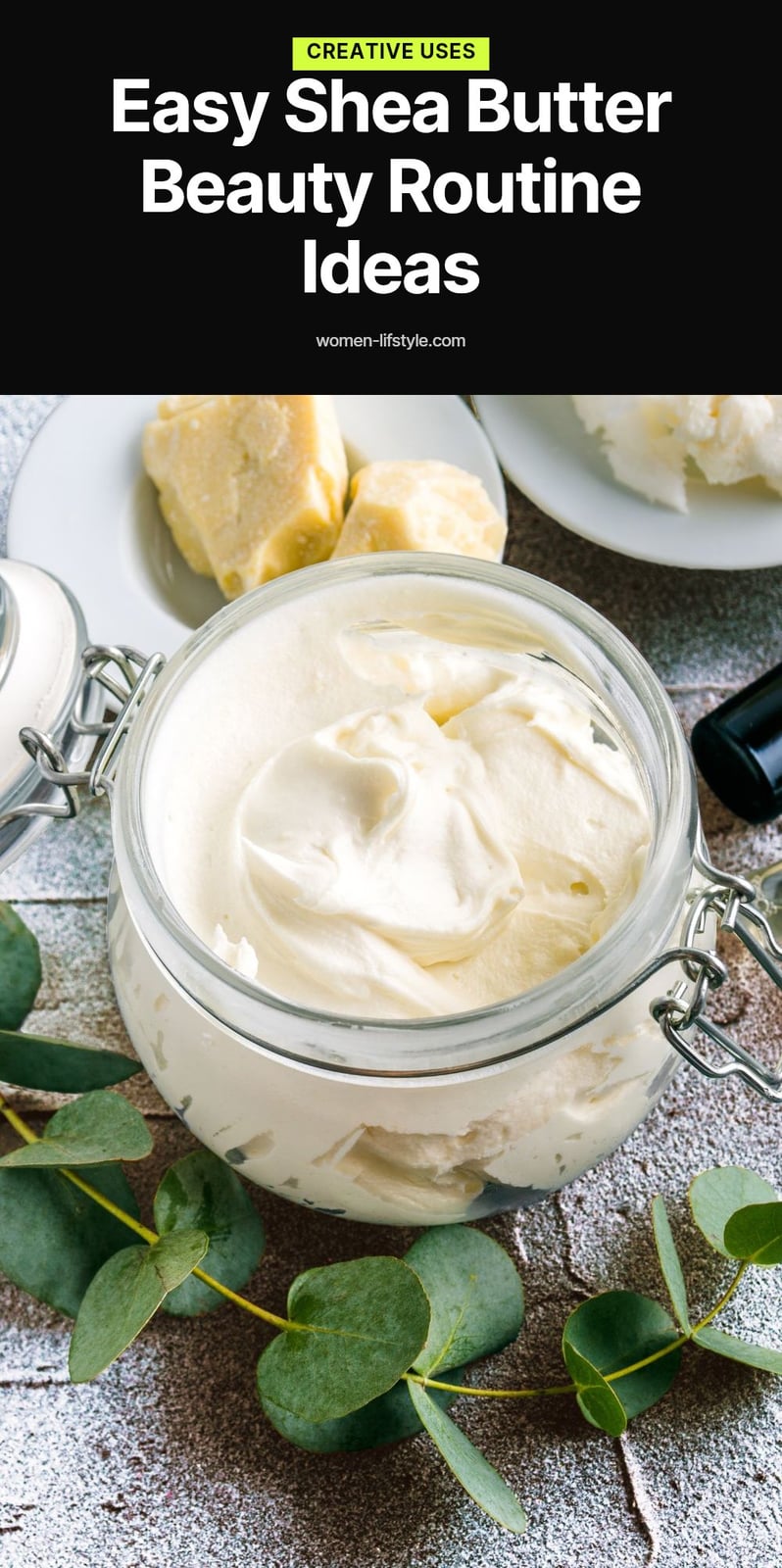
Beyond basic moisturizing, shea butter can replace several products in your routine. Try these four methods.
Nourishing Lip Balm
Melt a teaspoon of unrefined shea butter with a drop of honey, pour into a small tin, and let it set. Tip: Store the balm in a cool place to preserve its shelf life, but if it becomes too firm, warm the tin in your hand for a few seconds before swiping.
DIY Body Butter
Whip equal parts shea butter and coconut oil with a hand mixer until fluffy. Store in a jar and use after showers. Caution: Whip only what you will use in two weeks. The addition of coconut oil reduces the mixture’s stability, so it spoils faster than plain shea butter, which can last up to two years in a cool, dark place.
Hair Mask for Dry Scalp
Warm a tablespoon of shea butter and massage it into your scalp. Leave it on for 20 minutes, then shampoo as usual. Tip: Wrap your hair in a warm towel during the wait to help the butter penetrate deeper.
Soothing Hand Cream
Melt shea butter with a splash of almond oil and a few drops of lavender essential oil. Pour into a pump bottle for a non-greasy hand cream. Good to know: This works especially well after washing dishes or gardening.
Common Mistakes When Using Shea Butter and How to Fix Them
Applying too much shea butter: A pea-sized amount is enough for your face, and a dime-sized portion covers each arm or leg. Excess leaves a greasy film that won’t absorb. Start small and add more only if needed.
Expecting instant dramatic results: Shea butter hydrates immediately, but improvements in elasticity or fine lines take several weeks of daily use. Consistency matters more than quantity.
Using refined shea butter when unrefined is needed: Refined shea butter loses many vitamins during processing. For full moisturizing and anti-inflammatory benefits, choose unrefined shea butter with its natural nutty scent.
Applying to completely dry skin: Shea butter locks in moisture, so it works best on damp skin after a shower. On dry skin, it sits on top and doesn’t penetrate as well.
Not checking for purity: Some products labeled “shea butter” contain fillers or added oils. Read the ingredient list. It should say 100% shea butter, ideally unrefined.
Pro Tips for Maximizing Shea Butter Benefits
Store in a cool, dark place: Heat and light cause shea butter to oxidize and lose potency. Keep it in an airtight container in a cabinet away from the stove or windows.
Perform a patch test first: Even though shea butter is generally safe for sensitive skin, test a small amount on your inner arm 24 hours before using it on your face or body.
Apply after showering: Your skin absorbs shea butter best when it is still damp from a warm shower. Pat dry lightly, then apply.
Choose unrefined for full potency: Unrefined shea butter retains all its natural vitamins A, E, and F. If you can tolerate the nutty scent, it gives you the most benefits per application.
What to Expect: Results and Usage Frequency
You will notice immediate hydration and softness after the first use. Your skin feels smoother and less tight, especially on dry areas like elbows and knees.
For improved elasticity and reduced appearance of minor imperfections, use shea butter daily for several weeks. Results build gradually as the fatty acids support your skin barrier.
Use it once or twice a day for consistent results. A small container lasts 2-3 months with regular use, making it a cost-effective natural moisturizer.
When to Consult a Professional About Skin Concerns
If you experience redness, itching, or irritation after applying shea butter, stop use immediately. These symptoms may indicate an allergic reaction.
For persistent skin conditions like eczema or psoriasis that do not improve with shea butter after a few weeks, consult a dermatologist. Shea butter is a moisturizer, not a treatment for chronic conditions.
If you have a severe tree nut allergy, talk to your doctor before using shea butter. Although allergies to shea butter are rare, caution is warranted. Do not use shea butter on deep wounds, cuts, or infections, seek medical care instead.
Frequently Asked Questions
What is the difference between refined and unrefined shea butter?
Unrefined shea butter is the raw form, retaining more of its natural vitamins and minerals, plus a characteristic nutty or smoky scent. Refined shea butter is processed to remove impurities and scent, but this process can also strip away some beneficial compounds. For maximum nutrient benefits, choose unrefined.
Can shea butter clog pores?
Shea butter is considered non-comedogenic for most people, meaning it is unlikely to clog pores. However, if you have very oily or acne-prone skin, start with a small amount on a test area. If you notice any breakouts, use it only on dry patches or your body instead of your face.
How often should I use shea butter on my skin?
For best results, use shea butter daily, especially after showering or bathing when your skin is still damp. This helps lock in moisture and improves absorption. You can apply it once or twice a day, depending on how dry your skin feels, but consistency is key for long-term benefits.
Is shea butter safe for sensitive skin?
Yes, shea butter is generally considered safe for all skin types, including sensitive skin. It has anti-inflammatory properties that can help soothe irritation. Still, perform a patch test on a small area before widespread use, and discontinue if you notice redness or itching.
Can I use shea butter on my face?
Yes, you can use shea butter on your face, but start with a pea-sized amount to avoid a greasy feel. It is non-comedogenic for most people, so it should not clog pores. Apply it to damp skin after cleansing for best absorption, and avoid the eye area.
Final Thoughts
For consistent results, make shea butter a daily part of your routine, applying it to damp skin after each shower. You will notice immediate softness and hydration, with improvements in elasticity and minor imperfections showing over several weeks of regular use. Stick with it, and your skin and hair will thank you for the natural moisture boost.
This article provides general information about shea butter and its uses for skin and hair care. It is not a substitute for professional medical advice. If you have a persistent skin condition, severe allergies, or any adverse reaction, please consult a dermatologist or healthcare provider.
