

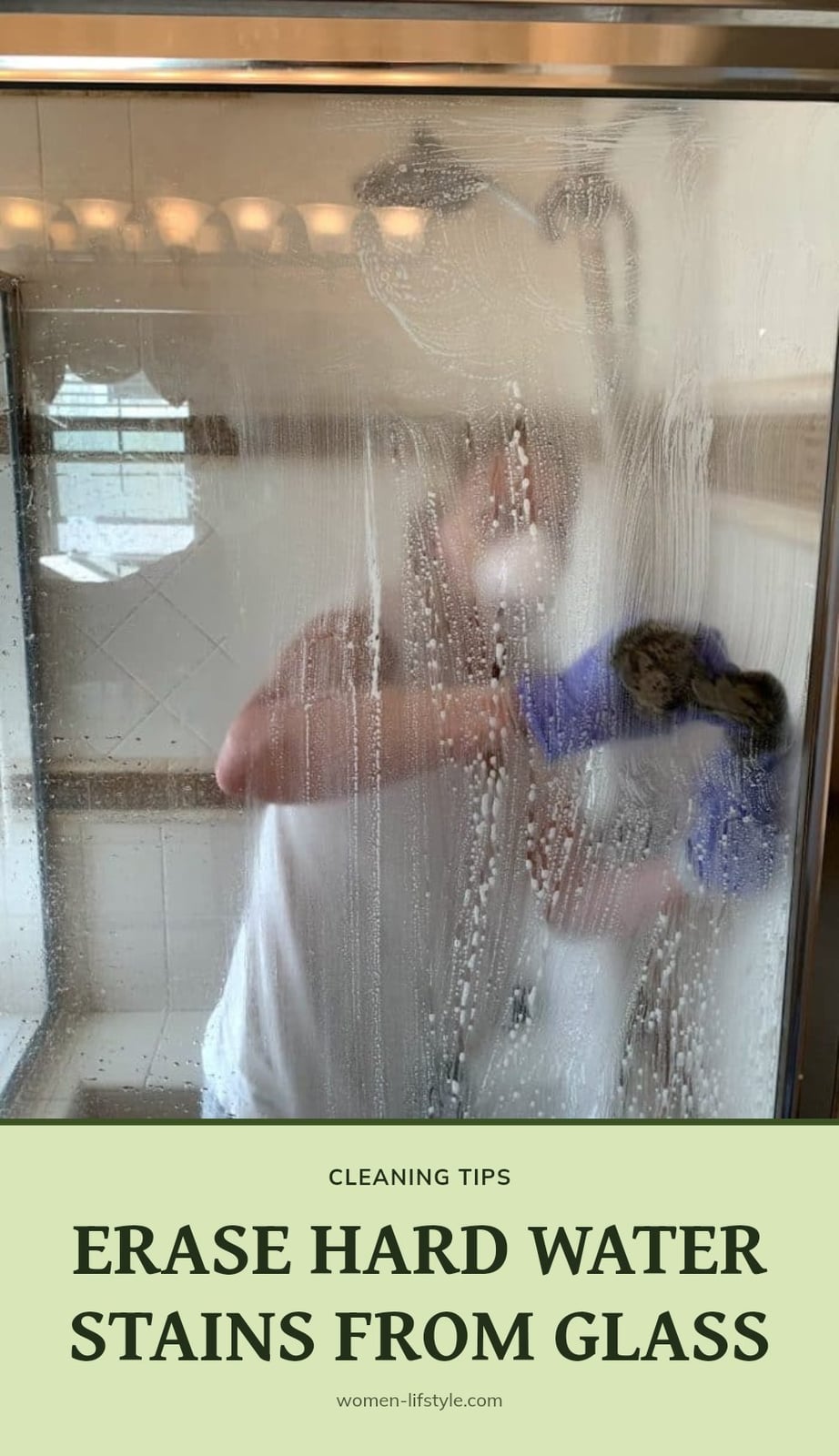
You scrub and scrub, but that cloudy white film on your glass shower doors and faucets just won’t budge. That’s hard water buildup, caused by mineral deposits left behind when water evaporates. In this article, I’ll walk you through the fastest way to remove those stains using simple household ingredients and a few pro-level techniques, plus how to keep them from coming back.
Key Takeaways
- Use an acidic cleaner like white vinegar or a commercial product with oxalic acid to dissolve mineral deposits.
- Allow the cleaner to sit for several minutes to an hour so it can break down the buildup before scrubbing.
- Always rinse and dry surfaces immediately after cleaning to prevent new water spots from forming.
- Squeegee your glass shower doors after every shower to stop stains from forming in the first place.
- Test any cleaning solution on an inconspicuous area first, especially on delicate finishes like polished chrome.
The Fastest Way to Tackle Hard Water Stains
Hard water stains, those cloudy white or chalky mineral deposits, come off fastest with an acidic cleaner. White vinegar works well for light to moderate buildup, while a commercial product with oxalic acid handles tougher spots. Spray the cleaner on, let it sit to dissolve the minerals, then scrub with a non-abrasive pad and rinse thoroughly. For very stubborn buildup on glass, 0000 grade steel wool can be used, but always keep the surface lubricated with cleaner to avoid scratches.
Why You Get Stubborn Hard Water Stains
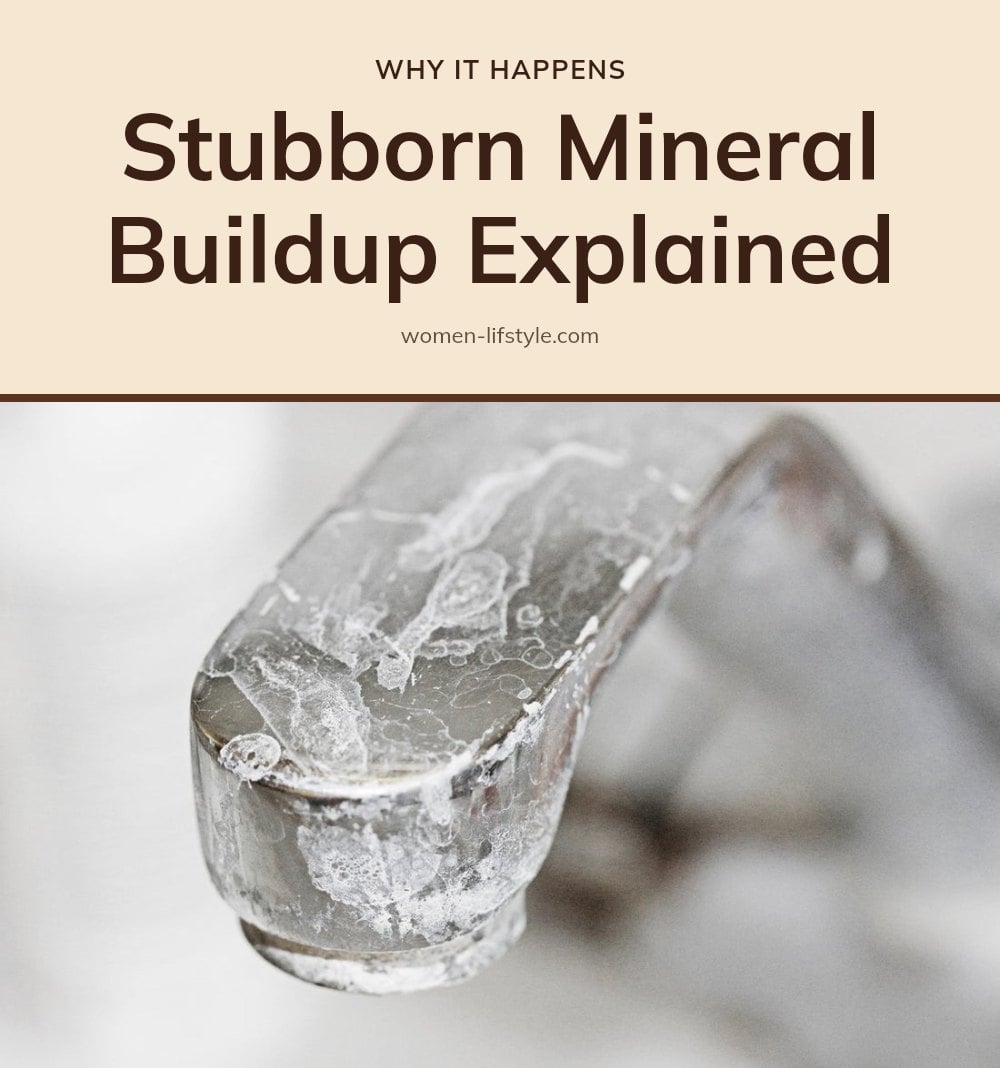
Hard water contains elevated levels of dissolved minerals, mostly calcium and magnesium. When water evaporates from surfaces like glass shower doors and faucets, those minerals get left behind as visible deposits.
The stains can look cloudy white, chalky, or even reddish-brown if iron is present in your water. That’s why a simple soap-and-water wipe won’t cut it, soap doesn’t dissolve minerals. Acidic solutions work because they react with and dissolve these alkaline mineral deposits. That’s the chemistry behind why white vinegar or lemon juice actually removes the buildup instead of just smearing it around.
Your Hard Water Stain Removal Arsenal
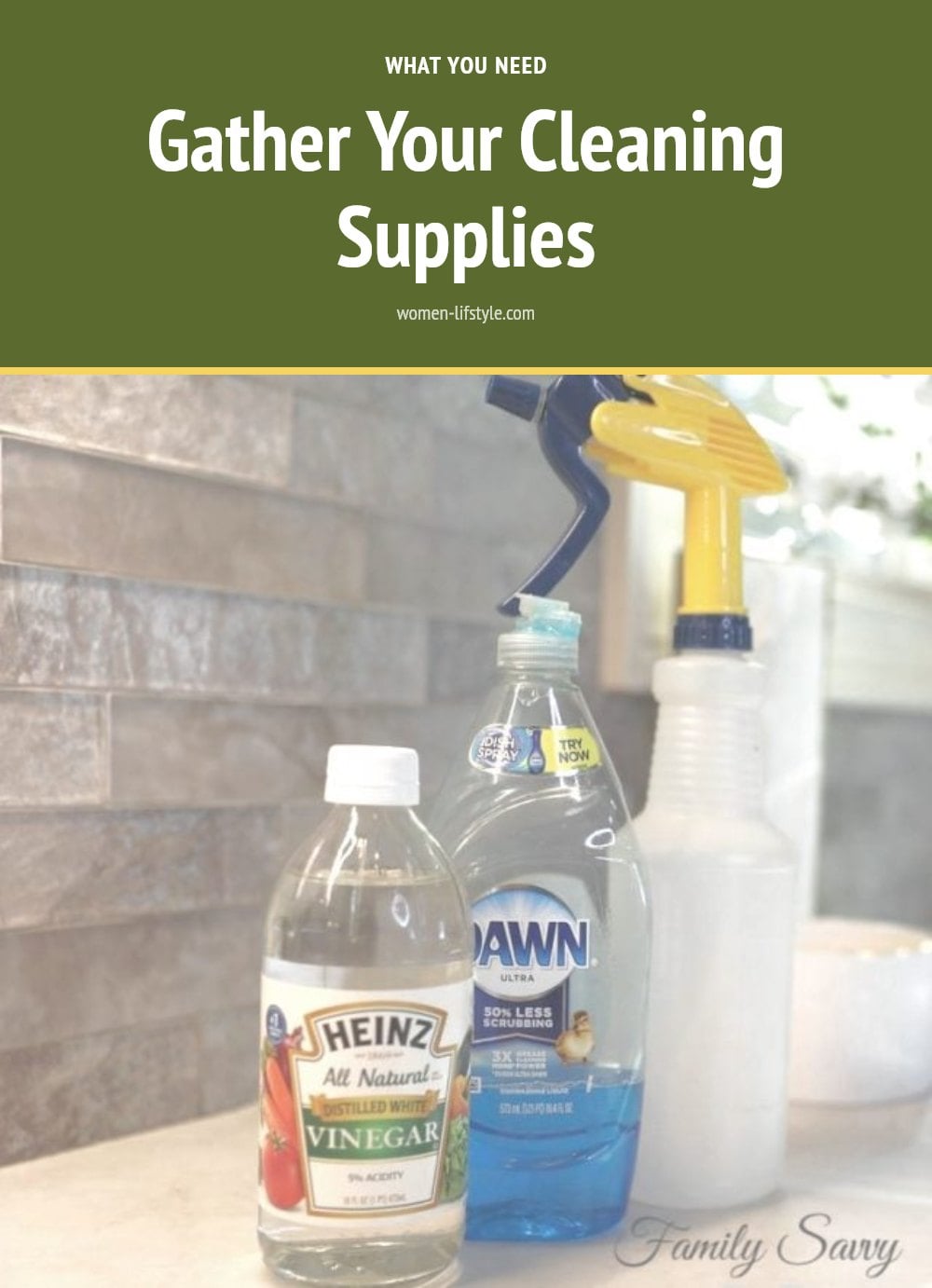
Here’s what I keep in my cleaning caddy for hard water stains:
- White vinegar: A natural acidic cleaner that’s gentle enough for regular use.
- Blue Dawn dish soap: Adds lubrication and boosts the DIY vinegar mix.
- Bar Keepers Friend MORE Spray: A commercial option with oxalic acid for tougher stains.
- Spray bottle: For even application of liquid cleaners.
- Scrub Daddy: A scrubber that stiffens under cold water for extra scrubbing power.
- 0000 grade steel wool: For very stubborn buildup on glass, used with caution and lubrication.
- Microfiber cloths: For buffing and drying without lint.
- Gloves: Protect your hands from acidic cleaners.
Step-by-Step: Deep Cleaning Your Shower Doors

Follow this method for glass shower doors that look like new.
- Rinse the shower: Spray the entire area with water to remove loose debris like hair or dust.
- Ventilate: Open a window or turn on the fan to avoid inhaling cleaner fumes.
- Apply cleaner: Start at the top of the glass and work your way down with your chosen acidic cleaner, either DIY vinegar mix or a commercial product.
- Let it dwell: Give the cleaner time to break down the mineral buildup before scrubbing.
- Scrub: Use a Scrub Daddy in circular motions. Run it under cold water first to stiffen it for maximum scrubbing power. For tough spots, switch to 0000 grade steel wool, keeping the surface lubricated with cleaner and wearing gloves. Use a fresh piece each time to avoid rust scratches. Caution: If your fixtures have delicate finishes, test the steel wool in an inconspicuous area first or opt for a less abrasive method.
- Clean bumpers separately: If your shower door has removable bumpers, take them off and clean them with the same cleaner.
- Rinse thoroughly: Rinse the glass with clean water. If you don’t have a detachable showerhead, use a cup to create a waterfall effect. Then, squeegee and buff dry the glass with a microfiber cloth to prevent new water spots.
- Inspect: Check for remaining buildup. Reapply cleaner, scrub, and rinse those spots if needed.
- Squeegee: Remove excess water from the glass with a squeegee.
- Buff dry: Wipe the glass with a clean, dry microfiber cloth for a streak-free finish.
Prefer to watch? Clean That Up walks through the whole method in this 7-minute video.
Common Mistakes to Avoid When Cleaning Hard Water Stains
Not applying enough cleaner or letting it sit too briefly is the most common mistake. The acid needs time to dissolve the mineral deposits; without it, you just push the buildup around and scrub harder than necessary.
Using abrasive scrubbers on delicate finishes like polished chrome or acrylic will leave permanent scratches. Always test any cleaner on an inconspicuous spot first. For glass, only use 0000 grade steel wool, and never on a dry surface. Lubricate the glass with cleaner first, and use a fresh piece of steel wool each time. An old or rusted piece can transfer rust that scratches the glass.
Not drying surfaces after cleaning leads to immediate re-staining. New water spots form as the remaining water evaporates, undoing all your work. A quick squeegee and buff with a microfiber cloth makes the difference.
Best Tips for Sparkling, Stain-Free Surfaces
DIY Vinegar Mix for Maintenance: For moderate buildup or weekly cleaning, I rely on a mix of 1 cup white vinegar, 1 cup water, and 1 teaspoon Blue Dawn dish soap. It is gentle enough for regular use but still cuts through minerals.
Stiffer Scrubbing Power: Run your Scrub Daddy under cold water before scrubbing. The cold water makes the foam stiffen, giving you extra scrubbing power on stubborn spots without damaging the surface.
Lubricate Steel Wool: When using 0000 grade steel wool, always keep the surface wet with cleaner. Use a fresh piece each time to avoid rust scratches, and wear gloves to protect your hands.
Ventilation is Key: Open a window or turn on the fan when using any acidic cleaner. The fumes can be strong, especially with commercial products.
Test First: Before applying a new cleaner, especially a commercial one, test it on a small, hidden area to check for damage.
Keep Hard Water Stains from Coming Back
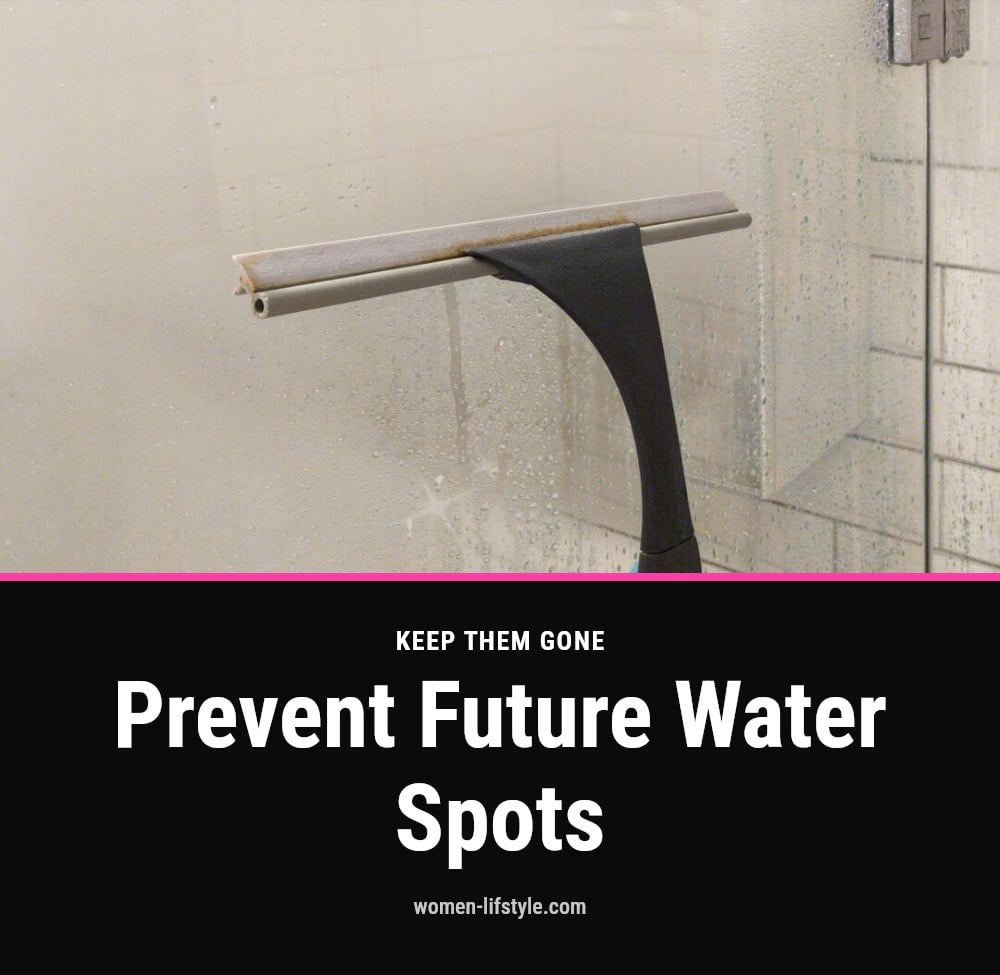
Squeegee After Every Shower: My top tip is to use a squeegee on your glass shower doors immediately after every shower. It removes the water before minerals can deposit, preventing stains from forming in the first place.
Apply a Water-Repellent Coating: Consider applying a product like Rain-X to the glass. It creates a barrier that makes water bead up and roll off, though daily squeegee use often makes this step unnecessary.
Regular Light Cleaning: A quick wipe-down with your DIY vinegar mix every few days keeps buildup from becoming severe. This saves you from deep cleaning sessions and keeps surfaces sparkling between washes.
Frequently Asked Questions
What causes hard water stains?
Hard water contains elevated levels of dissolved minerals, primarily calcium and magnesium. When water evaporates from surfaces like glass shower doors and faucets, these minerals are left behind as visible deposits that can look cloudy white, chalky, or even reddish-brown if iron is present.
Can I use bleach to clean hard water stains?
Bleach is not effective for removing hard water stains because it does not dissolve mineral deposits. Stick with an acidic cleaner like white vinegar or a commercial product containing oxalic acid. Also, never mix bleach with acidic cleaners, as this can create dangerous fumes.
How often should I clean to prevent hard water stains?
For light to moderate buildup, a weekly cleaning with a DIY vinegar mix is usually enough to keep stains at bay. If you live in an area with very hard water, you might need to clean every few days. The most effective prevention is using a squeegee on glass surfaces after every shower.
Will hard water stains damage my fixtures permanently?
Over time, thick mineral deposits can etch glass and dull polished metal finishes if left untreated. However, most stains can be removed without permanent damage if you use the right acidic cleaner and avoid abrasive scrubbers on delicate surfaces. Regular cleaning prevents the buildup from becoming severe.
What are the best natural remedies for hard water stains?
White vinegar and lemon juice are the top natural options because their acidity dissolves mineral deposits. For light to moderate stains, a mix of 1 cup white vinegar, 1 cup water, and 1 teaspoon Blue Dawn dish soap works well. For tougher buildup, a commercial product with oxalic acid is more effective.
Final Thoughts
For most hard water stains, the DIY vinegar mix of 1 cup white vinegar, 1 cup water, and 1 teaspoon Blue Dawn dish soap is my go-to for regular maintenance. If you have heavy, stubborn buildup, reach for a product with oxalic acid instead. Expect light stains to disappear in minutes, while tougher ones may need an hour of dwell time and a second application. With a quick squeegee after every shower, you can keep your glass and fixtures looking spotless.
