

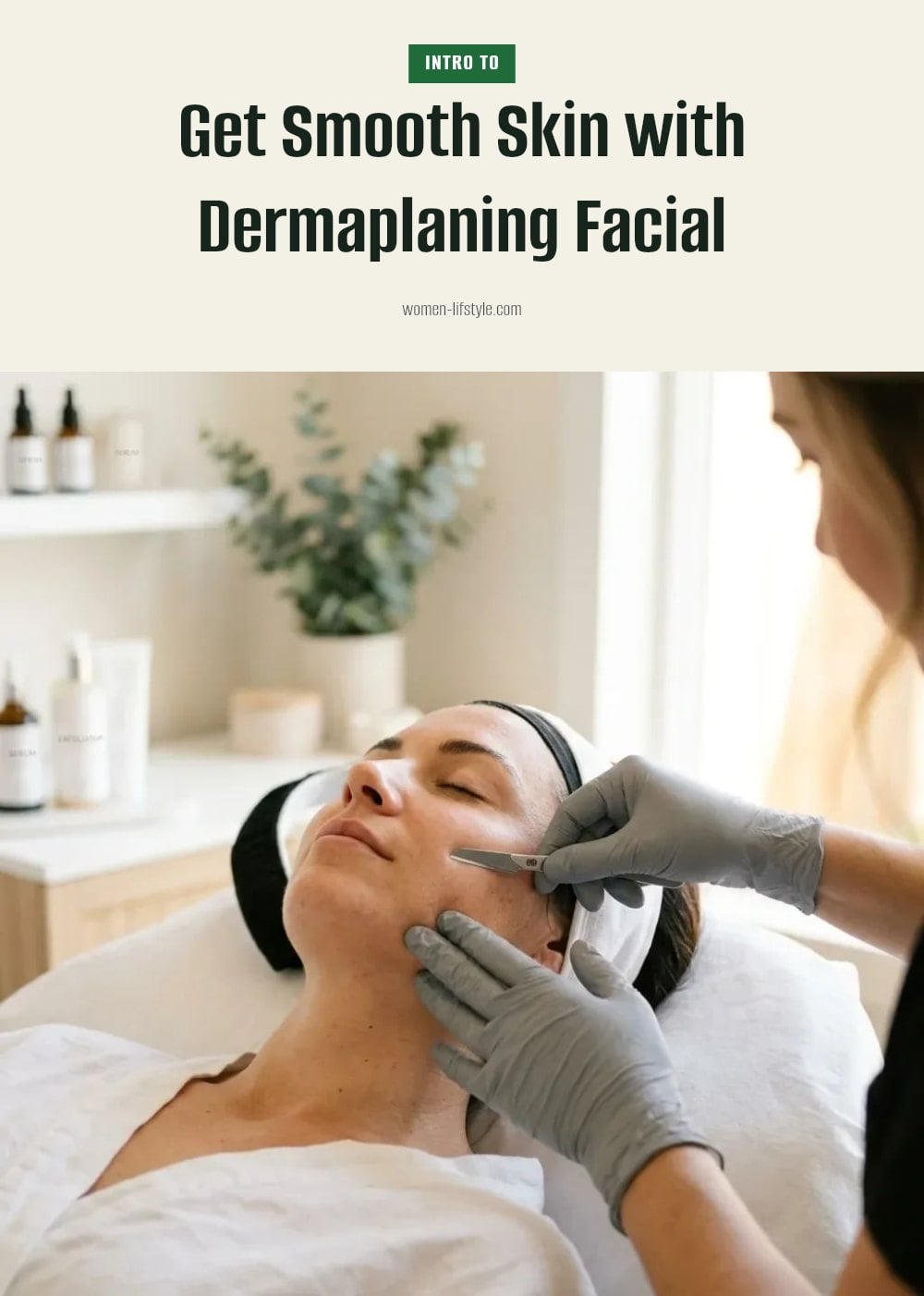
You’ve probably heard about dermaplaning and wondered if it’s worth the hype. In short, it’s a physical exfoliation method that uses a sterile scalpel to gently scrape off dead skin cells and peach fuzz, leaving your face smoother and brighter. This article covers what dermaplaning is, the key benefits, how to do it safely at home, and when to skip it or see a professional.
Key Takeaways
- Dermaplaning removes dead skin cells and vellus hair for instant smoothness.
- Use light, short, downward strokes on clean, dry skin only.
- Always follow with a hydrating serum and broad-spectrum SPF 30 or higher.
- Schedule sessions every 3-4 weeks to avoid over-exfoliation.
- Avoid dermaplaning over active acne, rosacea, or highly sensitive skin.
What is Dermaplaning?
Dermaplaning is a physical exfoliation method that uses a sterile surgical scalpel to gently scrape off the top layer of dead skin cells and vellus hair (peach fuzz) from your face. The goal is to reveal smoother, brighter skin and help your skincare products penetrate more effectively. You can get it done professionally for a deeper exfoliation, or try it at home with specialized tools designed for safer, more superficial use.
1. Removes Dead Skin and Peach Fuzz

Dermaplaning removes the stratum corneum, the outermost layer of dead skin cells, along with vellus hair. This physical exfoliation is similar to microdermabrasion but without suction or abrasive particles.
- Leaves your skin incredibly smooth to the touch
- Clears away peach fuzz for a more even texture
2. Reveals Smoother, Brighter Skin

Removing that layer of dull, dead skin cells makes your face feel incredibly smooth to the touch right away. The surface reflects light more evenly, so you get an instant brightness that’s hard to achieve with other methods. My tip: I usually notice this glow lasting several days, especially when I follow up with a hydrating serum.
3. Enhances Skincare Product Absorption
With the dead skin barrier gone, your serums and moisturizers don’t have to work through a layer of buildup. Active ingredients like vitamin C or hyaluronic acid can reach deeper into the skin where they’re more effective.
My tip: Apply your treatment products within a few minutes after dermaplaning, while skin is still slightly damp from cleansing. This timing helps ingredients absorb even better.
4. Creates a Flawless Makeup Canvas
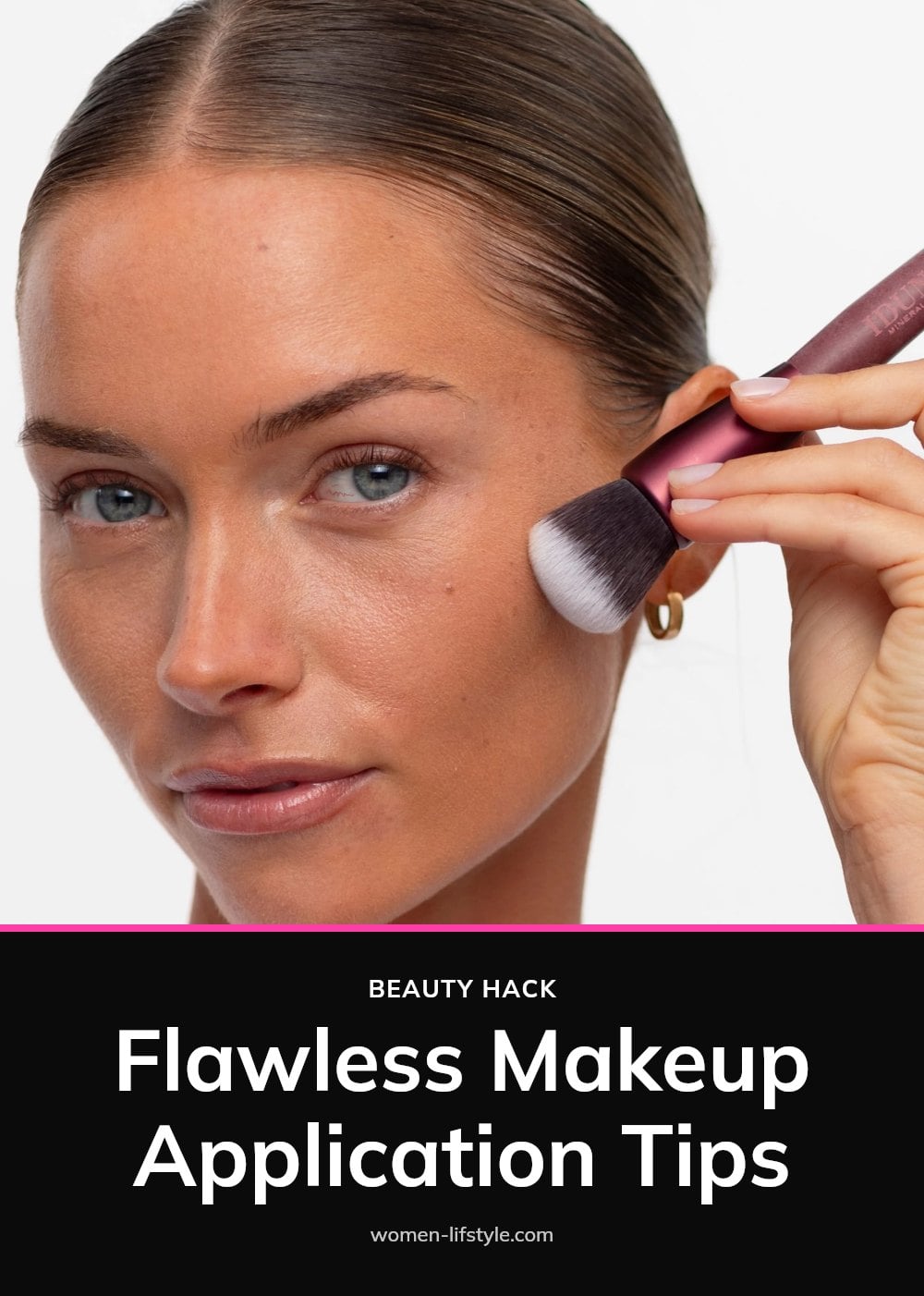
Removing vellus hair and dead skin creates an incredibly smooth surface. Foundation glides on without clinging to peach fuzz, giving you a truly airbrushed finish. Makeup application becomes much easier and more seamless, with products blending evenly across your skin.
5. Professional vs. At-Home Tools
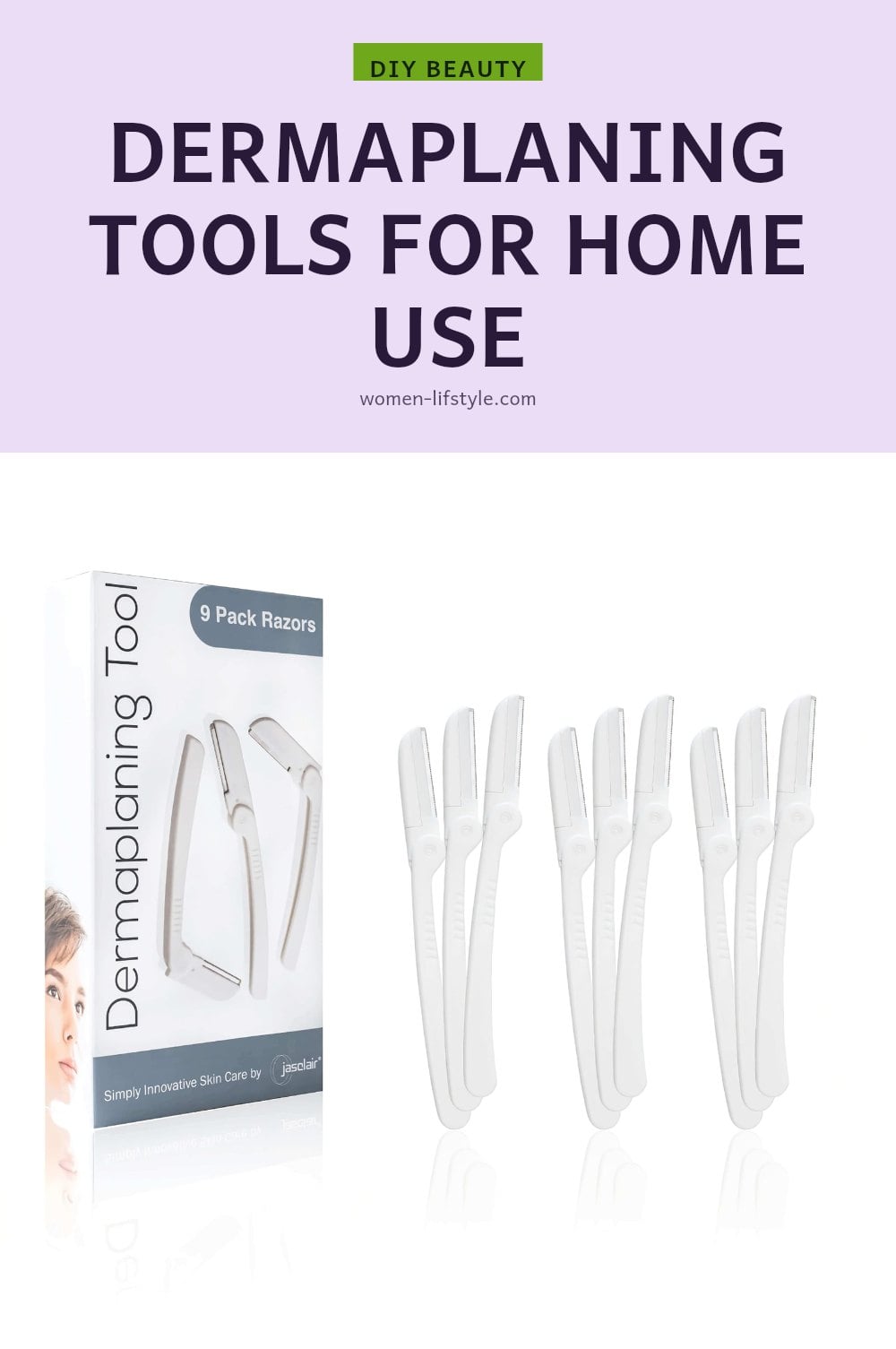
Professional dermaplaning uses a medical-grade sterile surgical scalpel, typically held at a 45-degree angle, for a deeper exfoliation. At-home tools are generally less sharp and designed for a safer, more superficial exfoliation, making them suitable for beginners.
Tip: If you’re new to dermaplaning, start with an at-home tool designed for safety.
6. Always Start with Clean, Dry Skin
Cleanse and dry your face thoroughly before you pick up your tool. Dermaplaning is most effective and safest on dry skin, not wet, to prevent nicks and ensure proper exfoliation. A clean, dry surface allows the blade to glide smoothly without dragging.
7. Use Light, Downward Strokes
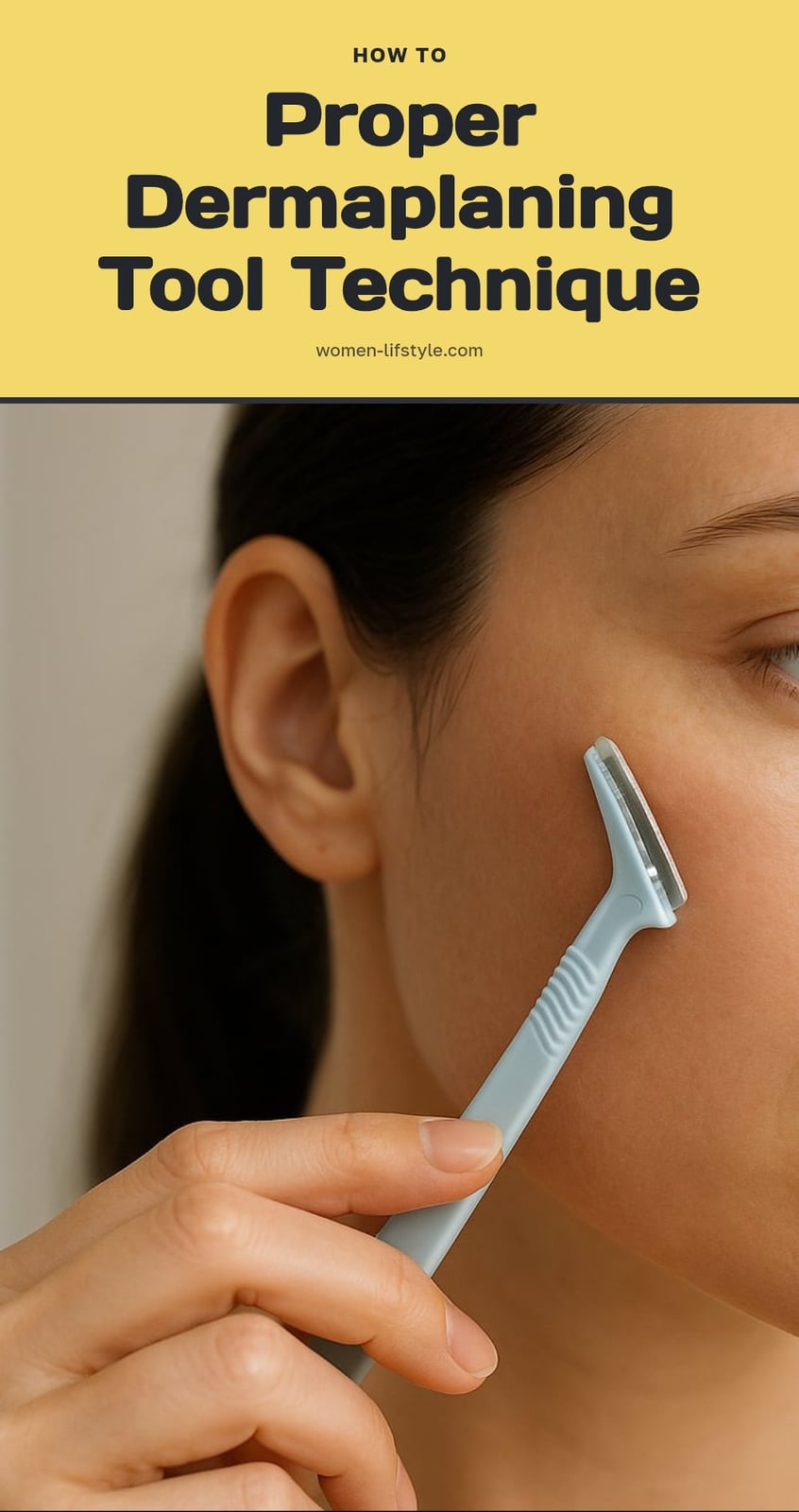
Hold your skin taut with one hand. With the other, use light, short, downward strokes at a shallow angle (around 45 degrees for professional tools, more obtuse for at-home). Let the blade do the work, do not apply excessive pressure. This technique minimizes the risk of cuts and ensures even exfoliation.
8. Follow with Hydration and SPF

After dermaplaning, your skin is more receptive to products. Immediately follow with a hydrating serum and a rich moisturizer to lock in moisture.
Caution: Apply broad-spectrum SPF 30 or higher daily. Your skin will be more sensitive to the sun, so skipping SPF can lead to irritation or damage.
9. Sanitize and Replace Your Tools
Always sanitize your tool before and after each use if it’s reusable to prevent infection. If using disposable blades, use a fresh, sterile one every time.
Tip: A dull blade is ineffective and can cause irritation. Replace blades regularly for safe, smooth results.
10. Schedule Your Sessions Wisely
Schedule dermaplaning every 3-4 weeks to align with your skin cell turnover cycle. Immediate results of smoother skin are visible, but allowing your skin time to regenerate is key for long-term health.
Good to know: Over-exfoliating can lead to irritation, so stick to this timeline for best results.
11. Know When to Avoid Dermaplaning
Do not dermaplane over active acne breakouts, open wounds, rosacea, eczema, psoriasis, or highly sensitive skin. These conditions can worsen with physical exfoliation.
Caution: If you have any of these conditions, consult a dermatologist before trying dermaplaning to avoid complications.
When to Consult a Professional
If you experience excessive redness, burning, prolonged irritation, or any signs of infection after dermaplaning, discontinue use immediately. For severe skin conditions like cystic acne, uncontrolled rosacea, or suspicious lesions, always consult a dermatologist before attempting any at-home exfoliation. If you’re unsure about your skin type’s suitability for dermaplaning, a professional aesthetician or dermatologist can provide personalized advice.
Frequently Asked Questions
Can dermaplaning cause breakouts?
It’s possible if you dermaplane over active acne or if your tool isn’t sterile. The exfoliation can spread bacteria and worsen breakouts. Always avoid active pimples and sanitize your tool before each use to reduce this risk.
Is dermaplaning safe for all skin types?
No, it’s not recommended for highly sensitive skin, rosacea, eczema, or psoriasis. These conditions can become irritated with physical exfoliation. If you have any of these, consult a dermatologist before trying dermaplaning.
What should I do if my skin gets irritated after dermaplaning?
Stop using the tool immediately. Apply a gentle, hydrating moisturizer and avoid any other exfoliants or active ingredients until the irritation subsides. If redness or burning persists for more than a day or two, see a dermatologist.
Can I wear makeup immediately after dermaplaning?
It’s best to wait a few hours to let your skin calm down and absorb your skincare. When you do apply makeup, use clean brushes or sponges to avoid introducing bacteria. Your skin will be more sensitive, so choose a gentle, non-comedogenic foundation.
What are the benefits of dermaplaning?
The main benefits are immediate smoother, brighter skin, better absorption of your serums and moisturizers, and a flawless canvas for makeup. It also removes peach fuzz without causing it to grow back thicker or darker.
Final Thoughts
My best advice is to start with a high-quality at-home tool and stick to the every-3-to-4-week timeline. You’ll see immediate smoothness, but the real payoff comes with consistent, gentle use and diligent sun protection. If you have any doubts about your skin’s condition, it’s always smarter to ask a dermatologist first.
This article is for general informational purposes only and does not constitute medical or professional advice. Dermaplaning involves risks such as nicks, irritation, and infection. If you have a persistent skin concern, active acne, rosacea, or any other condition, consult a dermatologist or licensed esthetician before starting.
