

You’ve probably noticed a few more fine lines or a bit less bounce in your skin lately. It happens to all of us, and it’s natural to want to look as vibrant as you feel. The good news is that small, consistent changes in your daily routine can make a real difference. This article covers 11 practical, science-backed anti-aging tips, from sun protection to lifestyle tweaks, that you can start using today to support a more youthful appearance.
Key Takeaways
- Apply broad-spectrum SPF 30+ sunscreen every day, even when cloudy.
- Moisturize twice daily with hyaluronic acid or ceramides for plump skin.
- Introduce retinoids gradually to boost collagen and improve texture.
- Use a gentle exfoliant 1-3 times a week for brighter skin.
- Aim for 7-9 hours of quality sleep to help skin repair.
How to Look Younger: Your Essential Guide
Looking younger isn’t about one magic product. It’s a combination of consistent skincare, a healthy lifestyle, and strategic beauty choices. Focus on daily sun protection, deep hydration, and key active ingredients like retinoids to support your skin. Simple adjustments to your diet, sleep, and even your hair and makeup can significantly enhance a youthful appearance.
1. Protect Your Skin from the Sun
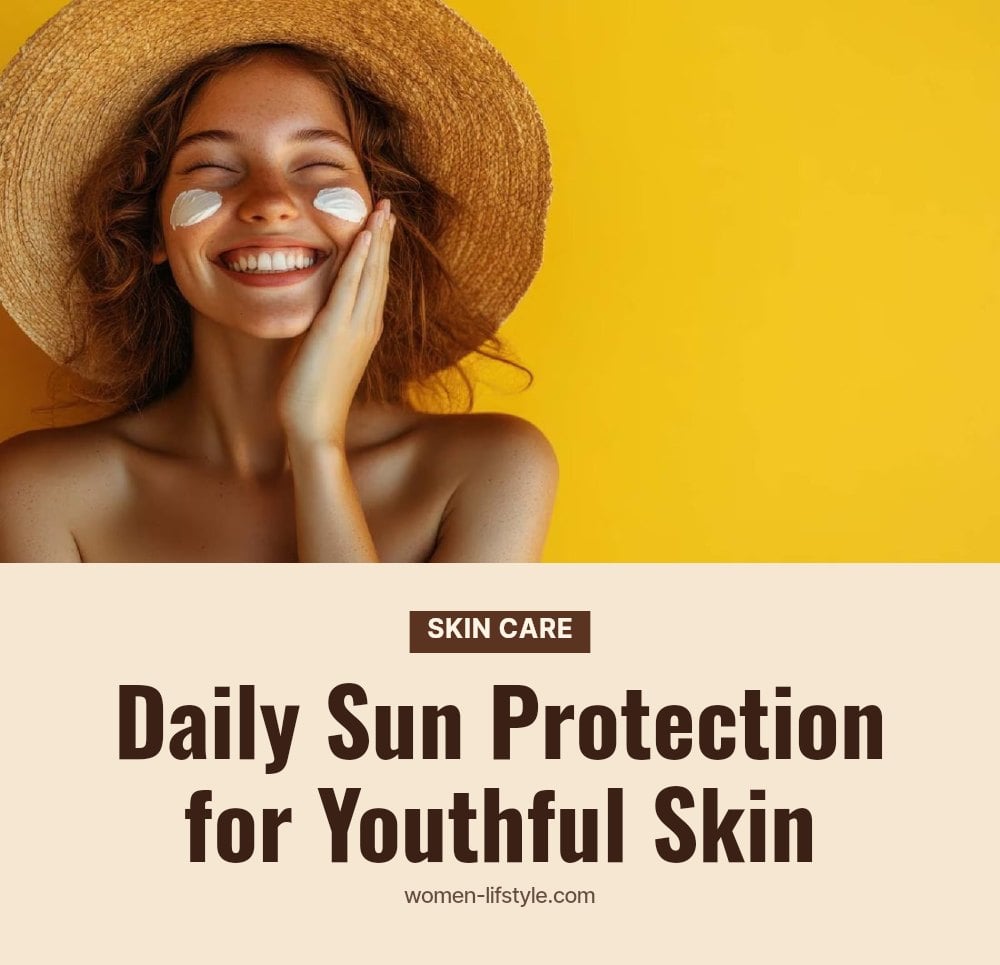
Sun protection is the single most crucial factor in preventing premature skin aging, including wrinkles, fine lines, and sunspots. My tip: Use a broad-spectrum sunscreen with an SPF of 30 or higher daily, even on cloudy days or when indoors near windows. Reapply every two hours when outdoors, or more often if swimming or sweating.
2. Hydrate Your Skin Deeply
Hydrated skin appears plumper and smoother, which can significantly reduce the visibility of fine lines and wrinkles. My tip: Moisturize your skin twice a day with a rich moisturizer. Look for ingredients like hyaluronic acid or ceramides. Don’t forget your neck and décolletage; they show signs of aging too.
3. Incorporate Retinoids Gradually
Retinoids (vitamin A derivatives) are widely recognized for their ability to stimulate collagen production, improve skin texture, and reduce the appearance of wrinkles. Tip: Start with a low concentration and use them gradually, perhaps a few times a week, to avoid irritation. Always apply retinoids at night and use sunscreen diligently during the day.
4. Boost with Vitamin C Serum
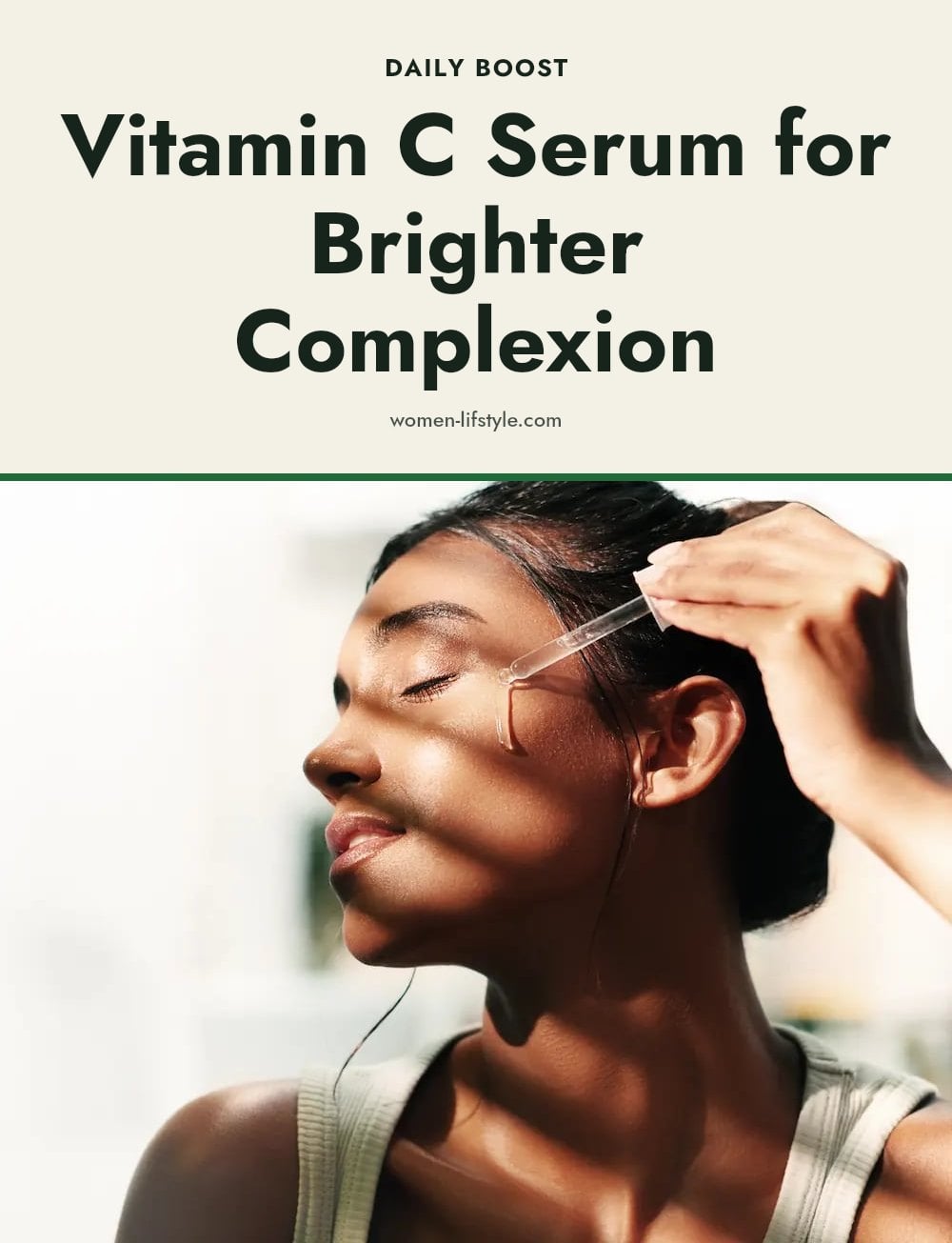
Vitamin C is a powerful antioxidant that protects your skin from free radicals and helps brighten your complexion. Good to know: Apply a Vitamin C serum in the morning after cleansing but before your moisturizer and sunscreen. It works well under makeup and evens out skin tone for a more vibrant look. Look for serums with L-ascorbic acid, the most effective form.
5. Exfoliate for Brighter Skin
Exfoliation removes dead skin cells on the surface, which speeds up cell turnover and reveals brighter, smoother skin underneath. Tip: Pick a gentle exfoliant, such as a mild AHA/BHA toner or a soft scrub, and use it 1-3 times a week depending on your skin type. Over-exfoliating can cause irritation, redness, and sensitivity, so pay attention to how your skin reacts.
6. Prioritize Quality Sleep
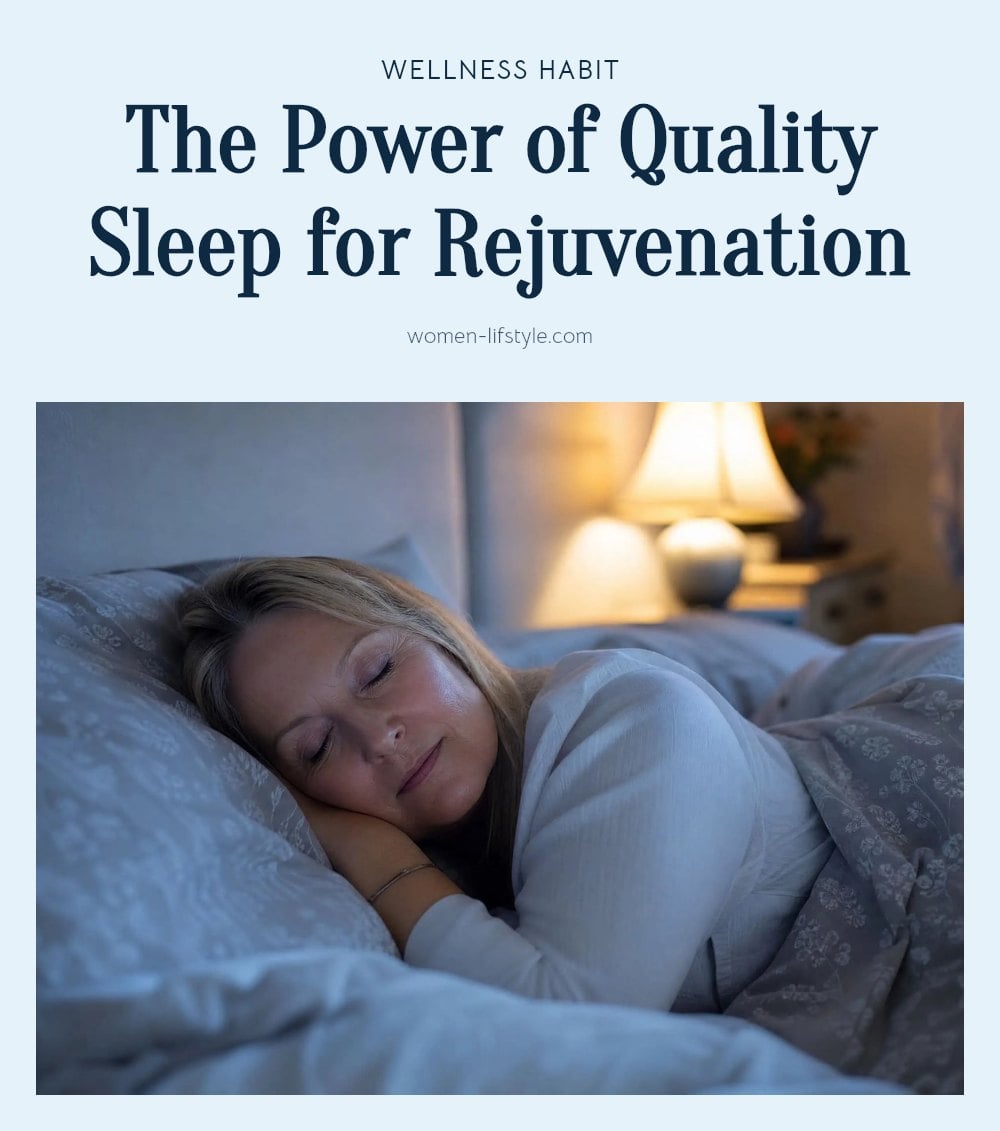
While you sleep, your skin repairs itself from daily damage. Consistent, quality sleep reduces dark circles, puffiness, and fine lines. Pro move: Aim for 7-9 hours per night. I have found that sleeping with my head slightly elevated on an extra pillow helps minimize morning puffiness and fluid retention around the eyes.
7. Eat a Nutrient-Rich Diet

A nutrient-rich diet fuels your skin from the inside, providing the building blocks for collagen and repair. Tip: Eat foods high in antioxidants like berries and leafy greens, and omega-3 fatty acids from salmon, avocados, and walnuts. Staying hydrated by drinking water throughout the day keeps your skin plump and supple, which helps soften fine lines.
8. Choose Youthful Hairstyles
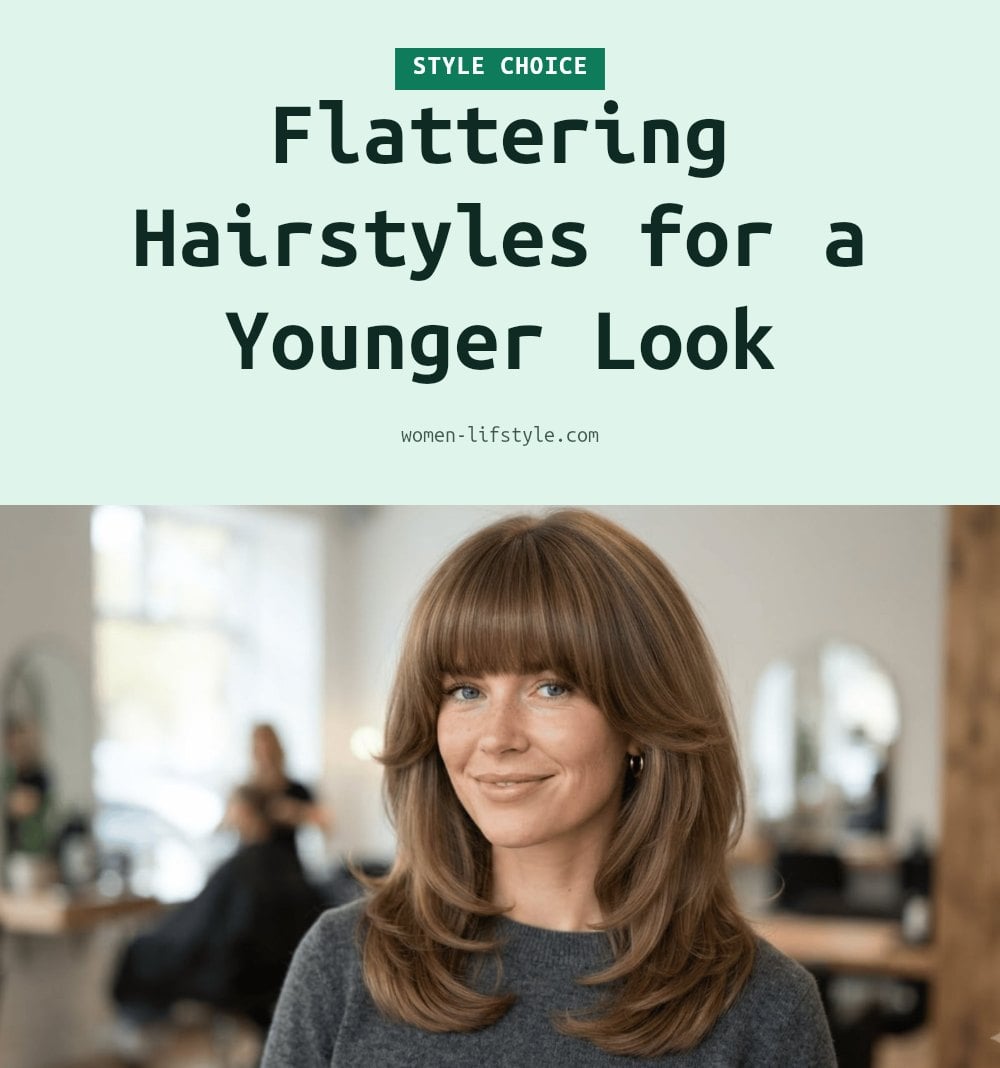
Soft, layered hairstyles can soften your features and create a more youthful look. Harsh, severe cuts or very dark, uniform colors can sometimes accentuate fine lines.
- Add dimension: Highlights or lowlights add depth and brightness to your hair, which can make your complexion look more vibrant.
- Try face-framing layers: They draw attention to your eyes and cheekbones, away from any lines or sagging.
- Consult a pro: A good stylist can recommend a cut and color that flatters your face shape and brightens your overall look.
9. Master Makeup for Youth
Heavy foundation and powder can settle into fine lines and make them more noticeable. Switch to lighter coverage to keep your skin looking fresh.
- Choose a tinted moisturizer: It evens out your skin tone without looking cakey.
- Use concealer sparingly: Only on areas that need it, like under eyes or on blemishes.
- Add cream blush: A touch on the apples of your cheeks gives a natural, youthful glow.
- Groom your eyebrows: Fuller, well-shaped brows frame your face and can make you look years younger.
10. Stay Physically Active

Regular physical activity boosts circulation, which helps deliver oxygen and nutrients to your skin cells. This can give you a healthy, natural glow.
- Start small: A brisk 20-minute walk each day can improve blood flow and skin radiance.
- Stay consistent: Even moderate exercise, done regularly, supports your skin’s overall health.
- Don’t forget hydration: Drink water before and after exercise to keep your skin plump.
11. Manage Stress Effectively
Chronic stress can trigger inflammation in the body, which may accelerate the aging process and show up on your skin as dullness or breakouts. Managing stress is key to maintaining a youthful appearance.
- Try deep breathing: A few minutes of slow, deep breaths can lower stress hormones and calm your skin.
- Incorporate meditation or yoga: These practices reduce cortisol levels and promote a sense of calm.
- Make time for yourself: Even five minutes of quiet each day can help your skin look more rested and even.
When to Consult a Professional
If you experience severe skin irritation, persistent redness, or unusual breakouts after introducing new products, discontinue use and consult a dermatologist. They can help identify the cause and recommend a gentler approach. For deeper concerns like significant sun damage, deep wrinkles, or specific skin conditions, a dermatologist offers tailored advice and professional treatments that go beyond what home care can achieve.
Don’t forget your hair, either. Tip: A professional hair stylist can provide personalized recommendations for cuts and colors that best suit your features and desired youthful look. They see face shapes and skin tones every day and can suggest soft layers or dimensional highlights you might not have considered.
Frequently Asked Questions
How quickly can I see results from anti-aging tips?
You may notice a smoother, more hydrated complexion within a few weeks of consistent daily care. Deeper changes, like improved collagen production and reduced wrinkles, typically take several months of continuous use of active ingredients like retinoids and vitamin C. Patience and consistency are key.
Can diet really impact how young I look?
Yes, a nutrient-rich diet supports skin health from the inside. Foods high in antioxidants, like berries and leafy greens, and omega-3s from salmon and walnuts, provide the building blocks for collagen and help fight environmental damage. Staying hydrated by drinking water also helps keep skin plump.
Are expensive skincare products always better?
No, price does not guarantee effectiveness. Many affordable products contain the same active ingredients, like vitamin C or hyaluronic acid, at effective concentrations. Focus on the ingredient list and how your skin responds, rather than the price tag. Consistency matters more than cost.
What’s the most important anti-aging step?
Sun protection is the single most crucial factor in preventing premature aging. Daily use of a broad-spectrum sunscreen with SPF 30 or higher shields your skin from UVA and UVB rays that cause wrinkles, fine lines, and sunspots. No other step can undo sun damage as effectively as prevention.
How do I choose the right retinoid for my skin?
Start with a low-concentration over-the-counter retinoid, like retinol, and apply it a few nights a week. If your skin tolerates it well, you can gradually increase frequency or strength. For prescription-strength options, consult a dermatologist to find the best fit and avoid irritation.
Can stress make me look older?
Yes, chronic stress can accelerate the aging process. It triggers inflammation in the body, which may show up as dullness, breakouts, or more pronounced fine lines. Managing stress through deep breathing, exercise, or hobbies can help maintain a youthful appearance.
Final Thoughts
The most powerful step you can take is daily sun protection, so make that your non-negotiable. Pair it with a consistent moisturizing routine and gentle introduction of active ingredients like retinoids. Expect to see initial improvements in hydration and texture within a few weeks, with more significant benefits over several months. Remember, looking younger is about enhancing your natural beauty, not chasing perfection. Start with one or two changes that feel manageable and build from there.
This article is for general informational purposes only and is not a substitute for professional medical or dermatological advice. Always consult a qualified healthcare provider or dermatologist before starting any new skincare regimen, especially if you have sensitive skin, a skin condition, or are experiencing persistent irritation, redness, or unusual breakouts.
