

If you’ve been waiting for your nails to grow longer and stronger, you know it can feel like a slow process. The truth is, nail growth is mostly driven by genetics and your overall health, but there are simple habits that can help you get the most out of what you’ve got. In this article, I’ll walk you through a gentle routine, the right tools, and the foods that support healthy nails, plus what to avoid so you don’t undo your progress.
Key Takeaways
- Fingernails grow about 3 millimeters per month; nothing speeds that up dramatically.
- File nails in one direction with a fine-grit or glass file to prevent splitting.
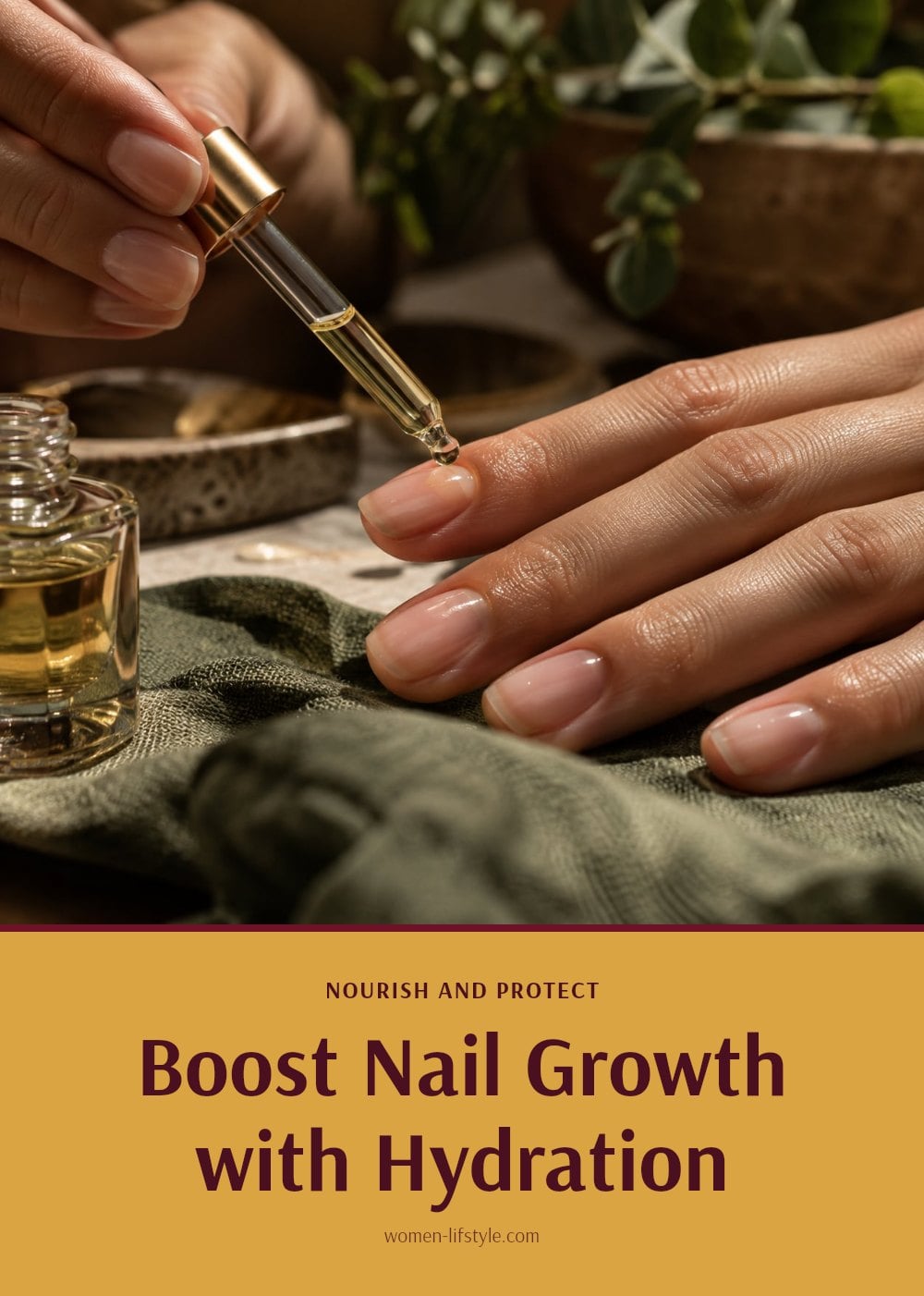
- Moisturize nails and cuticles daily with oil or cream to reduce brittleness.
- Avoid cutting cuticles, which can damage the nail matrix and cause infection.
- Consult a doctor if you see persistent discoloration, pain, or texture changes.
The Secret to Growing Long, Strong Nails
If you’re hoping for a secret to faster nail growth, here it is: there isn’t one quick fix. Nail growth is mostly determined by your genetics and overall health. Fingernails grow about 3 millimeters per month, and nothing can speed that up dramatically. What you can control is how strong and healthy your nails look as they grow. Consistent gentle care, a balanced diet, and protecting your nails from damage make a real difference over time.
Your Essential Nail Growth Toolkit
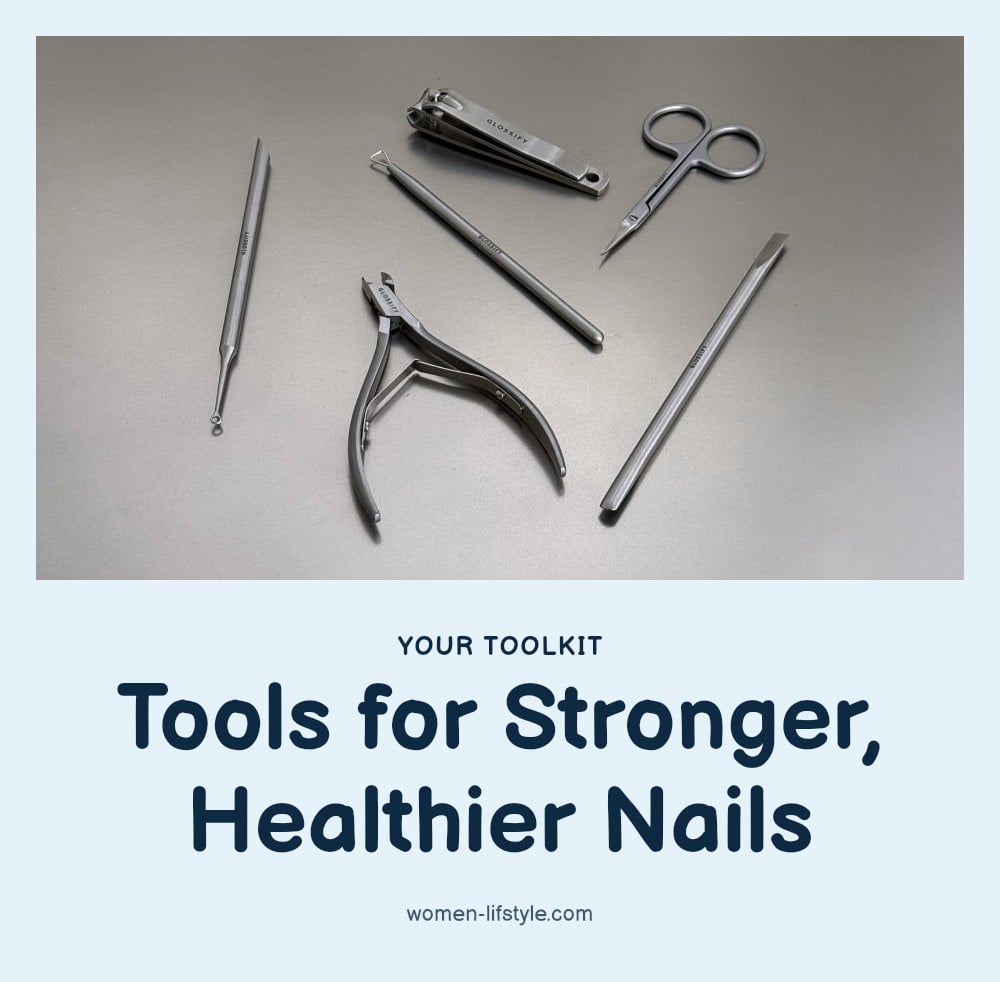
Building a routine starts with the right tools. A fine-grit or glass file shapes nails without splitting them. Cuticle oil or balm keeps the nail bed flexible and moisturized. A nourishing hand cream supports skin and nail hydration. Protective gloves shield nails from harsh cleaning chemicals and water. An acetone-free polish remover prevents the drying that weakens nails over time.
- Nail file: glass or fine-grit for gentle shaping
- Cuticle oil or balm: daily moisture for the nail bed
- Hand cream: hydration for skin and nails
- Protective gloves: for cleaning and dishwashing
- Acetone-free remover: avoids harsh drying
My tip: A glass file lasts for years and creates a smoother edge than traditional emery boards.
Step-by-Step Routine for Healthier Nails

- File in one direction: Gently shape nails using smooth strokes from side to center. Filing back and forth creates micro-tears that lead to peeling and breakage.
- Moisturize daily: Apply cuticle oil or balm every morning and night. Massaging the base of the nail may stimulate blood flow to the growth area.
- Wear gloves for chores: Put on rubber gloves before washing dishes or using cleaning products. Repeated exposure to water and chemicals strips natural oils from nails.
- Use acetone-free remover: When taking off polish, choose a remover labeled acetone-free. It cleans without drying out the nail plate or cuticles.
- Buff sparingly: A gentle buff once every two weeks smooths ridges and adds shine. Over-buffing thins the nail and makes it more prone to splitting.
My tip: Keep a bottle of cuticle oil at your desk and one by the sink so you never skip the moisture step.
Nourishing Your Nails from the Inside Out

What your nails need from your diet
Nails are made of keratin, a protein also found in hair and skin. Your body needs adequate protein to produce strong keratin. A balanced diet with lean meats, eggs, beans, nuts, and leafy greens provides the building blocks for nail growth.
The biotin question
Biotin is often marketed for nail strength, but evidence for its effectiveness in healthy individuals is mixed. Some people notice improvements; others see no change. If you’re considering a supplement, talk to your healthcare provider first. They can help you decide based on your specific needs and health status.
Tip: Your overall health affects nail growth rate. Stress, illness, or poor nutrition can slow growth or cause ridges and brittleness. Supporting your body with good food and rest supports your nails too.
Common Nail Growth Mistakes to Avoid
Even with the best routine, a few habits can undo your progress. Biting or picking at your nails and cuticles damages the nail bed, which slows growth and invites infection. Using nails as tools to open cans or scrape stickers causes immediate breakage and weakens the structure over time.
Cutting or aggressively pushing back cuticles is another common error. The cuticle seals the area where the nail grows; cutting it opens a pathway for bacteria. Overusing harsh nail hardeners is also risky. They create a stiff layer that snaps easily, making nails more brittle than before. Ignoring diet and hydration leaves your nails without the building blocks they need. Tip: Be gentle with your nails, always.
Nail Growth Myths Debunked
Several myths about nail growth lead people to waste time on ineffective practices. One popular belief is that painting nails makes them grow faster. The reality is color polish and clear strengtheners only provide a protective shield, not a growth trigger. Another myth is that cutting cuticles is necessary for neat nails. In truth, cutting them risks damage and infection; pushing them back gently with a soft tool is safer.
Hardeners and your nails
Not all nail hardeners are good for growth. Overuse creates a brittle surface that cracks under pressure. Good to know: Always question what you hear and do your research.
What to Expect: Timeline for Nail Growth
Seeing real results from your nail care routine takes consistent effort over time. Fingernails grow about 3 millimeters per month, and toenails grow slower at roughly 1 millimeter per month. Visible improvement in strength and appearance usually takes several weeks to months because new nail tissue must grow out from the base.
Pro move: Patience is your best friend on this journey. Stick with your daily habits and protective measures, and your nails will repay your commitment over the long term.
When to Consult a Professional About Your Nails
While most nail issues resolve with better care, some signs warrant professional attention. Consult a doctor if you notice persistent discoloration, pain, or swelling around your nails. Significant changes in nail texture, thickness, or shape can indicate an underlying health problem.
Watch for signs of infection such as redness, warmth, or pus. Never ignore these symptoms. Also, always consult a doctor before starting new nail supplements, as their effects can vary. Quick tip: When in doubt, always check with a doctor.
Frequently Asked Questions
How long does it take to see nail growth results?
Visible results usually take several weeks to months because new nail growth happens at a steady rate of about 3 millimeters per month for fingernails. Improvements in strength and appearance follow the same timeline, so patience and consistent care are key.
Can gel or acrylic nails prevent natural nail growth?
Gel and acrylic nails don’t stop natural growth, but overuse without breaks can weaken your nails. The filing and harsh removal process can cause thinning and brittleness. Taking breaks between applications and keeping nails moisturized underneath helps maintain health.
Are there any foods that specifically help nail growth?
A balanced diet rich in protein supports nail health because nails are made of keratin, a protein. Foods like lean meats, eggs, beans, nuts, and leafy greens provide the building blocks for strong nails. No single food speeds growth, but overall nutrition matters.
What’s the best way to stop my nails from peeling?
To stop peeling, keep nails moisturized with cuticle oil or hand cream daily. File in one direction with a fine-grit file to prevent micro-tears, and avoid using nails as tools. If peeling persists, a gentle nail strengthener may help, but don’t overuse it.
Final Thoughts
My tip: focus on consistency over quick fixes. Moisturize daily, file gently, and protect your nails from harsh chemicals. Expect visible improvements in strength and appearance in several weeks to months, since new nail growth takes time. Stick with the routine, and your nails will thank you.
This article is for general informational purposes only and is not a substitute for professional medical advice. If you have persistent nail issues, pain, or signs of infection, consult a doctor or dermatologist for a proper diagnosis and treatment plan.
