

Waking up with a stuffy nose and struggling to breathe is one of the most frustrating ways to start the day. That swollen feeling isn’t just from mucus. It’s inflamed blood vessels narrowing your nasal passages. In this article, I’m covering the most effective home remedies to help you find relief, from humidifiers and steam to simple lifestyle tweaks you can try right now.

Key Takeaways
- Use a humidifier in your bedroom, especially at night, to soothe nasal passages.
- Always use distilled, sterile, or boiled-and-cooled water in a neti pot.
- Elevate your head with an extra pillow while sleeping to reduce congestion.
- Do not use nasal decongestant sprays for more than 3-5 days to avoid rebound congestion.
- Drink plenty of water and clear broths to thin mucus and make it easier to clear.
Quick Relief for Your Stuffy Nose
A stuffy nose happens when the blood vessels in your nasal passages swell, not just from an overflow of mucus. That swelling narrows your airways and makes breathing feel like a chore. Home remedies like humidifiers, saline rinses, and steam work by reducing that inflammation and thinning out mucus. The goal is to soothe irritated passages and open things up, even if only for a few hours. Most of these fixes provide temporary relief, so you may need to repeat them throughout the day.
1. Use a Humidifier
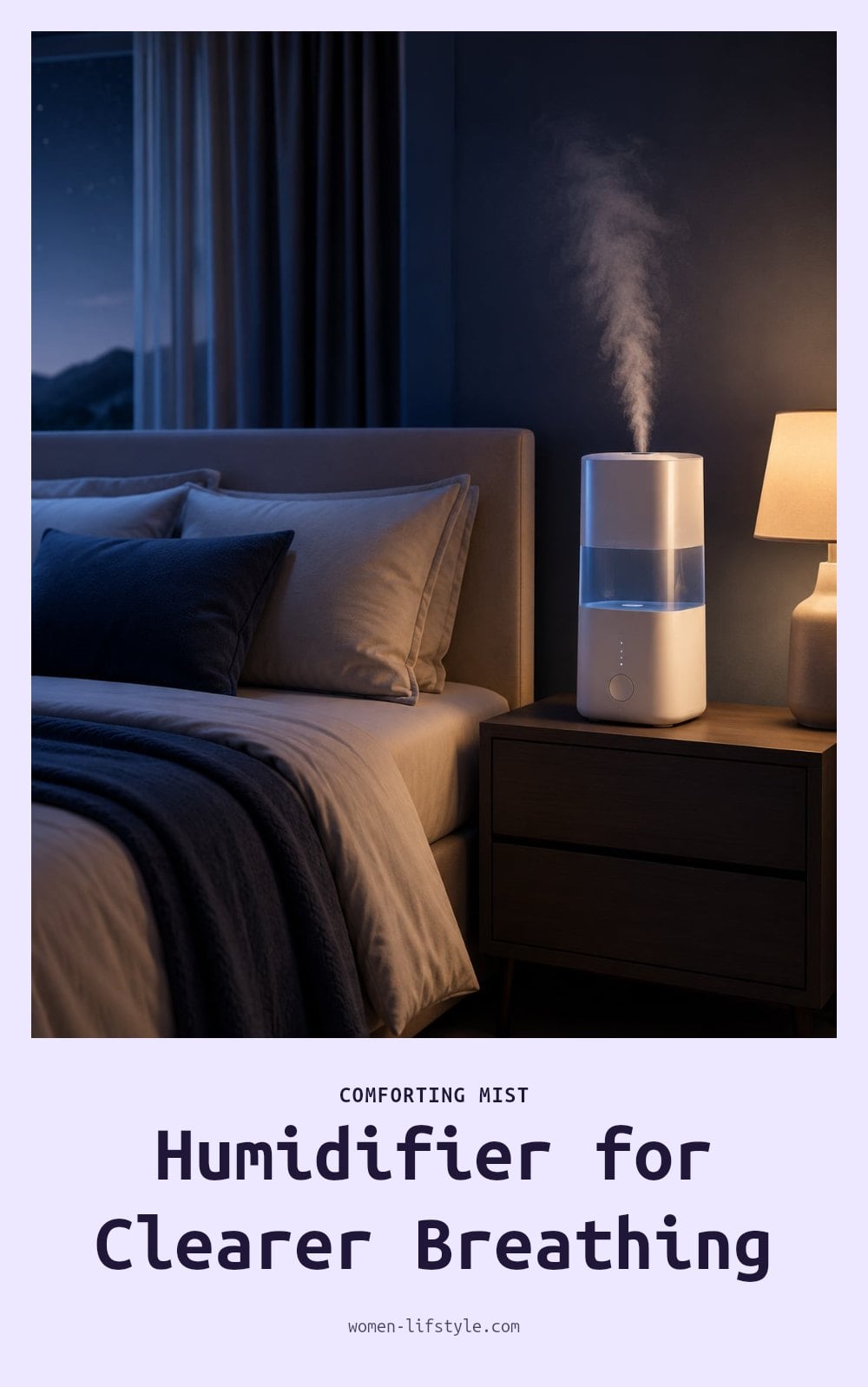
Adding moisture to the air with a humidifier can soothe irritated nasal passages and help thin out thick mucus. I like to keep one in my bedroom, especially at night, to make breathing easier while I sleep.
My tip: Clean your humidifier regularly to prevent mold and bacteria buildup. A dirty humidifier can send particles into the air that worsen congestion instead of helping it.
2. Try a Saline Nasal Rinse

Saline nasal sprays or neti pots are fantastic for flushing out irritants, allergens, and excess mucus. They work by reducing inflammation and clearing your nasal passages, making it easier to breathe.
Caution: Always use distilled, sterile, or previously boiled and cooled water for neti pots or rinse bottles. Tap water can contain organisms that cause serious infections, so this step is non-negotiable.
3. Inhale Steam
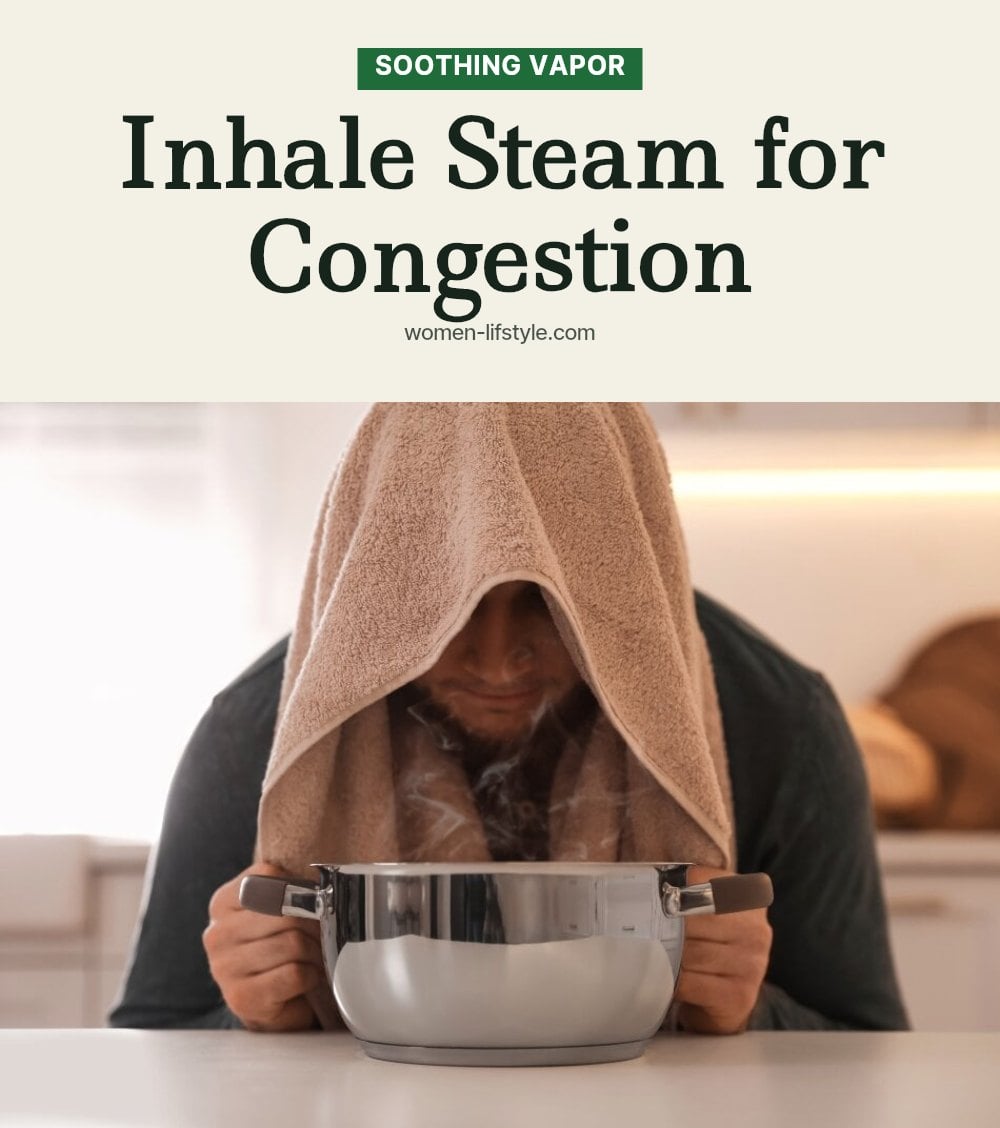
A warm shower or bath can work wonders. The steam helps moisten your nasal passages and loosen mucus, providing temporary relief. You can also create a steam tent: lean over a bowl of hot (not boiling) water with a towel over your head and inhale deeply for 5-10 minutes.
Caution: Be very careful with hot water to avoid burns, especially if you have children around. Test the steam temperature with your hand before putting your face near it.
4. Stay Hydrated
Drinking plenty of fluids like water, juice, and clear broths is crucial when you have a stuffy nose. Hydration helps thin your mucus, making it much easier to clear from your nasal passages.
My tip: Avoid sugary drinks and excessive dairy, as some people find dairy can thicken mucus. Stick to water or herbal tea for the best results.
5. Apply a Warm Compress

A warm, moist cloth applied to your face can help open nasal passages and relieve sinus pressure. I find it particularly soothing over my forehead and nose. Repeat several times a day as needed.
Tip: Make sure the cloth is warm, not hot, to avoid skin irritation. The gentle heat helps reduce inflammation without causing discomfort.
6. Elevate Your Head When Sleeping
Sleeping with your head elevated can significantly reduce post-nasal drip and congestion. I use an extra pillow or two to prop my head up, which helps gravity drain mucus away from your nasal passages.
This simple trick can make a big difference in getting a more restful night’s sleep by keeping your airways clearer.
7. Consider Over-the-Counter Decongestants
Oral decongestants work by narrowing blood vessels in your nasal passages, reducing swelling. If your stuffy nose is due to allergies, antihistamines can be very helpful.
Caution: Do not use nasal decongestant sprays for more than 3-5 days to avoid rebound congestion, which can make things worse. Always follow the package directions and consult a doctor if symptoms persist.
8. Rest and Recover

Giving your body adequate rest is one of the best things you can do to help it fight off whatever is causing your stuffy nose. When you rest, your body can focus its energy on healing and recovery instead of dividing it between daily tasks and fighting congestion.
Good to know: Listen to your body and don’t push yourself too hard when you’re feeling congested. Take short naps during the day if you need them, and give yourself permission to slow down until you feel better.
9. Avoid Irritants
Steer clear of known irritants that can worsen nasal congestion, such as cigarette smoke, strong perfumes, and chemical fumes. These can inflame your nasal passages further and make it harder for you to breathe.
Pro move: Keep your living space clean and well-ventilated to minimize airborne irritants. Open windows when the outdoor air is clean, and use a vacuum with a HEPA filter to reduce dust and allergens.
10. Try Essential Oils (with caution)
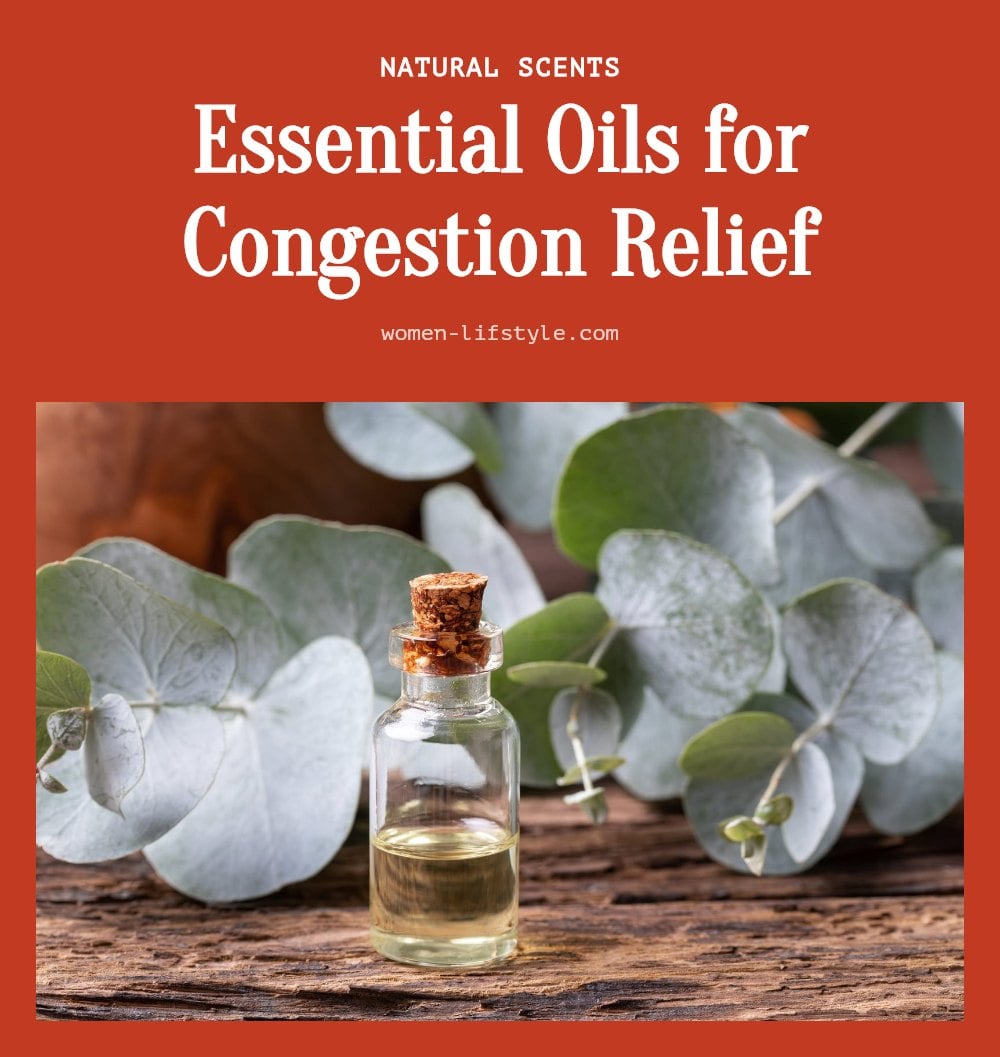
Some people find temporary relief from essential oils like eucalyptus or peppermint, often by adding a few drops to steam inhalation or a diffuser. While scientific evidence is limited, the strong aromas can create a sensation of clearer airways by stimulating the olfactory nerves.
Caution: Always dilute essential oils in a carrier oil and perform a patch test on your skin before use. Pregnant women, young children, and those with certain medical conditions should consult a doctor before using essential oils for congestion.
11. Spicy Foods (for some)
For some individuals, eating spicy foods can temporarily clear nasal passages. The compound capsaicin in chili peppers can stimulate mucus production and create a brief sensation of openness.
This effect is usually short-lived and varies greatly from person to person. Quick tip: If you enjoy spicy food, it might offer a brief respite, but it’s not a primary remedy. Stick with other methods like hydration and steam for more reliable relief.
When to Consult a Doctor
Most stuffy noses resolve on their own with home care, but some situations need professional attention. If your congestion lasts longer than 10-14 days, make an appointment with your doctor. Seek medical advice if your stuffy nose comes with a high fever, severe facial pain, or green or yellow discharge. These can signal a sinus infection or other condition that requires treatment. Always consult a healthcare professional before trying new remedies or medications if you have underlying medical conditions or are pregnant. Your doctor can recommend safe options for your specific situation.
Frequently Asked Questions
How long does a stuffy nose typically last?
A stuffy nose from a common cold usually lasts about 7 to 10 days, while allergy-related congestion can persist as long as you’re exposed to the allergen. If your congestion lasts longer than 10-14 days, it’s a good idea to see a doctor to rule out a sinus infection or other issue.
Can diet affect nasal congestion?
Yes, for some people. Spicy foods can temporarily clear nasal passages by stimulating mucus production, though the effect is short-lived. Some individuals find that excessive dairy thickens their mucus, so you may want to cut back if you notice that. Staying hydrated is key, as fluids help thin mucus.
Is it safe to use essential oils for a stuffy nose?
Essential oils like eucalyptus or peppermint may provide a sensation of clearer airways, but scientific evidence is limited. They should be used with caution: never ingest them, and avoid applying directly to skin without dilution. Pregnant women, young children, and people with respiratory conditions should consult a doctor before using essential oils.
When should I worry about a stuffy nose?
You should consult a doctor if your congestion lasts longer than 10-14 days, is accompanied by a high fever, severe facial pain, or green/yellow discharge. Also seek medical attention if you have trouble breathing or if symptoms worsen after initial improvement. These could indicate a sinus infection or other condition needing treatment.
Can a stuffy nose be a sign of something serious?
In most cases, a stuffy nose is caused by a common cold, allergies, or sinusitis and is not serious. However, persistent congestion that doesn’t respond to home remedies, or is accompanied by a high fever, severe pain, or bloody discharge, could signal a more serious issue like a bacterial sinus infection or nasal polyps. See a doctor if you’re concerned.
Final Thoughts
My recommendation is to start with a humidifier and a saline rinse. They’re gentle, safe, and often provide quick relief. Realistically, most stuffy noses improve within a few days to a week with consistent home care, but you may need to repeat remedies several times a day. Breathe easier tonight by keeping your head elevated and staying hydrated.
This article is for general informational purposes only and does not constitute medical advice. If you have a persistent or serious health concern, or if your symptoms worsen, please consult a doctor or a qualified healthcare professional for a proper diagnosis and treatment plan.
