

Chafing can turn a good run or a hot summer day into a painful experience. It’s that raw, stinging irritation from skin rubbing against skin or clothing, and it usually shows up where you least want it, inner thighs, underarms, or under the bust. The good news is that relief and prevention are simple once you know what to do. This article covers the most effective remedies to soothe chafed skin right now, plus the strategies that keep it from happening in the first place.
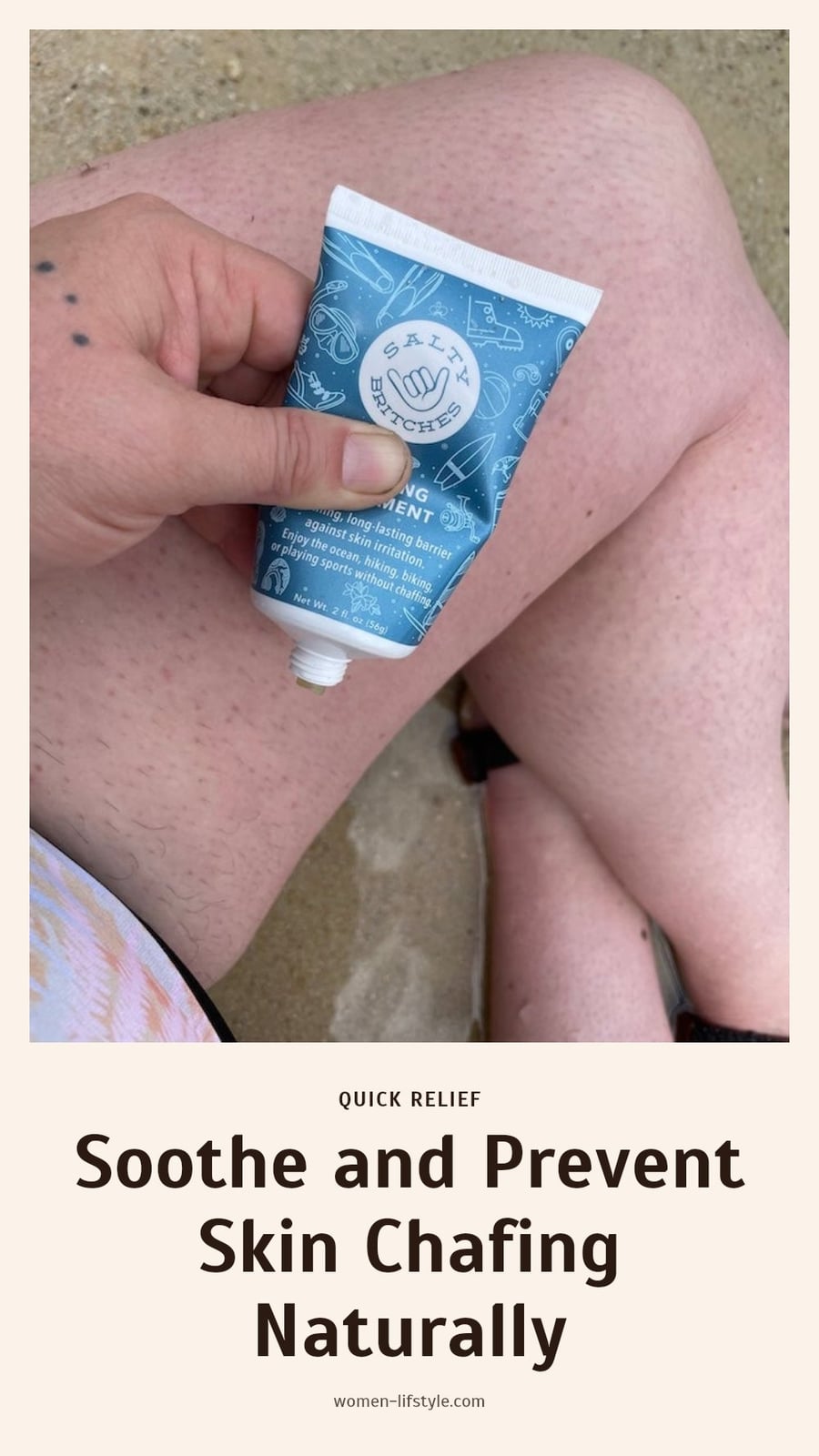
Key Takeaways
- Clean chafed skin gently with mild soap and pat it completely dry before applying any product.
- Use a barrier balm, petroleum jelly, or talc-free powder to reduce friction and absorb moisture.
- Wear moisture-wicking fabrics and well-fitting clothing to prevent rubbing during activity.
- Apply antiperspirant to sweat-prone areas at night to cut down moisture and irritation.
- See a doctor if you see open sores, blisters, pus, or signs of infection like increased redness or warmth.
What is Chafing and How to Stop It?
Chafing is skin irritation caused by repetitive friction, often made worse by moisture from sweat or humidity. To stop it, reduce both friction and moisture by using barrier products like balms or petroleum jelly, wearing protective clothing, and practicing gentle skin care. Address chafing quickly to prevent it from worsening, and consult a doctor if you develop open sores, blisters, or signs of infection.
1. Cleanse Gently and Thoroughly
Use a mild, unscented soap and lukewarm water to clean the affected area. Avoid scrubbing or harsh rubbing, which can worsen irritation.
- Pat dry: Gently blot the skin completely dry with a soft towel. Moisture is chafing’s best friend, so thorough drying is essential before applying any product.
2. Apply a Barrier Balm or Stick
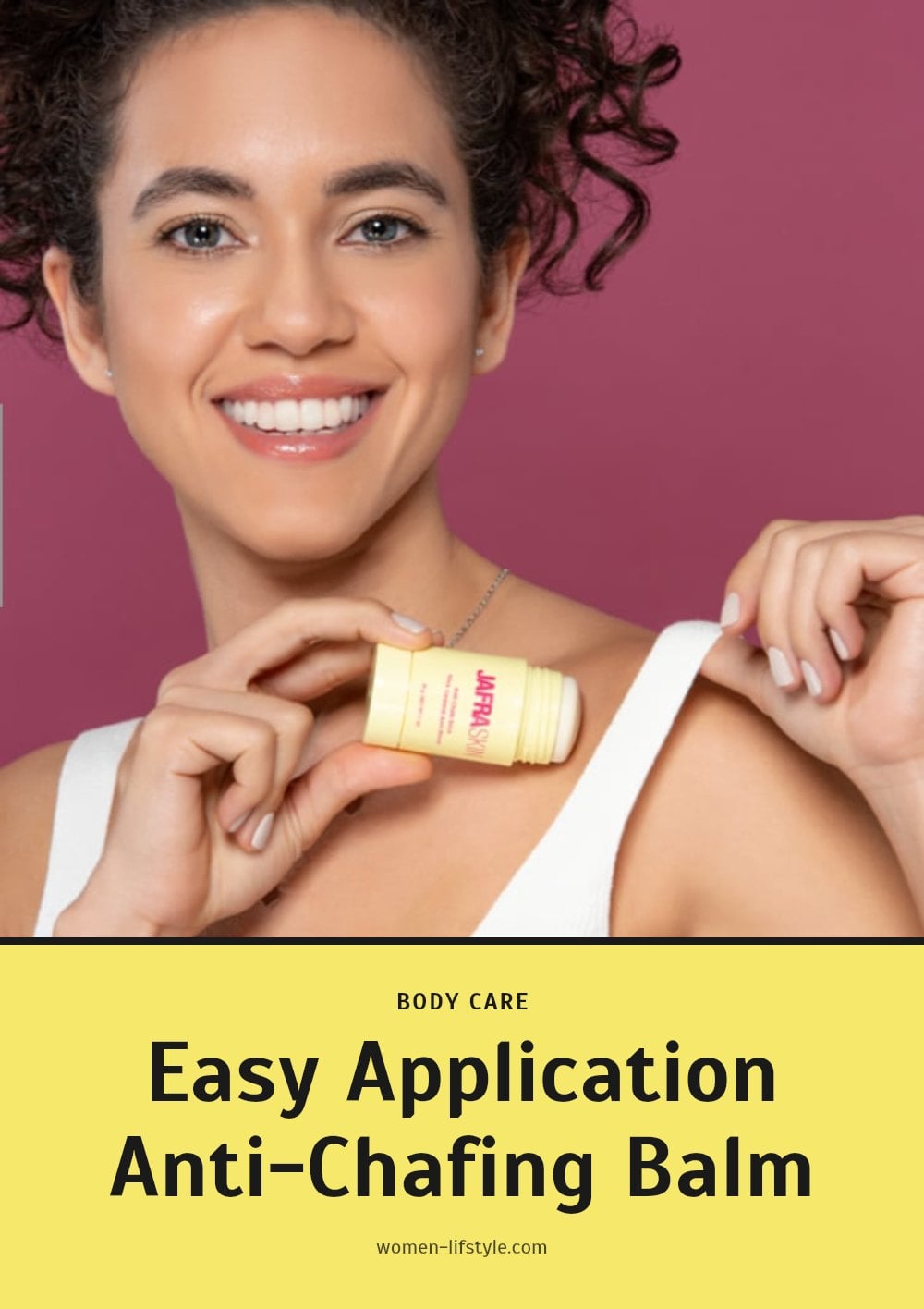
Barrier balms create a protective layer on your skin, reducing direct friction. Look for products specifically designed for anti-chafing, often in stick form for easy, mess-free application.
- My tip: Apply generously to areas prone to rubbing, like inner thighs or underarms, before activity. Reapply as needed during long periods of movement.
3. Use Petroleum Jelly for Protection
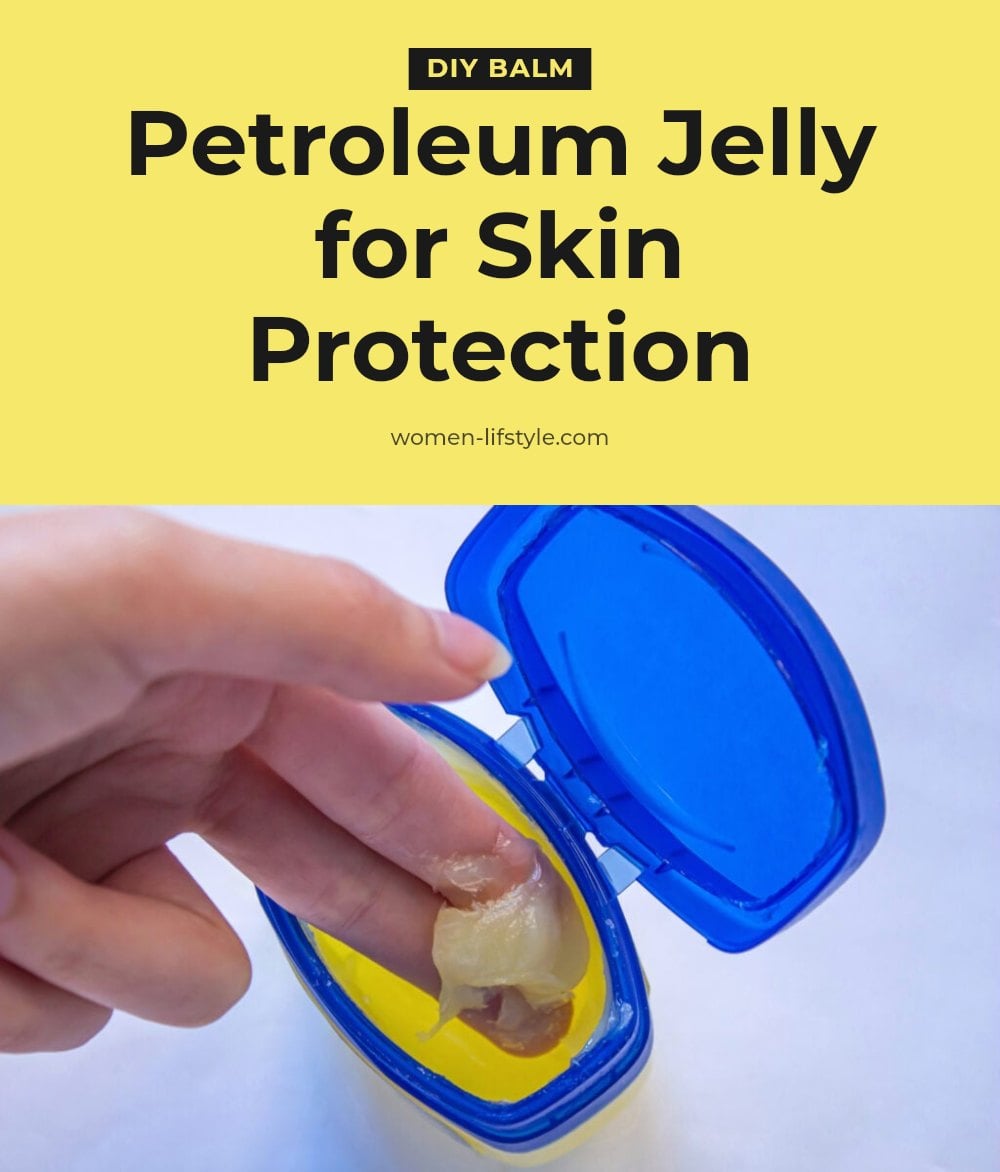
Petroleum jelly is a simple, effective, and affordable barrier against chafing. It forms a slick, protective layer that allows skin to glide rather than rub.
- Apply: Spread a thin, even layer to clean, dry skin in areas where friction occurs. It works well under clothing or between skin folds.
4. Absorb Moisture with Powders
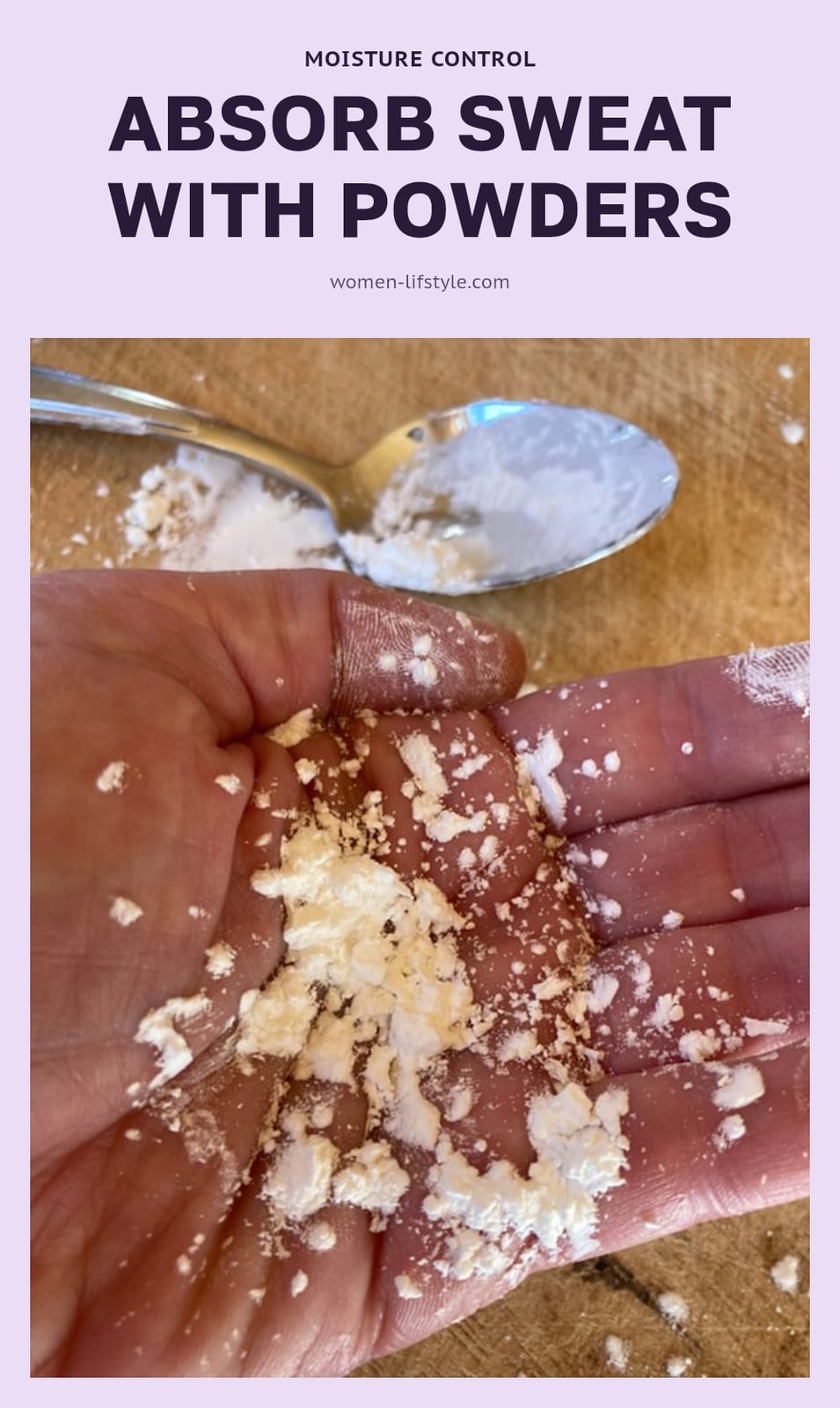
Talc-free powders, like cornstarch, help absorb sweat and keep the skin dry. This reduces the moisture that makes friction worse and irritation more likely. Caution: Avoid scented powders on already irritated skin, as added fragrance can cause further stinging or inflammation. Apply a light dusting to clean, dry skin before dressing, and reapply if you sweat heavily.
5. Wear Moisture-Wicking Fabrics
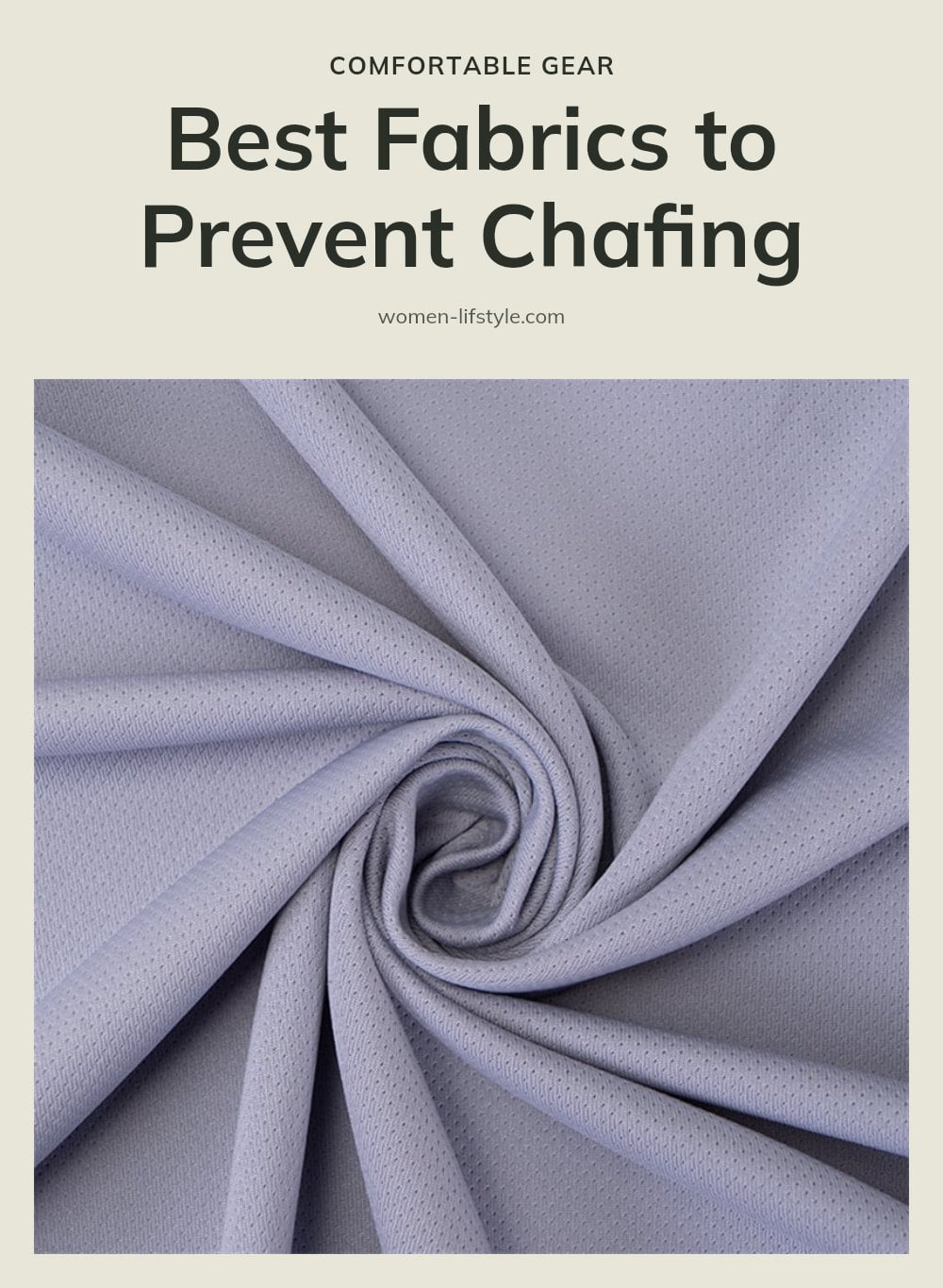
Opt for clothing made from synthetic, moisture-wicking materials, especially during physical activity. These fabrics, such as polyester or nylon, pull sweat away from your skin and dry quickly, keeping you drier than cotton, which holds moisture against the body. My tip: Check labels for terms like “moisture-wicking,” “quick-dry,” or blends designed for activewear to get the best performance.
6. Choose Well-Fitting Clothing
Ill-fitting clothing, whether too tight or too loose, can increase friction. Loose garments can bunch up and rub more than properly fitted ones, while tight clothing restricts movement and creates pressure points. Aim for garments that fit smoothly without rubbing or forming excess fabric folds. Try moving around in the clothing before committing to a full day of wear.
7. Use Compression Shorts or Thigh Bands
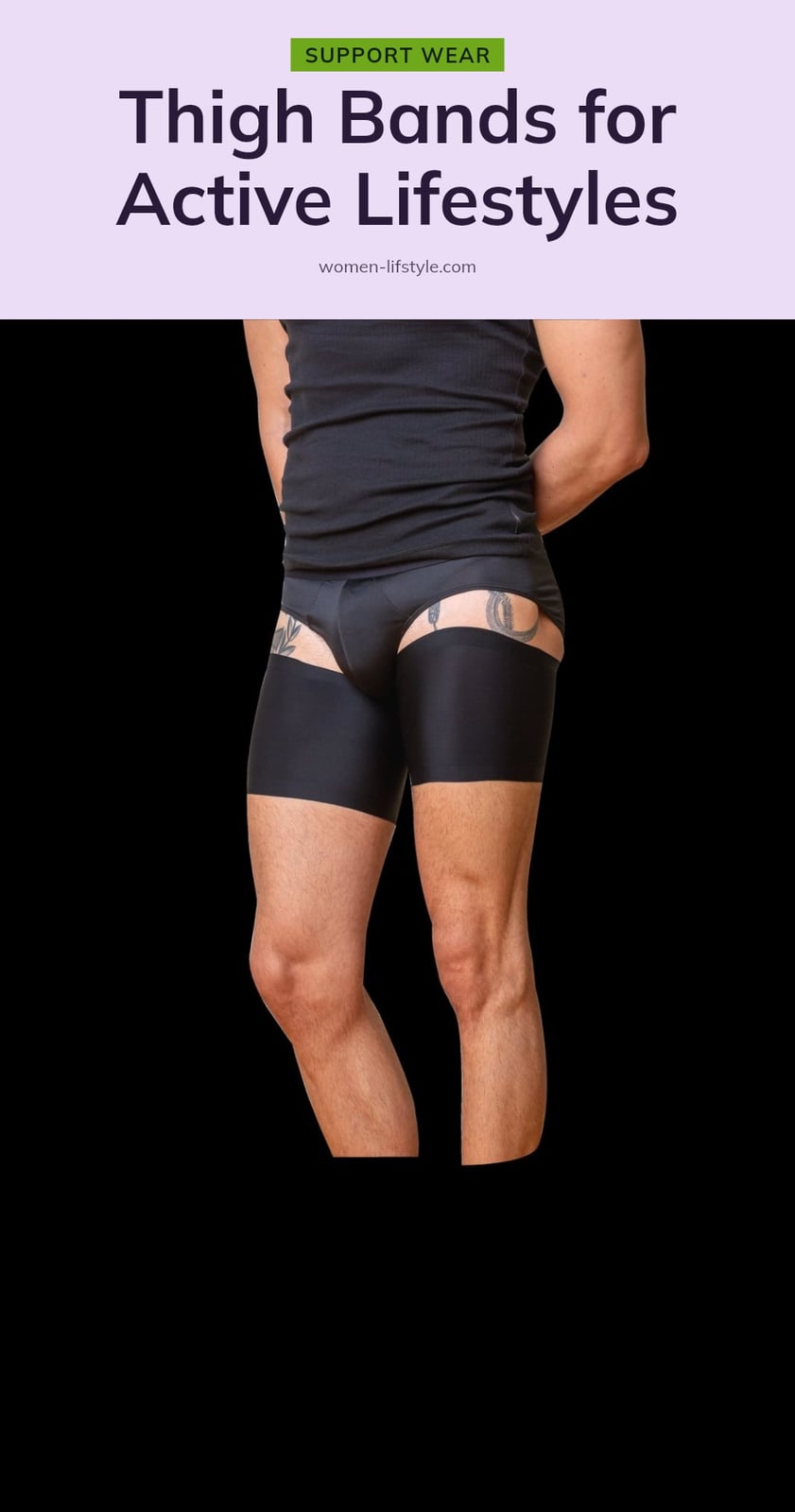
Compression shorts or bike shorts worn under dresses or skirts provide a physical barrier between your thighs, preventing skin-on-skin rubbing. Thigh bands, also called bandelettes, offer a similar solution without covering the whole leg. These options are excellent for preventing inner thigh chafing because they stay in place and allow a full range of movement.
8. Apply Antiperspirant to Problem Areas
Antiperspirants reduce sweating in areas prone to chafing, like underarms or inner thighs. Less moisture directly means less friction and a lower chance of irritation. Tip: Apply antiperspirant to clean, dry skin before bed for best results. This allows the product to work overnight and reduce sweat production during the day.
9. Stay Hydrated
Drinking enough water helps your body regulate its temperature and sweat production. While it won’t stop sweating entirely, proper hydration contributes to overall skin health. Healthier skin is more resilient to friction and irritation, making hydration a simple supporting step in your anti-chafing routine.
10. Consider Low-Dose Hydrocortisone Cream
For mild redness and itching, a low-dose (0.5% or 1%) hydrocortisone cream can help reduce inflammation. Caution: Use it sparingly and only for a short period. This is a temporary solution for discomfort, not a long-term prevention strategy. Always consult a doctor if symptoms persist or worsen.
11. Address Chafing Promptly
Ignoring early signs of chafing, like mild redness or tenderness, can lead to more severe irritation. The sooner you apply remedies and protective measures, the faster your skin can recover. Good to know: Keep a small anti-chafing stick in your bag for on-the-go prevention and treatment. Catching it early makes a big difference.
When to See a Doctor for Chafing
Most chafing resolves with simple care, but some cases need a professional. If you see open sores, blistering, pus, or signs of infection, like increased redness, warmth, swelling, or fever, see a doctor. Diabetics and those with compromised immune systems should be extra cautious about skin breaks and check with a healthcare provider for persistent chafing or any sign of infection. Also stop using any product that causes further irritation or an allergic reaction right away.
Frequently Asked Questions
Can chafing lead to infection?
Yes, chafing can lead to infection if the skin breaks open or blisters form. Bacteria can enter through damaged skin, especially if it stays moist or dirty. Signs of infection include increased redness, warmth, swelling, pus, or fever. If you notice any of these, see a doctor promptly.
Is chafing only a problem for active people?
No, chafing can happen to anyone, not just athletes. Everyday activities like walking in humid weather, wearing certain clothing, or even sitting for long periods can cause friction. It’s also common in people with larger body types, but it affects people of all shapes and sizes.
How long does it take for chafing to heal?
Mild chafing usually starts feeling better right after you apply a barrier or soothing product, and visible redness often fades within a few days of consistent care. Healing time depends on the severity and how well you protect the area. Deep or infected chafing may take longer and needs medical attention.
Can I use regular lotion for chafing?
Regular body lotion is not ideal for chafing because it can contain fragrances or ingredients that sting on irritated skin. It also absorbs quickly and doesn’t create a lasting barrier like petroleum jelly or an anti-chafing balm. Stick to products designed to reduce friction and protect the skin.
What’s the difference between chafing and a heat rash?
Chafing is caused by friction, skin rubbing against skin or clothing, and often feels raw or stinging. Heat rash, also called prickly heat, happens when sweat glands get blocked, causing tiny red bumps and itching, usually in hot, humid conditions. They can occur together, but the cause and treatment differ.
Final Thoughts
My tip: Keep a small anti-chafing stick or a tube of petroleum jelly in your gym bag or purse so you’re never caught off guard. With consistent care, most chafed skin shows visible improvement in a few days. Start with one or two prevention steps, like switching to moisture-wicking shorts or applying a barrier before your next workout, and build from there. Your skin will thank you.
This information is for general informational purposes only and is not a substitute for professional medical advice, diagnosis, or treatment. If you have persistent chafing, signs of infection, or an underlying health condition like diabetes, please consult a doctor or dermatologist.
