

You’ve probably got a brown bottle of hydrogen peroxide in your medicine cabinet, but it’s not just for cuts and scrapes. It’s a surprisingly powerful cleaner that can disinfect surfaces, lift stains, and knock out odors around your home. In this article, I’ll walk you through how to use it safely and effectively, from general cleaning to tackling tough spots like blood and grout.
Key Takeaways
- Use 3% hydrogen peroxide for all household cleaning tasks.
- Always test on a hidden area first to prevent discoloration.
- Let surfaces stay wet for 5-10 minutes to disinfect.
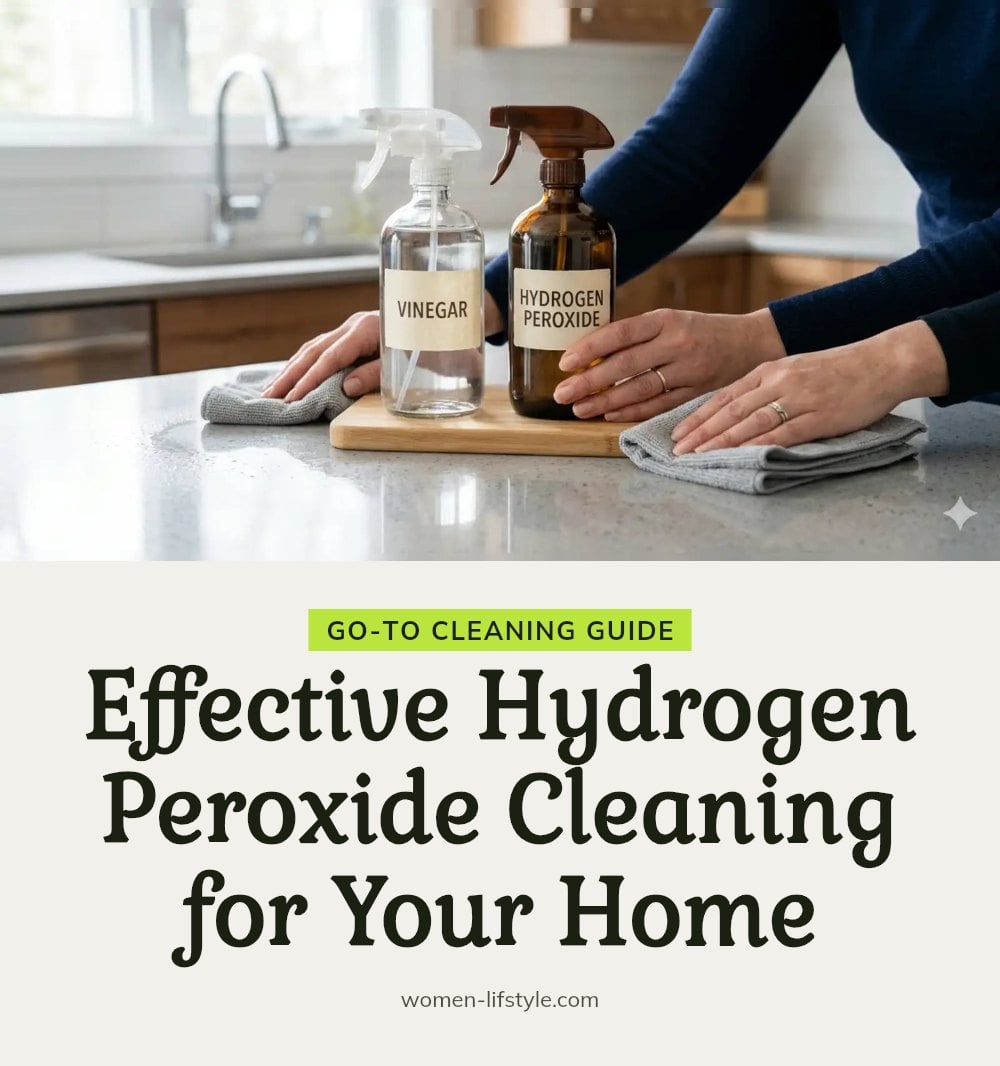
- Never mix hydrogen peroxide with vinegar or bleach.
- Store in the original dark bottle, away from light and heat.
Why Hydrogen Peroxide is a Cleaning Powerhouse
Hydrogen peroxide does triple duty: it disinfects, removes stains, and deodorizes. The magic happens when it releases oxygen, which breaks down organic matter and kills germs on contact. That 3% bottle you can grab at any store is generally safe and breaks down into water and oxygen, making it an eco-friendly cleaning choice.
Gather Your Hydrogen Peroxide Cleaning Essentials
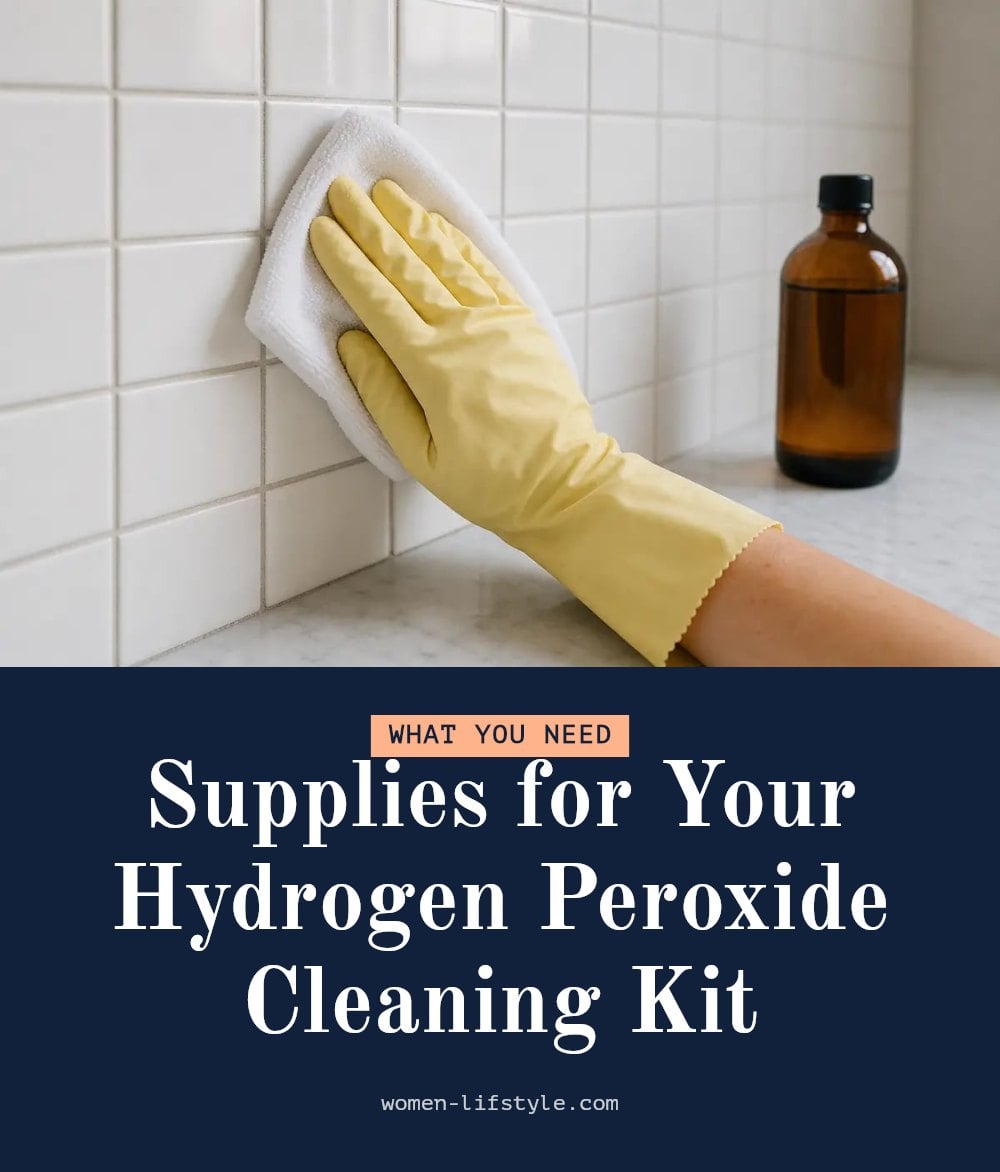
You only need a few items to get started.
- 3% hydrogen peroxide solution: This is the standard concentration for household use. Higher percentages can be dangerous.
- Spray bottle: A dedicated spray bottle gives you even, controlled application on counters, sinks, and more.
- Gloves: Protect your hands, especially if you have sensitive skin or are tackling tough stains.
Step-by-Step: General Cleaning and Disinfecting
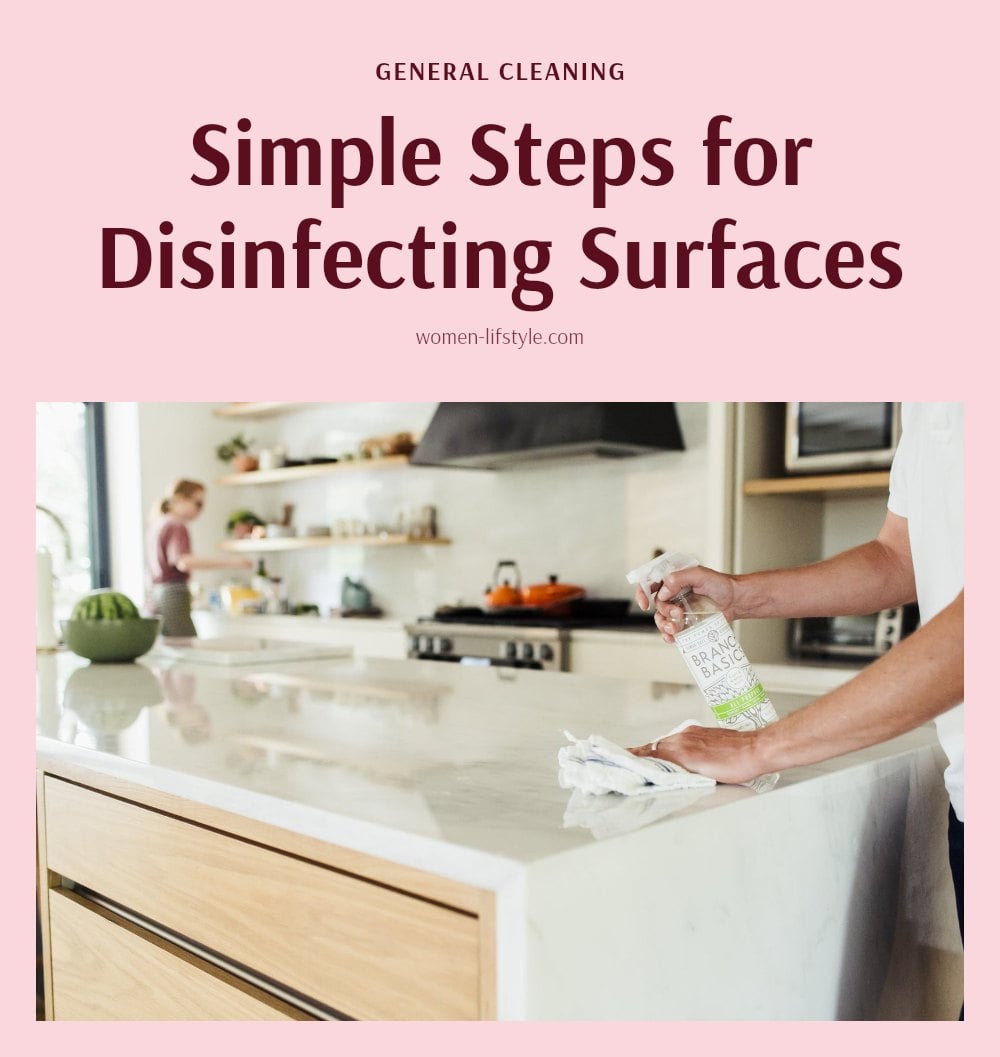
Test first: Before you spray, test the hydrogen peroxide on a small, hidden area of the surface. This prevents accidental discoloration or damage, especially on colored fabrics or delicate finishes.
- Apply the solution: Fill a spray bottle with 3% hydrogen peroxide and mist the surface you want to clean or disinfect. For toilets, sinks, and showers, spray directly onto the porcelain or tile. For cutting boards, saturate the entire board.
- Let it sit: Allow the hydrogen peroxide to dwell for 5-10 minutes. This contact time is essential for killing bacteria, viruses, and fungi. For heavy stains or mold, extend the dwell time to 15 minutes.
- Wipe clean: After the dwell time, wipe the surface with a clean cloth or sponge. Rinse the cloth between passes for large areas. For cutting boards, rinse thoroughly with water and let air dry.
Targeted Cleaning: Stains, Grout, and Odors
Blood Stains
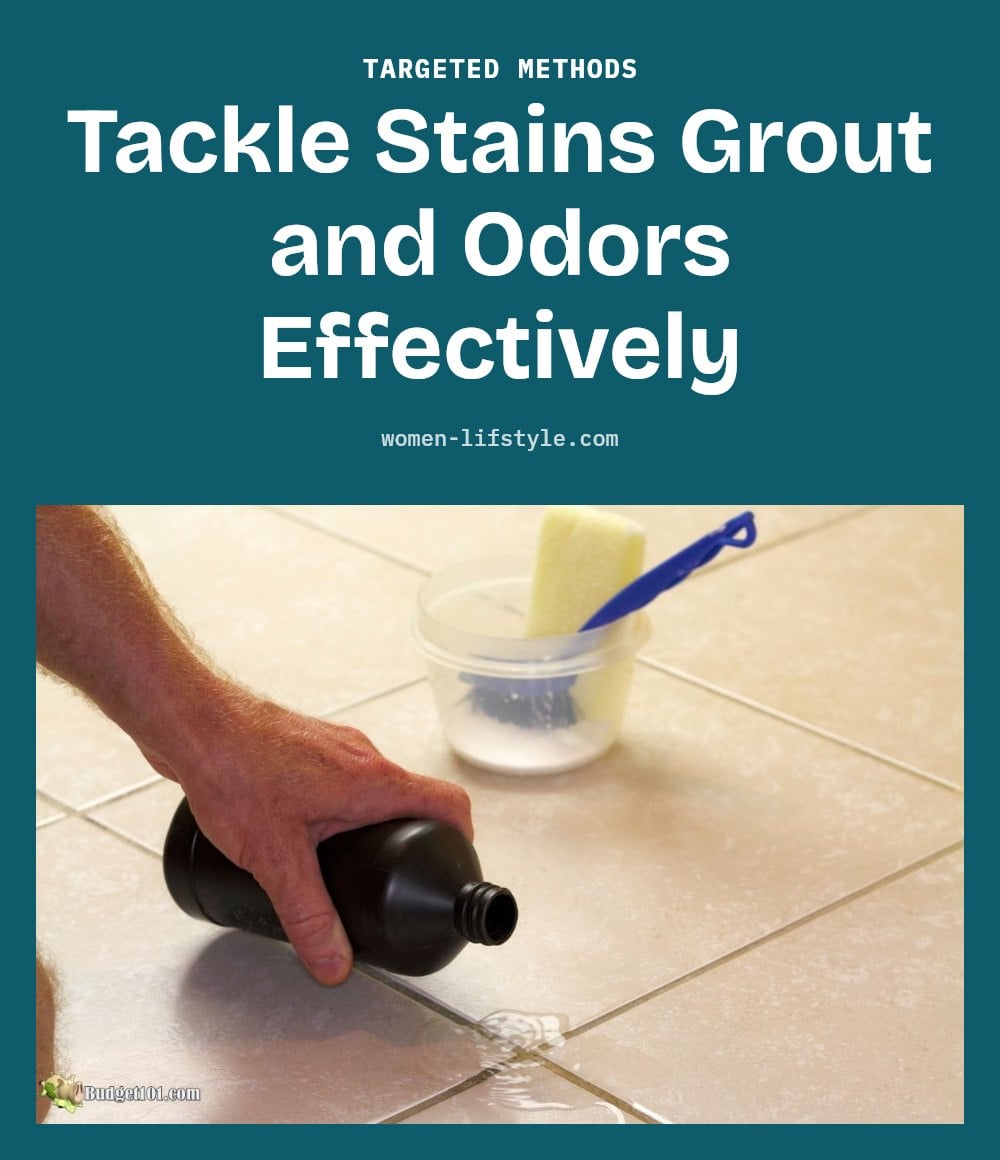
For fresh or dried blood stains, pour 3% hydrogen peroxide directly onto the stain. The oxygen bubbles will immediately start breaking down the proteins in the blood. Blot with a clean cloth, working from the outside in to prevent spreading. Repeat the process until the stain lifts, then rinse with cold water. Caution: Hydrogen peroxide can bleach some fabrics, so test on an inconspicuous area first.
Grout Whitening and Mold Removal
Grout lines collect dirt, soap scum, and mold over time. Spray or apply 3% hydrogen peroxide directly onto the grout and let it sit for 10-15 minutes. For stubborn mold or mildew, apply a paste of hydrogen peroxide and baking soda, let it dry, then scrub with a stiff brush. Rinse with water and repeat if needed. The oxygen release lifts stains without harsh fumes.
Deodorizing and Sanitizing
Hydrogen peroxide neutralizes odors by breaking down the organic compounds causing them. Spray it inside garbage cans, on cutting boards, or inside your refrigerator. Let it sit for 5-10 minutes, then wipe clean or rinse as appropriate for the surface. Tip: For cutting boards, spray after washing to sanitize and remove lingering food smells. For sinks, showers, and toilet bowls, apply, let sit for 5-10 minutes, then scrub and rinse.
Common Hydrogen Peroxide Cleaning Mistakes to Avoid
The most common mistake is using a concentration higher than 3%. Food-grade 35% hydrogen peroxide is dangerous for household cleaning and can cause skin burns or respiratory irritation. Stick to the standard 3% solution you find at the drugstore.
Never mix hydrogen peroxide with vinegar in the same container. The combination creates peracetic acid, a corrosive substance that can damage surfaces and irritate your lungs. If you need to use both cleaners, apply them separately and rinse the surface between applications.
Not letting hydrogen peroxide sit long enough is another frequent error. For disinfection, the surface must stay wet for 5-10 minutes. Rushing the process leaves germs alive and stains half-removed. Also store your bottle in its original opaque container in a cool, dark place. Light and heat break down hydrogen peroxide into plain water, making it useless for cleaning.
Best Tips for Using Hydrogen Peroxide Effectively
My tip: Keep your hydrogen peroxide in its original opaque bottle stored in a cool, dark cabinet. This prevents light and heat from degrading it, so it stays effective for every cleaning task.
My tip: To brighten white laundry, add about half a cup of 3% hydrogen peroxide to your wash cycle along with your regular detergent. It works as a gentle bleach alternative without the harsh fumes.
Tip: Use a dedicated spray bottle for hydrogen peroxide and label it clearly with a permanent marker. This avoids confusion with other spray cleaners and prevents accidental mixing.
Hydrogen Peroxide: Application Time and Affordability
Hydrogen peroxide works on a schedule. For disinfection, spray the surface and let it sit wet for 5-10 minutes before wiping. For stain removal, results often appear within minutes, but tougher stains like set-in blood may need longer dwell times or a second application.
The cost is minimal. A standard 3% bottle runs just a few dollars and handles dozens of cleaning jobs, from sanitizing countertops to whitening grout. It is a one-time purchase that keeps working as long as you store it correctly.
Frequently Asked Questions
Is hydrogen peroxide safe for all surfaces?
No, it’s not safe for every surface. Avoid using it on natural stone like marble or granite, as it can etch or discolor them. Also test on delicate fabrics like silk or wool before use. For most hard, non-porous surfaces, it’s generally safe, but a spot test in an inconspicuous area is always a smart move.
How long does hydrogen peroxide last once opened?
Once opened, hydrogen peroxide gradually breaks down, especially if exposed to light and heat. Stored properly in its original opaque bottle in a cool, dark place, it can remain effective for about a year. If it stops bubbling when applied to a stain, it’s likely lost its potency and should be replaced.
Can hydrogen peroxide remove old, set-in stains?
Yes, it can help with old stains, but it may take longer. For set-in blood stains, pour the solution directly on the spot and let it sit for several minutes, then blot. You might need to repeat the process a few times. For very stubborn stains, allow more dwell time, but always check the fabric’s colorfastness first.
What’s the difference between 3% and 35% hydrogen peroxide?
The 3% solution is the standard household concentration, safe for cleaning and disinfecting. The 35% food-grade version is highly concentrated and can cause skin burns, respiratory irritation, and is dangerous to handle. Stick with 3% for all cleaning tasks; the higher strength is not meant for home use.
Final Thoughts
For most everyday messes, a 3% hydrogen peroxide solution is a safe, eco-friendly choice. My tip: keep a spray bottle filled with it under the sink for quick disinfecting of counters and doorknobs. Just remember that it works on a schedule, so give it a few minutes of dwell time for best results. With proper storage, a bottle can stay effective for months, making it a budget-friendly addition to your cleaning routine.
This article provides general information about using hydrogen peroxide for cleaning. It is not medical or professional advice. Always follow safety guidelines, and for persistent stains, surface damage, or any health concerns, consult a professional or your doctor.
