

Feeling stuck or simply ready for more out of life? Personal growth is the ongoing process of improving yourself across emotional, intellectual, social, and spiritual areas. It’s about developing new skills, shifting your perspective, and working through challenges to become a more fulfilled and capable person. This guide walks you through practical steps, tools, and strategies to start or deepen your self-improvement journey, all while keeping your well-being front and center.

Key Takeaways
- Personal growth is a lifelong process, not a destination.
- Set SMART goals to make your efforts specific and trackable.
- Practice self-reflection and journaling to build self-awareness.
- Embrace a growth mindset and view mistakes as learning opportunities.
- Seek professional support if stagnation or unhappiness persists.
What is Personal Growth and Why Does it Matter?
Personal growth is the ongoing process of improving yourself across emotional, intellectual, social, and spiritual areas. It means developing new skills, shifting your perspective, and working through challenges to become a more fulfilled and capable person. This journey builds self-awareness and resilience, which help you handle life’s ups and downs with more clarity and steadiness. The result is not a finished version of yourself but a deeper understanding of who you are and what you can become.
Essential Tools for Your Personal Growth Journey
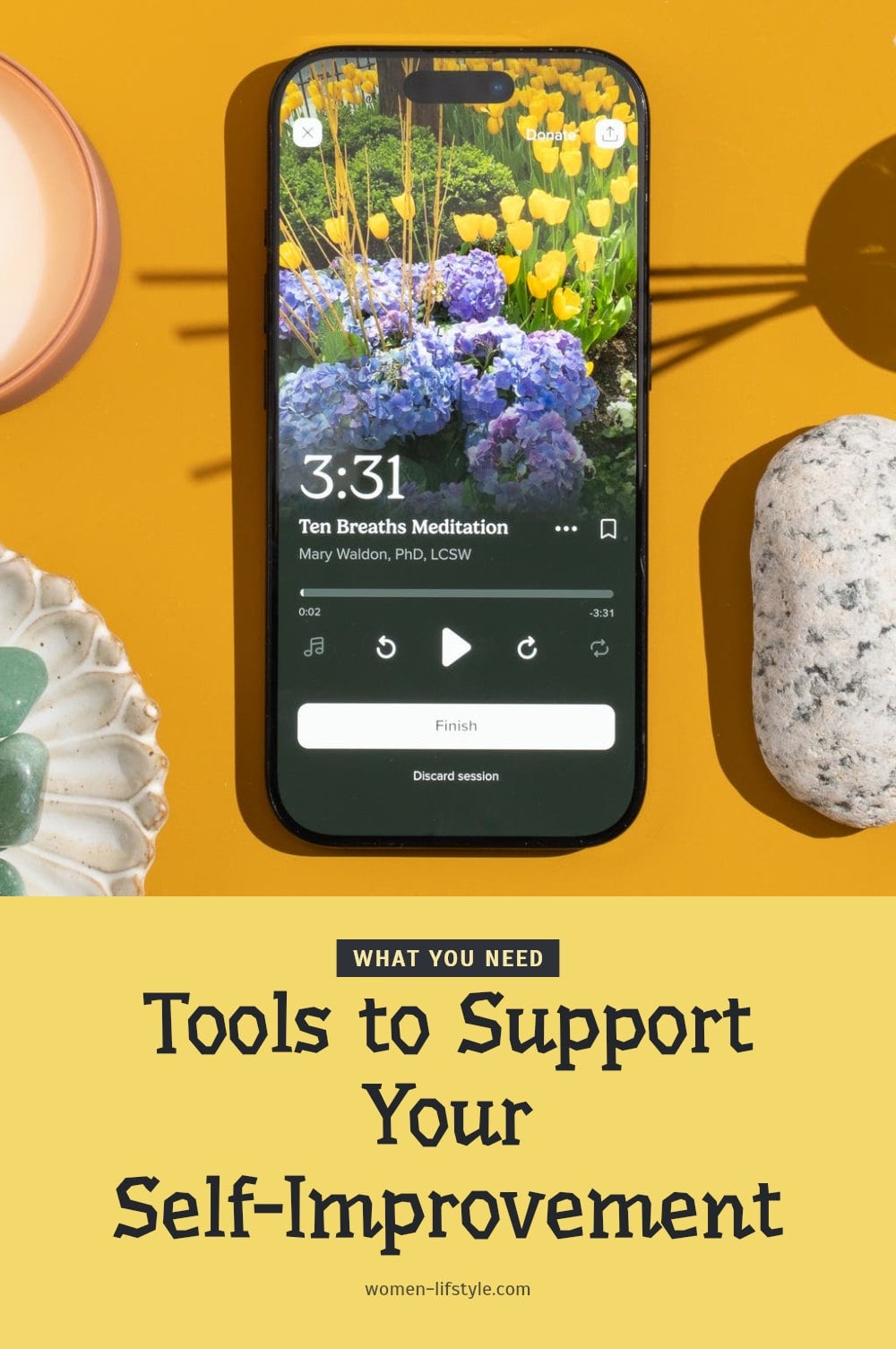
Having the right tools makes the process more structured and effective. Here is what I usually keep on hand:
- Journal or notebook: Essential for self-reflection and tracking your progress. Writing down thoughts helps you spot patterns and clarify what matters.
- Self-help books or resources: They offer frameworks and perspectives you might not discover on your own.
- Meditation apps or guides: A practical way to build mindfulness and emotional regulation, even if you only have five minutes.
- Online courses or workshops: Structured learning for building new skills or knowledge in a specific area.
- Therapist or coach: Optional but valuable for personalized support, accountability, and navigating deeper challenges.
Step-by-Step: Cultivating Your Personal Growth
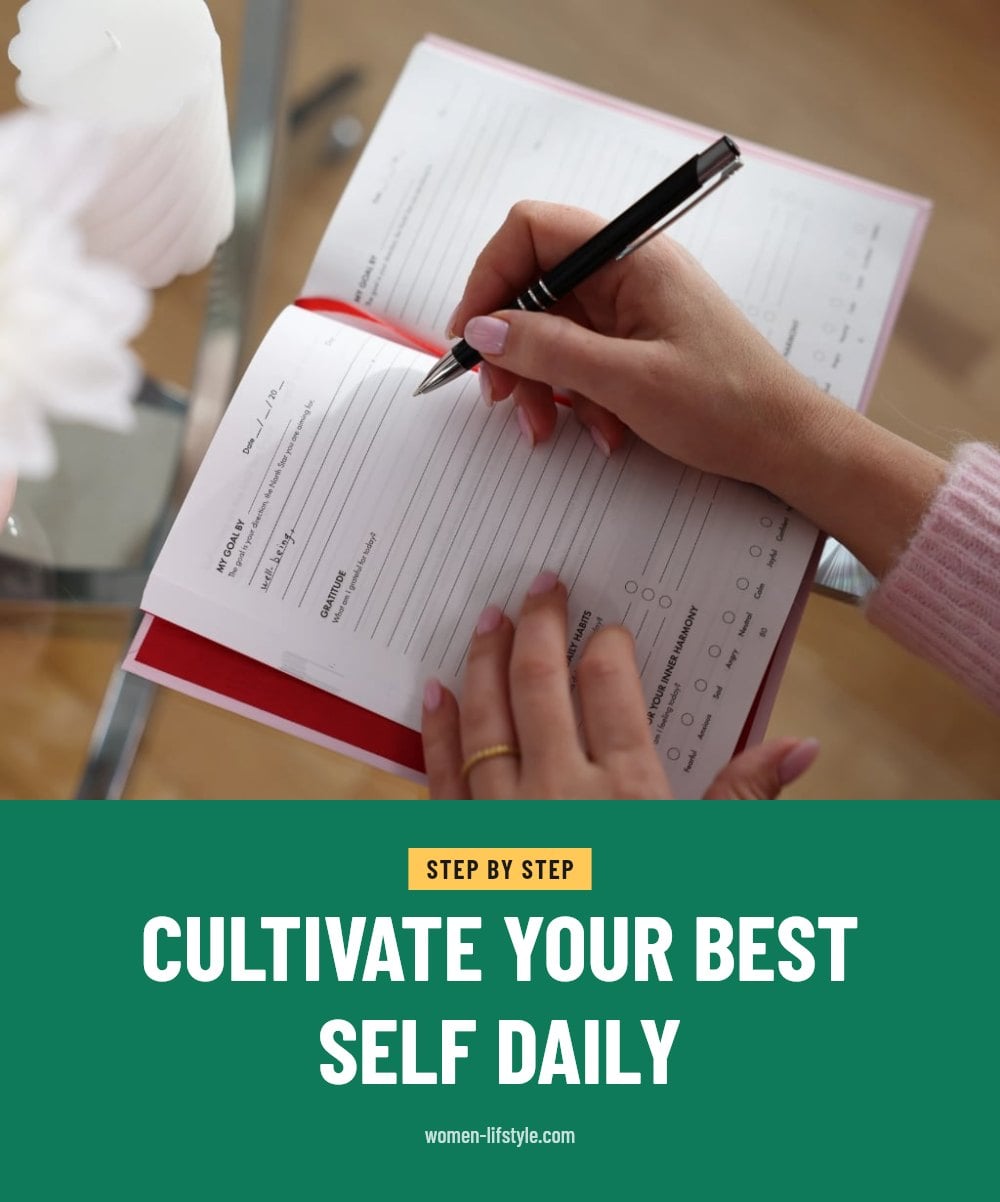
- Understand yourself through reflection: Spend 10-15 minutes daily or weekly examining your thoughts, feelings, and reactions. This builds the self-awareness that underpins every other step.
- Set SMART goals: Make goals Specific, Measurable, Achievable, Relevant, and Time-bound. For example, instead of “read more,” try “read one personal development book per month for the next three months.”
- Embrace new challenges: Actively look for opportunities that push you slightly beyond your comfort zone. That could be taking a class, speaking up in a meeting, or trying a hobby you have been curious about.
- Nurture supportive relationships: Surround yourself with people who encourage your growth and offer honest feedback. Healthy social connections foster emotional well-being and provide perspective.
- Prioritize physical health: Balanced meals, regular movement, and consistent sleep directly affect your mood, focus, and energy levels. Your body and mind are connected in this process.
- Practice gratitude and affirmations: Each day, note one thing you are grateful for and one affirmation that reinforces your growth mindset. This shifts focus from what is lacking to what is possible.
- Review and adjust regularly: Use your journal to check your progress every few weeks. Ask what is working, what is not, and what you need to change. Growth is not a straight line, and your approach should flex with you.
Smart Strategies to Support Your Growth Journey
My tip: Find a mentor or role model whose path you admire. Their guidance can shorten your learning curve and keep you motivated when things get hard.
- Embrace a growth mindset: Remind yourself that abilities can be developed through effort and learning. This belief makes setbacks feel like data, not failure.
- Practice mindfulness regularly: Even a few minutes of meditation each day improves your ability to notice emotions without being controlled by them.
- Build resilience intentionally: After a tough experience, reflect on what helped you get through it. Resilience is like a muscle; you strengthen it by using it.
- Keep self-care non-negotiable: Physical, mental, and emotional rest are not extras. Without them, your growth efforts will lead to burnout, not progress.
Common Pitfalls to Avoid on Your Path to Growth
One of the biggest mistakes is expecting immediate or linear progress. Personal growth is a journey, not a race. Celebrate small wins and understand that setbacks are part of the process.
Focusing solely on external achievements: True growth comes from internal development, not just checking off accomplishments. Reflect on your inner shifts, not just your resume.
Neglecting self-care: Burnout is a real growth-stopper. Make sure you’re nourishing your body and mind to sustain your efforts. Physical health supports mental resilience.
Avoiding discomfort or challenges: Growth often happens when you step out of your comfort zone. Embrace the stretch, even when it feels tough. That’s where the real change begins.
Not seeking support or feedback from others: We don’t have to do it alone. Trusted friends, family, or professionals can offer valuable insights and encouragement that you might miss on your own.
Understanding the Timeline and Investment of Personal Growth
Personal growth is a continuous, lifelong process with no fixed timeline. Progress is often gradual and non-linear, with small changes accumulating over weeks, months, and years.
Frequency: Consistent, daily effort yields the best results, even if it’s just 15-30 minutes of reflection, learning, or self-care. A little each day adds up.
Cost: Personal growth can range from free (journaling, self-reflection, library books) to low-cost (meditation apps, online articles) to significant investment (coaching, therapy, specialized workshops). Choose what fits your budget and needs.
When to Seek Professional Support for Your Growth
If feelings of stagnation or unhappiness are persistent and severe, impacting your daily functioning, it’s important to consult a mental health professional. They can help you navigate deeper issues.
If you find yourself overwhelmed with too many goals, leading to significant stress or burnout, a therapist or coach can help you prioritize and manage your efforts effectively.
When exploring new practices like mindfulness or journaling, if they exacerbate existing mental health concerns or feel wrong for you, consult a professional for guidance. Your well-being comes first.
Frequently Asked Questions
How long does personal growth take?
Personal growth is a continuous, lifelong process with no fixed timeline. Progress is often gradual and non-linear, with small changes accumulating over weeks, months, and years. Consistency matters more than speed, so aim for daily effort, even if it’s just 15-30 minutes of reflection, learning, or self-care.
Can personal growth be painful?
Yes, personal growth can sometimes be uncomfortable. Stepping out of your comfort zone and facing your limitations or negative emotions is often necessary for development. It’s normal to feel challenged, but if the discomfort becomes overwhelming or persistent, consider seeking support from a mental health professional.
What is the difference between personal growth and self-help?
Personal growth is the internal process of developing skills, awareness, and resilience, while self-help refers to the external resources, like books, courses, or workshops, that support that process. Self-help can be a tool for personal growth, but true growth comes from applying what you learn to your daily life.
How do I stay motivated on my personal growth journey?
Motivation often ebbs and flows, so build systems that keep you going. Set specific, achievable goals, celebrate small wins, and find a mentor or supportive community. Remind yourself that progress is non-linear, and focus on your own journey rather than comparing yourself to others.
Final Thoughts
Start small and be patient with yourself. Pick one area of your life to focus on, set a SMART goal, and commit to a daily or weekly reflection practice. Expect progress to be gradual and non-linear, with small changes accumulating over weeks, months, and years. Keep your self-care and mental health at the core of your efforts, and remember that seeking support from a professional is a sign of strength, not weakness. Your journey is uniquely yours, so honor it.
This article is for general informational purposes only and is not a substitute for professional medical or mental health advice. If you experience persistent or severe feelings of stagnation, unhappiness, or stress that impact your daily life, please consult a qualified healthcare provider or mental health professional.
