

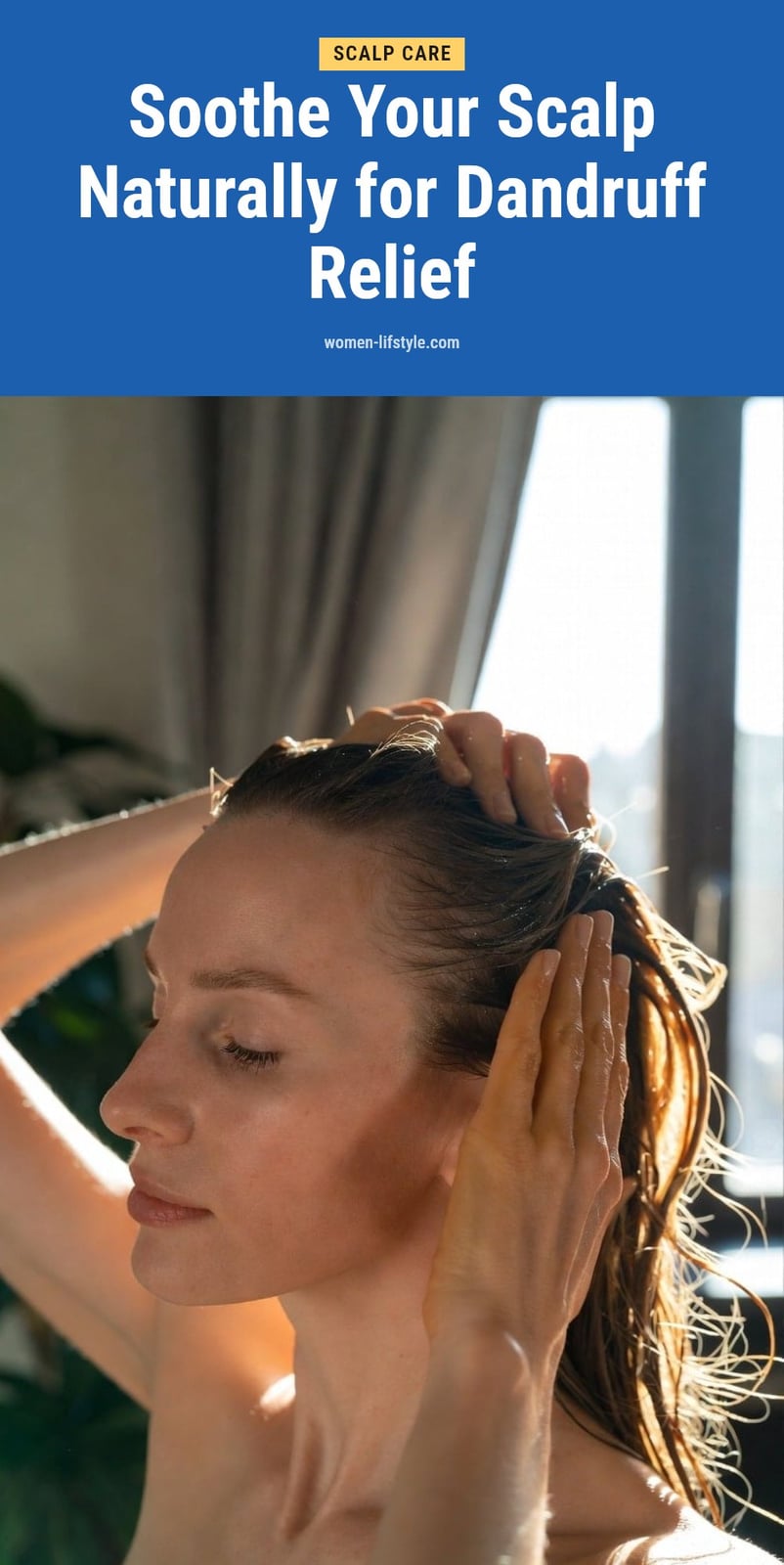
If you’re dealing with an itchy, flaky scalp, you don’t always need harsh chemicals to find relief. Natural remedies can help manage dandruff by targeting the yeast-like fungus that causes it, and they’re often gentler on your skin. This article covers the most effective natural treatments, common mistakes to avoid, and lifestyle habits that support a healthy scalp.
Key Takeaways
- Dandruff is usually caused by a yeast-like fungus, not just dry skin.
- Always dilute tea tree oil with a carrier oil before applying to your scalp.
- Consistent treatment 2-3 times a week for several weeks is key to seeing results.
- Rinse hair thoroughly after any treatment to avoid residue that worsens flakes.
- See a dermatologist if natural remedies don’t help after several weeks or if symptoms are severe.
Can You Really Stop Dandruff with Natural Remedies?
Natural remedies can absolutely help manage dandruff symptoms for many people, but they aren’t a one-time fix. The key is consistency: regular application over several weeks, paired with gentle scalp care, can make a real difference. These remedies work by targeting the root causes, like the overgrowth of a yeast-like fungus and scalp irritation, using ingredients such as tea tree oil and apple cider vinegar. While results vary, many find that a natural approach reduces flaking and itching without harsh chemicals.
Why Dandruff Happens: Understanding the Causes
Understanding the Causes
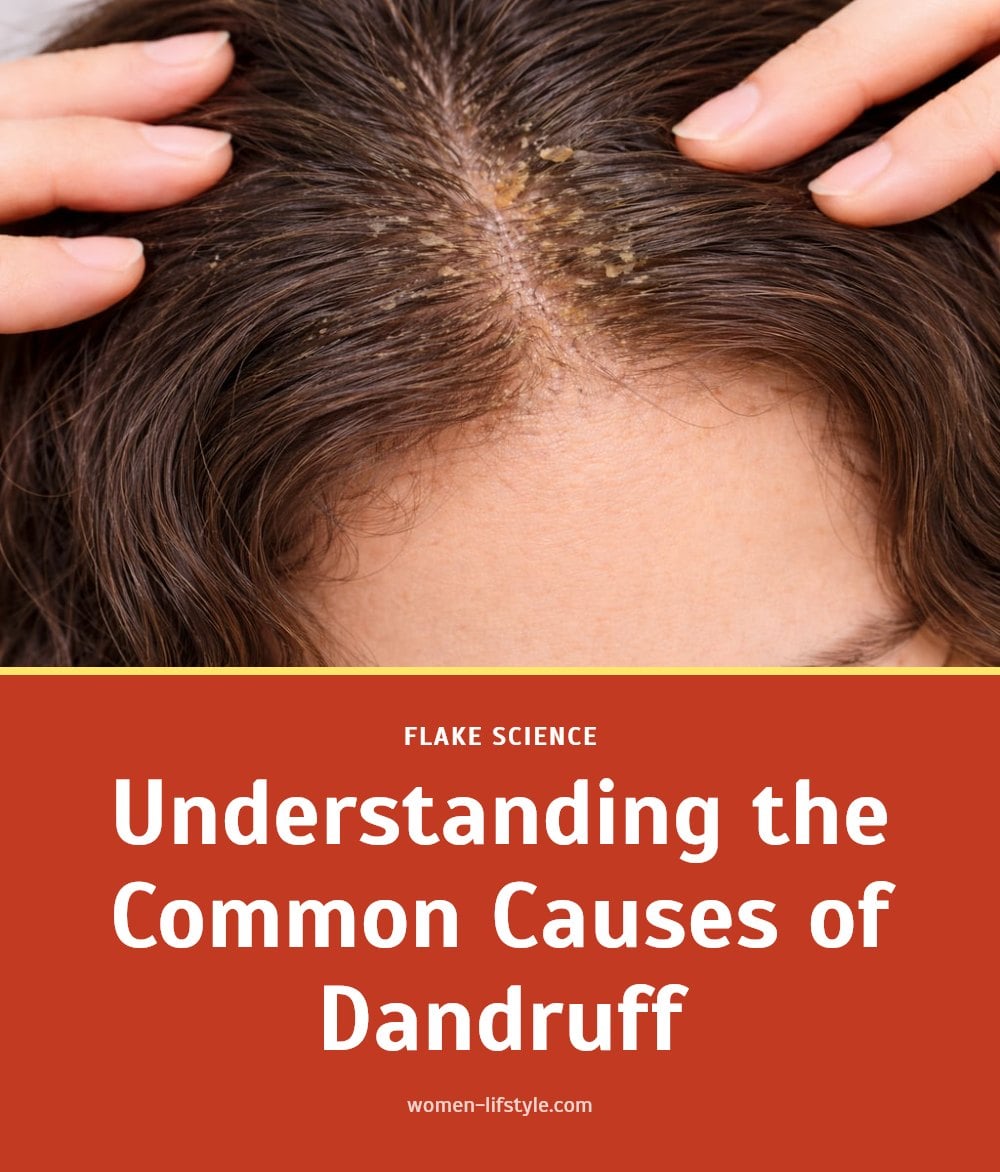
Dandruff is primarily caused by an overgrowth of Malassezia globosa, a yeast-like fungus that naturally lives on everyone’s scalp. This fungus feeds on the oils (sebum) your scalp produces, and as it multiplies, it triggers irritation and speeds up skin cell turnover. The result: those visible flakes of dead skin.
Several everyday factors can make things worse:
- Stress: It can exacerbate symptoms, making flare-ups more likely.
- Infrequent shampooing: While dandruff isn’t caused by poor hygiene, skipping washes lets oil and flakes build up, making them more noticeable.
- Certain hair products: Heavy styling gels or waxes can irritate the scalp or leave residue that worsens flaking.
Your Natural Dandruff-Fighting Toolkit
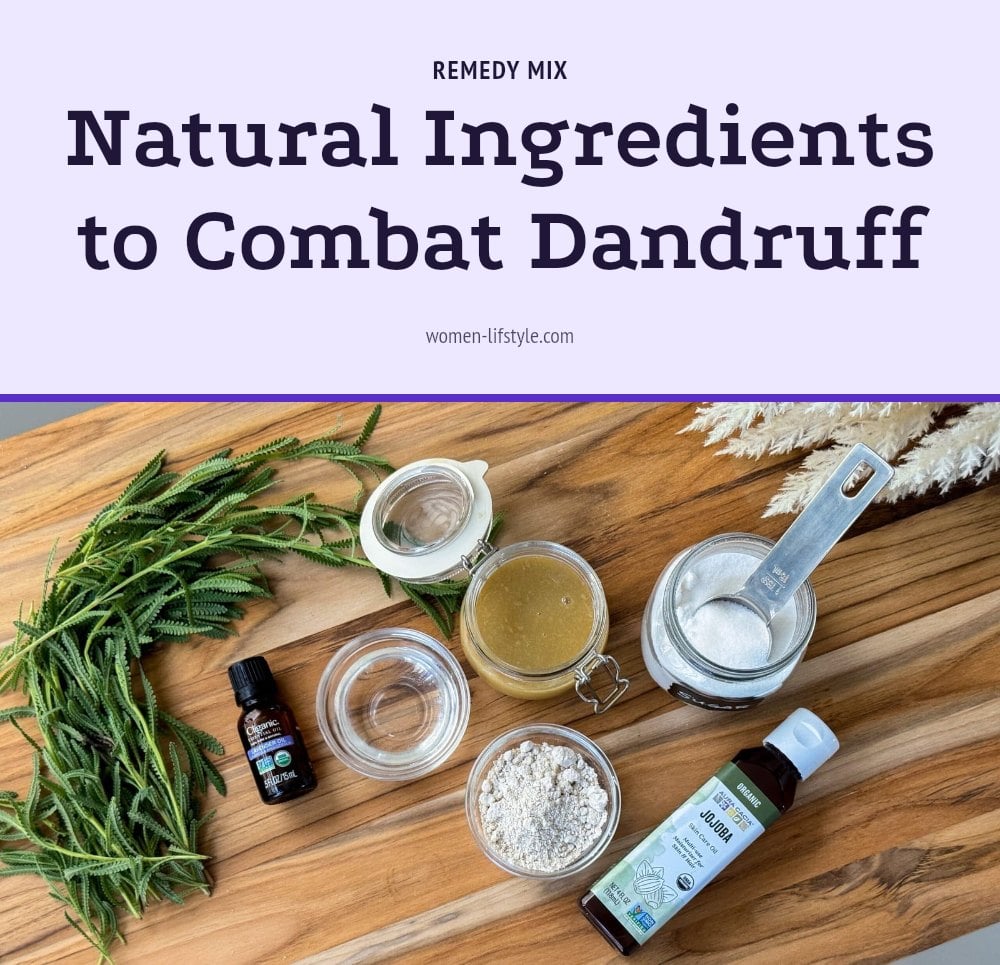
Before you start treating dandruff naturally, gather these essentials. Most are likely already in your kitchen or bathroom cabinet.
- Tea tree oil: Known for its antifungal properties, it targets the yeast behind flakes.
- Apple cider vinegar: Helps balance scalp pH and may have mild antifungal effects.
- Aloe vera gel: Soothes inflammation and calms an irritated scalp.
- Coconut oil: A moisturizing carrier oil with possible antimicrobial benefits.
- Mild, sulfate-free shampoo: Cleanses without stripping natural oils or causing irritation.
Caution: Always dilute essential oils like tea tree oil with a carrier oil (coconut, jojoba) before applying to your scalp. Undiluted use can cause burning and irritation.
Effective Natural Remedies to Banish Flakes
Tea Tree Oil Treatment
Mix 2-3 drops of tea tree oil with a tablespoon of a carrier oil like coconut or jojoba. Massage the blend into your scalp, leave it on for 15-20 minutes, then rinse thoroughly with lukewarm water. Do this 2-3 times a week. Caution: Always do a patch test on your inner arm before applying to your scalp to check for allergic reactions.
Apple Cider Vinegar Rinse
Dilute apple cider vinegar with water in a 1:3 ratio (one part vinegar to three parts water) in a spray bottle. After shampooing, spray the mixture onto your scalp, let it sit for 2-3 minutes, then rinse completely. The acidity helps rebalance scalp pH and may discourage fungal growth. Caution: Undiluted vinegar can burn, and leaving it on too long can irritate. Always rinse well.
Aloe Vera Soothing Mask
Apply pure aloe vera gel directly to your scalp, focusing on itchy or red areas. Leave it on for 20 minutes, then rinse with lukewarm water. Aloe’s anti-inflammatory properties can calm irritation and reduce flaking. Use it 2-3 times per week, or as needed if your scalp is particularly irritated.
Coconut Oil Moisture Boost
Warm a small amount of coconut oil in your hands and massage it into your scalp. Leave it on for 30 minutes to an hour (or overnight if you prefer), then shampoo gently with a mild, sulfate-free shampoo to remove excess residue. Coconut oil moisturizes a dry scalp and may help reduce microbial growth. Pro move: Combine coconut oil with tea tree oil for a double-action treatment.
Common Mistakes When Treating Dandruff Naturally
Mistake: assuming it’s just dry scalp. Dandruff is usually fungal, so piling on moisturizer alone won’t stop the flakes. You need an antifungal ingredient like tea tree oil to target the root cause.
Mistake: using undiluted essential oils. Tea tree oil is potent. Always mix 2-3 drops with a tablespoon of carrier oil (coconut or jojoba) before applying to your scalp. Undiluted oil can cause burning and irritation.
Mistake: not rinsing thoroughly. Leftover oil, vinegar, or aloe vera residue can trap flakes and worsen itchiness. Rinse with lukewarm water until your hair feels clean, not slippery.
Mistake: expecting instant results. Natural remedies need time. Stick with your routine 2-3 times per week for at least 2-4 weeks before judging.
Mistake: aggressive scratching. Scratching an itchy scalp can break skin and increase inflammation. Instead, gently massage the treatment in with your fingertips.
Keep Dandruff Away: Lifestyle Habits for a Healthy Scalp
Wash smart, not harsh. Shampoo regularly with a mild, sulfate-free formula to prevent oil buildup, but don’t wash more than once a day. Over-washing strips natural oils and can trigger more flaking.
Manage stress. Stress can worsen dandruff by affecting oil production. Try deep breathing, a short walk, or 5 minutes of stretching daily.
Eat for your scalp. A balanced diet with zinc, B vitamins, and healthy fats may support scalp health. Think nuts, leafy greens, and fatty fish.
Clean your tools weekly. Hairbrushes and combs collect oil, dead skin, and fungus. Soak them in warm soapy water for 10 minutes once a week to avoid reintroducing buildup.
Skip harsh styling products. Gels, sprays, and mousses with alcohol or heavy fragrances can irritate the scalp. Opt for water-based or fragrance-free formulas.
How Long Until You See Results and What to Expect
With consistent use 2-3 times per week, most people see fewer flakes and less itchiness within 2-4 weeks. Natural remedies don’t work overnight, so patience is key.
The cost is low. You likely already have apple cider vinegar, coconut oil, or aloe vera at home. A bottle of tea tree oil costs a few dollars and lasts for a very long time.
Results vary by person. Your scalp’s sensitivity, the severity of the overgrowth, and how consistently you apply the treatment all play a role. If one remedy doesn’t work after 4 weeks, try a different one or combine two, like tea tree oil followed by an apple cider vinegar rinse.
When to See a Doctor or Dermatologist for Dandruff
If you’ve used natural remedies consistently for several weeks with no improvement, it’s time to see a dermatologist. Also seek professional help if your dandruff is severe, persistent, or comes with significant redness, swelling, or open sores.
Hair loss or signs of infection, such as crusting or oozing, alongside dandruff require medical attention. Your condition may not be dandruff at all. It could be psoriasis, eczema, or another scalp disorder. A doctor can provide a proper diagnosis and treatment plan.
Frequently Asked Questions
Can stress cause dandruff?
Yes, stress can make dandruff worse. It affects your scalp’s oil production, which can fuel the fungus that leads to flakes. Managing stress through deep breathing, exercise, or other relaxation techniques may help reduce flare-ups.
Is dandruff a sign of poor hygiene?
No, dandruff is not caused by poor hygiene. However, infrequent shampooing can make flakes more noticeable because oil and dead skin cells build up. Washing regularly with a mild shampoo can help keep flakes under control.
How often should I use natural dandruff treatments?
Most natural remedies work best when applied 2-3 times per week. Consistency is more important than frequency. Overusing treatments, especially essential oils, can irritate your scalp, so stick to that schedule and see how your skin responds.
Can diet affect dandruff?
Some people find that a diet rich in zinc, B vitamins, and healthy fats supports scalp health and may help with dandruff. While diet alone won’t cure it, eating well can complement your topical treatments.
What is the best shampoo to use with natural remedies?
A mild, sulfate-free shampoo is your best bet. Harsh shampoos can strip natural oils and irritate your scalp, making dandruff worse. Look for one that’s gentle enough for daily use, and avoid heavy styling products that can build up.
Final Thoughts
For most people, a simple routine of weekly tea tree oil treatments and a mild shampoo is enough to keep flakes under control. Stick with it for at least a month before deciding if it’s working. If your scalp is still red, sore, or flaking heavily after that, skip the DIY route and book an appointment with a dermatologist.
This article is for general informational purposes only and does not constitute medical or professional advice. Dandruff can have various underlying causes, and what works for one person may not work for another. If you have a persistent or severe scalp condition, please consult a dermatologist or healthcare professional.
