

Have you ever felt like your energy and mood change week to week, almost on a predictable schedule? That’s your body signaling its hormonal rhythm, and cycle syncing is a way to work with it. This article explains how to adjust your workouts and diet to match your menstrual cycle phases, helping you feel more balanced and energized throughout the month.

Key Takeaways
- Track your cycle daily to learn your unique phase lengths and symptoms.
- Schedule high-intensity workouts like HIIT during your follicular and ovulatory phases.
- Focus on restorative activities like yoga or walking during menstrual and luteal phases.
- Eat iron-rich foods during menstruation and complex carbs during the luteal phase.
- Listen to your body and adjust your plans even within a phase.
What is Cycle Syncing and How Does it Work?
Cycle syncing is the practice of adjusting your diet, exercise, and daily lifestyle to match the four phases of your menstrual cycle. The goal is to optimize your energy, mood, and physical performance by working with your hormonal fluctuations instead of against them. By tailoring activities to support your body’s natural rhythms, you can reduce symptoms like fatigue and cramps while getting more out of your workouts and meals.
Essential Tools for Successful Cycle Syncing
To start cycle syncing, you only need a few basic tools to track and plan effectively.
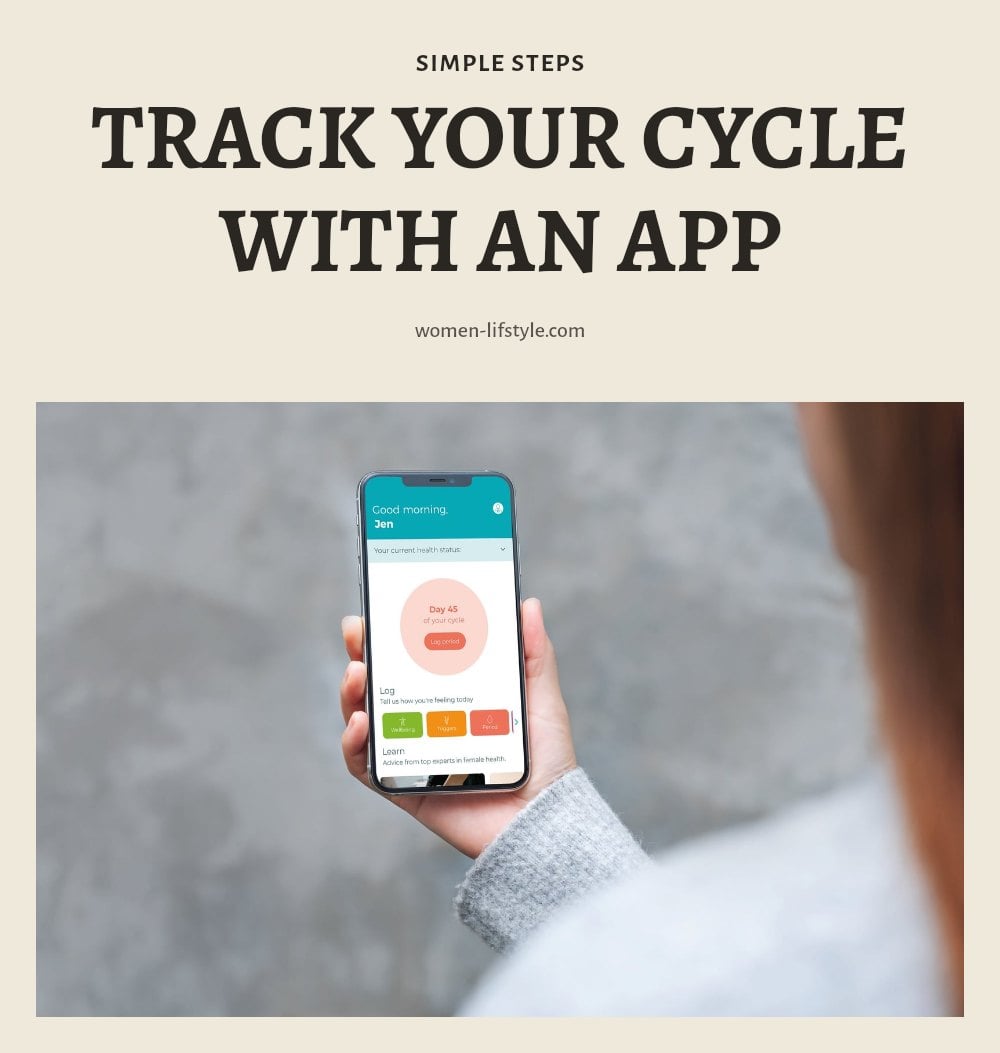
- Tracking app or journal: Use a reliable app or a simple notebook to log your cycle start dates, phase lengths, and daily symptoms.
- Calendar: A wall or digital calendar helps you schedule workouts and meal prep around your predicted phases.
- Nutrient-dense foods: Stock up on fruits, vegetables, whole grains, lean proteins, and healthy fats for phase-specific eating.
- Water bottle: Staying hydrated supports every bodily function, especially during hormonal shifts.
- Workout gear: Have options for both high-intensity sessions (like running shoes) and restorative movement (like a yoga mat).
Your Step-by-Step Guide to Cycle Syncing
Follow these steps to implement cycle syncing in your routine.
- Track your cycle: Log the first day of your period and note symptoms daily for at least one full cycle. This reveals your unique phase lengths and how your body responds.
- Align high-intensity workouts: Schedule strength training, HIIT, or running during your follicular and ovulatory phases, when rising estrogen boosts energy and recovery. Many women feel strongest here.
- Prioritize restorative or moderate activities: During your menstrual phase, choose yoga, walking, or stretching. For the luteal phase, opt for moderate exercise like brisk walking, light jogging, or Pilates, as progesterone may raise body temperature and reduce stamina. Adjust intensity based on how you feel.
- Adjust your diet: Eat iron-rich foods like spinach or lean red meat during menstruation. In the luteal phase, focus on complex carbs and healthy fats to manage cravings and energy dips.
- Listen to your body: Even within a phase, your energy may vary. If you feel drained, swap a planned run for a walk. Adapting keeps you consistent without burnout.
Workout and Diet Recommendations for Each Cycle Phase

The table below maps out exercise and food choices for each phase. Keep in mind that the menstrual phase overlaps with the early follicular phase, so you can shift gradually as your energy returns. These are general guidelines; your own experience may vary cycle to cycle.
| Phase | Workout Focus | Diet Focus |
|---|---|---|
| Menstrual (days 1-5) | Gentle movement: yoga, walking, stretching, light pilates | Iron-rich foods: spinach, lentils, lean red meat; vitamin C to aid iron absorption |
| Follicular (days 6-14, after menstruation) | Strength training, moderate cardio, building intensity | Estrogen-supporting foods: cruciferous vegetables (broccoli, kale), fiber-rich fruits, healthy fats |
| Ovulatory (around day 14) | HIIT, high-intensity cardio, peak performance workouts | Diverse nutrients: colorful vegetables, lean proteins, whole grains; stay well-hydrated |
| Luteal (days 15-28) | Moderate exercise: brisk walks, steady-state cardio, lighter strength work | Complex carbs (sweet potatoes, oats, quinoa), healthy fats (avocado, nuts), magnesium-rich foods |
Tip: During the luteal phase, complex carbohydrates and healthy fats can help manage cravings and stabilize energy. Pair them with lean protein at meals to keep blood sugar even.
Common Cycle Syncing Mistakes to Avoid
One of the biggest mistakes is assuming your cycle is the same as everyone else’s and following generic advice without tracking your own. Cycle syncing is not a quick fix for all hormonal imbalances; it works best as part of a broader health approach. Avoid over-restricting your diet or over-exercising based on rigid phase rules, which can lead to burnout or nutrient deficiencies. Accurate tracking is essential, so log your period start and daily symptoms to identify your unique phase lengths. Finally, don’t ignore how you feel in favor of strict phase rules; your body’s signals are more reliable than a calendar.
Pro Tips for Optimizing Your Cycle Syncing Journey
Listen to Your Body: Adjust your activities based on how you feel, even within a phase. If you’re tired during your follicular phase, swap a HIIT workout for a walk.
Stay Hydrated: Drink water consistently throughout your cycle. Hydration supports energy, mood, and digestion.
Be Patient: It takes several cycles to understand your patterns and notice improvements. Don’t expect changes overnight.
Consult a Professional: If you have significant health concerns or are managing a hormonal condition, talk to your doctor before making major changes.
When to Consult a Healthcare Professional
You should consult a healthcare professional if you experience significant changes in your menstrual cycle, such as skipped periods or severe pain that doesn’t improve. Persistent or worsening symptoms like heavy bleeding, unusual spotting, or extreme fatigue also warrant a checkup. If you are pregnant or breastfeeding, talk to your doctor before altering your diet or exercise routine. Those with pre-existing medical conditions, especially hormonal disorders like PCOS or thyroid issues, should seek guidance before starting cycle syncing. Finally, if you have concerns about extreme dietary restrictions or disordered eating, professional support is essential.
Timeline and Investment for Cycle Syncing
Cycle syncing is an ongoing practice that aligns with each of your menstrual cycles, which typically last 21 to 35 days. You may notice improvements in well-being after several cycles, as you learn your individual patterns. The main investment is time: a few minutes each day to track symptoms and plan activities. There’s no need for expensive tools or supplements. Beyond the cost of nutritious food and basic workout gear, the financial outlay is minimal. Think of it as a lifestyle shift, not a product to buy.
Frequently Asked Questions
Can cycle syncing help with PMS symptoms?
Many women find that adjusting their diet and activity levels can help manage PMS symptoms like fatigue, cravings, and mood swings. For example, eating complex carbohydrates during the luteal phase may stabilize blood sugar and reduce cravings. However, if symptoms are severe, consult a healthcare professional for personalized advice.
How long does it take to see results from cycle syncing?
Most women notice improvements in well-being after tracking for several cycles, typically 2 to 3 months. The key is consistency: logging your cycle daily and adjusting your routine based on what you learn. Results vary, so be patient and focus on how you feel rather than expecting immediate changes.
Is cycle syncing only for women with regular cycles?
No, cycle syncing can be adapted for irregular cycles too. The practice relies on tracking your own unique patterns, so even if your cycle varies, you can still identify phases by noting symptoms like energy levels and cervical mucus. If your cycle is very unpredictable, consider consulting a healthcare provider to rule out underlying issues.
What if my cycle is shorter or longer than 28 days?
That’s completely normal. Cycles typically range from 21 to 35 days. The four phases still apply, but their lengths will differ for you. Tracking your own cycle helps you pinpoint when each phase starts and ends, allowing you to sync your workouts and diet accordingly. Don’t force a 28-day schedule onto your body.
Final Thoughts
To get started, pick a tracking method you’ll stick with, whether an app or a simple journal, and commit to logging for one full cycle. Expect to see subtle improvements in energy and mood after a few cycles, not overnight. Remember, cycle syncing is a flexible tool to support your well-being, not a strict rulebook.
This article is for general informational purposes only and does not constitute medical advice. Cycle syncing is not a substitute for professional medical care. If you have concerns about your menstrual health, hormonal imbalances, or any persistent symptoms, please consult a doctor, gynecologist, or other qualified healthcare provider.
