

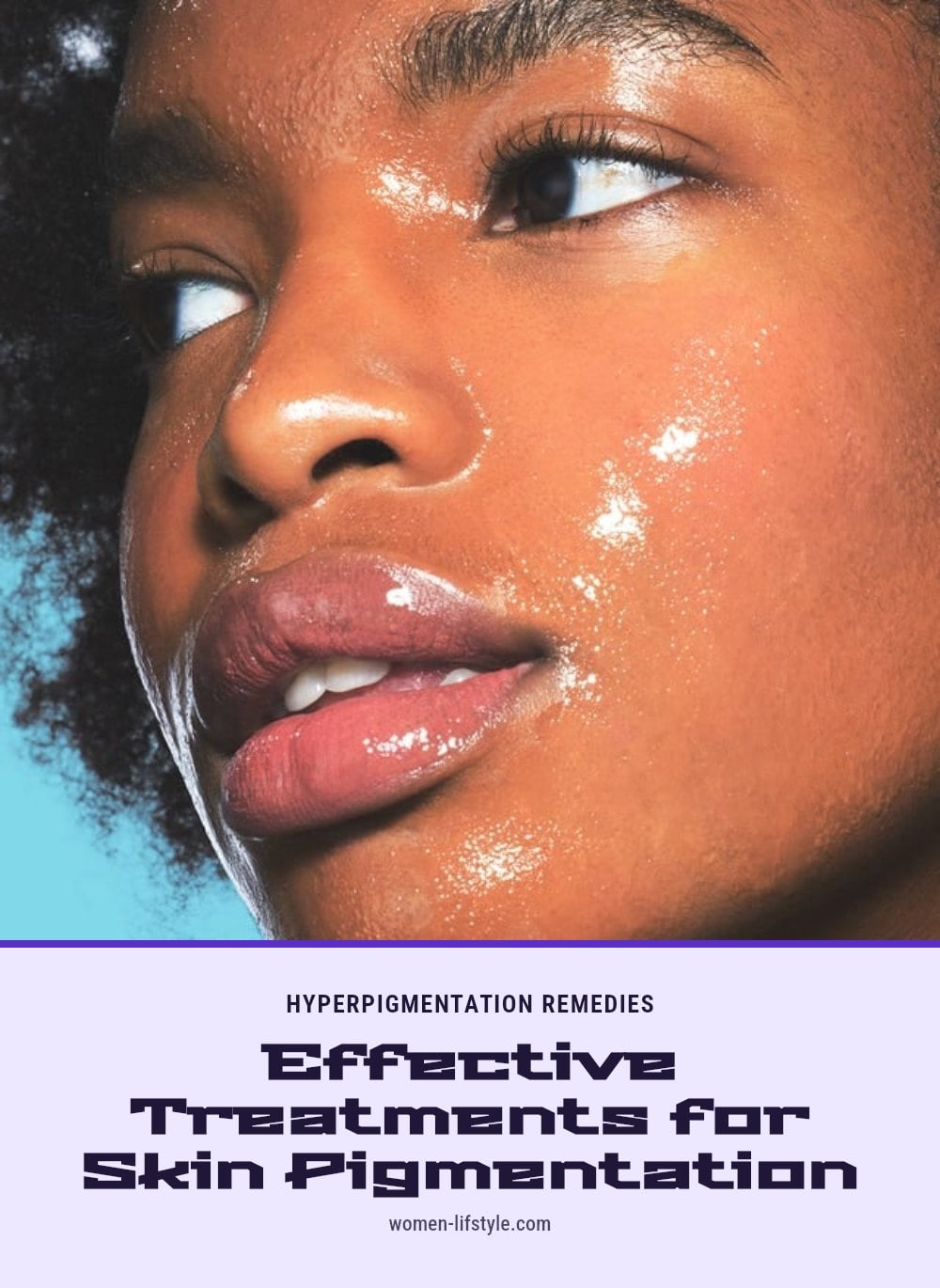
If you’ve been dealing with dark spots, sunspots, or uneven skin tone, you know how frustrating it can be to find something that actually works. The good news is that with the right approach, you can fade existing hyperpigmentation and prevent new spots from forming. This article covers the most effective remedies, from daily sunscreen to professional treatments, so you can choose what fits your skin and lifestyle.
Key Takeaways
- Daily broad-spectrum sunscreen with SPF 30 or higher is the most critical step for managing hyperpigmentation.
- Topical ingredients like vitamin C, niacinamide, alpha arbutin, and kojic acid can help lighten dark spots over 4-12 weeks.
- Gentle chemical exfoliants (AHAs/BHAs) and retinoids speed up cell turnover to fade pigmented cells.
- For severe or persistent cases, consult a dermatologist for prescription options or professional treatments.
- Be patient: results take time, and stopping treatment can lead to recurrence.
What You Need to Know About Hyperpigmentation
Hyperpigmentation is the darkening of skin areas caused by excess melanin production. It often shows up as sunspots, melasma, or post-inflammatory marks from acne or injury. Effective remedies combine consistent sun protection with targeted topical ingredients like vitamin C and niacinamide. For stubborn cases, professional treatments such as chemical peels or laser therapy can help. Patience and consistency are key, as results typically take weeks to months to become visible.
1. Daily Broad-Spectrum Sunscreen
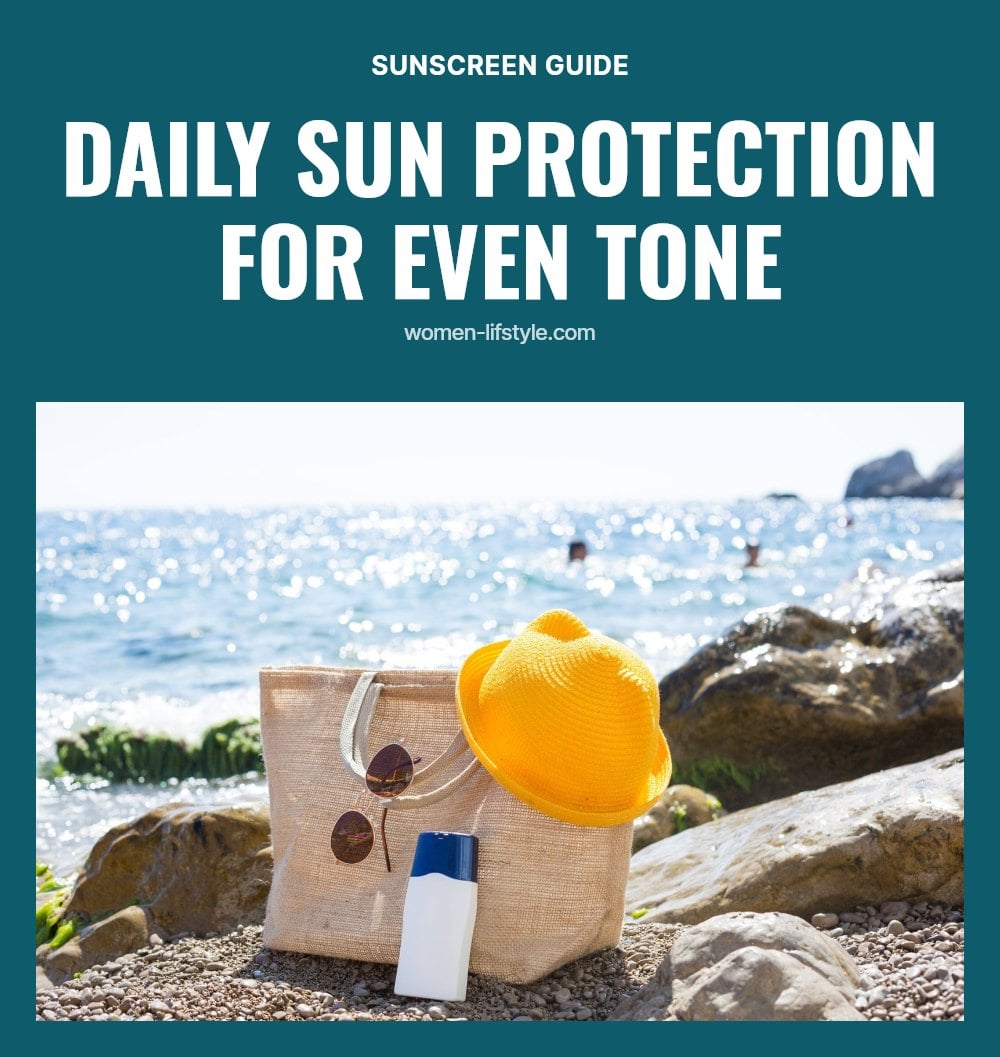
Consistent daily use of broad-spectrum sunscreen with an SPF of 30 or higher is the single most critical step for managing hyperpigmentation. Sun exposure is a primary trigger for new spots and can darken existing ones, so sunscreen prevents both. Reapply every two hours when outdoors, or after sweating or swimming. Don’t skip it on cloudy days or indoors near windows, because UVA rays penetrate glass.
- Apply sunscreen as the last step of your morning routine, over serums and moisturizer.
- Use a generous amount, about a nickel-sized dollop for your face alone.
- Choose a formula labeled “broad-spectrum” to protect against both UVA and UVB rays.
2. Vitamin C Serums
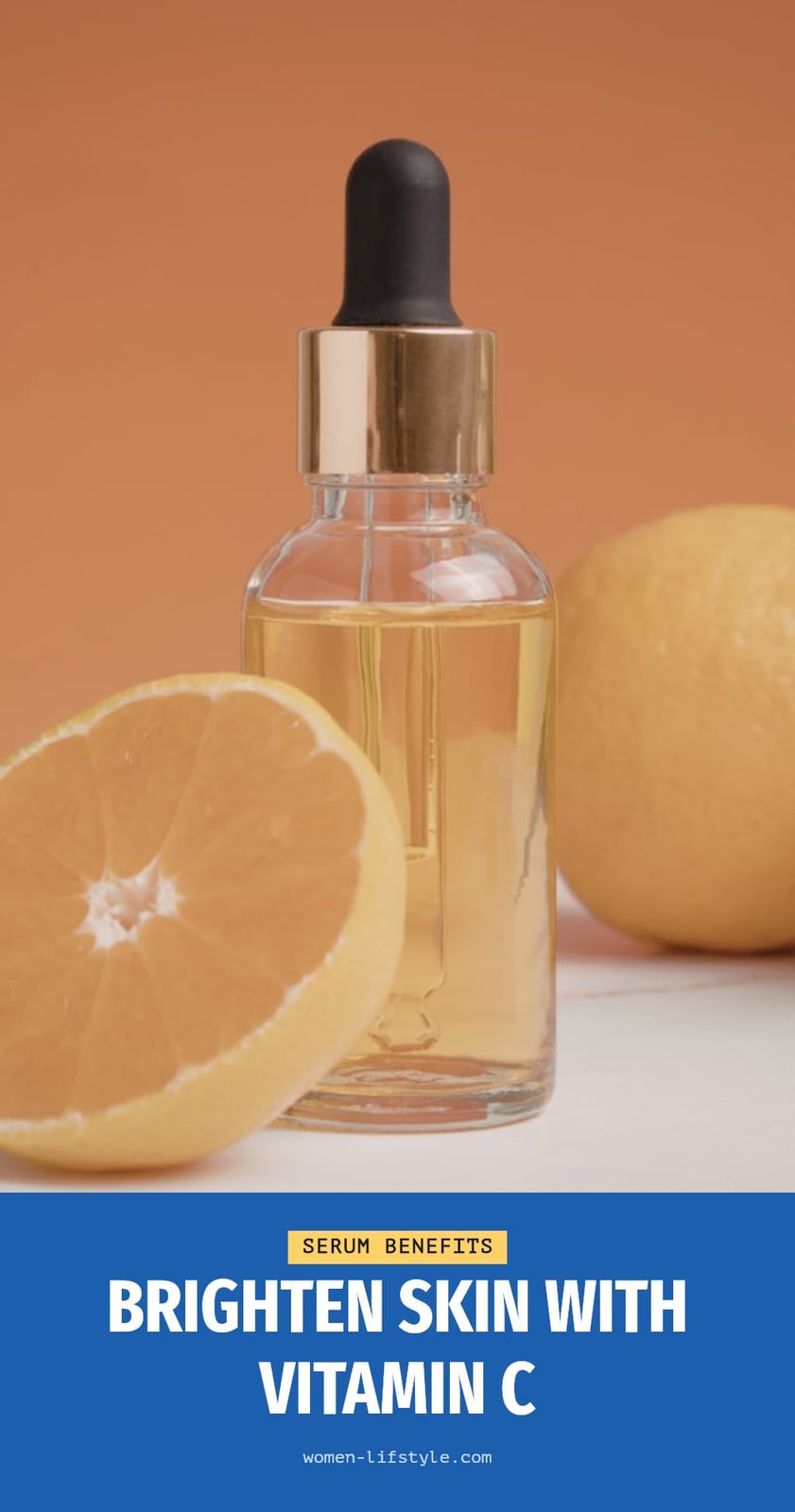
Vitamin C is a powerful antioxidant that inhibits melanin production and brightens skin over time. Look for L-ascorbic acid in concentrations of 10-20% for best results. Caution: Start with a lower concentration, such as 10%, to test your skin’s tolerance, then gradually increase to higher strengths if no irritation occurs. My tip: Apply a vitamin C serum in the morning after cleansing and before sunscreen to maximize its protective benefits against free radicals and UV damage. Store the bottle in a cool, dark place to keep it stable.
3. Niacinamide (Vitamin B3)
Niacinamide helps reduce the transfer of melanin to skin cells, effectively lightening dark spots. It also offers anti-inflammatory benefits, which is especially helpful for post-inflammatory hyperpigmentation (PIH) from acne. It’s generally well-tolerated and can be used twice daily, morning and night, without causing irritation for most skin types.
4. Alpha Arbutin and Kojic Acid
Alpha arbutin and kojic acid both work by blocking tyrosinase, the enzyme that triggers melanin production. Alpha arbutin is a gentler alternative to hydroquinone, so it suits most skin types without the same risks. Kojic acid, derived from mushrooms, also offers antioxidant protection. You will find them in serums or creams, and they layer well with other actives like vitamin C or niacinamide.
5. Gentle Chemical Exfoliants (AHAs/BHAs)
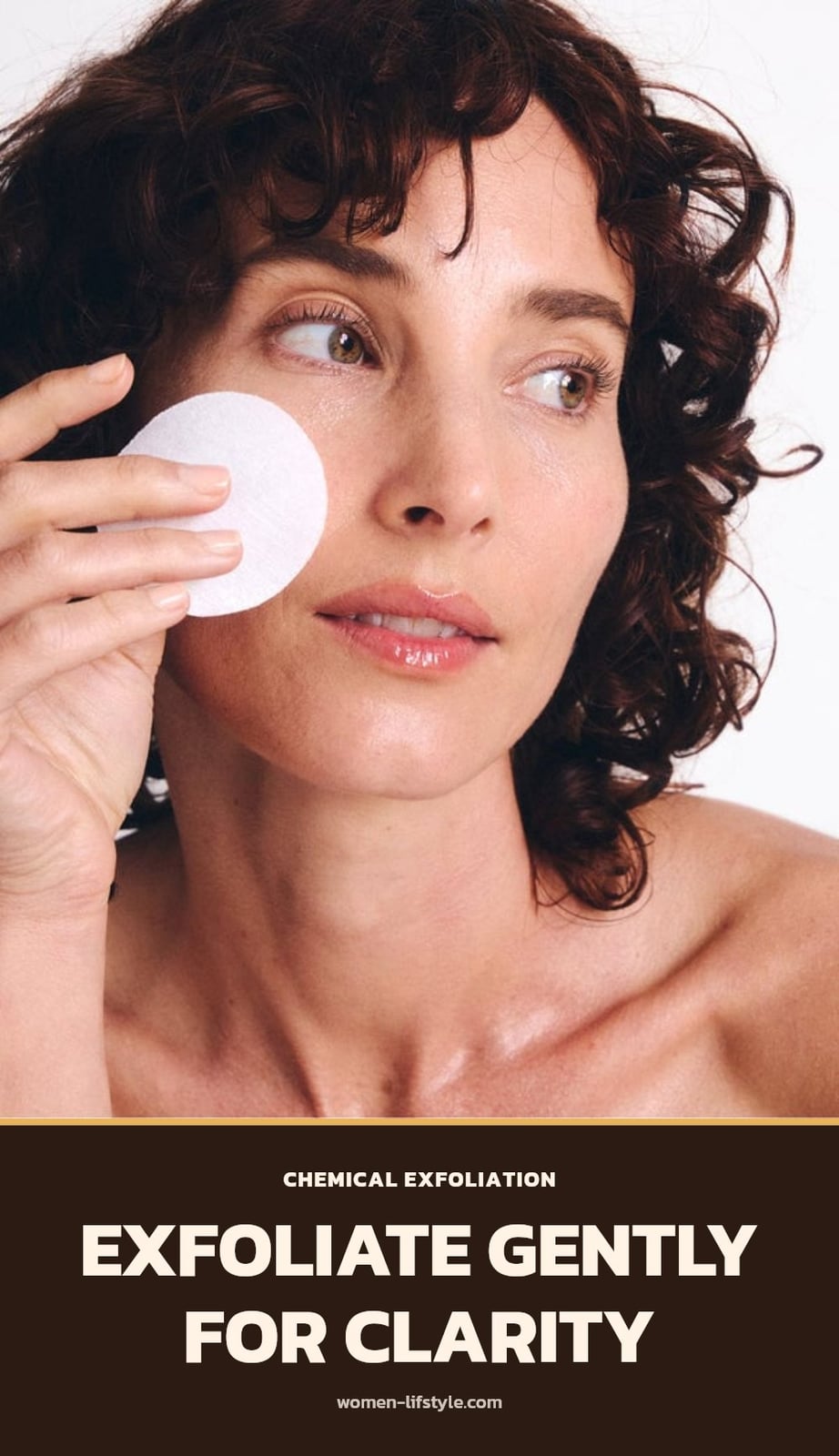
AHAs like glycolic and lactic acid, plus BHAs like salicylic acid, speed up cell turnover by loosening the bonds between dead skin cells. This sheds pigmented cells from the surface, fading dark spots over time. Caution: Start with a low concentration (5-10% for AHAs) and use only 2-3 times a week. Do not exceed this frequency, as over-exfoliating can irritate skin and worsen pigmentation. Listen to your skin: if you notice redness or stinging, reduce use. Always apply broad-spectrum sunscreen the next day, because exfoliants increase sun sensitivity.
6. Retinoids (Retinol)
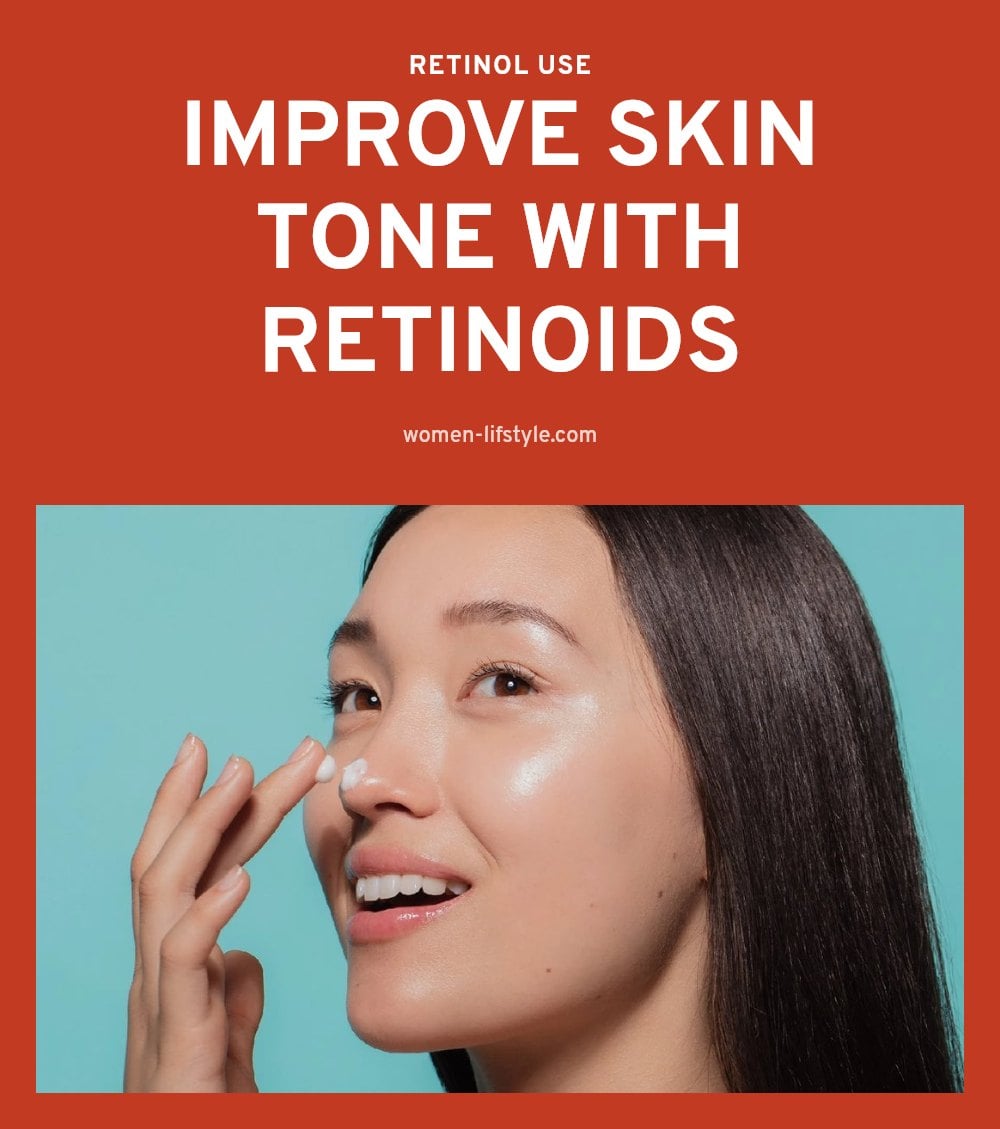
Retinoids, including over-the-counter retinol, accelerate skin cell turnover, which pushes newer, unpigmented cells to the surface faster. Over time, they also help normalize melanin production, so dark spots may fade more evenly. My tip: Introduce retinoids slowly, starting with 1-2 evenings per week. This gradual approach helps your skin adjust and limits the irritation and sun sensitivity these ingredients can trigger. Always apply broad-spectrum sunscreen the next morning, and if you use exfoliating acids on other nights, consider alternating them with retinol or cutting back to avoid over-stressing your skin.
7. Hydroquinone (Prescription Only)
Hydroquinone is a potent prescription agent that reduces the number of melanin-producing cells and blocks tyrosinase activity. For severe hyperpigmentation, it is often the most effective option. Caution: Use only under a dermatologist’s supervision. Prolonged or improper use can cause ochronosis, a bluish-black discoloration of the skin. Always consult a doctor before starting hydroquinone, especially if you are pregnant or breastfeeding.
8. Chemical Peels

Professional chemical peels deliver higher concentrations of acids than at-home products, which means they exfoliate more aggressively. This removes pigmented cells from the top layers and triggers the growth of fresh, evenly toned skin. The result can be dramatic for sunspots, melasma, or post-inflammatory marks.
- Multiple sessions: You typically need 3-6 treatments spaced 2-4 weeks apart for full results.
- Downtime: Expect 3-7 days of peeling and redness, so plan around events.
- Professional only: A dermatologist or licensed esthetician should perform the peel to avoid burns or scarring.
9. Laser and Light Therapy
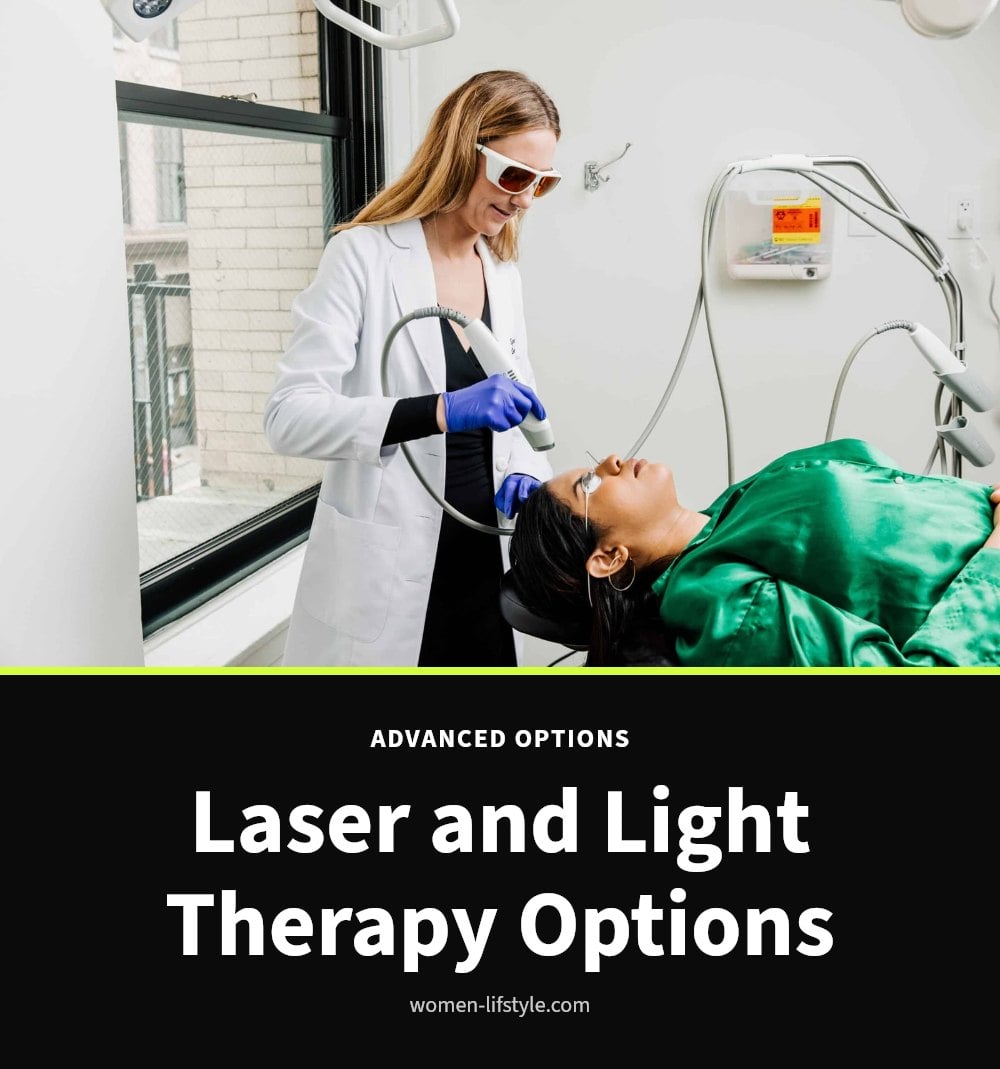
Laser and intense pulsed light (IPL) treatments use focused energy to target melanin directly in the skin. The pigment absorbs the light and breaks into tiny particles that your lymphatic system naturally clears away. This makes them highly effective for sunspots and some forms of melasma.
- Sunspots respond best: Lasers like Q-switched Nd:YAG and IPL are top choices for age spots.
- Caution: These treatments require 3-5 sessions, can be costly, and must be performed by a qualified professional to avoid burns, scarring, or pigment changes.
10. Microdermabrasion
Microdermabrasion is a minimally invasive procedure that uses a fine abrasive tip or aluminum oxide crystals to gently sand away the outermost layer of dead, pigmented skin. It’s a mechanical exfoliation that improves both texture and tone without chemicals or heat.
- Best for mild cases: It excels at fading superficial sunspots and faint PIH, but won’t reach deeper pigment.
- Combine with other treatments: Many people pair it with topical serums or light peels for enhanced results over 4-6 sessions.
11. Preventing Future Pigmentation
Beyond daily sunscreen, physical barriers are your best friends. A wide-brimmed hat shades your face and neck, while long sleeves and seeking shade during peak sun hours (10 a.m. to 4 p.m.) cut exposure significantly.
- Don’t pick: Squeezing pimples or scratching scabs triggers inflammation that leads to post-inflammatory hyperpigmentation (PIH). Let lesions heal on their own.
- Stay consistent: The same routine that fades spots also prevents new ones. Keep using your sunscreen, vitamin C, and exfoliants even after your skin clears.
When to See a Professional
If your hyperpigmentation is severe, widespread, or doesn’t respond to over-the-counter products after a few months, a dermatologist can diagnose the exact type, especially for melasma, and offer prescription treatments like higher-strength retinoids or hydroquinone. Stop using any product immediately if your skin becomes excessively red, itchy, or painful, and consult a healthcare professional to rule out an allergic reaction or irritation. Pregnant or breastfeeding individuals should always check with a doctor before using active ingredients such as retinoids or hydroquinone, as some can affect fetal development or pass into breast milk.
Frequently Asked Questions
How long does it take to get rid of hyperpigmentation?
With consistent use of topical treatments like vitamin C or niacinamide, you can typically start seeing improvement in 4-12 weeks. Full results may take several months. Professional treatments can work faster but often require multiple sessions.
Can hyperpigmentation go away naturally?
Some mild spots may fade on their own over time, especially if you avoid sun exposure and let your skin’s natural cell turnover process work. However, many types of hyperpigmentation, like sunspots or melasma, persist without active treatment and can darken again with sun exposure.
What is the best treatment for melasma?
Melasma often requires a combination of daily sunscreen, sun avoidance, and prescription-strength ingredients like hydroquinone or tretinoin under a dermatologist’s supervision. Professional treatments like chemical peels or laser therapy may also help, but melasma can be stubborn and may need ongoing management.
Can I use multiple active ingredients for hyperpigmentation?
Yes, but introduce them slowly to avoid irritation. For example, you might use a vitamin C serum in the morning and a retinoid at night, along with a gentle exfoliant a few times a week. Always patch test new products and never combine too many actives at once without professional guidance.
What causes dark spots on my face?
Dark spots are typically caused by an overproduction of melanin triggered by sun exposure, hormonal changes (like melasma during pregnancy), or skin injury (post-inflammatory hyperpigmentation from acne or cuts). Genetics and certain medications can also play a role.
Final Thoughts
For most people, a consistent routine built around daily sunscreen and one or two targeted ingredients like vitamin C or niacinamide will make a noticeable difference in a few months. If you have melasma or stubborn spots, seeing a dermatologist for a prescription or in-office procedure may be the fastest route. Stick with it, and give your skin time to renew itself.
This article provides general information about hyperpigmentation and common remedies. It is not a substitute for professional medical advice, diagnosis, or treatment. If you have a persistent or serious skin concern, please consult a dermatologist or healthcare provider.
