

You’ve probably heard that writing down what you’re thankful for can boost your mood, but figuring out how to actually start a gratitude journal that sticks is the real challenge. In this article, I’ll walk you through what a gratitude journal is, why it works, and the simple steps to make it a lasting habit that fits your life.

Key Takeaways
- Write down 1-3 specific things you’re grateful for each day or a few times a week.
- Use any format that removes friction: a notebook, an app, or loose paper.
- Include small everyday joys, not just major life events.
- Re-read past entries after a few weeks to reinforce positive memories.
- Expect benefits to appear over weeks or months of consistent practice.
What is a Gratitude Journal and How Does It Work?
A gratitude journal is a personal record of the things you are thankful for, written down regularly rather than just thought about. The act of naming them on paper or in an app shifts your attention toward what is going right, and many people find that this simple habit increases their overall life satisfaction. Over time, the practice trains your brain to notice more good things without being prompted, so the positives stop slipping past unnoticed.
Why Keeping a Gratitude Journal Makes a Difference

Writing down what you appreciate is not just a nice ritual. Consciously identifying the positive parts of your life is linked with better emotional well-being and greater happiness, and research suggests gratitude practice can lead to lower levels of stress and depression.
What is actually happening
- Attention shifts: you deliberately focus on positive experiences instead of dwelling on the negative ones, which tend to stick more easily.
- Memory gets primed: regular entries build a record you can return to when a day feels flat.
- Optimism grows: consistent practice can enhance feelings of optimism and boost self-esteem over time.
None of this happens after one entry. The effect builds with repetition, which is why frequency matters more than length.
Essential Tools for Starting Your Gratitude Journal
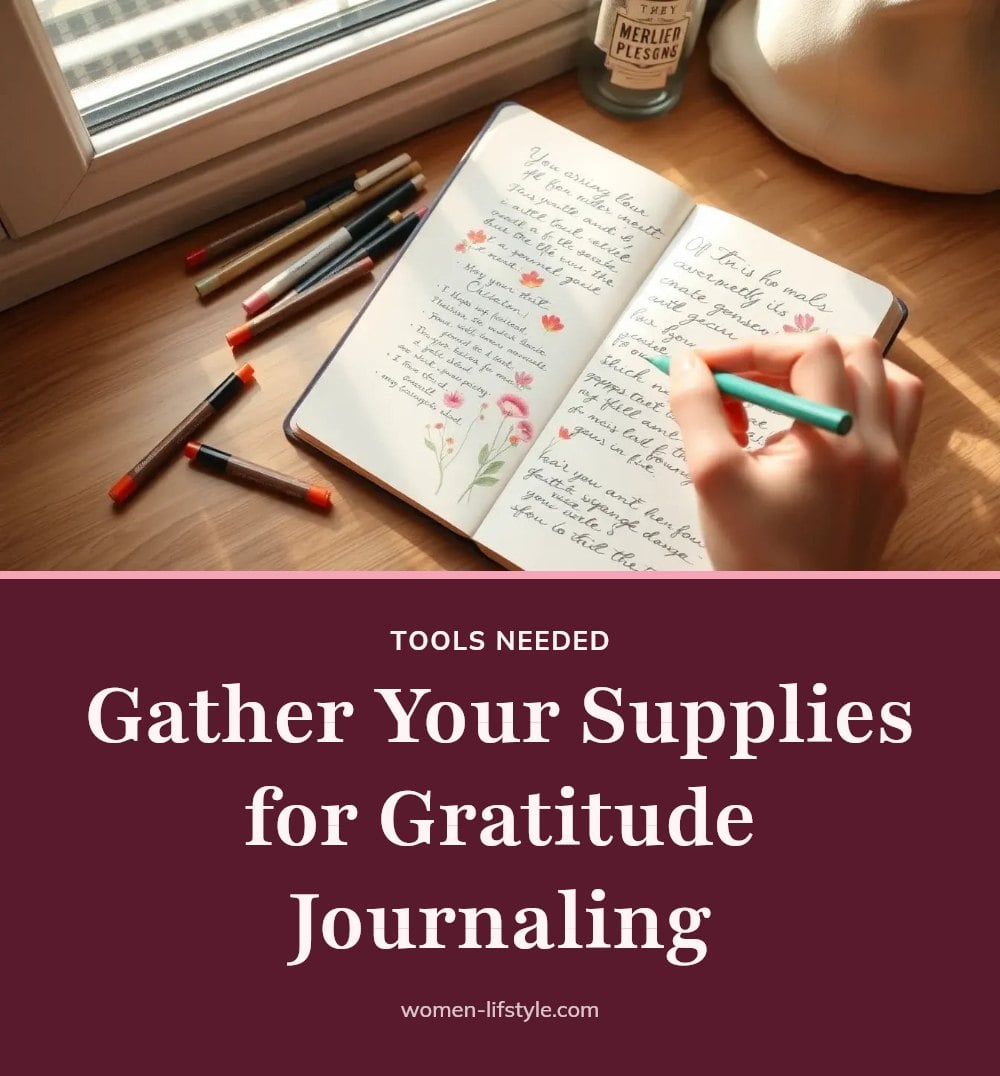
There is no single right setup, so pick whatever removes friction between you and the page.
- Notebook or journal: a physical book gives you a tangible record and works without a screen or battery.
- Pen or pencil: a reliable one matters more than you would think, since a scratchy pen makes writing feel like a chore.
- Digital app: convenient for on-the-go entries and for searching old notes later.
- Loose-leaf paper or a computer: both work fine if that is what you already have on hand.
Your Step-by-Step Guide to Starting a Gratitude Journal

The whole routine takes a few minutes once you set it up. Here is the order I would follow.
- Pick your format: choose physical or digital based on where you will actually write. If you spend the day at a desk, a computer document works. If you want it by the bed, use a notebook.
- Anchor it to a time: decide whether you will write daily or a few times a week, and attach it to something you already do, like morning coffee or getting into bed. A fixed slot beats good intentions.
- List 1-3 items: start with things you are grateful for, big or small. A good conversation and a functioning washing machine both count.
- Add the why: for each item, note briefly why it matters to you. The reason is what turns a list into a reflective practice.
- Re-read old entries: flip back through past pages every so often to reinforce the positive feelings and see patterns you missed.
Tip: keep the first entries short. Three specific lines you actually mean beat a full page you rush through.
Ideas for What to Write in Your Gratitude Journal
When the page feels blank, a prompt can get you moving. The goal is to notice the small stuff, not just birthdays or promotions.
- Daily moments: Write about a warm cup of coffee, a sunny commute, or a kind word from a stranger. These tiny details often matter most.
- People: Name someone who made your day easier or brighter. Add why they stood out, like a coworker who covered for you or a friend who texted just in time.
- Sensations: Describe a simple physical pleasure: the feel of clean sheets, the smell of rain, the taste of your favorite snack. Senses anchor you in the present.
- Experiences: Recall an activity you enjoyed, even a short one, like a walk in the park or a funny show. The memory can lift your mood later.
- Feelings: Pick an emotion you felt recently, such as calm, joy, or contentment, and trace what sparked it. This helps you connect the dots between events and your inner state.
My tip: rotate through these categories so your entries stay varied, and don’t worry if some overlap. The point is to capture what feels real to you.
Common Gratitude Journaling Mistakes to Avoid
The biggest trap is turning your journal into another chore. If you catch yourself rushing through entries just to check a box, pause and remind yourself this is reflection time, not a productivity task.
Stick to the highlights of your day, not just the big milestones. A warm cup of coffee, a kind text from a friend, or a sunny commute all count. Overlooking these small moments is what makes the practice feel hollow.
Expecting a mood overhaul after three entries sets you up for disappointment. Benefits build over weeks or months of consistent writing, so give it time.
Missed a day or a week? Skip the guilt and simply start again today. The journal doesn’t care about gaps.
Write about what genuinely moves you, not what you think you should appreciate. And never compare your list to anyone else’s. This is your private record, not a competition.
Best Tips for a Sustainable Gratitude Practice

Keeping your journal within arm’s reach makes it far more likely you will actually use it. I keep mine on my nightstand, and a friend leaves hers on the kitchen counter. The less effort it takes to start, the easier the habit sticks.
Re-reading old entries is one of the most rewarding parts of the practice. When you flip back a few weeks, you get a concrete reminder of the good moments you might have forgotten. It reinforces the positive feelings long after you first wrote them down.
Do not pressure yourself to write a page of prose. A few sentences are plenty, and some days a single line is enough. Grammar and spelling do not matter here, this record is for your eyes only, so let it be messy and honest.
My tip: if you sit down and feel nothing but heaviness, do not force gratitude. Acknowledge the hard emotion first, write it down if you need to, and then see if one small positive surfaces. Often it does, but only after you give the negative room to exist.
How Long to See Results and What It Costs
Benefits from a gratitude journal typically show up over weeks or months of consistent practice, not after a few entries. Most people write daily or a few times a week, and that frequency is enough to build the habit without feeling like a burden.
The cost can be zero. A loose sheet of paper, a notes app, or a plain notebook you already own works fine. If you want something more polished, physical journals and dedicated apps range from a few dollars to moderate pricing, but the extra expense does not improve results.
When to Seek Professional Support
Gratitude journaling is a supportive habit, but it is not a replacement for professional mental health care. If you are dealing with severe depression, anxiety, or persistent feelings of hopelessness, please reach out to a healthcare provider. A journal can work alongside therapy or counseling as a complementary tool, yet it is not a primary treatment for clinical conditions. Your well-being matters more than any practice, so seeking expert guidance when you need it is always the right step.
Frequently Asked Questions
How long should I write in my gratitude journal each day?
Aim for 5 to 10 minutes per session. That’s enough time to jot down a few specific things you’re grateful for and reflect on why they matter. Writing longer isn’t necessary, and short entries are just as effective for building the habit.
Can I keep a digital gratitude journal?
Yes, absolutely. A digital journal works just as well as a physical one, and many people prefer it because it’s always on their phone or computer. The key is to choose a format you’ll actually use consistently, whether that’s a notes app, a dedicated journaling app, or a simple document.
What if I don’t feel grateful sometimes?
That’s completely normal, and it’s okay to skip a day or write about something neutral instead. Forcing gratitude when you’re genuinely struggling can backfire. Acknowledge your feelings first, and come back to the practice when you’re ready. The goal is reflection, not pressure.
How often should I reread my gratitude journal entries?
Many people find it helpful to reread entries once a week or once a month. Looking back at past positives can reinforce the habit and lift your mood on harder days. You don’t need a strict schedule, just reread whenever you want a reminder of what’s going well.
Is a gratitude journal the same as a regular diary?
No, they serve different purposes. A regular diary typically records daily events, thoughts, and emotions in detail. A gratitude journal focuses specifically on things you are thankful for, often listing them concisely and reflecting on why they matter. You can combine both, but the gratitude journal has a narrower, positivity-focused goal.
Final Thoughts
My tip: keep your journal where you’ll see it every day, like on your nightstand or kitchen counter, and aim for just a few minutes at a time. Realistic expectation: you won’t feel a shift after one entry, but with regular practice over a month or two, many people notice a more positive outlook and lower stress. Start small, stay consistent, and let the practice work for you.
This article is for general informational purposes only and does not constitute medical or professional mental health advice. Gratitude journaling can be a helpful supportive practice, but it is not a substitute for professional care. If you are experiencing severe depression, anxiety, or persistent feelings of hopelessness, please consult a healthcare provider.
