You know the feeling: a task sits on your to-do list, and the longer you avoid it, the heavier it gets. Procrastination isn’t about being lazy; it’s your brain’s way of dodging uncomfortable emotions like anxiety or fear of failure. The good news is that there are practical, science-backed strategies that can help you break the cycle and get things done.
In this article, I’ll walk you through 11 actionable tips, from breaking tasks into tiny steps to using the Pomodoro Technique, and explain why each one works. You’ll also learn common traps to avoid and how to build momentum even when motivation is nowhere in sight.
Key Takeaways
- Break large tasks into tiny, manageable steps to reduce overwhelm.
- Use the Pomodoro Technique: 25 minutes of focus, then a 5-minute break.
- Set SMART goals that are specific, measurable, and time-bound.
- Practice self-compassion instead of self-criticism to move past delays.
- Start with the hardest task first, and reward yourself for milestones.
What Procrastination Is and How to Beat It
Procrastination isn’t laziness. It’s the act of delaying a task, often because your brain is trying to avoid negative emotions like anxiety, boredom, or fear of failure. Perfectionism and fear of not meeting impossibly high standards can also fuel the cycle. The way out isn’t willpower alone. It starts with understanding what’s driving the avoidance and then using practical strategies: breaking tasks down, setting clear goals, and practicing self-compassion. Small, consistent actions build momentum and reduce the overwhelm.
1. Break Tasks into Tiny Steps
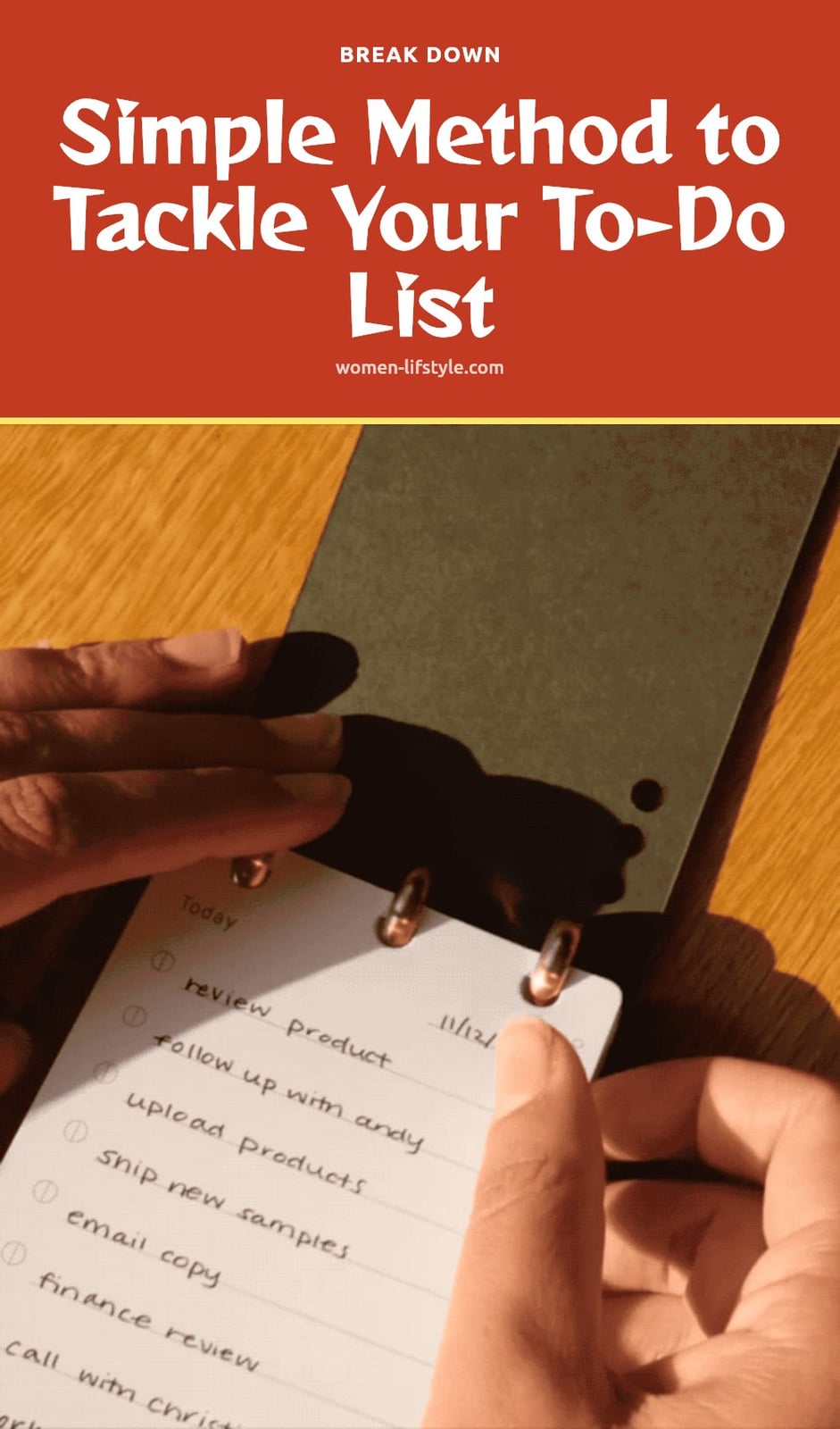
Large tasks feel overwhelming, so your brain avoids them. The fix is to break them into steps so small they almost feel silly. Instead of “clean the garage,” write “walk to the garage” or “pick up one item.”
- Why it works: Each tiny step feels manageable and gives a quick sense of progress.
- Bonus: This directly counteracts the planning fallacy, your tendency to underestimate time. Tiny steps make the real scope visible.
- My tip: If a step still feels too big, break it in half again.
2. Use the Pomodoro Technique

Set a timer for 25 minutes of focused work, then take a 5-minute break. That’s one Pomodoro. After four rounds, take a longer break of 15-30 minutes.
- Why it works: A short, defined chunk of time makes starting less daunting and prevents burnout.
- How to apply: Pick one task, start the timer, and work without interruption until it rings. The break is mandatory, step away from your desk.
- My tip: Use a physical timer, not your phone. The act of winding or pressing it helps you commit to the interval.
3. Eat the Frog First
Identify the one task you’re dreading most and do it first, before anything else. Mark Twain popularized the idea: if you have to eat a live frog, it’s best to do it first thing in the morning.
- Why it works: Once the hardest item is done, the rest of your day feels lighter. The task no longer looms over you, draining mental energy.
- How to apply: Each evening, pick your “frog” for the next day. When you start work, tackle it immediately. No checking email or social media first.
4. Set SMART Goals
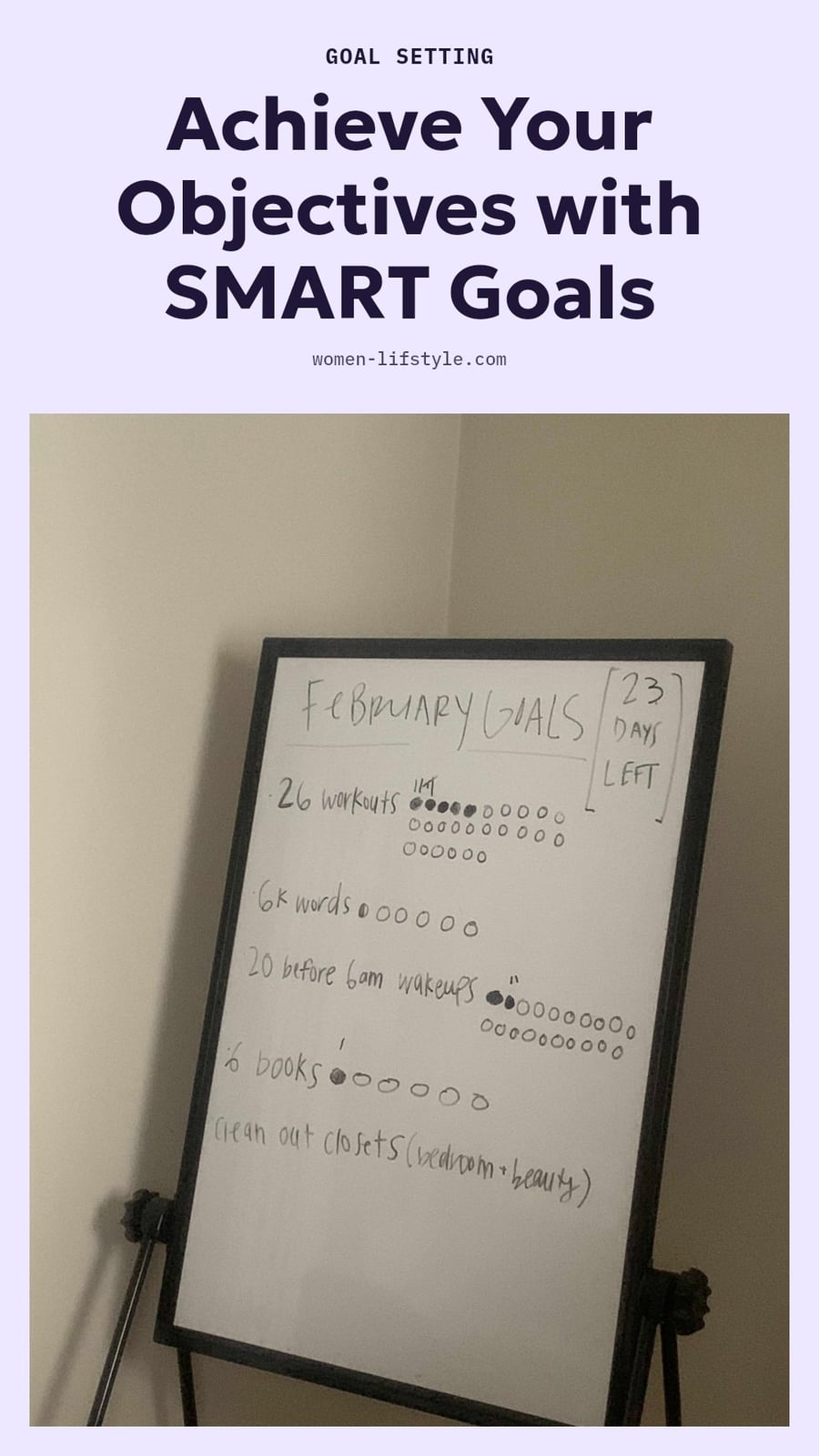
SMART goals turn vague intentions into concrete actions. The acronym stands for Specific, Measurable, Achievable, Relevant, and Time-bound. Instead of saying “I’ll write more,” say “I’ll write 500 words by 10 a.m. tomorrow.”
Clear, realistic goals reduce ambiguity, which is a major trigger for procrastination. When you know exactly what to do and when, your brain stops negotiating with itself. Attach a deadline to each step, and you’ll remove the guesswork that keeps you stuck.
5. Practice Self-Compassion
When you catch yourself procrastinating, resist the urge to beat yourself up. Self-compassion, not self-criticism, is what actually helps you move past delays and try again. Research shows that being kind to yourself in moments of struggle reduces the anxiety that keeps you stuck.
Try this: acknowledge the delay without judgment, then ask what small step you can take right now. Forgive yourself for past procrastination and focus on the present moment. You can’t change what you didn’t do yesterday, but you can choose your next action today.
Tip: Say to yourself, “I’m human, and this is hard,” then pick one tiny action and do it. That shift from shame to understanding is often enough to break the cycle.
6. Identify Your ‘Why’
Before you start a task, pause and ask yourself: why does this matter to me? When you connect a task to your personal values or a larger goal, it stops feeling like a chore and starts feeling purposeful. That shift builds intrinsic motivation, which is far stronger than external pressure.
Try this: write down the reason behind the task, not the task itself. For example, instead of “file taxes,” write “file taxes so I can stop worrying about penalties and feel in control of my finances.” When the reason feels meaningful, starting gets easier.
7. Create a Distraction-Free Zone

Your environment can make or break your focus. Clutter and notifications are constant temptations that pull you away from the task at hand. Designate a specific workspace that is tidy and free from potential interruptions. Keep only what you need for the current task within reach.
Good to know: Turn off phone notifications and close unnecessary browser tabs before you start. This removes the visual and auditory triggers that lead to procrastination.
8. Implement the Two-Minute Rule
If a task takes less than two minutes to complete, do it immediately. Reply to that email, hang up your coat, or jot down a phone number the moment you think of it. This rule stops small tasks from stacking up into a mountain of mental clutter.
Each quick completion is a small win. That sense of progress builds momentum, making it easier to tackle bigger tasks right after. My tip: keep a notepad nearby to catch these tiny tasks before they slip your mind.
9. Reward Your Progress

Set up a small, immediate reward for finishing a task or hitting a milestone. It can be as simple as a 5-minute break, a favorite snack, or scrolling social media for a bit. The key is to make the reward quick and tied directly to completing the work.
This works because of positive reinforcement: your brain starts associating task completion with something pleasant, which makes starting feel less painful. Over time, this builds a habit loop that makes you more likely to begin tasks without hesitation.
My tip: Pair the reward with the moment you finish, not later. If you wait until the end of the day, the connection between the effort and the payoff weakens.
10. Address Emotional Roots
Procrastination often has less to do with time management and more to do with how you handle your emotions. When a task triggers anxiety, boredom, or self-doubt, your brain looks for a quick escape, and delaying feels like relief in the moment.
Start by naming the feeling behind your avoidance. Ask yourself: am I scared of failing at this, or am I holding out for perfection? Fear of failure and perfectionism are two of the most common drivers, and simply labeling them takes away some of their power.
- Fear of failure: Remind yourself that a completed imperfect task beats a perfect one that never happens.
- Perfectionism: Set a minimum standard for “good enough” and commit to stopping there.
- Anxiety: Break the task into one tiny action that feels safe to start with.
Understanding the root cause is the first step to breaking the cycle, because you can’t fix what you don’t see.
11. Don’t Wait for Motivation
Waiting to feel motivated is a trap. Action creates motivation, not the other way around. Just start with a tiny step, even if you don’t feel like it. Open the document, put on your shoes, or gather your materials. Momentum follows once you begin.
Pro move: Often, the hardest part is just starting. Give yourself permission to do a poor job for the first five minutes. The brain rewards progress, and that small win builds the energy to keep going.
Common Procrastination Traps to Avoid
Believing it’s just laziness: Procrastination is a complex behavioral pattern, not a character flaw. Calling yourself lazy only adds shame and keeps you stuck. Instead, dig into what’s really driving the delay, whether it’s fear of failure or a messy workspace.
Overestimating future motivation: You won’t magically feel more like doing it tomorrow. Motivation often follows action, not the other way around. Start with a tiny piece right now, even if it’s just opening the document.
Trying to tackle overwhelming tasks: Without breaking tasks down, they look insurmountable. Always divide and conquer. Chunk a big project into steps of five to ten minutes each, then pick just one.
Aiming for perfection: Perfectionism leads to avoidance because the bar feels impossible. Focus on completing the task adequately rather than flawlessly. Done beats perfect, and you can always refine later.
Frequently Asked Questions
Is procrastination a sign of laziness?
No, procrastination is not laziness. It’s a complex behavioral pattern often driven by emotional factors like anxiety, fear of failure, or perfectionism. While laziness involves a lack of desire to act, procrastination involves actively choosing to do something else to avoid the negative feelings tied to the task.
How long does it take to stop procrastinating?
There’s no fixed timeline, but with consistent practice of new habits, you can see improvements in productivity and reduced stress within days to weeks. The key is to keep applying strategies like breaking tasks down and using timers, and to be patient with yourself as you build these skills.
Can perfectionism cause procrastination?
Yes, perfectionism is a significant driver of procrastination. The fear of not meeting impossibly high standards can lead to avoidance, because if you can’t do it perfectly, you might not want to do it at all. Focusing on completion rather than perfection can help break this cycle.
What is the ‘two-minute rule’ for tasks?
The two-minute rule is a simple guideline: if a task takes less than two minutes to complete, do it immediately. This includes things like replying to a short email, hanging up your coat, or jotting down a note. It prevents small tasks from piling up and becoming overwhelming.
How do rewards help with procrastination?
Rewards, even small ones, can boost motivation by giving you something to look forward to after completing a task or milestone. The key is to make the reward immediate and directly tied to the finished work, like a short break or a favorite snack. This creates a positive association with getting things done.
Final Thoughts
Overcoming procrastination isn’t about becoming a different person; it’s about building new habits one small step at a time. Start by picking just one strategy from this list, like the two-minute rule or eating the frog, and apply it today. You’ll likely notice a shift in your productivity and stress levels within days to weeks as you practice these techniques.
Remember, the goal isn’t perfection, it’s progress. Be kind to yourself when you slip up, and keep moving forward. The more you practice, the easier it becomes to start, and starting is always the hardest part.