

There’s nothing quite like spotting a millipede slowly crawling across your living room floor to make you feel like your home isn’t as clean or dry as you thought. The good news is that millipedes are harmless decomposers that don’t bite or sting, so you can handle them without harsh chemicals. This article covers why they show up and the most effective natural methods to get rid of them and keep them from coming back.
Key Takeaways
- Vacuum up millipedes immediately and dispose of them outside to remove the current problem.
- Use a dehumidifier in basements and crawl spaces to lower humidity below what millipedes need to survive.
- Seal cracks in your foundation and gaps under doors to block their entry points.
- Clear leaf litter, mulch, and grass clippings from around your home’s foundation to eliminate their food sources.
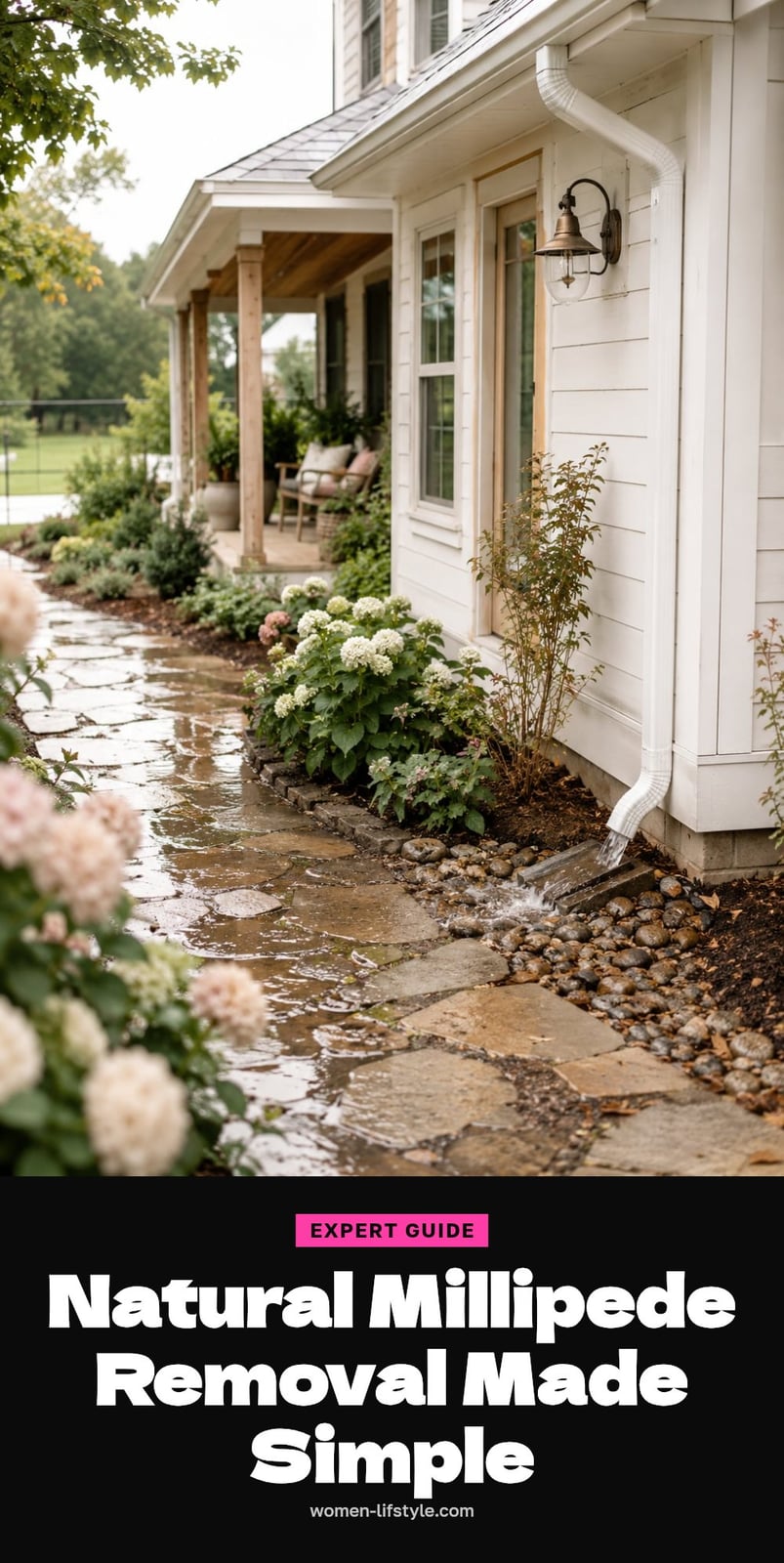
- Improve drainage by cleaning gutters and directing downspouts away from the house to reduce moisture.
The Quick Fix for Millipedes in Your Home
Millipedes are harmless decomposers that have wandered inside looking for moisture. The quick fix is to vacuum them up and dispose of them outside. For long-term results, address the dampness by using a dehumidifier and sealing cracks in your foundation. Clearing leaf litter and mulch from around your home also removes their preferred habitat.
Why Millipedes are Making Themselves at Home
Why Millipedes are Making Themselves at Home
Millipedes need high humidity to survive because they are detritivores that feed on decaying plant matter in moist soil. They will quickly dehydrate and die in dry environments, so they constantly seek damp spots.
They typically enter homes during extreme weather events like droughts or heavy rains, which drive them indoors for shelter. Common entry points include:
- Cracks in foundations: Even small gaps provide an easy passage.
- Gaps under doors: Millipedes can squeeze through surprisingly tight spaces.
- Openings around pipes: These are often left unsealed near walls and floors.
Organic debris near the house, such as leaf litter, mulch, or grass clippings, creates an attractive habitat that encourages them to linger close to your home.
Your Arsenal for Natural Millipede Removal
Your Arsenal for Natural Millipede Removal
You don’t need harsh chemicals to manage millipedes. These tools will handle the job naturally:
- Dehumidifier: Reduces indoor moisture in basements and crawl spaces where millipedes thrive.
- Caulk or sealant: Fills cracks in your foundation and around windows.
- Weatherstripping: Seals gaps under doors and around vents.
- Vacuum cleaner: Removes millipedes instantly without contact.
- Rake: Clears leaf litter and mulch from your home’s perimeter.
- Food-grade diatomaceous earth: A natural desiccant that dehydrates millipedes when applied in dry areas.
Effective Natural Methods to Get Rid of Millipedes
Effective Natural Methods to Get Rid of Millipedes
Start by reducing indoor moisture. Run a dehumidifier in basements and crawl spaces to lower humidity levels. Millipedes cannot survive in dry conditions, so this alone will drive many away.
Next, seal all cracks and gaps in your home’s foundation, around windows, and under doors. Use caulk for small cracks and weatherstripping for larger gaps. Pay special attention to openings around pipes where they often enter.
Clear organic debris from around your house. Rake up leaf litter, mulch, grass clippings, and any piles of damp wood or stones. This removes the food source and shelter that attracts them to your property.
Improve exterior drainage by cleaning gutters and directing downspouts away from the foundation. Avoid overwatering plants near your house, as this creates moist conditions millipedes love.
For millipedes you find indoors, vacuum them up immediately and dispose of the bag or contents outside. This is the fastest way to remove them without touching them.
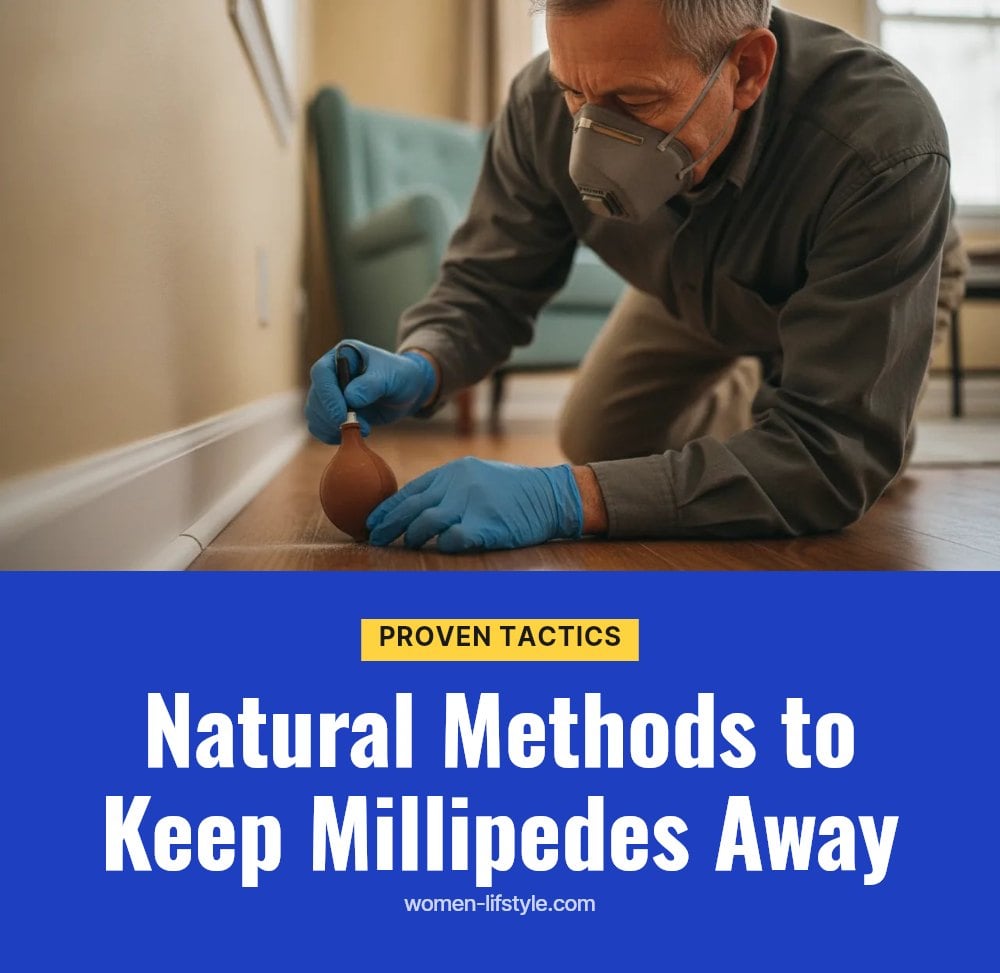
Caution: For areas where millipedes frequently appear, apply food-grade diatomaceous earth in a thin, dry layer. Wear a mask to avoid inhaling the dust, as it can irritate your respiratory system. Keep the powder dry for it to remain effective.
Common Mistakes to Avoid When Dealing with Millipedes
Many people panic and assume millipedes are dangerous, but they don’t bite or sting and are not venomous to humans or pets. When threatened, some species release a defensive fluid that may irritate skin, but that is the extent of the risk.
Mistake: Focusing only on killing the ones you see. Without addressing the moisture and entry points, more will simply take their place.
Mistake: Reaching for harsh chemical pesticides. Natural methods like reducing humidity, sealing cracks, and removing organic debris are usually sufficient and safer for your household.
Mistake: Confusing millipedes with centipedes. Centipedes are fast predators that can bite, while millipedes are slow, harmless decomposers. If you see a fast-moving many-legged creature, you are likely dealing with a centipede, not a millipede.
Mistake: Leaving entry points unsealed. Gaps under doors, cracks in the foundation, and openings around pipes allow millipedes to keep coming inside no matter how many you remove.
Keeping Millipedes Out: Long-Term Prevention Strategies

Preventing millipedes from returning is about making your home and yard unappealing to them. Focus on these ongoing habits:
- Clear debris regularly: Rake up leaf litter, mulch, and grass clippings from around your foundation to remove their food sources and hiding spots.
- Manage water flow: Clean gutters and direct downspouts at least a few feet away from the house to keep the perimeter dry.
- Trim vegetation: Cut back shrubs and plants that touch your house to reduce shaded, moist areas where millipedes thrive.
- Re-seal cracks yearly: Inspect your foundation, window frames, and door thresholds each season and apply fresh caulk or weatherstripping as needed.
- Fix leaks promptly: Repair any leaky pipes or faucets indoors and outdoors to eliminate the moisture millipedes need to survive.
Frequently Asked Questions
Are millipedes dangerous to humans or pets?
No, millipedes are not dangerous. They do not bite or sting, and they are not venomous to humans or pets. The only risk is that some species can release a defensive fluid when threatened, which may irritate skin or eyes. If you handle them, it’s best to wear gloves and wash your hands afterward.
How can I tell the difference between a millipede and a centipede?
Millipedes have two pairs of legs per body segment and move slowly, while centipedes have one pair per segment and are much faster. Centipedes are predators that can bite, whereas millipedes are detritivores that feed on decaying plant matter. If it’s moving quickly and looks leggy, it’s likely a centipede.
Will millipedes damage my home or plants?
Millipedes will not damage your home’s structure, wood, or fabrics. They feed only on decaying plant matter, so they won’t harm healthy plants either. Indoors, they are simply looking for moisture and will not chew through drywall or furniture. Their presence is more of a nuisance than a threat.
How long do millipedes live indoors?
Millipedes can live for several months indoors if they find enough moisture and food, but they typically die within a few days in a dry environment. Without high humidity, they dehydrate quickly. This is why using a dehumidifier is such an effective way to discourage them.
What attracts millipedes to my house?
Millipedes are drawn to moisture and decaying organic matter. They often enter homes during periods of drought or heavy rain, seeking shelter from unfavorable outdoor conditions. Common attractants include damp basements, leaky pipes, piles of wet leaves near the foundation, and overwatered plants next to the house.
Final Thoughts
For lasting results, focus on moisture control and sealing entry points rather than just killing millipedes as they appear. Expect that it may take a few weeks of consistent dehumidifying and sealing before you notice a real drop in sightings. Stick with these natural methods, and your home will become far less inviting to these moisture-seeking visitors.
