

If you’ve been feeling unusually tired or run down, your B12 levels might be the culprit. This essential vitamin plays a big role in how your body produces energy, forms red blood cells, and keeps your nerves healthy. In this article, I’ll walk you through what B12 does, who’s most at risk for a deficiency, and how to make sure you’re getting enough.
Key Takeaways
- Vitamin B12 is essential for red blood cell formation, nerve function, and DNA synthesis.
- Adults need 2.4 micrograms of B12 daily, with higher needs during pregnancy and breastfeeding.
- Vegans, vegetarians, older adults, and people on certain medications are at higher risk of deficiency.
- B12 is naturally found only in animal products; plant-based eaters need fortified foods or supplements.
- Persistent fatigue or neurological symptoms like numbness warrant a checkup with your doctor.
What is Vitamin B12 and Why Is It Important for Women?
Vitamin B12, also called cobalamin, is a water-soluble vitamin your body needs for red blood cell formation, nerve function, and DNA synthesis. It plays a key role in energy metabolism, helping convert the food you eat into usable energy, which can impact your overall energy levels and help reduce fatigue. Since your body can’t produce B12, you have to get it from your diet or supplements, making it especially important for women to pay attention to their intake for long-term health and well-being.
The Essential Roles B12 Plays in Your Body
B12 is critical for making healthy red blood cells, which carry oxygen to every part of your body. Without enough, you may feel run down. It also maintains the myelin sheath, the protective coating around your nerves, which affects cognitive function and physical sensation. Plus, B12 is involved in DNA synthesis, the process that fuels cell growth and repair.
The recommended daily allowance (RDA) for adults is 2.4 micrograms (mcg). Pregnant and breastfeeding women have slightly higher needs, so it’s worth factoring into your prenatal or postpartum nutrition plan.
Understanding B12 Deficiency: Causes and Symptoms
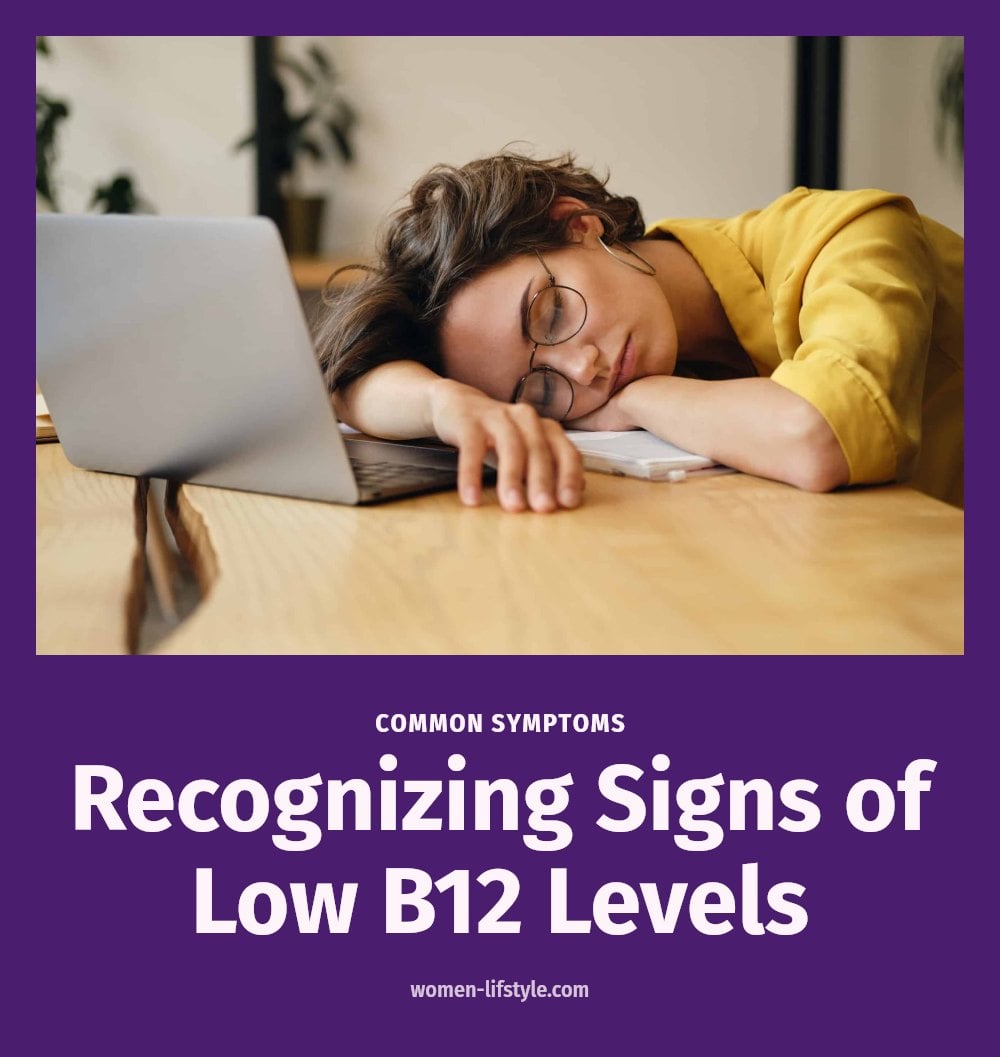
B12 deficiency can sneak up on you. Early signs include persistent fatigue, weakness, constipation, loss of appetite, and weight loss. Neurological symptoms like numbness or tingling in your hands and feet are common red flags.
Several factors raise your risk. Older adults produce less stomach acid, which is needed to absorb B12 from food. Certain medications, such as metformin and proton pump inhibitors, can also interfere with absorption. Pernicious anemia, a specific type of deficiency, happens when your body lacks intrinsic factor, a protein essential for B12 uptake. Symptoms often develop over months or years, so it’s easy to mistake them for everyday tiredness.
Who Is Most at Risk for B12 Deficiency?
Certain groups are more likely to have low B12 levels. The main ones are:
- Vegans and vegetarians: B12 is naturally found almost only in animal products, so plant-based diets need extra attention.
- Older adults: Stomach acid declines with age, reducing B12 absorption from food.
- People with digestive disorders: Conditions like Crohn’s disease or celiac disease can impair nutrient absorption.
- Those who have had gastric surgery: Surgical changes to the stomach or intestines can limit B12 uptake.
- People on certain medications: Metformin and proton pump inhibitors are common culprits.
- Pregnant and breastfeeding women: Their bodies have slightly higher B12 requirements.
How to Ensure You’re Getting Enough B12

If you eat animal products, you’re likely getting enough B12 from meat, fish, poultry, eggs, and dairy. Aim for a few servings spread across the week. My tip: cook with whole cuts of meat or add an egg to your lunch, both are reliable sources.
For vegetarians and vegans, the landscape changes. Natural B12 is almost absent from plant foods, so you need fortified options. Look for breakfast cereals, plant milks, and nutritional yeast labeled with added B12. Check the ingredient list and the nutrition panel to confirm the amount, because fortification levels vary widely between brands.
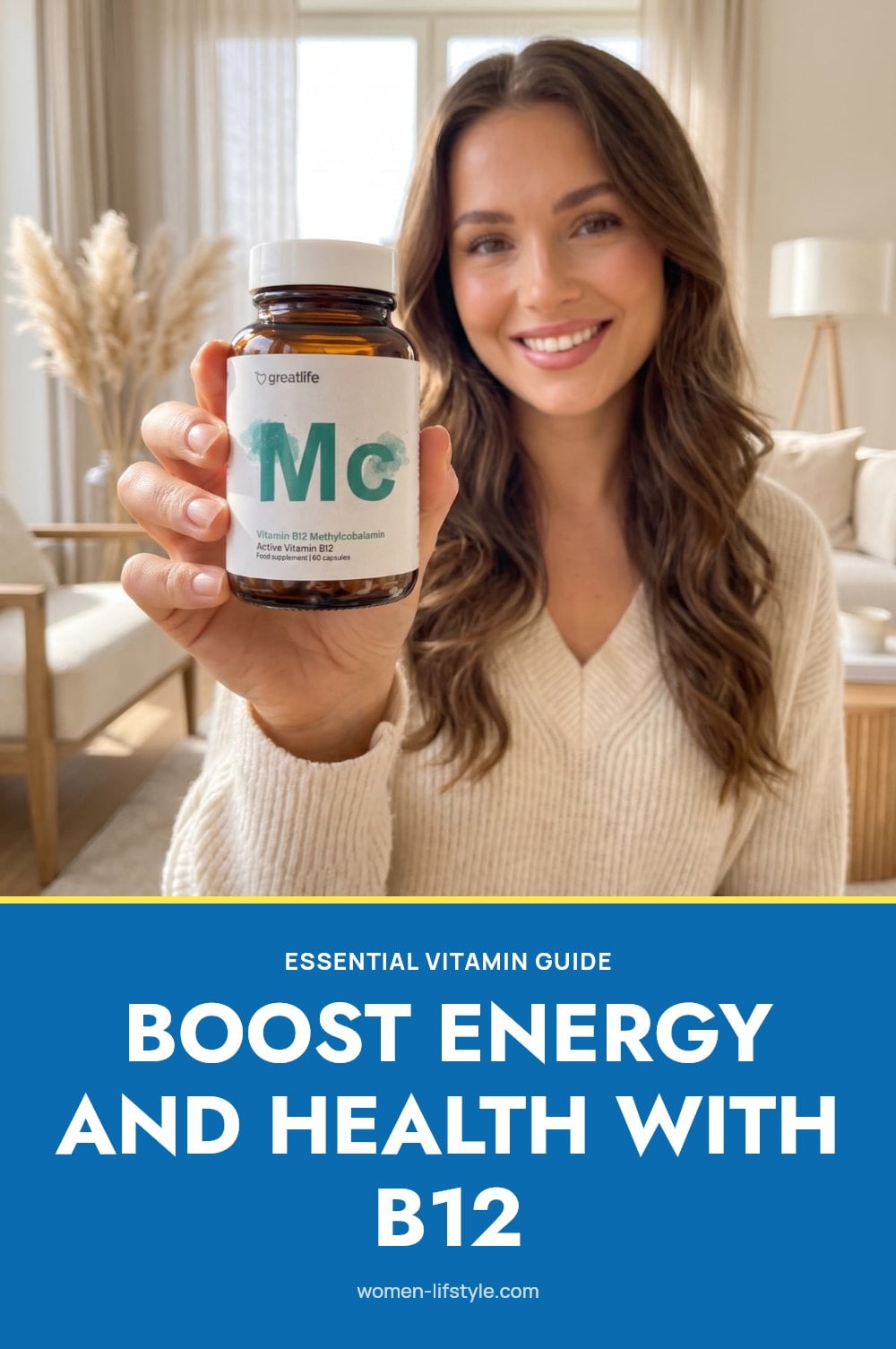
Supplements fill the gap for many women. A standard over-the-counter B12 supplement (cyanocobalamin or methylcobalamin) works well. Consider one if you’re vegan, vegetarian, over 50, or have a condition that affects absorption like Crohn’s disease or pernicious anemia. The typical dose in supplements is 500-1000 mcg, which is well above the RDA of 2.4 mcg but safe since B12 is water-soluble and excess is excreted.
Tip: If you rely on fortified foods, read the label every time you buy a new brand. Some plant milks contain as little as 0.5 mcg per serving, while others offer 3 mcg. Choosing consistently higher-fortified options makes it easier to meet your daily needs.
Common B12 Mistakes to Avoid
Mistake: Believing B12 gives you a direct energy boost. Reality: B12 helps your body convert food into energy, but it’s not an energy source itself. If you’re not deficient, extra B12 won’t make you feel more awake.
Mistake: Assuming all plant foods contain B12. Reality: Natural B12 is found almost exclusively in animal products. Plant sources like spinach or mushrooms do not provide usable B12 unless they are fortified.
Mistake: Ignoring B12 on a strict vegan diet. Reality: Vegans are at high risk of deficiency and almost always need fortified foods or a supplement. Skipping it for months can lead to fatigue and nerve issues.
Mistake: Self-diagnosing a B12 deficiency. Reality: Symptoms like tiredness or numbness can mimic other conditions such as thyroid problems or iron deficiency. Only a blood test from your doctor can confirm low B12, and proper treatment matters because prolonged deficiency can cause permanent nerve damage.
When to Talk to Your Doctor About B12
Make an appointment with your healthcare provider if you have persistent fatigue, weakness, or neurological symptoms like numbness or tingling in your hands or feet. Also talk to them if you follow a strict vegan diet and haven’t been taking B12 supplements, or if you’re over 50 and haven’t had your levels checked recently.
Mention any medications you take, such as metformin or proton pump inhibitors, that can interfere with B12 absorption. Before starting any new supplement, discuss it with your doctor, especially if you have underlying health conditions. A proper diagnosis is essential because untreated B12 deficiency can lead to irreversible neurological damage.
Frequently Asked Questions
Can B12 help with weight loss?
B12 itself doesn’t directly cause weight loss. It helps your body convert food into energy, which can support an active lifestyle. But if you’re not deficient, taking extra B12 won’t lead to shedding pounds. A balanced diet and exercise are still the key factors.
How long does it take for B12 supplements to work?
Improvement depends on how low your levels are. Many people notice a difference in energy or mood within a few weeks to a couple of months after starting supplementation. For severe deficiencies, it may take longer, and your doctor can help track your progress.
Is it possible to take too much B12?
B12 is water-soluble, so your body typically excretes any excess through urine. This makes it very safe, even at high doses. However, very high amounts might rarely cause mild side effects like acne or dizziness in some individuals. Always follow the dosage on your supplement or your doctor’s advice.
Do plant-based foods naturally contain B12?
No, unfortified plant foods like vegetables, fruits, and grains do not naturally contain B12. The only reliable plant-based sources are fortified foods, such as certain cereals, plant milks, and nutritional yeast, or supplements. If you’re vegan, you need to include these in your diet.
What is the best form of B12 supplement?
The two most common forms are cyanocobalamin and methylcobalamin. Cyanocobalamin is widely available and stable, while methylcobalamin is a more active form. Both are effective, and your choice can depend on personal preference or your doctor’s recommendation. Either is better than none if you need it.
Final Thoughts
My main takeaway is to pay attention to your diet and any persistent symptoms. If you eat animal products, a few servings a week should cover your needs. If you’re vegan, vegetarian, or over 50, a supplement is a smart move. Talk to your doctor if you’re unsure. They can run a simple blood test. Remember, B12 supports your energy and nerve health, but it won’t magically fix all fatigue.
This article is for general informational purposes only and is not a substitute for professional medical advice, diagnosis, or treatment. Always consult a qualified healthcare provider before starting any supplement or if you have concerns about a deficiency or your health.
