

You’ve probably heard that fermented foods are great for your gut, but with so many options on the shelf, it’s hard to know where to start. Whether you’re dealing with bloating, looking to boost your digestion, or just want to support a healthy microbiome, the right fermented foods can make a real difference. In this article, I’ll break down the best choices, from yogurt to kimchi to tempeh, and share what to look for on labels so you actually get the live probiotics you’re after.

Key Takeaways
- Choose unpasteurized fermented foods like raw sauerkraut or kefir to get live probiotics.
- Start with small servings of fermented foods and gradually increase to avoid digestive upset.
- Include a variety of fermented foods in your diet for a diverse range of beneficial bacteria and yeasts.
- Check labels for “live and active cultures” or “unpasteurized” since pasteurization kills beneficial probiotics.
- Do not rely on sourdough bread for probiotics because baking heat destroys the live cultures.
Why Fermented Foods Are Your Gut’s Best Friend
Fermented foods are made through a metabolic process where microorganisms like bacteria and yeast convert carbohydrates into other compounds. Many of these foods contain live probiotics, which can support a healthy gut microbiome, aid digestion, and enhance nutrient bioavailability. To get those benefits, always choose unpasteurized varieties, since pasteurization kills the beneficial cultures. Look for labels that say ‘live and active cultures’ or ‘unpasteurized’ to ensure you’re getting the real deal.
1. Yogurt

Yogurt is a classic fermented dairy product rich in beneficial bacteria such as Lactobacillus bulgaricus and Streptococcus thermophilus. When shopping, check for a label that explicitly states ‘live and active cultures,’ and skip options with excessive added sugars.
- Tip: Plain, unsweetened yogurt is the best base. Add your own fresh fruit or a drizzle of honey to control sweetness and flavor.
2. Kefir

Kefir is a fermented milk drink often described as drinkable yogurt, but it typically contains a wider variety of beneficial bacteria and yeasts. It’s made by fermenting milk with kefir grains, a symbiotic culture of bacteria and yeast (SCOBY).
- Tip: If you’re new to fermented foods, start with a small serving of kefir. Its potent probiotic content can sometimes cause mild digestive adjustment as your body gets used to it.
3. Sauerkraut

Sauerkraut is finely shredded cabbage fermented by lactic acid bacteria, making it a fantastic source of probiotics and vitamin C. To get the live cultures, always choose raw, unpasteurized sauerkraut from the refrigerated section of the grocery store. Shelf-stable jars are typically pasteurized and won’t offer the same probiotic benefits.
4. Kimchi
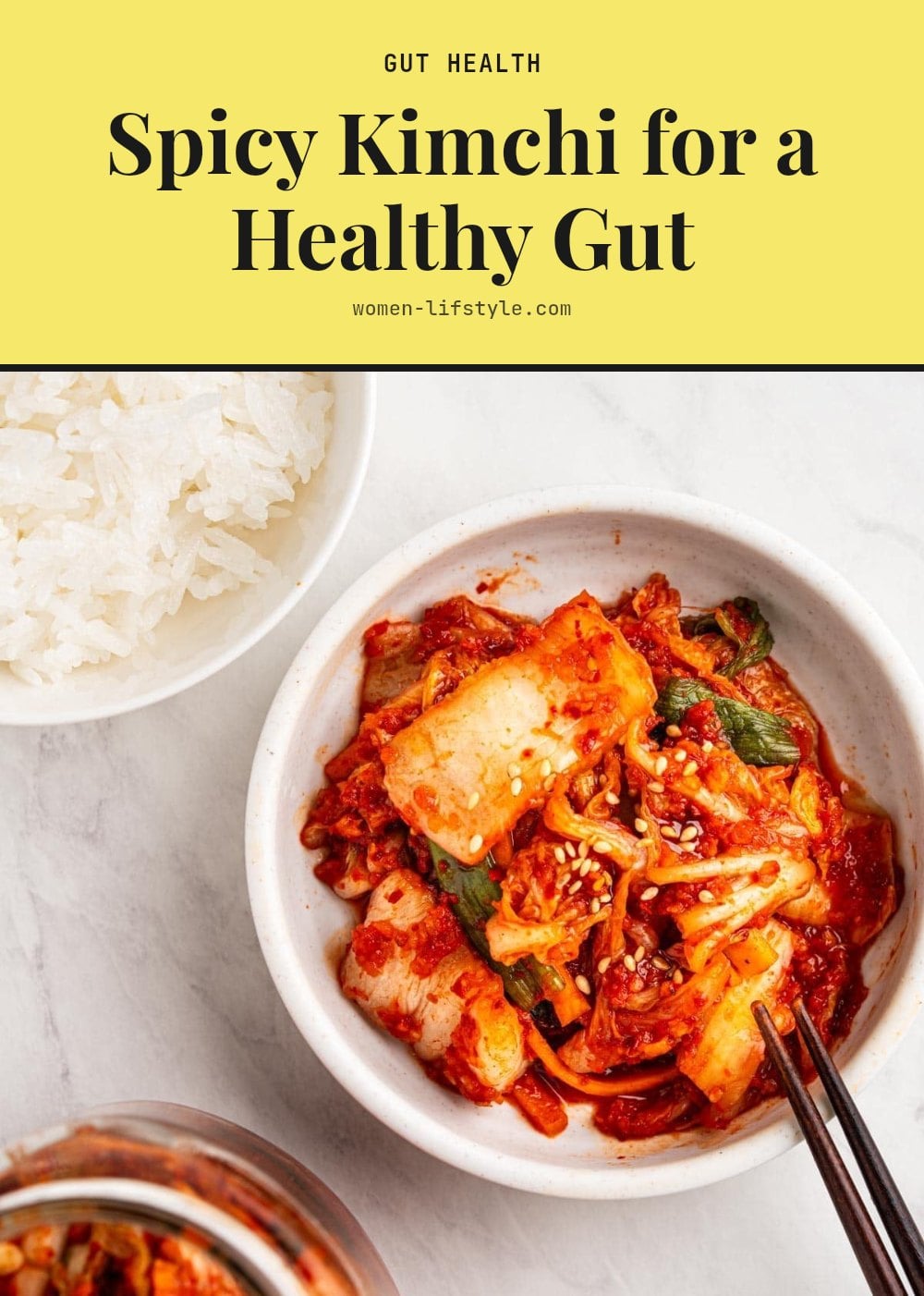
Kimchi is a traditional Korean side dish made from fermented napa cabbage and other vegetables, seasoned with chili powder, garlic, ginger, and other spices. It’s known for its spicy, tangy flavor and its rich content of lactic acid bacteria.
My tip: Kimchi is incredibly versatile; try it as a side dish, in stir-fries, or even in sandwiches for a flavorful probiotic boost.
5. Tempeh

Tempeh is a fermented soybean product that originated in Indonesia, forming a firm, nutty cake. It’s an excellent plant-based source of protein and contains prebiotics and probiotics.
My tip: Tempeh readily absorbs flavors, making it a great meat alternative in stir-fries, sandwiches, or baked dishes. Just make sure not to overcook it if you want to preserve some live cultures.
6. Miso
Miso is a traditional Japanese seasoning produced by fermenting soybeans with salt and koji (a fungus). It’s commonly used in soups, dressings, and marinades, offering a rich, umami flavor.
My tip: To preserve its probiotic benefits, add miso to dishes after they’ve been removed from direct heat, as high temperatures can kill the beneficial bacteria.
7. Kombucha

Kombucha is a fizzy, fermented tea drink made with a SCOBY (symbiotic culture of bacteria and yeast). It’s known for its slightly tart and sweet flavor, often infused with various fruits and herbs.
My tip: While delicious, kombucha can be high in sugar, so check labels for lower-sugar options or consider making your own at home to control the sweetness.
8. Natto
Natto is a traditional Japanese food made from fermented soybeans, known for its strong smell, sticky texture, and distinct flavor. It’s a potent source of probiotics, vitamin K2, and nattokinase, an enzyme that may support cardiovascular health. Many people find the texture challenging at first, but it’s worth trying for the unique nutritional profile.
My tip: Natto is definitely an acquired taste. Try it mixed with rice, soy sauce, and mustard if you’re brave enough to give it a try. Start with a small portion to see how you like it before adding more to your routine.
9. Naturally Fermented Pickles
Not all pickles are fermented. Look for jars labeled ‘lacto-fermented’ or ‘naturally fermented’ in the refrigerated section. These are made by submerging cucumbers in a saltwater brine, allowing beneficial bacteria to create lactic acid and develop that tangy flavor.
Vinegar-brined pickles, the shelf-stable kind, skip fermentation entirely, so they lack live cultures.
My tip: Check the ingredient list for ‘vinegar’ as a shortcut. If it’s there, you’re not getting probiotics.
10. Sourdough Bread
Sourdough bread goes through a real fermentation process, but the high heat of baking typically kills off the live cultures. So it won’t give you the probiotic punch of yogurt or kefir. That said, the fermentation can still make the bread easier to digest and may improve nutrient availability.
My tip: Don’t rely on sourdough for live probiotics, but enjoy it for its unique flavor and potential digestive benefits. Look for traditionally fermented loaves from a bakery or make your own to get the most out of the process.
11. Apple Cider Vinegar (with ‘the Mother’)
Raw, unfiltered apple cider vinegar contains “the mother,” a cloudy substance made of beneficial bacteria and enzymes. While it’s not a traditional fermented food like yogurt, the mother can contribute to gut health.
Tip: Always dilute ACV with water before drinking it to protect your tooth enamel and digestive tract. It also works great as a tangy base for salad dressings.
12. Rejuvelac
Rejuvelac is a fermented grain drink, often made from wheat berries, rye, or quinoa, by soaking and sprouting the grains and then fermenting them in water. The result is a light, tangy, enzyme-rich beverage that can be a good source of beneficial bacteria.
My tip: Rejuvelac is relatively easy to make at home and can be used as a base for raw soups or dressings, offering a unique probiotic option. Start with a small glass if you’re new to it, and keep it refrigerated.
Common Mistakes When Eating Fermented Foods
The biggest mistake is assuming every fermented food is packed with live probiotics. Heat treatment like pasteurization kills beneficial bacteria, so always check labels for “live and active cultures” or “unpasteurized.” Sourdough bread, for example, typically doesn’t retain live cultures after baking.
Another common error is overdoing it right away. Introducing large amounts of fermented foods too quickly can lead to gas or bloating. Start with small portions and gradually increase your intake as your body adjusts.
Sticking to just one type also means you’re missing out. Different fermented foods contain different strains of bacteria and yeast, so aim for variety across yogurt, kefir, kimchi, and miso.
Finally, don’t heat your fermented foods if you want the live cultures. High temperatures destroy beneficial microorganisms. Add miso or sauerkraut after cooking, or enjoy them cold.
Frequently Asked Questions
Are all fermented foods probiotic-rich?
No, not all fermented foods contain live probiotics. Heat treatment like pasteurization kills beneficial bacteria, so foods like shelf-stable sauerkraut or sourdough bread after baking typically do not have live cultures. Always check the label for “live and active cultures” or “unpasteurized” to be sure.
Can I make my own fermented foods at home?
Yes, you can ferment foods like sauerkraut, yogurt, or kombucha at home. Just follow strict hygiene practices to prevent harmful bacteria from growing. Start with a simple recipe and use clean equipment. If you have a compromised immune system, talk to your doctor before trying homemade ferments.
How quickly will I see benefits from eating fermented foods?
Some people notice improvements in digestion within a few weeks of adding fermented foods to their diet. The timeline varies based on your current gut health, the variety of foods you eat, and how consistently you include them. Be patient and start with small amounts to let your system adjust.
What if I’m lactose intolerant but want to try fermented dairy?
Many people with lactose intolerance can tolerate yogurt and kefir because the fermentation process breaks down most of the lactose. Kefir often contains even less lactose than yogurt. Start with a small serving, like a quarter cup, and see how you feel. If you still have trouble, try fermented non-dairy options like kimchi or tempeh.
Can children eat fermented foods?
Yes, children can eat fermented foods, but introduce them slowly and in small amounts. Plain yogurt and mild sauerkraut are good starting points. Avoid very spicy options like kimchi for young children. If your child has a compromised immune system or a medical condition, check with a pediatrician first.
Final Thoughts
If you want to improve your gut health, start with one or two unpasteurized fermented foods that fit your taste, like plain yogurt or a small serving of kimchi. Expect to notice changes in your digestion within a few weeks if you eat them consistently. My tip: keep it simple and listen to your body; it will tell you what works.
This article is for general informational purposes only and does not constitute medical or professional advice. Fermented foods affect individuals differently, and those with compromised immune systems, digestive disorders, or other health conditions should consult a doctor or registered dietitian before making significant dietary changes.
