

If you often feel drained after social interactions or find yourself carrying the weight of others’ emotions, you might be an empath. This heightened sensitivity can be a gift, but without the right tools, it can lead to emotional burnout. This article explains what it means to be an empath and shares practical strategies for protecting your energy so you can thrive, not just survive.

Key Takeaways
- Set clear verbal and energetic boundaries to prevent emotional absorption.
- Schedule regular alone time for rest and emotional processing.
- Use grounding activities like meditation or nature walks to release absorbed energy.
- Keep a journal to distinguish your own feelings from those of others.
- Seek professional support if emotional distress becomes persistent or overwhelming.
What Exactly Is an Empath?
An empath is someone with a heightened ability to perceive and absorb the emotions and energies of people around them, often feeling those feelings as if they were their own. This isn’t a clinical diagnosis or a recognized psychological term, but a concept widely discussed in wellness and spiritual communities. The trait can bring deep compassion and intuitive understanding, but it also comes with a real risk of emotional overwhelm and burnout if not managed carefully.
Understanding the Traits of an Empath
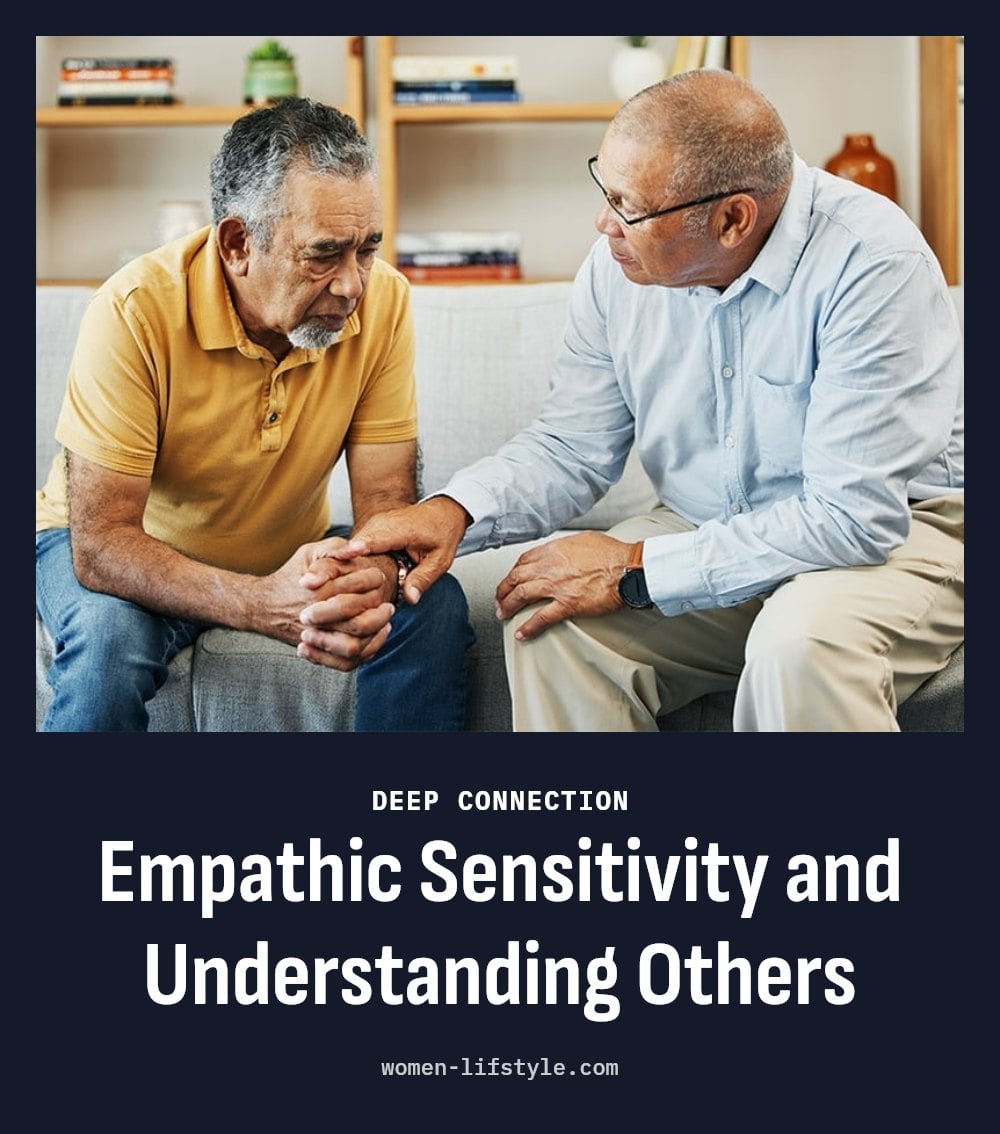
Understanding the Traits of an Empath
Empaths are often highly intuitive and sensitive to subtle shifts in mood or atmosphere. Many need regular alone time to recharge, because being around others can feel like absorbing their emotional state. Crowds, loud environments, or intense conversations can quickly become overwhelming.
A strong sense of compassion is a common characteristic, which is why empaths are often drawn to helping roles. The concept is frequently linked to the ‘Highly Sensitive Person’ (HSP) trait, a term coined by psychologist Dr. Elaine Aron. While HSP describes a personality trait, empath adds an energetic or emotional absorption layer that isn’t part of the HSP definition.
Essential Strategies for Protecting Your Energy
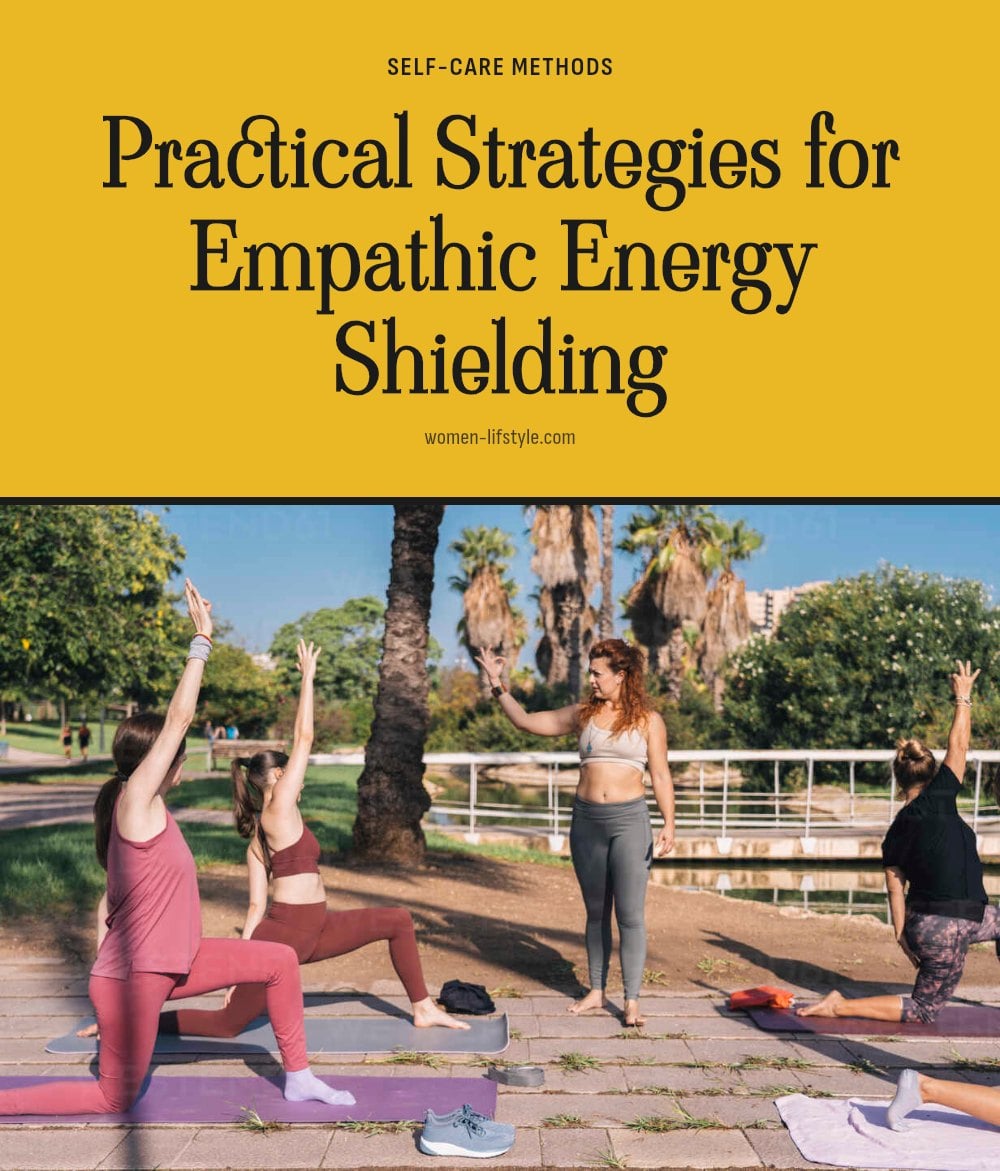
Essential Strategies for Protecting Your Energy
Set clear boundaries: Practice stating your limits out loud, both verbally and energetically. For example, you can say, ‘I care about you, but I can’t take on this conversation right now.’ This prevents absorption before it starts.
Schedule alone time: Block out at least 15-30 minutes daily for quiet, uninterrupted time. Use it for emotional processing or simply resting without input from others.
Ground yourself: Engage in grounding activities like meditation, walking barefoot on grass, or sitting quietly in a park. These help release absorbed energy and bring you back to your own center.
Develop self-awareness: Regularly check in with yourself to distinguish your own emotions from ones you may have picked up. Ask, ‘Is this feeling mine, or did I absorb it?’ Journaling can help track patterns.
Prioritize self-care rituals: Build small daily habits that replenish your energy, such as a warm bath, deep breathing, or a short yoga session. Consistency matters more than duration.
Learn to say no: Practice saying no without guilt. You can protect your energetic space by declining invitations or requests that feel draining, even if you want to help.
My tip: Start with one strategy at a time. Trying all at once can feel overwhelming. Pick one boundary or grounding technique and practice it for a week before adding another.
Tools and Practices for Empathic Well-being
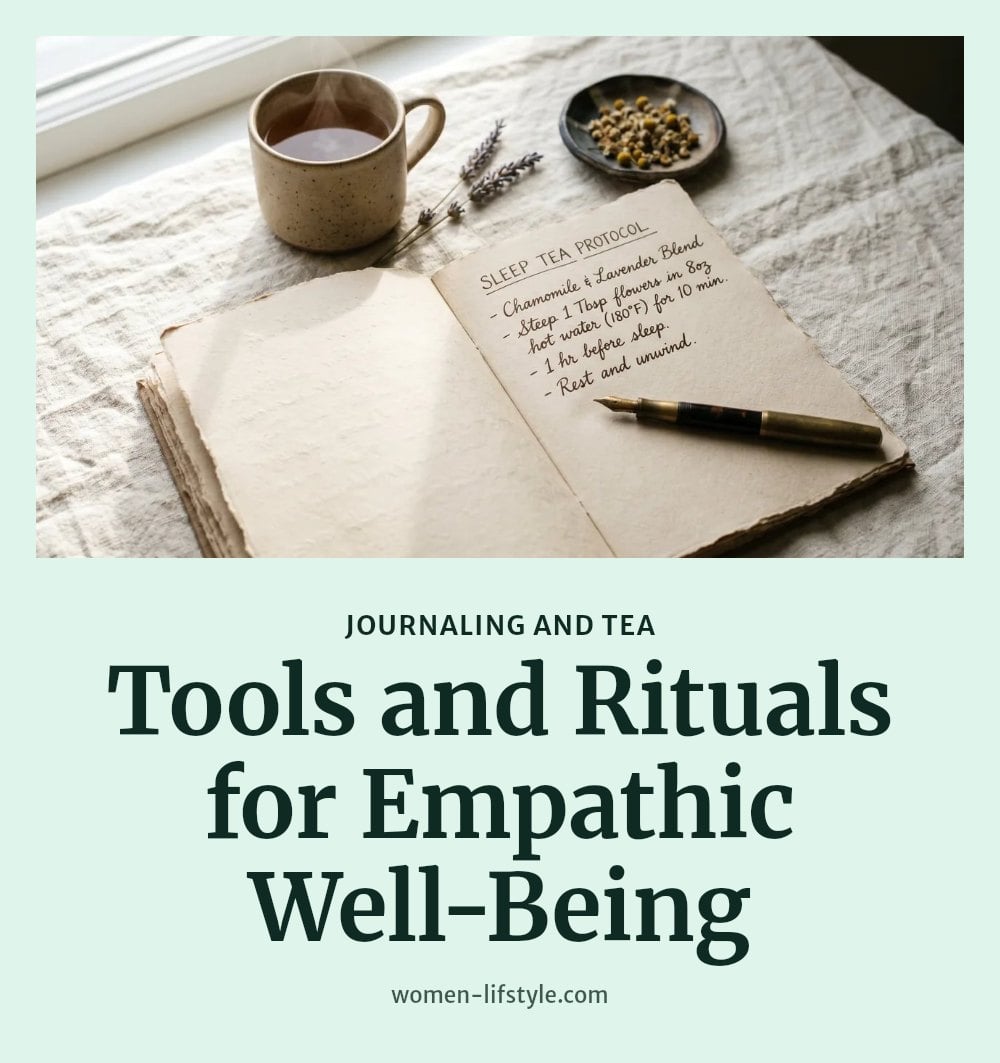
Tools and Practices for Empathic Well-being
A journal: Use it for emotional processing and to help distinguish your own feelings from those you absorb. Write down what you felt and where it might have come from.
Noise-canceling headphones: Great for overwhelming environments like public transit or open offices. They give you a quick way to reduce sensory input.
Meditation apps: Guided meditations can help with grounding and mindfulness, especially when you’re feeling scattered.
Comfortable clothing: Soft, loose fabrics can create a soothing personal space that helps you feel contained and calm.
Access to nature: Parks, gardens, or even a tree-lined street provide a place for energetic release and replenishment. A 10-minute walk outside can reset your mood.
Common Mistakes Empaths Make and How to Avoid Them
One of the biggest pitfalls is believing you are solely responsible for how others feel. That belief can slide into codependency, where your own well-being depends on fixing someone else’s mood. Another common mistake is failing to set boundaries, which leads straight to burnout. You might also absorb negative energy without recognizing it, mistaking someone else’s anxiety for your own. Some people respond by isolating completely, but that cuts off the supportive connections you actually need. Finally, don’t attribute every emotional low to being an empath. Other causes, like sleep, hormones, or stress, deserve equal attention.
Your Ongoing Journey as an Empath: Time and Effort
Protecting your energy is not a one-time fix. It is an ongoing practice that requires consistent effort. Self-awareness and boundary setting take repetition before they become habits. Regular self-care rituals, like a short morning meditation or a weekly nature walk, are crucial for long-term balance. The real cost here is time and dedication, not money. You invest minutes each day to maintain your emotional baseline.
When to Seek Professional Support
If you experience persistent emotional distress, anxiety, or depression, speak with a mental health professional. Identifying as an empath should never replace medical or psychological advice. If you cannot manage daily life due to emotional overwhelm, or if you still struggle to separate your own feelings from others’ despite trying strategies, professional support can help you develop a clearer path forward.
Frequently Asked Questions
Is being an empath a psychological diagnosis?
No, being an empath is not a recognized psychological or medical diagnosis. It is a concept widely discussed in wellness and spiritual communities. If you experience persistent emotional distress, anxiety, or depression, consult a mental health professional for proper evaluation and support.
How can I tell if I’m absorbing someone else’s emotions?
You may notice sudden shifts in your mood that mirror someone else’s feelings, especially after interacting with them. Keeping a journal can help you track what you felt and where it might have come from. Over time, you’ll learn to distinguish your own emotions from those you absorb.
What are some quick ways to ground myself?
Quick grounding techniques include taking a few deep breaths, placing your bare feet on the ground, or stepping outside for a minute of fresh air. Even a short walk in nature or a brief meditation can help release absorbed energy and bring you back to center.
Can empaths be happy?
Yes, empaths can absolutely be happy. The key is learning to manage your sensitivity rather than letting it control you. With consistent boundary setting, self-care, and grounding practices, you can experience deep compassion and connection without emotional overwhelm.
Should empaths avoid all social interaction?
No, complete isolation is not recommended. The goal is to manage interactions, not avoid them entirely. Learn to set boundaries, schedule recovery time, and choose environments that feel safe. This way, you can enjoy meaningful connections without draining your energy.
What is the difference between an empath and an HSP?
An empath is believed to absorb others’ emotions as if they are their own, while a Highly Sensitive Person (HSP) processes sensory information more deeply. The HSP trait is a recognized personality characteristic described by Dr. Elaine Aron, whereas empath is a broader, non-clinical term. Many empaths also identify as HSPs.
Final Thoughts
Protecting your energy as an empath is an ongoing practice, not a one-time fix. Start with one small boundary today, like saying no to a draining conversation or taking five minutes of quiet time. Expect that self-awareness and boundary setting will take repetition before they become habits. With consistent effort, you can maintain your compassion without losing yourself.
This article is for informational purposes only and is not a substitute for professional medical or psychological advice. If you are experiencing persistent emotional distress, anxiety, or depression, please consult a licensed mental health professional. Always seek the advice of a qualified provider for any health-related concerns.
