

If you feel like you’re constantly walking on eggshells, trying to get closer to a partner who keeps pulling away, you’re not alone. That emotional distance can be confusing and painful, but it often stems from an avoidant attachment style, a pattern rooted in a deep need for independence and self-protection. This article breaks down what avoidant attachment looks like in a relationship, how to communicate effectively, and most importantly, how to take care of yourself while navigating this dynamic.

Key Takeaways
- Understand that avoidant attachment stems from early childhood experiences, not a lack of love.
- Use ‘I’ statements to communicate your needs without triggering their defensiveness.
- Respect their need for space and avoid chasing them when they withdraw.
- Build trust slowly through consistent, reliable actions and clear boundaries.
- Prioritize your own emotional well-being with self-soothing techniques and a support system.
Understanding Avoidant Attachment in Relationships
Avoidant attachment is a relationship style where independence and self-sufficiency come first, often creating emotional distance. It’s one of the insecure attachment styles, marked by discomfort with intimacy and vulnerability. Dealing with an avoidant partner means understanding their patterns, communicating effectively, and making your own emotional health a priority.
Why Avoidant Attachment Develops
Why Avoidant Attachment Develops
Avoidant attachment usually starts in early childhood. When emotional needs aren’t consistently met or are met with rejection, a child learns that relying on others for support is unreliable. This leads to a strong drive for independence, a way to protect themselves from disappointment.
As adults, this becomes a defense mechanism. The avoidant partner isn’t trying to hurt you; they’re guarding against perceived vulnerability and potential hurt. Their behavior is about self-protection, not a lack of care for you.
- Early roots: Inconsistent or rejecting responses to emotional needs
- Learned pattern: Emotional self-reliance feels safer than depending on others
- Defense, not rejection: It’s a shield against vulnerability, not a measure of their feelings for you
Strategies for Communicating With an Avoidant Partner
Strategies for Communicating With an Avoidant Partner
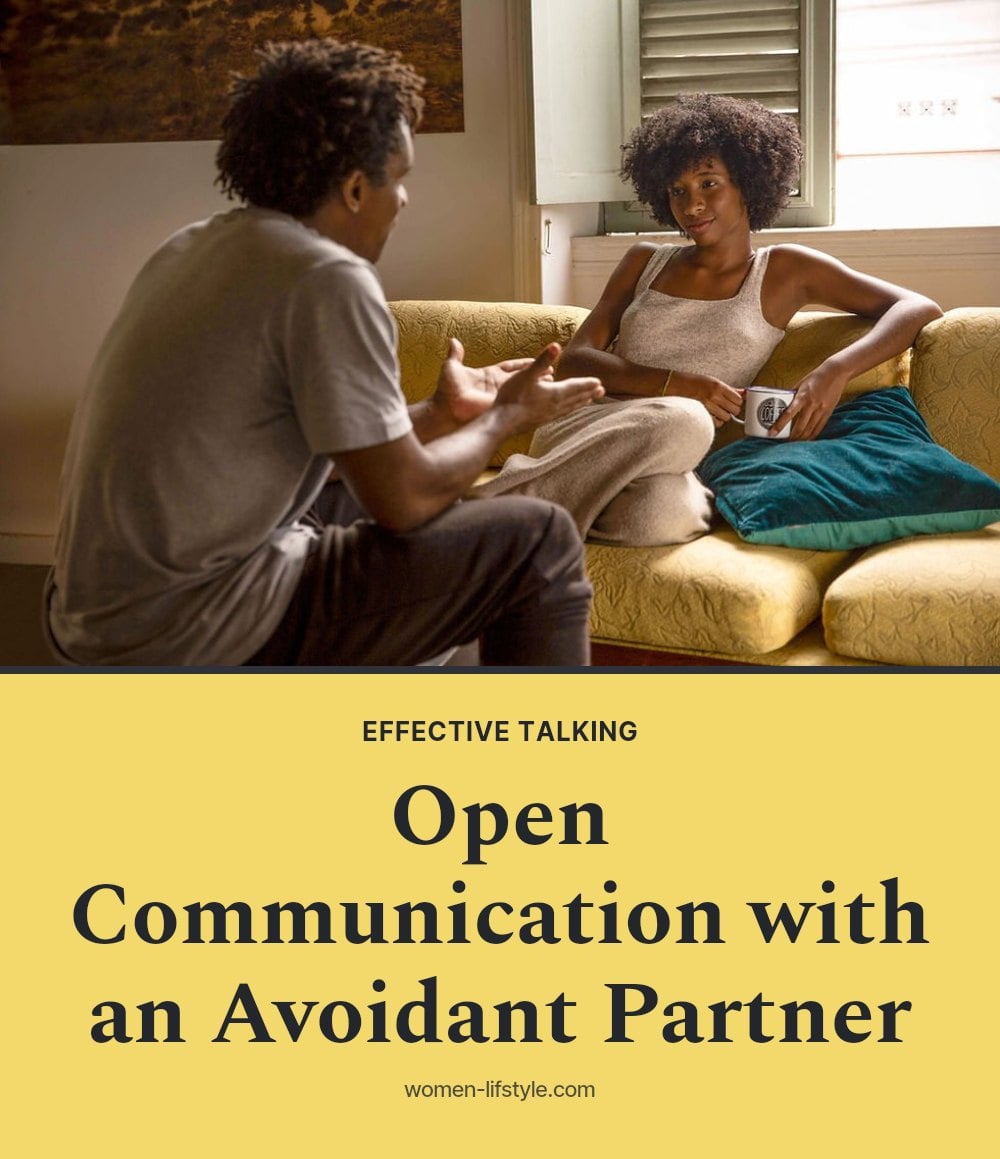
Communication with an avoidant partner requires a shift in approach. Start with “I” statements to express your feelings without blame. For example, say “I feel disconnected when we don’t talk about our day” instead of “You never share anything.” Focus on specific behaviors, not sweeping character judgments, that reduces defensiveness.
Respect their need for space and independence. When they withdraw, give them time to process instead of chasing or demanding answers. Chasing usually triggers more withdrawal. Stay calm and clear in your tone; avoid emotional escalation.
Create a safe environment for emotional sharing by being consistent and reliable. If you say you’ll listen without judgment, follow through. Avoid criticism or shame when they do open up, even a small step deserves acknowledgment.
- Use “I” statements: “I feel…” instead of “You always…”
- Stick to specifics: Talk about a recent behavior, not their personality
- Give space: Allow them time to process without pressure
- Stay calm: Avoid chasing or demanding when they pull away
- Be consistent: Reliability builds safety for emotional sharing
Building Trust and Intimacy Gradually
Building Trust and Intimacy Gradually
Trust with an avoidant partner builds slowly, through consistent and reliable actions. Show up when you say you will, keep your promises, and avoid dramatic reactions. This demonstrates you’re a safe person to open up to. Respect their boundaries and don’t take their need for space personally; it’s a coping mechanism, not a rejection of you.
- Engage in shared activities: Do things together that foster connection without direct emotional pressure, like hiking, cooking, or watching a show. This builds closeness naturally.
- Acknowledge small steps: Notice and appreciate any move toward vulnerability, no matter how minor. A simple “thank you for sharing that” goes a long way.
- Understand physical intimacy: For an avoidant partner, physical closeness can feel emotionally demanding. Go at their pace and communicate openly about comfort levels.
Patience is key. Progress comes in small increments over months, not sudden breakthroughs.
Common Mistakes When Dealing With Avoidant Partners
Chasing them when they withdraw often triggers more withdrawal. Instead, hold still and give them the space they need. It’s also easy to take their need for distance personally, but remind yourself: it’s a coping mechanism, not a judgment of your worth. Forcing intimacy, whether emotional or physical, can feel suffocating to them and push them further away. Let closeness unfold at a pace they can handle. Another common mistake is neglecting your own emotional needs while focusing on theirs. Keep up your own self-care and support system. And don’t expect overnight change. Progress is slow and requires consistent effort from both sides.
Prioritizing Your Own Well-being

Your emotional health matters just as much as the relationship dynamics. Start by developing self-soothing techniques, deep breathing, journaling, or a walk alone, to manage your own anxieties without relying on your partner to calm you. Build a strong support system of friends, family, or a therapist who can listen without judgment. Maintain your independence by continuing your own hobbies, interests, and friendships. Understanding your own attachment style helps you see where your reactions come from, which makes navigating the dynamic easier. Finally, set clear boundaries. Define what you will and will not tolerate, and communicate those limits calmly. Boundaries protect your well-being and keep the relationship healthier for both of you.
When to Seek Professional Help
If you feel consistently emotionally drained, neglected, or unheard in the relationship, it may be time to seek professional help. The same goes if the relationship involves emotional abuse, manipulation, or consistent disrespect, your safety comes first. If you’re struggling to implement strategies or feel stuck in repetitive negative patterns, a therapist can offer guidance. Attachment-based therapy or couples counseling can be highly beneficial, especially if your partner is willing to explore their attachment style and work on the relationship together.
Understanding the Timeline for Change
Addressing avoidant attachment patterns is a long-term process, often requiring months or even years of consistent effort. Results are typically gradual, with small improvements building over time rather than sudden breakthroughs. Consistency in communication and boundary setting is key to fostering change. For those considering therapy, it can be a valuable support, though the timeline for meaningful progress remains slow and steady.
Frequently Asked Questions
Can an avoidant partner change?
Yes, change is possible, but it’s a long-term process that often takes months or years of consistent effort. The avoidant partner must be willing to acknowledge their patterns and work on them, often with the help of therapy. You cannot force or ‘fix’ them; change has to come from within.
How do I know if my partner is truly avoidant?
Look for consistent patterns: withdrawing during conflict, avoiding deep emotional conversations, prioritizing independence, and feeling suffocated by closeness. If you’re unsure, open communication or couples counseling can help clarify whether it’s avoidant attachment or just a different personality trait.
What if my partner refuses to acknowledge their avoidant tendencies?
If they deny the pattern, focus on what you can control: your own communication and boundaries. You can suggest therapy, but if they refuse, you may need to decide if the relationship as it is meets your needs. Persistent denial can be a red flag for deeper issues.
Is an avoidant attachment style always a deal-breaker?
Not necessarily. Many relationships with an avoidant partner can work with mutual effort, patience, and professional support. However, if the dynamic leaves you consistently emotionally drained, neglected, or unheard, or if it involves emotional abuse, it may be time to consider ending the relationship.
How can I maintain my own identity in a relationship with an avoidant partner?
Prioritize your own hobbies, friendships, and self-care routines outside the relationship. Develop self-soothing techniques like journaling or deep breathing to manage your emotions independently. Building a strong support system ensures you don’t rely solely on your partner for emotional fulfillment.
Final Thoughts
Navigating a relationship with an avoidant partner requires patience, empathy, and a strong sense of your own boundaries. The most important thing you can do is focus on your own emotional health, building a life and support network outside the relationship. Progress is usually slow, with small steps building over time rather than sudden breakthroughs. Ultimately, you deserve a partnership where your needs are heard and respected, and that may mean encouraging your partner to seek therapy or, if the dynamic becomes harmful, reevaluating the relationship for your own well-being.
This article is for informational purposes only and is not a substitute for professional medical or mental health advice. If you are experiencing persistent emotional distress, relationship difficulties, or concerns about your safety, please consult a licensed therapist or counselor.
