

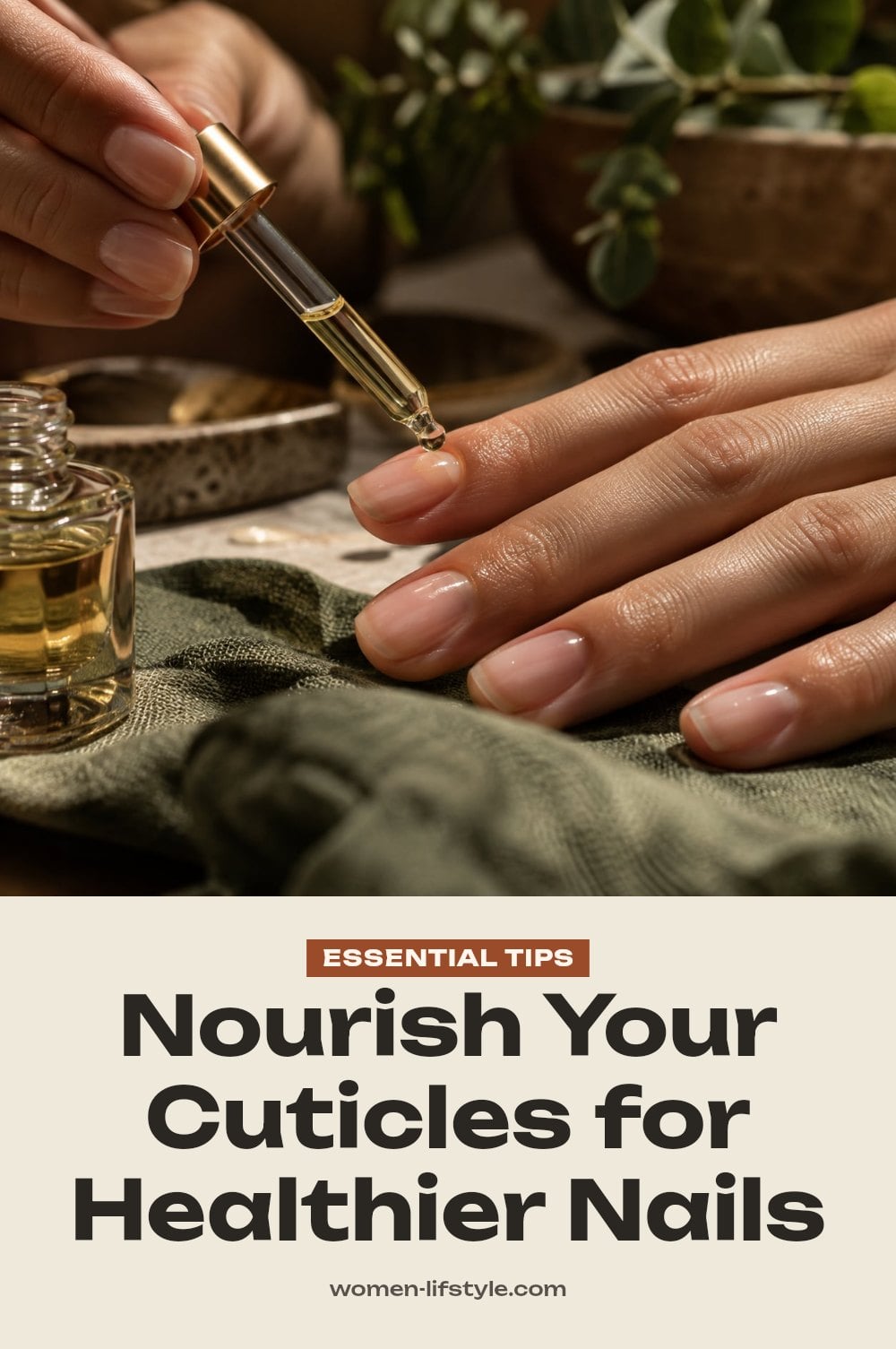
Your cuticles are your nails’ first line of defense, but they’re often the most neglected part of a manicure routine. If you’ve ever dealt with dry, cracked cuticles or painful hangnails, you know how much of a difference proper care can make. This article covers the essential do’s and don’ts for keeping your cuticles healthy at home, from daily moisturizing to safe pushing techniques.
Key Takeaways
- Moisturize your cuticles daily with oil or cream to prevent dryness and hangnails.
- Always soften cuticles with warm water before gently pushing them back.
- Never cut your cuticles; instead, use a cuticle remover product.
- Wear gloves for household chores to protect cuticles from water and chemicals.
- See a doctor if you notice redness, swelling, or pus around the cuticle area.
What Are Cuticles and Why Are They Important?
Cuticles are the thin layer of dead skin cells at the base of your nails. They form a protective seal that blocks bacteria and fungi from entering the nail matrix, where your nail actually grows. Proper cuticle care is all about keeping them moisturized and intact, not cutting them, so this barrier stays strong and healthy.
1. Moisturize Daily with Cuticle Oil
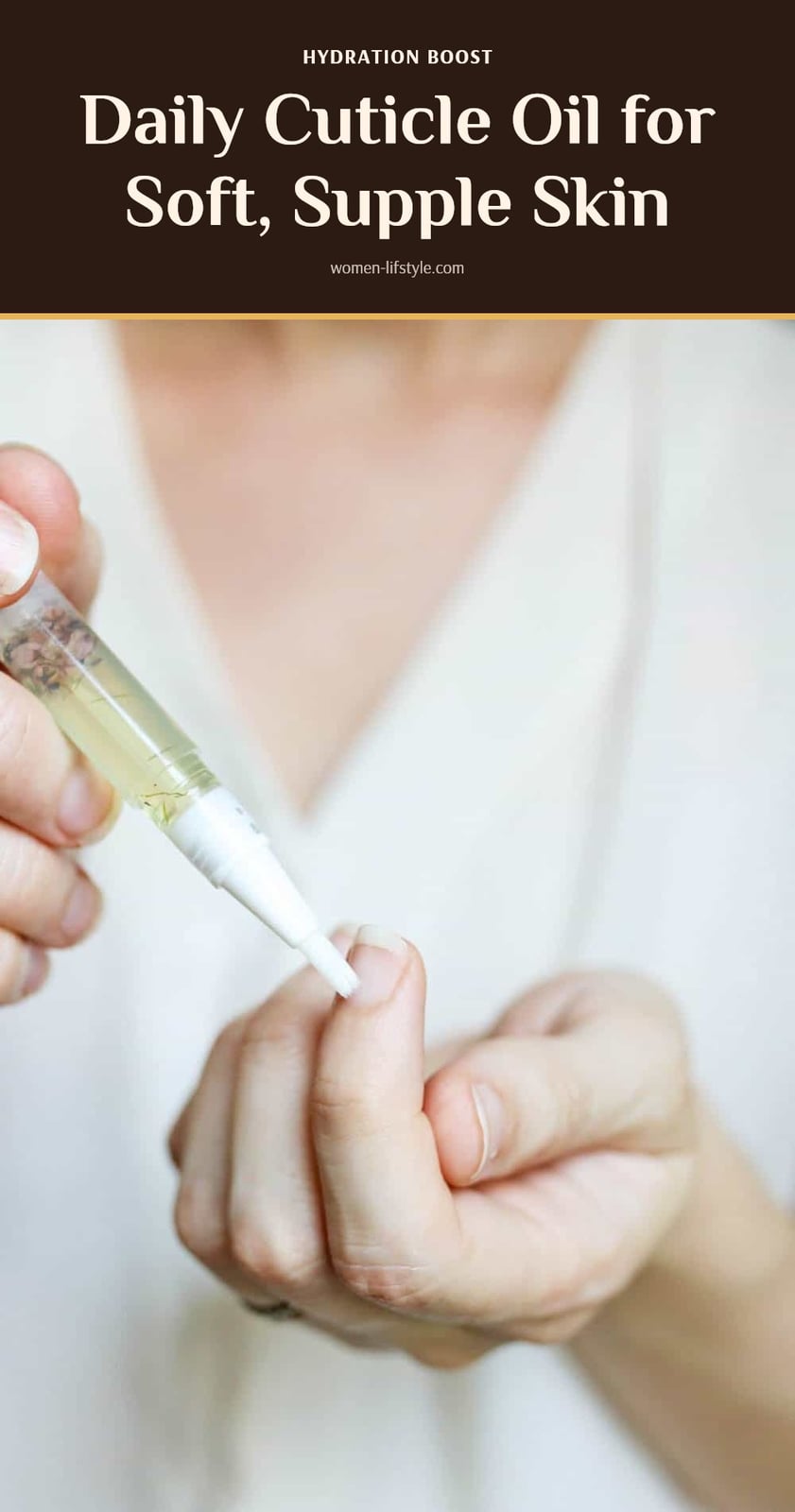
Dry, cracked cuticles are more likely to tear or develop hangnails. Regular moisturizing keeps them soft and pliable. Use a dedicated cuticle oil or a rich hand cream every day, especially before bed. My tip: Keep a cuticle oil pen on your desk or nightstand so you never forget to apply it consistently.
2. Soften Before Pushing Back
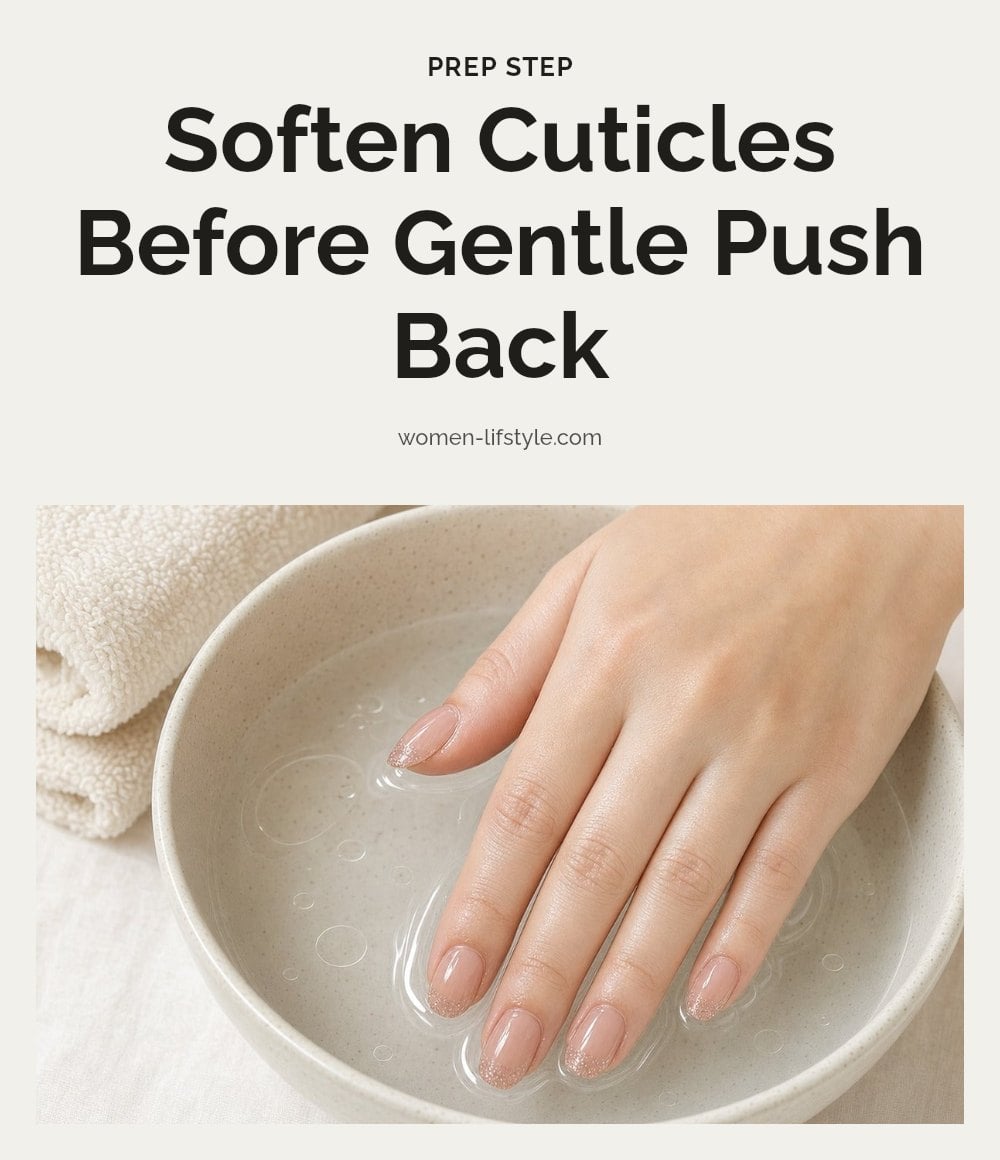
Never push back dry cuticles, that’s how tears and damage happen. Always soften them first. Soak your nails in warm water for a few minutes, or simply do this step right after a shower. The warmth makes the cuticles more pliable and less likely to tear when you work with them.
3. Gently Push Back, Don’t Cut
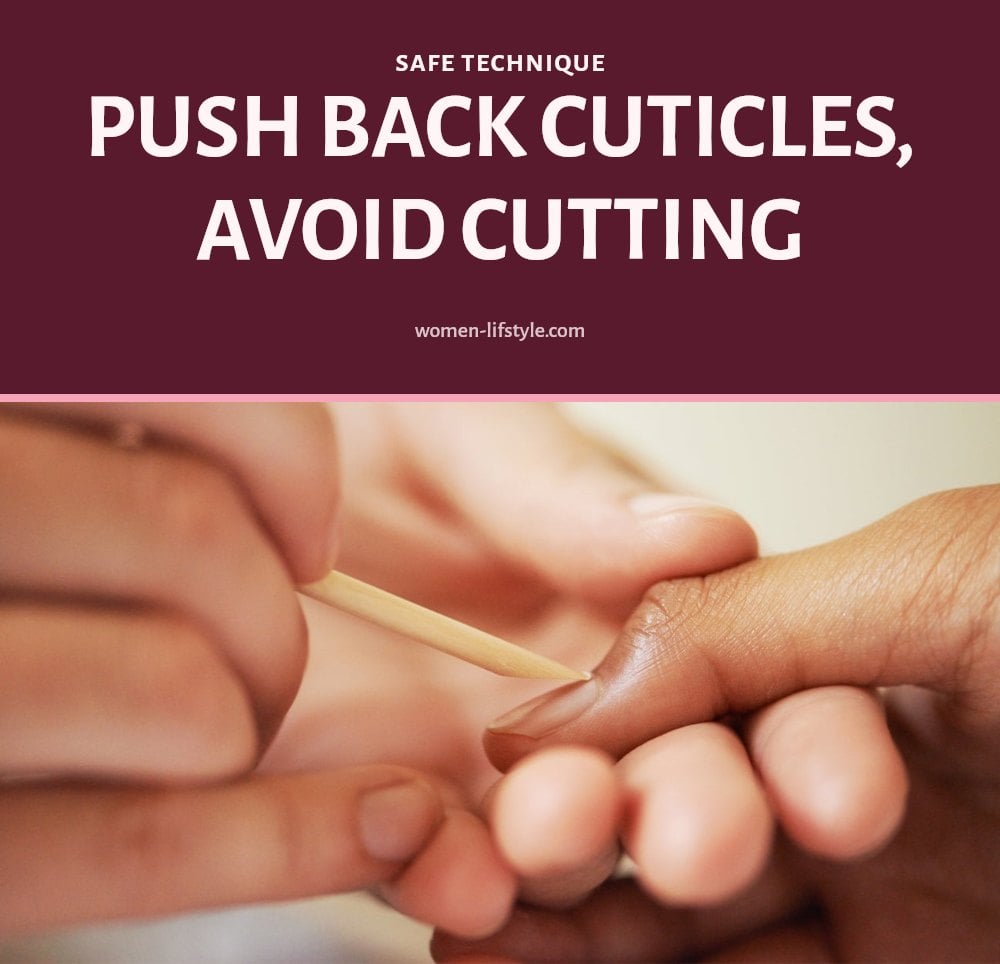
Reach for an orange wood stick or a rubber cuticle pusher, not a metal tool. Metal can be too aggressive and injure the nail matrix underneath. Gently guide the cuticles back, never force them. Cutting your cuticles breaks their protective seal, leaving you open to infection. I’ve tried them all, and gentle pushing is always the better choice.
4. Use a Cuticle Remover Product
Cuticle removers are a smart alternative to cutting. They contain mild alkaline ingredients that dissolve dead skin cells, so the cuticle lifts away without any scraping.
Apply as directed: usually leave the product on for a few minutes, then gently push back with a rubber pusher or orange wood stick. This keeps your nail bed neat and protects the seal that guards against infection.
5. Protect Hands with Gloves
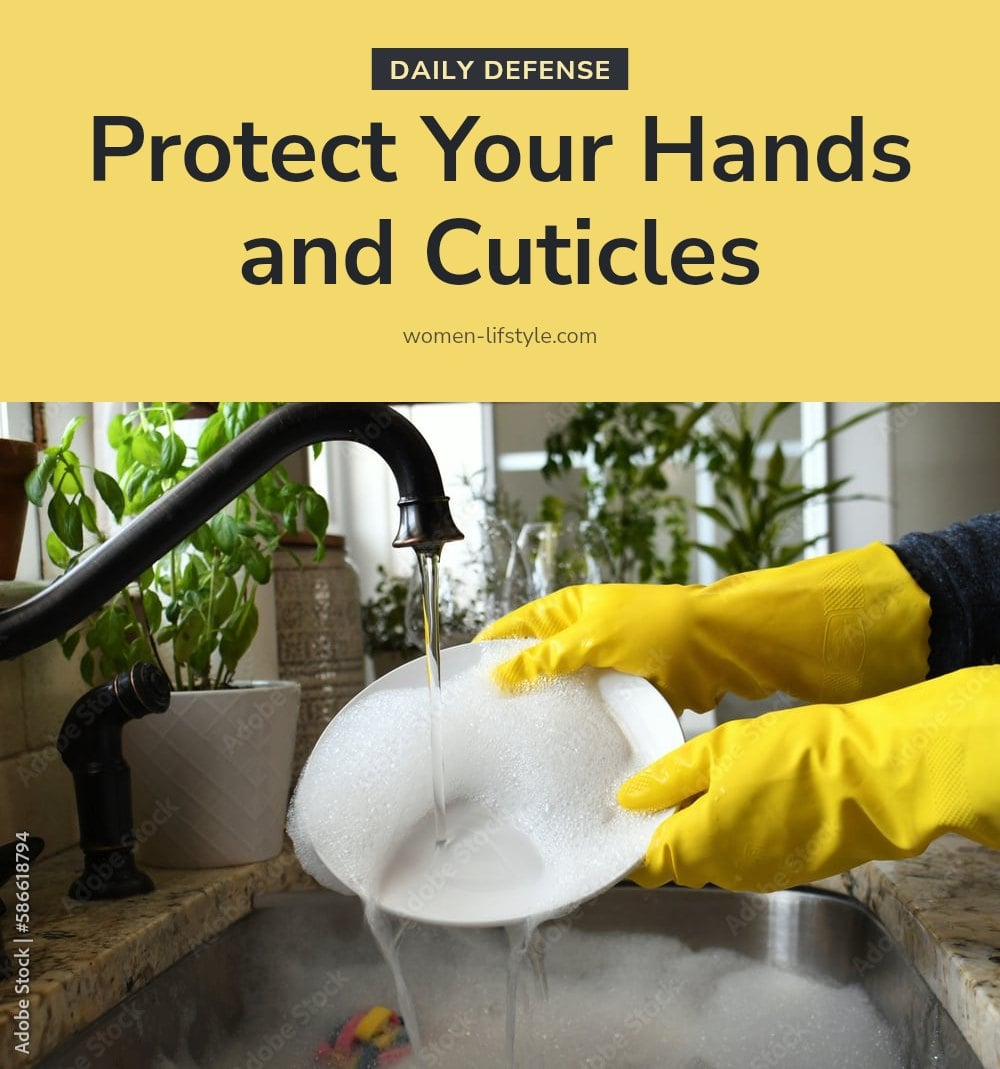
Water and cleaning products strip natural oils from your skin, leaving cuticles dry and brittle. Slip on gloves for dishes, chemical cleaning, and gardening.
This simple habit prevents moisture loss and reduces the chance of tears and hangnails. Keep a spare pair under the sink so you never skip it.
6. Trim Hangnails Carefully

Hangnails are torn pieces of skin near the nail, not part of the cuticle itself. They hurt because they pull at live tissue, and biting or yanking makes the tear worse and invites bacteria.
Trim them properly: use clean, sharp nail clippers to snip the hangnail off at the base, right where it meets healthy skin. Then apply cuticle oil to soften the area and prevent new tears.
7. Avoid Picking and Biting
Biting your nails or picking at cuticles introduces bacteria and causes real trauma to the nail area. These habits tear the protective seal and can lead to painful infections.
My tip: if you struggle with this, keep your nails neatly manicured so there’s less to pick at, or apply a bitter-tasting polish to deter biting. The taste reminder works faster than you’d think.
8. Keep Nails and Cuticles Clean
Good hygiene is your first defense against cuticle infections. When you wash your hands, gently scrub your nails and cuticles with soap and water to remove dirt and bacteria.
Keep your cuticle care tools clean too. Sanitize your orange wood stick, pusher, and clippers before each use, and replace them if they show signs of wear. This prevents introducing germs to the nail area.
9. Be Gentle with Nail Polish Removal
Acetone-based removers are the biggest cuticle offenders in your nail routine. They strip natural oils along with the polish, leaving the skin around your nails dry and prone to cracking.
Switch to an acetone-free remover, which is gentler on both nails and cuticles. If you must use the strong stuff, apply cuticle oil before and after removal to create a buffer. Soak a cotton pad, press it on the nail for a few seconds, then swipe in one direction instead of scrubbing back and forth.
10. Stay Hydrated Internally
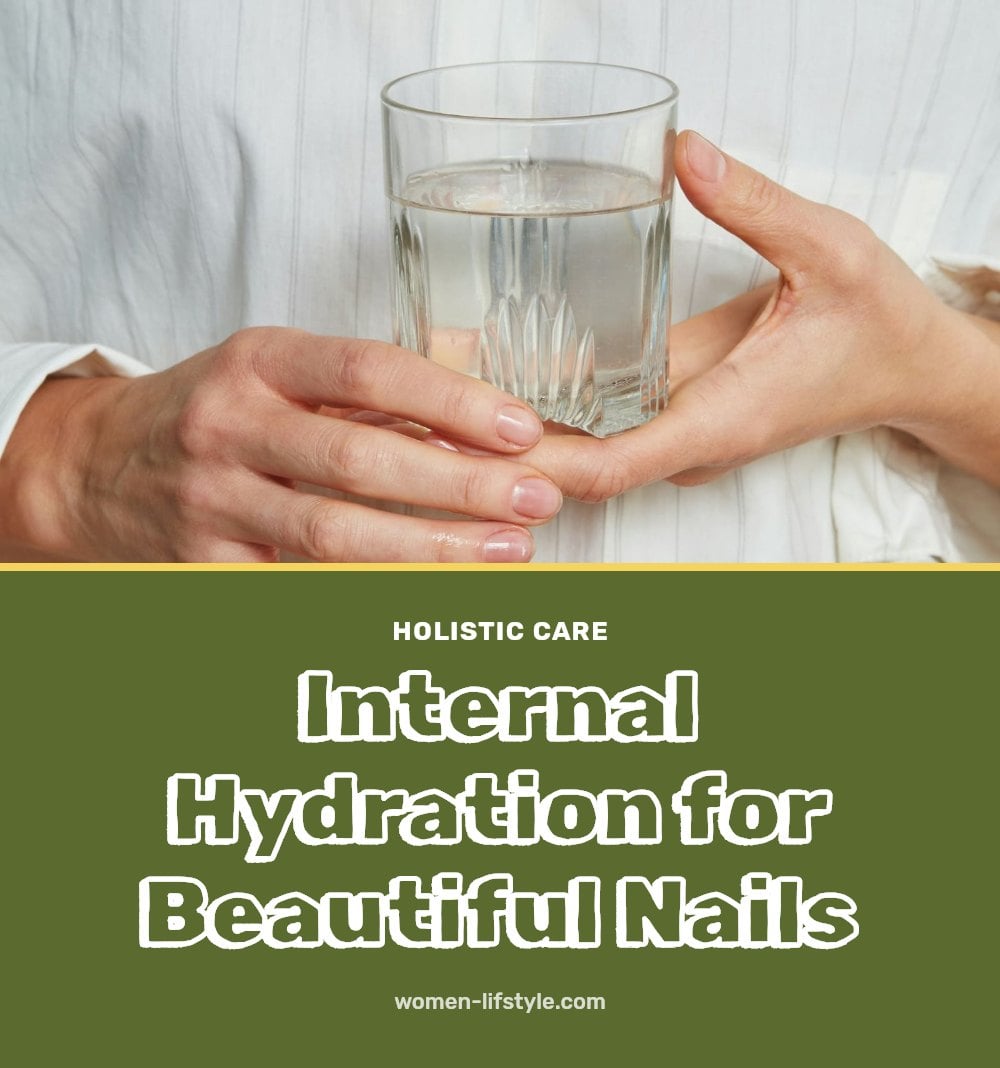
Your cuticles are part of your skin, so they reflect how hydrated your body is overall. When you’re dehydrated, your skin, including the cuticle area, can become dry and more prone to cracking.
Drinking enough water throughout the day supports skin health from the inside out. My tip: keep a water bottle nearby and sip regularly; it’s a simple habit that pays off in softer, more pliable cuticles that are less likely to tear.
11. Avoid Overly Aggressive Manicures
A professional manicure can leave your nails looking polished, but not all technicians treat cuticles the same way. Some aggressively cut or trim them, which breaks the protective seal and can damage the nail matrix, leading to ridges or uneven nail growth.
Before your appointment, tell your technician you prefer gentle pushing back and moisturizing over cutting. You can say something like, “Please just soften and push my cuticles, don’t trim them.” A good nail professional will respect that preference.
If you feel any pain or see them reaching for metal tools with pressure, speak up right away. Your nail health matters more than a perfect manicure.
When to Seek Professional Help
If you notice persistent redness, swelling, pain, or pus around your cuticles, stop all home care immediately. These signs can point to a bacterial or fungal infection called paronychia, which will not resolve on its own with moisturizing or pushing back.
See a doctor or dermatologist for a proper diagnosis. Early treatment prevents the infection from spreading deeper into the nail area or causing long-term damage to the nail matrix.
Frequently Asked Questions
What is the difference between cuticles and eponychium?
The cuticle is the thin layer of dead skin cells that sits on the nail plate, forming a protective seal. The eponychium is the live skin directly above the cuticle, often mistaken for it. When you push back your cuticles, you’re working with the dead skin layer, not the live eponychium, which should be left alone to avoid injury.
How often should I push back my cuticles?
Pushing back your cuticles is best done once a week or every two weeks, after softening them with warm water or a shower. Doing it too often can irritate the area and damage the nail matrix. Daily care focuses on moisturizing, not pushing.
Can I use regular lotion on my cuticles?
Yes, regular hand lotion or cream can help moisturize your cuticles, especially if applied consistently. However, dedicated cuticle oil is more effective because it penetrates the dead skin layer better and often contains ingredients that lock in moisture longer. For best results, use a cuticle oil daily and supplement with lotion throughout the day.
What causes hangnails?
Hangnails are caused by dry, cracked cuticles that tear at the edge of the nail. Common triggers include frequent hand washing, exposure to harsh chemicals, cold weather, and picking or biting at the skin. Keeping your cuticles moisturized is the best way to prevent them.
Is it bad to bite your cuticles?
Yes, biting your cuticles is harmful. It introduces bacteria from your mouth into the nail area, which can lead to infections like paronychia. Biting also tears the protective seal of the cuticle and can damage the nail matrix, causing ridges or uneven growth. Breaking the habit is crucial for nail health.
Final Thoughts
The key to healthy cuticles is consistency and gentleness. Make daily moisturizing a non-negotiable habit, and reserve pushing for once a week or every other week after softening. If you stick with these simple steps, your cuticles will stay supple and your nails will look naturally polished. Remember, your cuticles are there to protect you, so treat them kindly.
This article is for general informational purposes only and does not constitute medical or professional advice. If you have persistent redness, swelling, pain, or signs of infection around your cuticles, consult a doctor or dermatologist for proper diagnosis and treatment.
