

You probably know the feeling: you pull a towel out of the dryer expecting that cloud-like softness, but it comes out stiff and scratchy instead. The culprit isn’t your towel’s age. It’s the buildup from fabric softener, detergent, and hard water minerals that gets trapped in the fibers over time. This article walks you through a simple, two-step method using white vinegar and baking soda to strip away that residue and restore your towels’ natural fluffiness, plus tips to keep them soft for good.
Key Takeaways
- Wash stiff towels in hot water with 1 cup of white vinegar and no detergent to strip away buildup.
- For extremely stiff towels, follow the vinegar wash with a second hot wash using 1/2 cup of baking soda.
- Cut your usual laundry detergent amount by about half to prevent residue that makes towels crunchy.
- Remove towels from the dryer while slightly damp, then air dry or shake them to keep loops fluffy.
- Avoid fabric softener and dryer sheets entirely. They coat fibers and reduce absorbency over time.
The Secret to Making Your Towels Fluffy Again
The fastest way to restore towel softness is to strip away the residue that fabric softener, detergent, and hard water minerals leave behind. A hot wash with white distilled vinegar breaks down that buildup, and for extremely stiff towels, a second wash with baking soda helps even more. Proper drying, air drying or low heat, keeps the fibers fluffy once they are clean.
Why Your Towels Lose Their Softness
Hard Water Minerals
Calcium and magnesium from hard water settle inside towel fibers, making them feel stiff and scratchy over time. This buildup is one of the most common causes of lost softness.
Detergent Residue
Using too much laundry detergent leaves a layer that dries stiff inside the fibers. Even a small excess can make towels feel crunchy.
Fabric Softener
Fabric softener coats each fiber with a waxy film. That film reduces absorbency and actually makes towels feel less soft after repeated use.
Overloading the Machine
When the washer is too full, water and detergent cannot circulate properly. Residue stays trapped, and towels come out stiff.
High Heat Drying
Hot air can scorch cotton fibers, leaving them brittle and rough. Low heat or air drying prevents this damage.
Gather Your Towel Softening Essentials
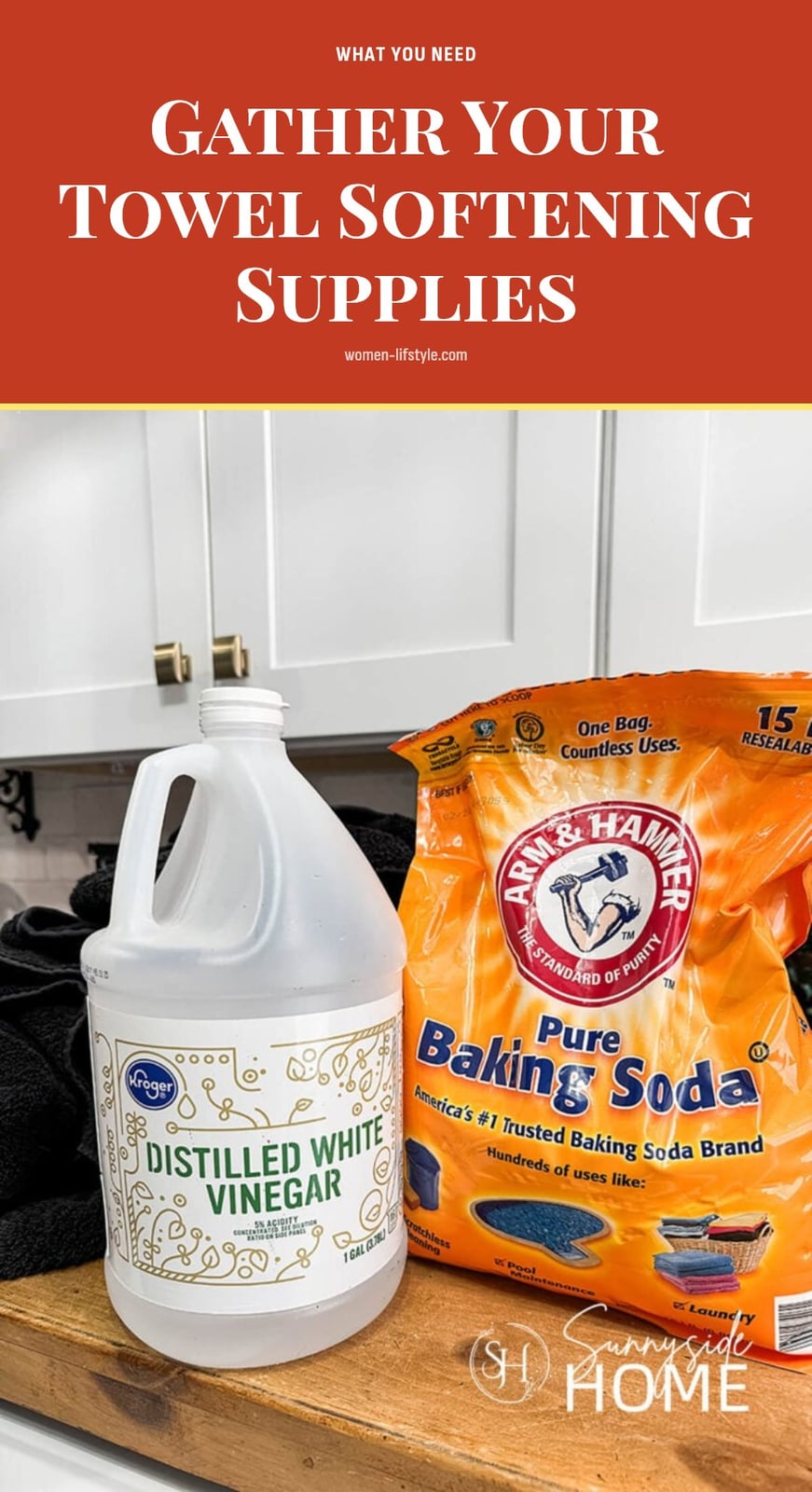
You do not need fancy products to fix stiff towels. Here is what you will use:
- White distilled vinegar: strips away mineral and detergent residue.
- Baking soda: neutralizes odors and helps loosen fibers.
- Laundry detergent: use it sparingly, about half your usual amount.
- Washing machine: make sure it is not overloaded so towels can tumble freely.
- Clothes dryer or drying rack: low heat or air drying keeps fibers soft.
- Dryer balls (optional): they fluff towels and cut drying time.
Step-by-Step: The Japanese Method for Soft Towels

- Wash with vinegar only: Run your stiff towels through a hot cycle with about 1 cup of white vinegar and no detergent. This strips away waxy buildup and residue.
- Baking soda wash for very stiff towels: If towels are still stiff, run a second hot wash with about 1/2 cup of baking soda. Do not combine vinegar and baking soda in the same load.
- Cut detergent in half: For regular washes after the treatment, use about half your usual amount of laundry detergent. Excess detergent dries stiff inside the fibers.
- Remove towels slightly damp: Avoid overdrying. Take towels out of the dryer while they are still a little damp, then air dry them on a rack or line. This lets the cotton loops stand up for a fluffy feel.
- Air dry outside when possible: Hanging towels on an outdoor line or rack gives them natural freshness. The loops dry open and upright, which keeps them soft.
- Do not overload the washer: Give towels room to tumble. Crowded loads do not rinse thoroughly, so residue stays behind.
If you learn better by watching, this 12-minute video from The Naoshi Method shows every step. The how-to part starts at 2:57.
Common Mistakes That Make Towels Stiff
Using too much laundry detergent is a common mistake. Excess detergent doesn’t rinse out completely, leaving a stiff residue inside the fibers. Use less than you think you need, about half the recommended amount for a normal load.
Fabric softener and dryer sheets coat cotton loops with a waxy film. This reduces absorbency and makes towels feel less soft over time. Avoid them completely on towels.
Overdrying in a hot dryer scorches cotton fibers, creating a brittle, rough texture. Always dry on low heat or air dry. Overloading the washing machine prevents proper rinsing, so wash towels in smaller loads.
If you have hard water, mineral buildup will keep returning unless you address it. Regular vinegar washes are the simplest fix.
Expert Tips for Long-Lasting Towel Softness
Wash towels separately from clothes and other linens. This prevents lint transfer and gives towels enough room for a thorough rinse.
Shake each towel vigorously before putting it in the dryer. This opens up the loops so they dry evenly and stay fluffy.
Tip: Add 1 cup of white vinegar to the rinse cycle every few washes. This prevents new buildup without coating the fibers.
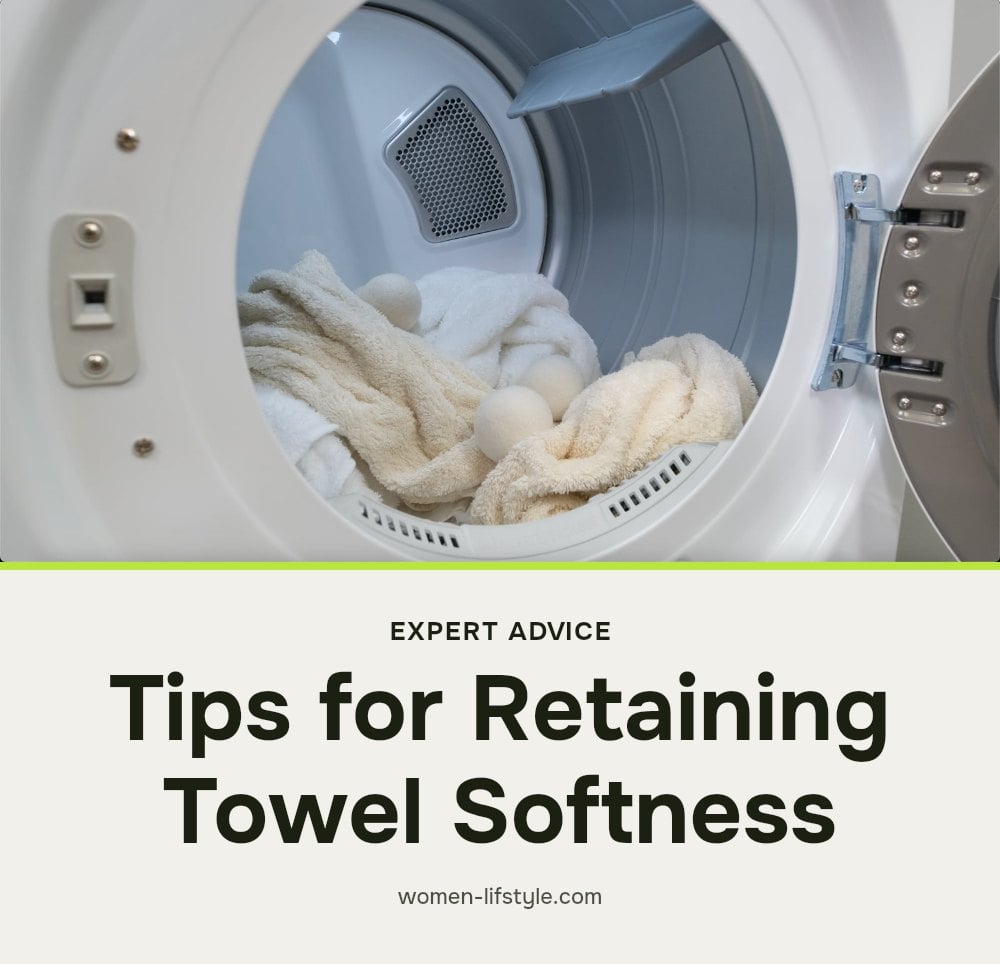
Wool dryer balls help fluff towels, cut drying time, and reduce static without chemicals. Store towels only when completely dry, in a well-ventilated area, to avoid musty smells.
Soft Towels: How Long It Takes and What It Costs
You will notice a clear improvement after one or two treatment cycles. Consistent proper washing habits keep towels soft long term.
The cost is minimal. White distilled vinegar and baking soda cost only a few dollars for multiple treatments. No special products are needed.
Use the vinegar-and-baking-soda treatment as needed for stiff towels. Between treatments, a maintenance vinegar rinse every few washes prevents new buildup.
Frequently Asked Questions
Can I use apple cider vinegar instead of white vinegar?
White distilled vinegar is recommended because it is clear and won’t stain your towels. Apple cider vinegar may leave a slight tint on lighter fabrics and has a stronger smell that can linger. Stick with white vinegar for the best results.
How often should I use the vinegar and baking soda treatment?
Use the full vinegar-and-baking-soda treatment only when your towels feel stiff or have a musty smell, maybe once every month or two. For ongoing maintenance, add 1 cup of white vinegar to the rinse cycle every few washes to keep buildup from returning.
Will this method work for old towels that are genuinely worn out?
If the cotton loops are physically frayed or gone, no amount of washing will bring back the plush texture. This method is designed to remove residue, not rebuild worn fibers. For towels that are still intact but stiff, you should see a clear improvement after one or two treatments.
Why do my towels still smell musty after washing?
Musty odors are usually caused by bacteria and mildew trapped in fabric softener or detergent residue. A hot wash with white vinegar breaks down that buildup and kills odor-causing bacteria. Make sure to dry towels completely after washing, as dampness encourages mildew growth.
Is it safe to wash towels in hot water?
Yes, hot water is safe for most cotton towels and helps dissolve detergent and mineral buildup more effectively. Always check the care label on your towels first. Some synthetic blends or delicate weaves may require warm or cool water to prevent damage.
Final Thoughts
My tip: stick with the vinegar rinse every few washes to maintain softness without the waxy buildup. You will notice a real difference after just one or two treatment cycles, and consistent habits, like using less detergent and skipping the dryer sheets, will keep your towels feeling like new. With minimal cost and a little patience, you can bring back that fresh, fluffy texture you thought was gone for good.
