

That sudden, itchy rash can feel like it’s taking over your whole day. You just want it to stop, and you want to stop it safely. This article covers the fastest ways to calm an itchy rash at home, the most common causes, and exactly when you need to see a doctor.
I have put together the practical steps that work, from cool compresses to identifying triggers, so you can get relief without making things worse.
Key Takeaways
- Apply a cool compress for 10-15 minutes several times a day for immediate relief.
- Use 1% hydrocortisone cream on mild rashes, but avoid open wounds or broken skin.
- Keep nails trimmed short to minimize damage if you scratch.
- Identify and avoid triggers like soaps, fabrics, or metals that cause contact dermatitis.
- See a doctor if the rash spreads, blisters, or is accompanied by fever or breathing trouble.
Immediate Relief for Itchy Rashes
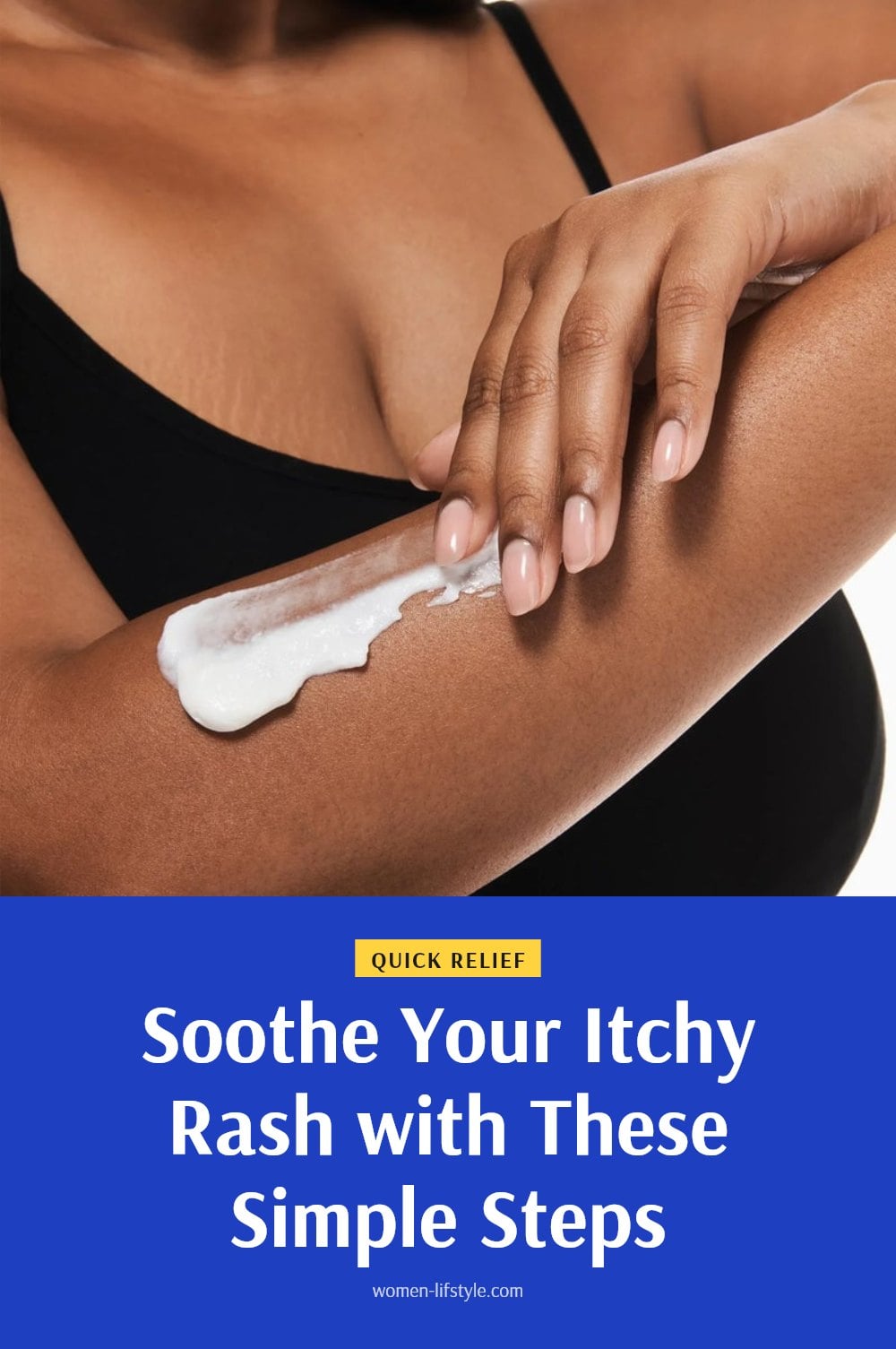
The fastest way to calm an itchy rash is with a cool compress or a colloidal oatmeal bath. Both soothe inflammation and provide immediate comfort. Over-the-counter 1% hydrocortisone cream can reduce redness and itching, while a gentle, fragrance-free moisturizer helps protect your skin barrier. Identifying and avoiding your triggers is just as crucial for preventing further irritation.
Understanding Common Causes of Rashes
Contact Dermatitis
This happens when your skin touches an irritant or allergen directly. Common culprits include certain metals (like nickel in jewelry), soaps, or plants like poison ivy.
Eczema (Atopic Dermatitis)
A chronic condition that causes dry, itchy patches. It is often linked to genetics and environmental factors, and it can flare up without a direct trigger.
Heat Rash (Miliaria)
Occurs when sweat ducts become blocked, trapping sweat under the skin. You will see it most often in warm, humid conditions, especially where skin rubs together.
Your At-Home Rash Relief Kit
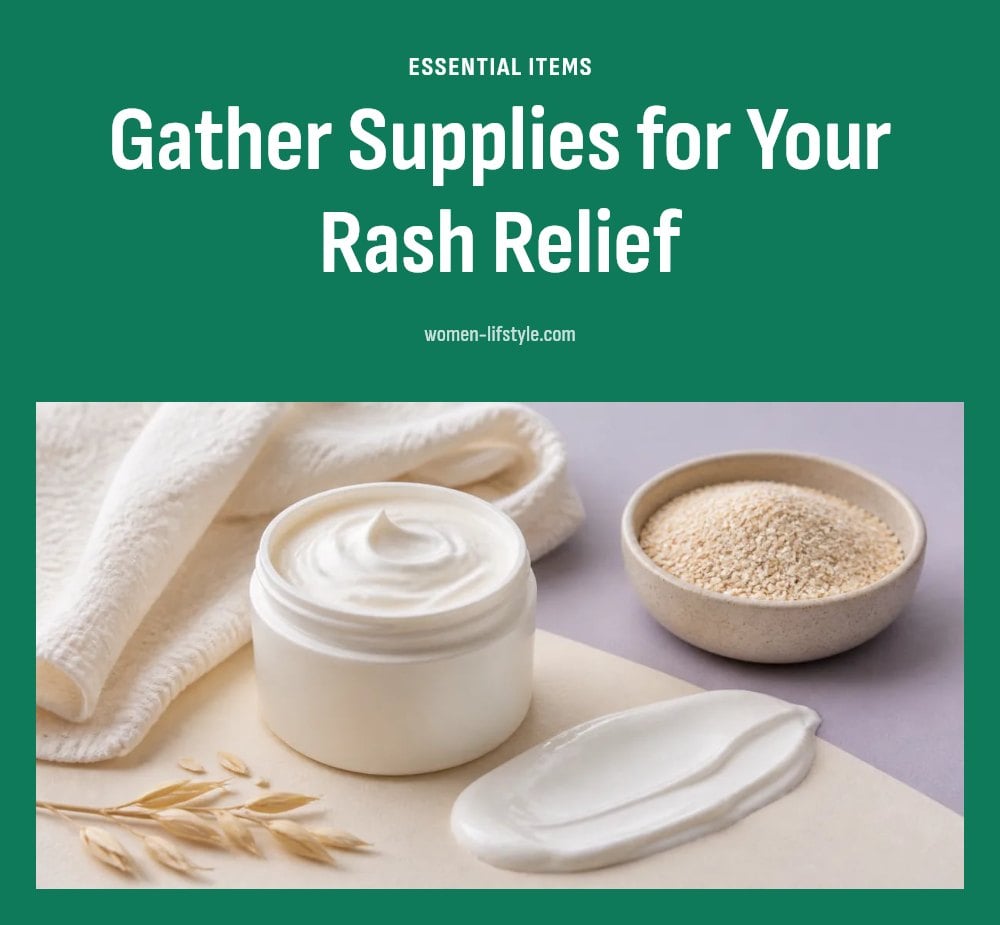
Having the right items on hand makes treating a rash much faster. Here is what I keep in my home kit for when skin acts up.
- Colloidal oatmeal: Pour it into a lukewarm bath to calm inflamed skin. The anti-inflammatory properties help stop the itch without drying you out.
- Hydrocortisone cream (1%): This over-the-counter cream reduces redness and itching for mild rashes. My tip: apply a thin layer only, more is not better.
- Fragrance-free moisturizer: Slather it on right after bathing to lock in hydration and support your skin barrier. Skip anything with scent or alcohol.
- Soft cotton clothing: Wear loose cotton shirts and pants to let your skin breathe and avoid friction that worsens irritation.
- Oral antihistamines: If your rash is from an allergic reaction, an oral antihistamine can ease the itching from the inside out. Caution: Check with your doctor or pharmacist before taking one to make sure it is right for you.
Effective Home Remedies to Soothe Itching and Irritation
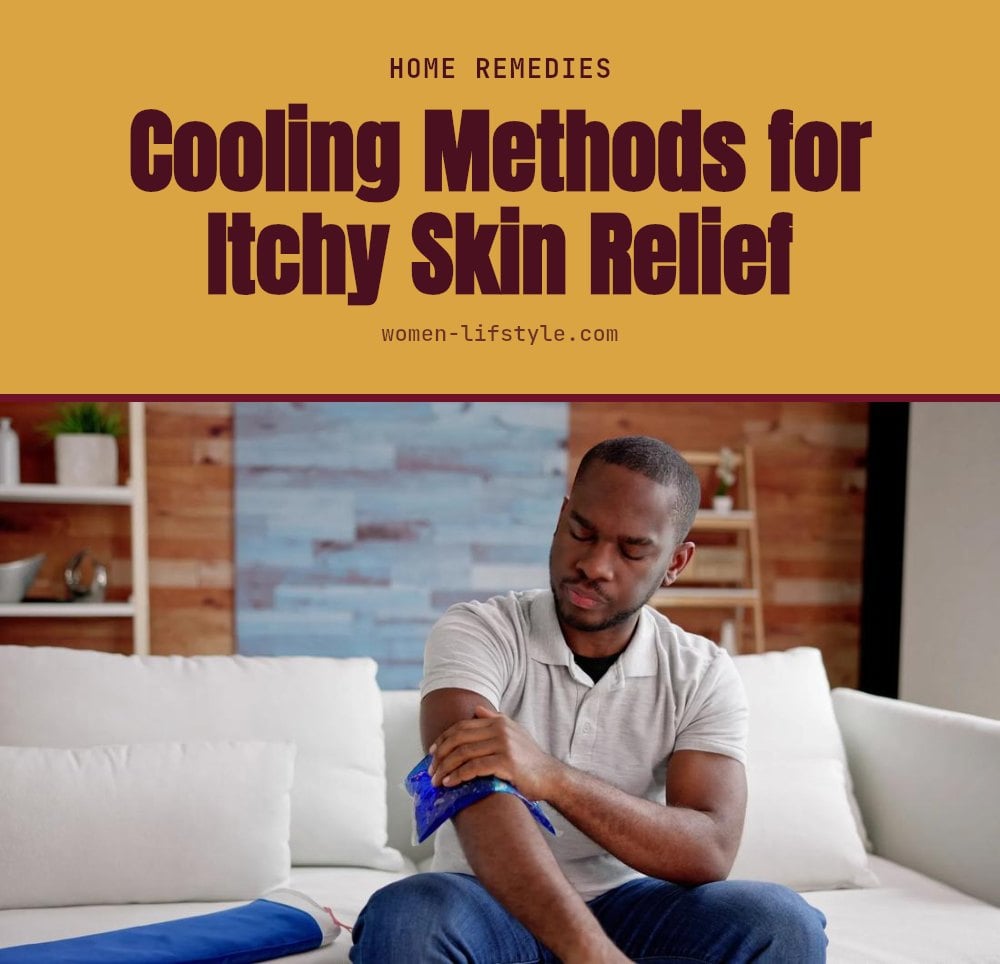
Cool compresses are one of the fastest ways to calm a hot, angry rash. Simply wet a clean cloth with cool tap water, wring it out, and press it gently against the affected area. Leave it on for 10 to 15 minutes, and repeat several times a day as needed. This helps reduce the burning sensation and brings down inflammation without any chemicals.
Oatmeal baths are another go-to for widespread itching. Colloidal oatmeal is finely ground so it disperses in water and coats the skin with protective, anti-inflammatory compounds. Run a lukewarm bath and sprinkle the oatmeal under the faucet as it fills. Soak for 10 to 15 minutes, then pat dry, don’t rub. Tip: If you don’t have colloidal oatmeal, you can grind plain, unflavored oats in a blender until they become a fine powder.
Gentle moisturizing is critical after any washing or soaking. The skin barrier is already compromised, so water alone can actually dry it out further. Apply a thick, fragrance-free moisturizer within three minutes of stepping out of the bath or shower. This locks in the water your skin just absorbed and helps repair the barrier. Avoid any lotions with scent, alcohol, or exfoliating acids.
For rashes tied to an allergic reaction, like a sudden outbreak after touching a new detergent or eating a certain food, an oral antihistamine can stop the itching systemically. Drugs like cetirizine or loratadine are non-drowsy options that work within an hour. Caution: Always check with a pharmacist or doctor before taking an antihistamine for a skin rash, especially if you have other medical conditions or take other medications.
Common Mistakes When Treating a Rash at Home
Scratching the rash: This is the hardest one to stop, but it makes everything worse. Scratching breaks the skin, introduces bacteria, and can turn a mild irritation into an infection. Keep your nails trimmed short so you do less damage if you give in to the urge.
Using harsh products: Perfumed lotions, strong soaps, and anything with alcohol will strip your skin’s protective barrier and make the rash angrier. Stick to gentle, fragrance-free options until the skin calms down.
Ignoring triggers: If you do not remove the source of contact dermatitis, like a new detergent or a piece of jewelry, the rash will keep coming back. Identify the culprit and cut it out of your routine.
Over-applying creams: Piling on too much hydrocortisone or layering several different remedies at once can backfire. More is not faster, and it may cause extra irritation or an adverse reaction. Use a thin layer and wait.
Preventing Future Rash Flare-Ups
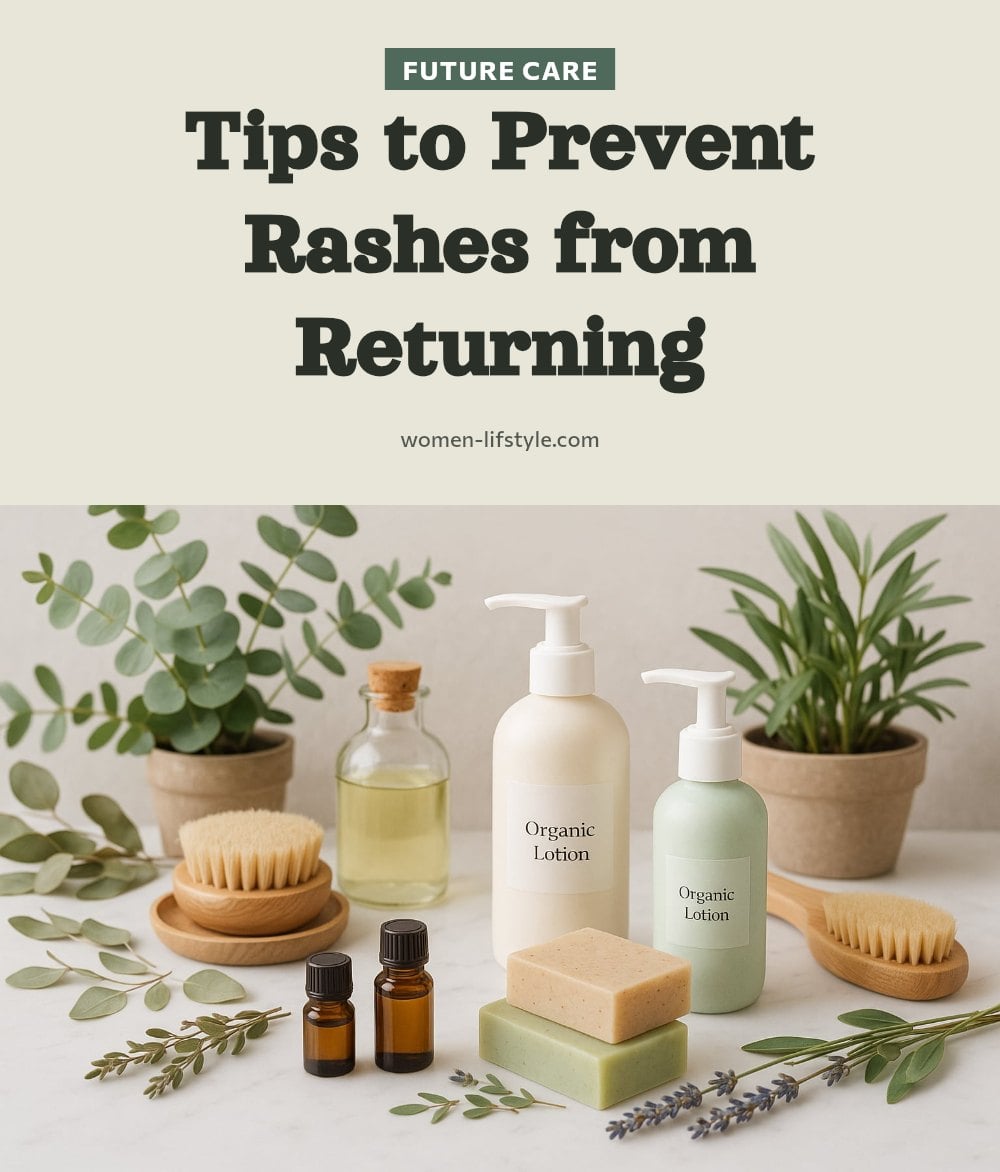
Identify and avoid triggers: Keep a simple diary for a week. Note what you touched, wore, or applied before each rash. Once you spot a pattern, a specific soap, a fabric softener, a metal clasp, you can consciously avoid it.
Wear breathable clothing: Loose-fitting clothes made from natural fibers like cotton let your skin breathe and prevent sweat from getting trapped. Tight synthetic fabrics can rub and irritate already sensitive areas.
Moisturize regularly: Dry skin is more prone to itching and irritation. Apply a fragrance-free moisturizer every day, especially right after a shower when your skin is still damp, to lock in hydration and strengthen your skin barrier.
Use gentle products: Switch all your daily products, soap, laundry detergent, body lotion, to mild, fragrance-free versions. This minimizes your exposure to potential irritants and keeps your skin calm over the long term.
When to Consult a Doctor or Dermatologist
Seek immediate medical attention if the rash comes with fever, trouble breathing, or swelling of the face or throat. Also get help right away if you see signs of infection like pus, increasing pain, or warmth in the area.
Consult a doctor if the rash does not improve after a few days of home care, or if it spreads quickly, blisters, or feels intensely painful. A persistent or worsening rash needs a professional opinion.
Get professional advice for any rash that covers a large portion of your body or affects sensitive areas like your eyes or genitals. These situations are harder to treat safely on your own.
Frequently Asked Questions
Can stress cause rashes?
Yes, stress can trigger or worsen some types of rashes, particularly eczema and psoriasis. Stress affects your immune system and may lead to inflammation or flare-ups. Managing stress through relaxation techniques can help reduce the frequency of these rashes.
Are all rashes contagious?
No, most rashes are not contagious. However, some rashes caused by fungal infections (like ringworm) or certain viruses (like chickenpox) can spread to others. If you are unsure about the cause, keep the area covered and avoid sharing towels or clothing until you know more.
What is the best soap to use on sensitive, rash-prone skin?
Look for a gentle, fragrance-free, and dye-free soap labeled for sensitive skin. Avoid products with alcohol, sulfates, or strong detergents. A mild soap that is pH-balanced will clean without stripping your skin’s natural moisture barrier.
Can diet affect skin rashes?
For some people, certain foods can trigger or worsen rashes, especially if they have food allergies or sensitivities. Common culprits include dairy, eggs, nuts, and gluten. If you notice a pattern, try keeping a food diary and discuss it with a doctor or dietitian.
What causes an itchy rash?
Itchy rashes have many causes, including contact with irritants or allergens (contact dermatitis), chronic conditions like eczema, heat and sweat (heat rash), or infections. Identifying the specific trigger is key to effective treatment and prevention.
Final Thoughts
For a mild, uncomplicated rash, cool compresses and a fragrance-free moisturizer are your first line of defense. Expect some immediate relief from itching, but full healing can take a few days to a week with consistent care. My recommendation is to keep a simple home kit with colloidal oatmeal and 1% hydrocortisone cream, and always stop using any product that seems to worsen the rash. If it does not improve or gets worse, do not hesitate to consult a professional.
This article provides general information for educational purposes only and is not a substitute for professional medical advice. If you have a persistent, worsening, or severe rash, or if you experience symptoms like fever or difficulty breathing, consult a doctor or dermatologist promptly.
