

If you’re waking up to shallow, cone-shaped holes in your lawn, you might have an armadillo problem. These nocturnal diggers are common in the southeastern US, and while they won’t set up a permanent camp, they can cause real damage to your yard and even your foundation. The good news is that there are practical ways to make your property less appealing to them.
In this article, I’ll walk you through what actually works to deter armadillos, from cutting off their food supply to installing the right kind of fence, and I’ll share some common mistakes to avoid along the way.
Key Takeaways
- Remove grubs and insects to make your lawn less attractive to armadillos.
- Install a fence buried 12-18 inches deep and at least 24 inches high.
- Avoid unproven repellents like mothballs, cayenne, or ammonia.
- Keep pet food and fallen fruit indoors overnight to reduce attractants.
- Call a professional for persistent or severe armadillo damage.
Do Armadillo Repellents Actually Work?
If you’re hoping a spray or granules will send armadillos packing, I have to be straight with you: commercial repellents aren’t scientifically proven to work long-term. Most rely on strong scents or predator urine, but armadillos aren’t easily fooled. The strategies that actually make a difference are managing their food sources and putting up physical barriers. Focus on making your yard less appealing for foraging and shelter instead of chasing the latest scent-based product. That’s where your effort pays off.
Why Armadillos Are Attracted to Your Yard
Why Armadillos Are Attracted to Your Yard
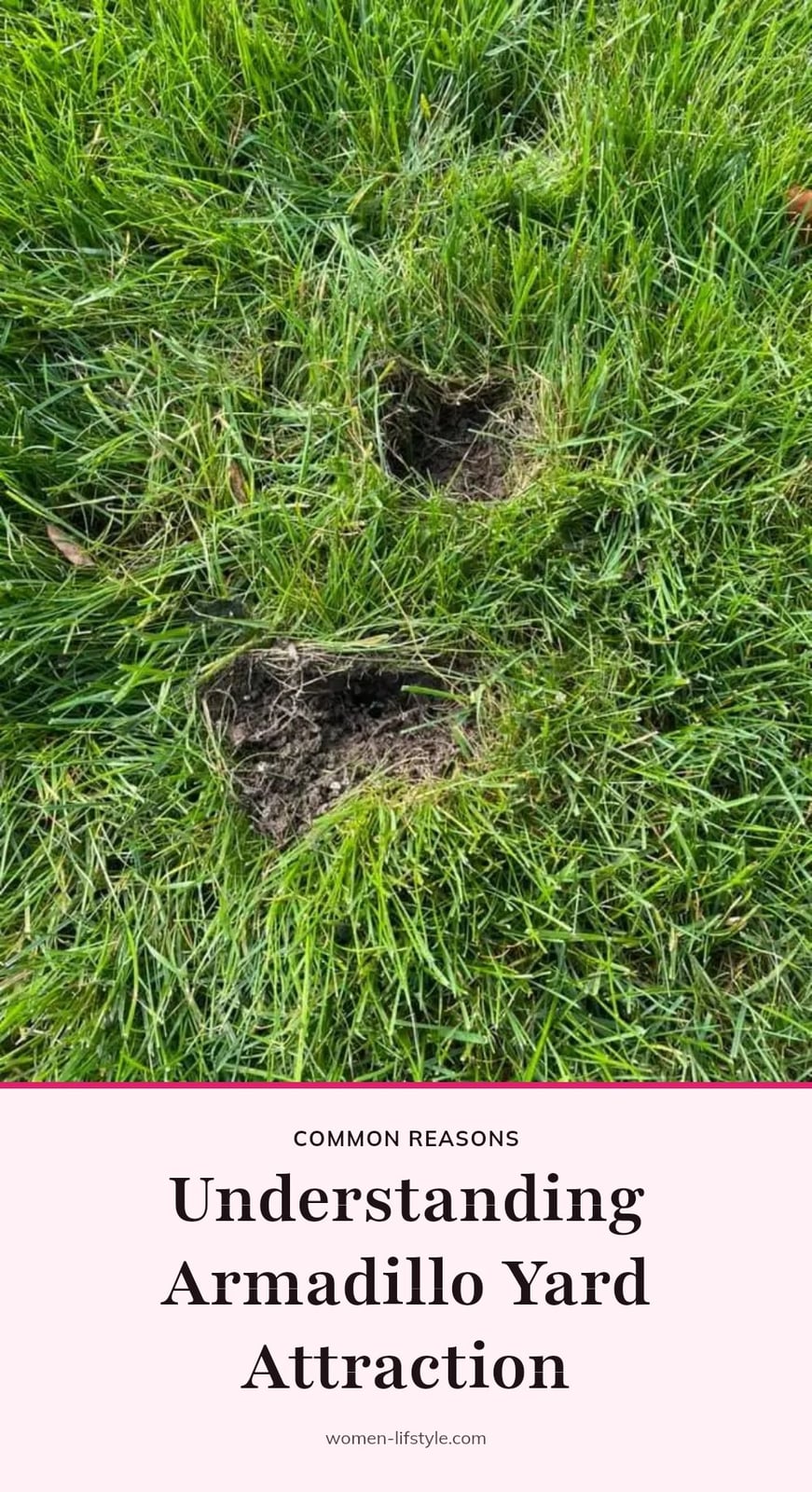
Armadillos are insectivores, so they’re drawn to yards with plenty of grubs, worms, beetles, and other soil-dwelling insects. They have an excellent sense of smell, which they use to locate food underground. That’s why you’ll see shallow, conical holes, 1 to 3 inches deep, scattered across your lawn. Since they’re nocturnal, most of this digging happens at night, which means you might not even see the culprit, just the damage in the morning.
Beyond food, armadillos seek shelter. They burrow under foundations, sidewalks, and driveways to create dens. If you have dense vegetation, brush piles, or debris, those can also serve as hiding spots. Understanding these two main attractions, food and shelter, is key to solving the problem.
Effective Strategies to Deter Armadillos
Effective Strategies to Deter Armadillos
To really keep armadillos away, you need to tackle the reasons they come. Here are the methods that work.
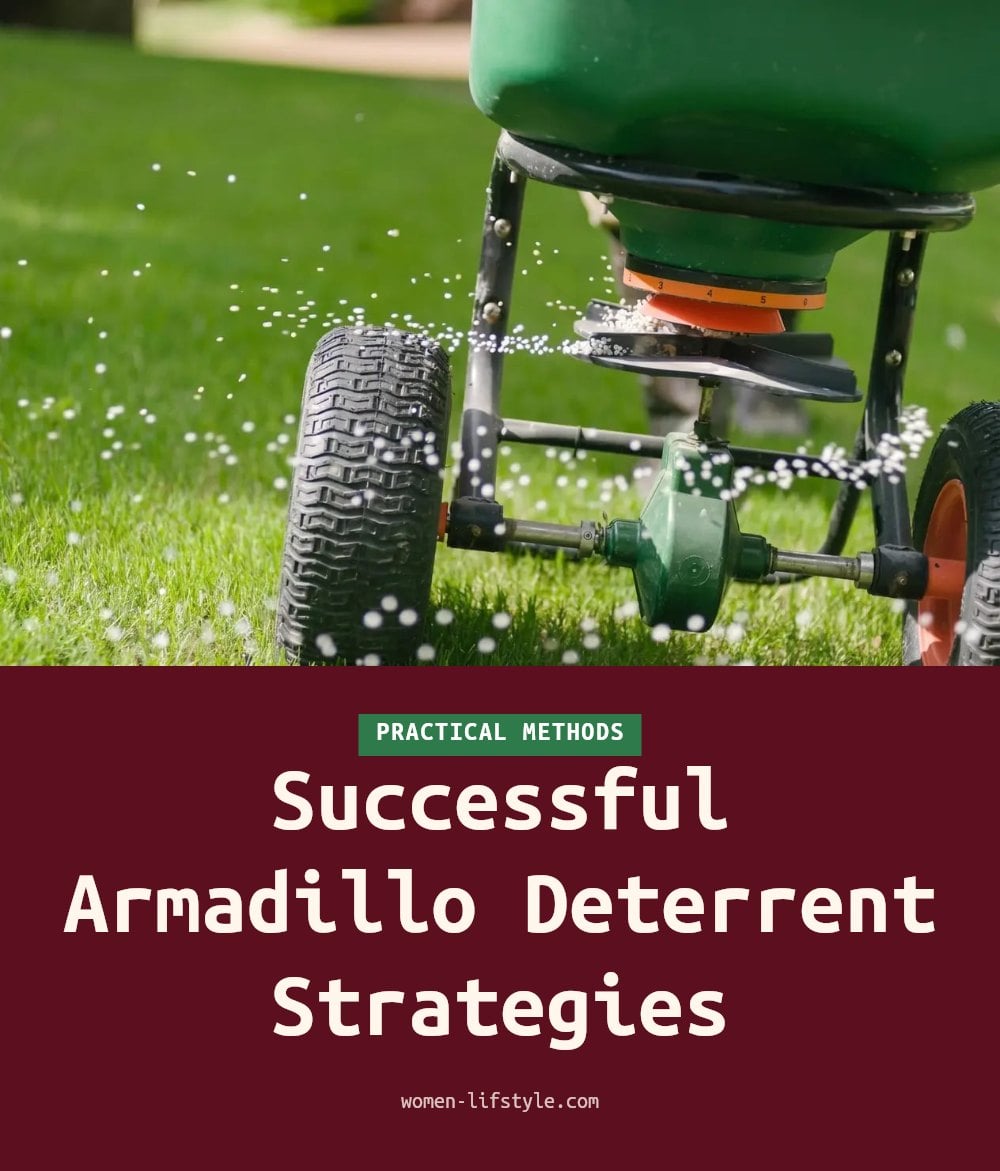
Reduce grubs and insects: Since armadillos eat grubs, worms, and beetles, cutting their food supply makes your lawn less attractive. Use grub control products like milky spore, nematodes, or insecticides, but first identify the specific pests you have. Apply according to label directions, and be patient: results can take several weeks to months.
Install a sturdy fence: A fence is the most immediate deterrent if installed correctly. Use galvanized wire mesh or hardware cloth, and bury it at least 12 to 18 inches into the ground to stop digging. The fence should extend at least 24 inches above ground, because armadillos can climb. Make sure the fence is well-maintained, with no gaps or weak spots.
Remove hiding spots: Clear away dense brush, wood piles, and debris that could serve as shelter. Keep your yard tidy, and trim vegetation close to the ground. This makes your property less inviting for both food and shelter.
Consider live trapping: If you have a persistent problem, live trapping can be effective, but only if local regulations allow it. Check with your local wildlife agency first. Use a cage trap baited with worms or insects, and check it frequently to avoid animal distress. Relocation rules vary, so follow them exactly.
Tools and Materials for Armadillo Control

Here’s what you’ll need to put those strategies into action.
- Grub control products: Milky spore, nematodes, or insecticides to reduce the insects armadillos eat.
- Fencing materials: Galvanized wire mesh or hardware cloth for a barrier that blocks entry.
- Shovel or trenching tool: To bury the fence at the right depth.
- Live traps: For humane capture, if local rules allow trapping.
- Work gloves: To protect your hands when handling soil, plants, or traps.
Having these on hand makes the job easier and safer.
Common Mistakes to Avoid When Dealing with Armadillos
One of the biggest mistakes I see is relying on unproven commercial or DIY repellents like cayenne pepper or ammonia. These methods have no scientific backing for long-term armadillo control and can harm pets or wildlife.
Another common error is underestimating an armadillo’s digging and climbing ability. A fence that doesn’t extend at least 12 to 18 inches underground or that has gaps at the bottom won’t stop them. Focusing only on scaring them away with lights or noise also fails if you haven’t addressed the grubs and insects they’re after.
Tip: Don’t use pesticides indiscriminately. Identify the specific grubs or insects in your soil first, or you may waste money and harm beneficial organisms. And never attempt to trap armadillos without checking local regulations, rules on trapping and relocation vary by state, and improper trapping can be illegal or inhumane.
Keeping Armadillos From Returning to Your Property

Once you’ve addressed the current armadillo problem, the goal is to make your yard consistently unattractive to them. Start by maintaining a healthy lawn through proper watering, mowing, and aeration. This naturally deters the grubs and insects that armadillos eat.
Regularly inspect your fence line and foundation for any damage. Repair holes or gaps immediately, as armadillos will exploit weak spots. Keep outdoor areas tidy: remove dense brush, woodpiles, and debris where they might seek shelter.
Pro move: Avoid leaving pet food or fallen fruit outside overnight. These attract not only armadillos but also other wildlife. Motion-activated outdoor lighting can startle them temporarily, but it’s not a long-term solution on its own.
When to Call a Professional Wildlife Control Service
If you’ve tried reducing food sources, installing fencing, and cleaning up your yard but armadillos keep coming back, it’s time to call a professional. Persistent or severe damage to your lawn or foundation indicates a problem that DIY methods may not solve.
You should also call a pro if armadillos are burrowing under your home’s foundation, sidewalk, or driveway, structural damage can be costly to repair. If you’re uncomfortable with trapping or handling wildlife yourself, a licensed wildlife control service can do it safely and legally. They can also advise on local regulations for removal and relocation.
Frequently Asked Questions
Are armadillos active year-round?
Armadillos are active year-round, especially in warmer climates. They don’t hibernate, but they may be less active during extreme cold or heat. In the southeastern US, you’re most likely to see their digging activity during mild weather, which is most of the year.
Can armadillos carry diseases?
Yes, armadillos can carry diseases, including leprosy (Hansen’s disease), though transmission to humans is rare. They can also carry bacteria and parasites in their waste. Always wear gloves when handling soil or plants where armadillos have been active, and avoid direct contact with the animals.
Do mothballs keep armadillos away?
No, mothballs are not an effective armadillo repellent. There’s no scientific evidence that they work, and they can be harmful to pets, children, and other wildlife. It’s best to avoid using them and instead focus on removing food sources and installing physical barriers.
How do I know if I have armadillos?
Look for shallow, conical holes 1-3 inches deep scattered across your lawn, often with disturbed soil. You may also see burrows under foundations, sidewalks, or driveways. Since they’re nocturnal, you might not see the animal itself, but the digging damage is a clear sign.
What time of day are armadillos most active?
Armadillos are nocturnal, so they’re most active at night. That’s when they do most of their digging for food. You’re unlikely to see them during the day, but you’ll notice fresh holes in the morning. This is why motion-activated lights can be a temporary deterrent.
Final Thoughts
My tip: focus on the long game. Reducing the grub population with targeted treatments and keeping your lawn healthy will make a difference over several weeks to months. For immediate results, a properly installed fence is your best bet, since it physically blocks armadillos from entering.
Set realistic expectations: no single method will work overnight, but a combination of food source reduction, fencing, and regular yard maintenance will help keep them away. If you’ve tried these steps and still see damage, it’s time to call a professional who can assess the situation and offer humane removal options.
This article is for general informational purposes only and is not a substitute for professional advice. Always check local wildlife regulations before taking action, and consult a licensed wildlife control expert or pest management professional for persistent or serious problems. If you have health concerns, contact a medical professional.
