

After a long day, your feet can feel heavy, achy, and just plain tired. A warm foot soak is one of the simplest ways to bring them back to life, and you can do it right in your own home with just a few basic ingredients. This article walks you through everything you need to know, from the right water temperature and soak time to easy recipes for different foot concerns, plus important safety tips.
Key Takeaways
- Soak your feet in warm water between 92°F and 100°F (33°C to 38°C) for 15 to 30 minutes.
- Add Epsom salts for muscle relief, baking soda for odor, or a few drops of diluted essential oil for aromatherapy.
- Thoroughly dry your feet after soaking, especially between the toes, to prevent fungal growth.
- Avoid foot soaks if you have open wounds, cuts, or severe skin infections.
- Consult a doctor before soaking if you have diabetes, poor circulation, or nerve damage.
What is a Foot Soak and How Does It Help?
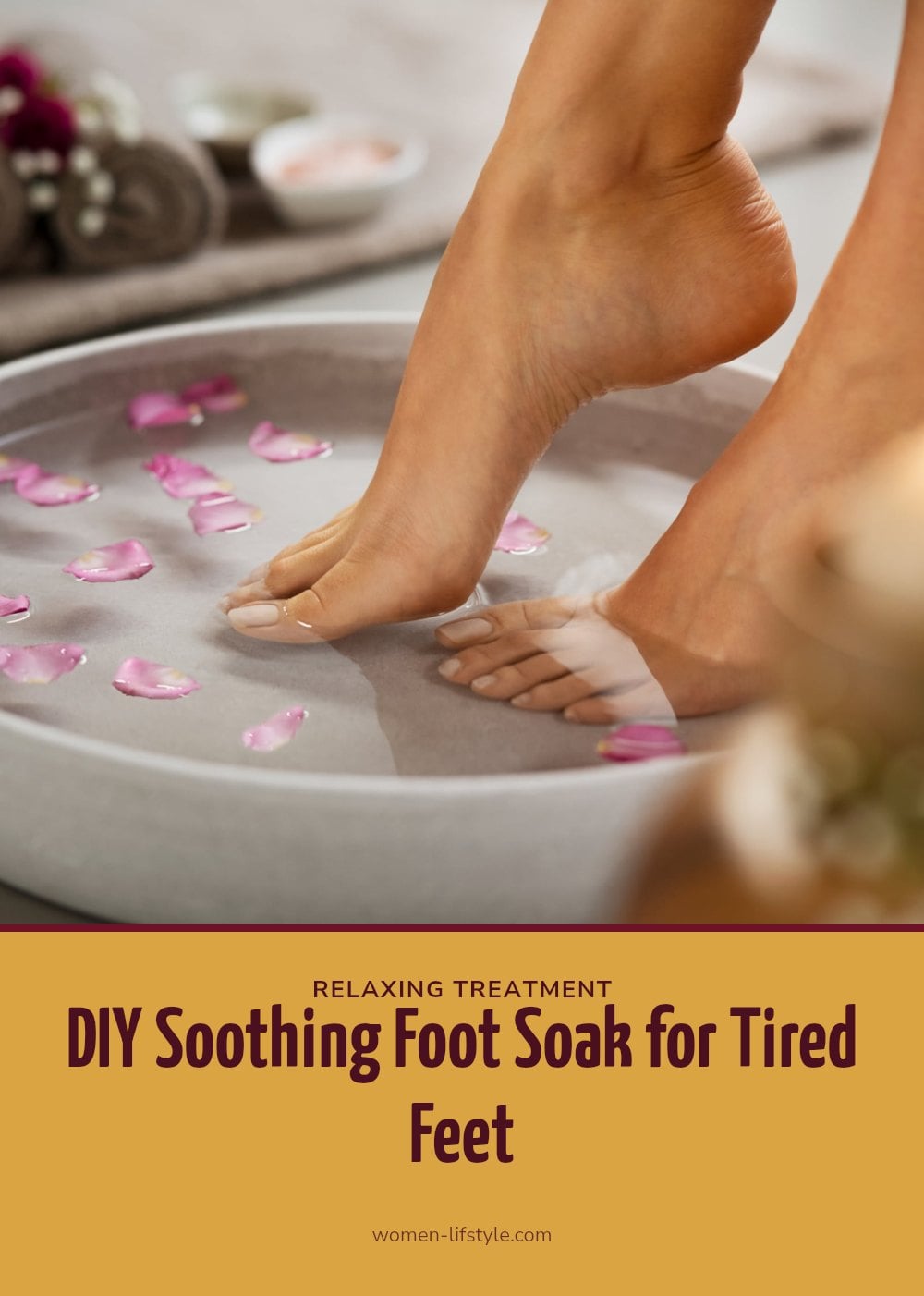
A foot soak is exactly what it sounds like: you submerge your feet in warm water, often with added Epsom salts, essential oils, or baking soda, to relax and relieve tired, sore, or swollen feet. The warm water increases blood circulation and relaxes muscles, making it a simple yet effective way to unwind after a long day or address minor foot discomforts. While it’s mainly for comfort and self-care, be mindful if you have certain health conditions, and consult a professional if you have any concerns.
Gather Your Foot Soak Essentials

Before you start, gather these essentials:
- A large basin or foot spa: Make sure it’s big enough for both feet to sit comfortably.
- Warm water: Aim for 92°F to 100°F (33°C to 38°C) for a soothing, safe soak.
- Epsom salts (magnesium sulfate): Believed to help with muscle soreness and swelling.
- Essential oils: Lavender for relaxation, peppermint for invigoration, or tea tree for its purported antiseptic properties.
- Baking soda: Helps neutralize odors and soften skin.
- Apple cider vinegar or white vinegar: Some people use it for potential odor and fungal support.
- A soft towel: For thorough drying afterward.
- A rich moisturizer: To lock in hydration post-soak.
Your Step-by-Step Guide to a Relaxing Foot Soak

Follow these steps for a relaxing foot soak at home:
- Fill your basin: Choose a clean basin or foot spa and fill it with warm water. Test the temperature with your hand or elbow; it should feel comfortably warm, not hot.
- Add your ingredients: Stir in your chosen additions, such as Epsom salts, essential oils, or baking soda. Make sure they dissolve or disperse well.
- Soak your feet: Submerge your feet and relax for 15 to 30 minutes. This duration helps you get the benefits without over-saturating your skin.
- Dry thoroughly: After soaking, pat your feet dry with a clean towel. Pay special attention to the spaces between your toes, since moisture there can encourage fungal growth.
- Moisturize: While your skin is still slightly damp, apply a generous amount of moisturizer to lock in hydration and keep your feet soft.
Popular Foot Soak Recipes for Different Needs

Different foot concerns call for different ingredients. Here are three easy recipes to try:
For tired, achy feet
- Add 1/2 cup Epsom salts and 3 to 5 drops of lavender essential oil to warm water.
- Soak for 20 minutes to help relax muscles and ease soreness.
For softening skin and odor control
- Mix 1/4 cup baking soda and 3 to 5 drops of peppermint essential oil into your water.
- The baking soda neutralizes odors, while peppermint leaves your feet feeling fresh and invigorated.
For potential fungal support
- Add 1/2 cup of apple cider vinegar or white vinegar and 5 drops of tea tree oil to warm water.
- This combination is often used to support foot hygiene, though it’s not a cure for infections.
Tip: Always dilute essential oils properly. My tip is to mix them with a carrier oil or the Epsom salts before adding to water, so they don’t irritate your skin.
Common Foot Soak Mistakes to Avoid
Using water that’s too hot or cold: Always test the temperature with your hand or elbow before submerging your feet. Ideally, it should be comfortably warm, between 92°F and 100°F (33°C to 38°C). Water that is too hot can cause burns, while cold water won’t relax your muscles.
Not drying feet thoroughly: Fungal growth loves moisture, so pat your feet completely dry after every soak. Pay special attention to the spaces between your toes, where dampness tends to linger.
Soaking for too long or too short: Aim for 15-30 minutes to get the most benefit without over-saturating your skin. Shorter soaks may not relax muscles enough, and longer ones can leave your skin wrinkled and more prone to irritation.
Ignoring existing foot conditions: If you have open wounds, severe infections, or conditions like diabetes, consult a doctor before soaking. Soaking can worsen these issues or increase the risk of complications.
Using too much essential oil: A few drops are usually enough; too much can irritate your skin. Always dilute essential oils properly, either in a carrier oil or by mixing them with Epsom salts before adding to the water.
Post-Soak Care for Happy, Hydrated Feet

Once your feet come out of the soak, grab a clean towel and pat them dry gently. Pay extra attention to the spaces between your toes, since moisture left there can encourage fungal growth. Skipping this step undoes much of the good from your soak.
While your skin is still slightly damp, apply a rich foot cream or lotion. That dampness helps the moisturizer absorb better and lock in hydration, keeping your skin soft instead of tight and cracked.
Tip: Keep a pair of clean, breathable cotton socks nearby and put them on right after moisturizing. This traps the moisture in and keeps your feet comfortable, especially if you are heading to bed.
Choose breathable footwear for the rest of the day too. Closed, non-breathing shoes can trap sweat and undo the fresh feeling you just created.
When to Consult a Doctor About Your Foot Health
If you have diabetes, poor circulation, or nerve damage, talk to your doctor before trying a foot soak. These conditions can make you more prone to burns, infections, or skin irritation, even with warm water.
Avoid foot soaks entirely if you have open wounds, cuts, or severe skin infections on your feet. Soaking can worsen these issues or introduce bacteria.
Stop the soak right away and seek medical advice if you feel any pain, burning, itching, increased redness, or an unusual reaction. Pregnant individuals should also check with their doctor before using essential oils in a foot soak.
Frequently Asked Questions
How often can I do a foot soak?
You can safely do a foot soak 2 to 3 times per week, or as often as you feel you need relief. Listen to your body, if your feet feel sore or tired more frequently, it is okay to soak more often, as long as you follow the safety guidelines and avoid soaking for longer than 30 minutes at a time.
Can a foot soak help with foot odor?
Yes, many people find that adding ingredients like baking soda or vinegar (apple cider or white) to a warm foot soak can help neutralize odors. The warm water also helps cleanse the skin. For persistent odor, it is a good idea to also dry your feet thoroughly and consider talking to a doctor if the problem continues.
Is a foot soak good for cracked heels?
A foot soak can soften the skin on your heels, which may help with mild cracking when followed by moisturizing. Soaking for 15 to 20 minutes in warm water with Epsom salts or baking soda can prepare the skin for gentle exfoliation. For deep or painful cracks, a dermatologist can recommend more targeted treatments.
What’s the best water temperature for a foot soak?
The ideal water temperature is between 92°F and 100°F (33°C to 38°C). This range is warm enough to relax muscles and boost circulation without risking burns or discomfort. Always test the water with your hand or elbow before submerging your feet to make sure it feels comfortably warm, not hot.
Can I add fresh herbs to my foot soak?
Yes, fresh or dried herbs like lavender, chamomile, or rosemary can be a lovely addition. Simply steep a handful of herbs in hot water for a few minutes, then strain the liquid into your foot basin (or use a muslin bag). This adds a gentle, natural aroma and can enhance the relaxing experience.
How do I clean my foot basin after a soak?
Rinse the basin with warm water and a mild soap after each use, then dry it thoroughly with a clean towel. For a deeper clean, you can wipe it down with a solution of equal parts water and white vinegar. Let it air dry completely before storing to prevent mold or bacteria growth.
Final Thoughts
For most people, a foot soak 2 to 3 times a week is enough to keep your feet feeling refreshed and your mind relaxed. My tip: pair your soak with a simple post-soak routine, pat your feet dry, then apply a moisturizer to lock in hydration. It is a small habit that makes a big difference over time. Your feet carry you through every day, so giving them this kind of care is worth it.
This article is for general informational purposes only and does not constitute medical advice. Foot soaks are not a substitute for professional medical care. If you have a persistent foot problem, pain, or a health condition such as diabetes or poor circulation, please consult a doctor or podiatrist before trying a foot soak.
