

You’ve probably heard that collagen is the secret to plump, youthful-looking skin, but what can you actually eat to support it? Your body naturally produces collagen, but that production starts slowing down in your mid-20s. The good news is that the right foods can give your body the building blocks it needs to keep your skin firm and hydrated. This article covers the top foods to include in your diet for healthy skin, plus common mistakes to avoid.

Key Takeaways
- Vitamin C is essential for collagen synthesis; pair citrus, berries, or bell peppers with protein-rich foods.
- Lean proteins like chicken, fish, and eggs provide the amino acids your body uses to build collagen.
- Antioxidant-rich fruits and vegetables help protect existing collagen from free radical damage.
- Bone broth and gelatin offer concentrated amino acids that support your body’s own collagen production.
- Don’t forget hydration and sun protection, water keeps skin plump, and UV rays break down collagen.
What is Collagen and Why Does it Matter for Your Skin?
Collagen is the most abundant protein in your body, making up about 25-35% of your total protein content. It acts as the structural scaffolding for your skin, bones, tendons, and tissues. For your skin specifically, collagen is what gives it elasticity, hydration, and that firm, youthful look. Your body naturally produces collagen, but that production starts to decline in your mid-20s, decreasing by about 1% each year. This decline contributes to visible signs of aging like fine lines and sagging. The good news is that eating specific foods can provide the amino acids and cofactors your body needs to support its own collagen synthesis.
1. Vitamin C-Rich Fruits and Vegetables
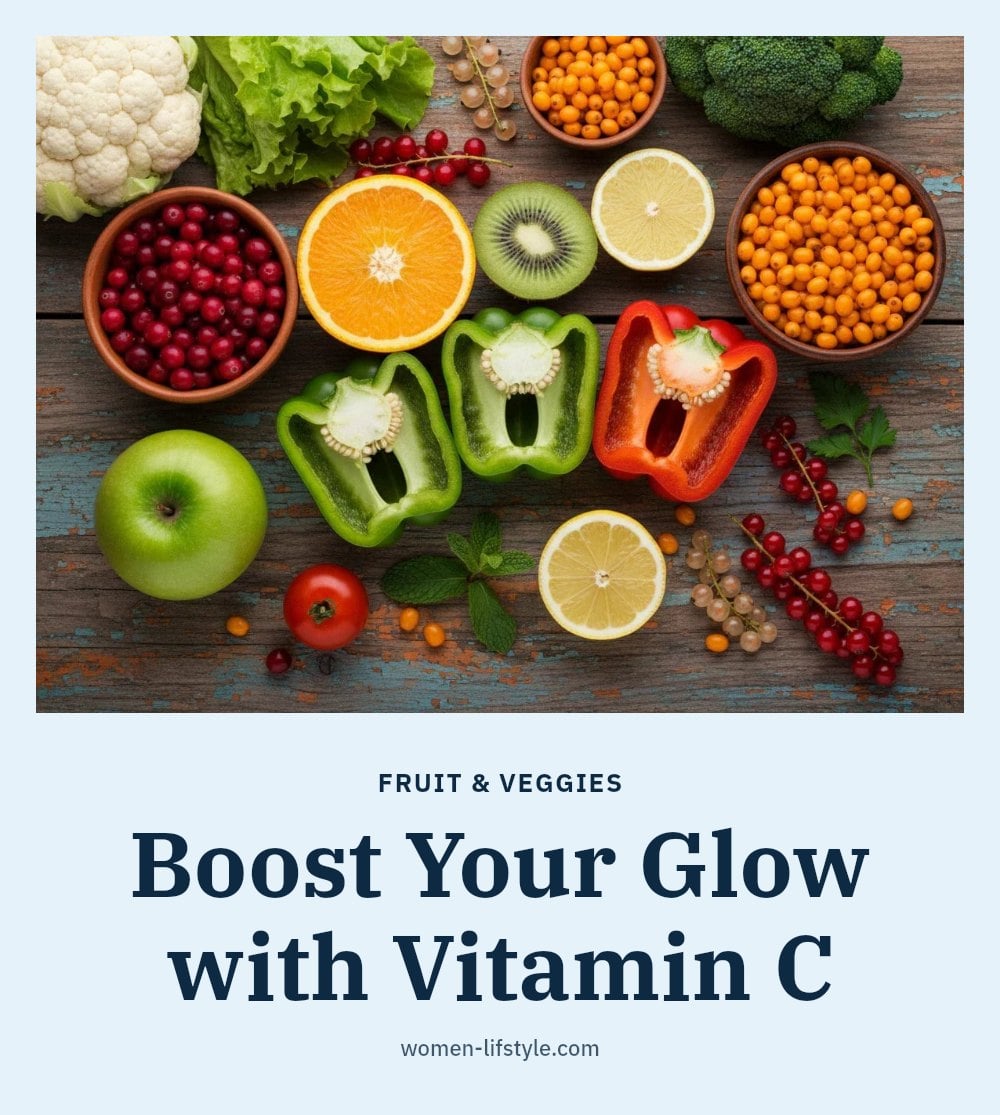
Vitamin C is non-negotiable for collagen synthesis. Without it, your body simply cannot form collagen properly. Focus on getting plenty of citrus fruits like oranges and grapefruits, berries such as strawberries and blueberries, and bell peppers.
- Oranges and grapefruits for a direct Vitamin C hit
- Strawberries and blueberries for added antioxidants
- Bell peppers, which actually contain more Vitamin C than citrus by weight
My tip: Add a squeeze of lemon to your water or toss a handful of berries into your breakfast for an easy daily boost.
2. Lean Proteins for Amino Acid Building Blocks
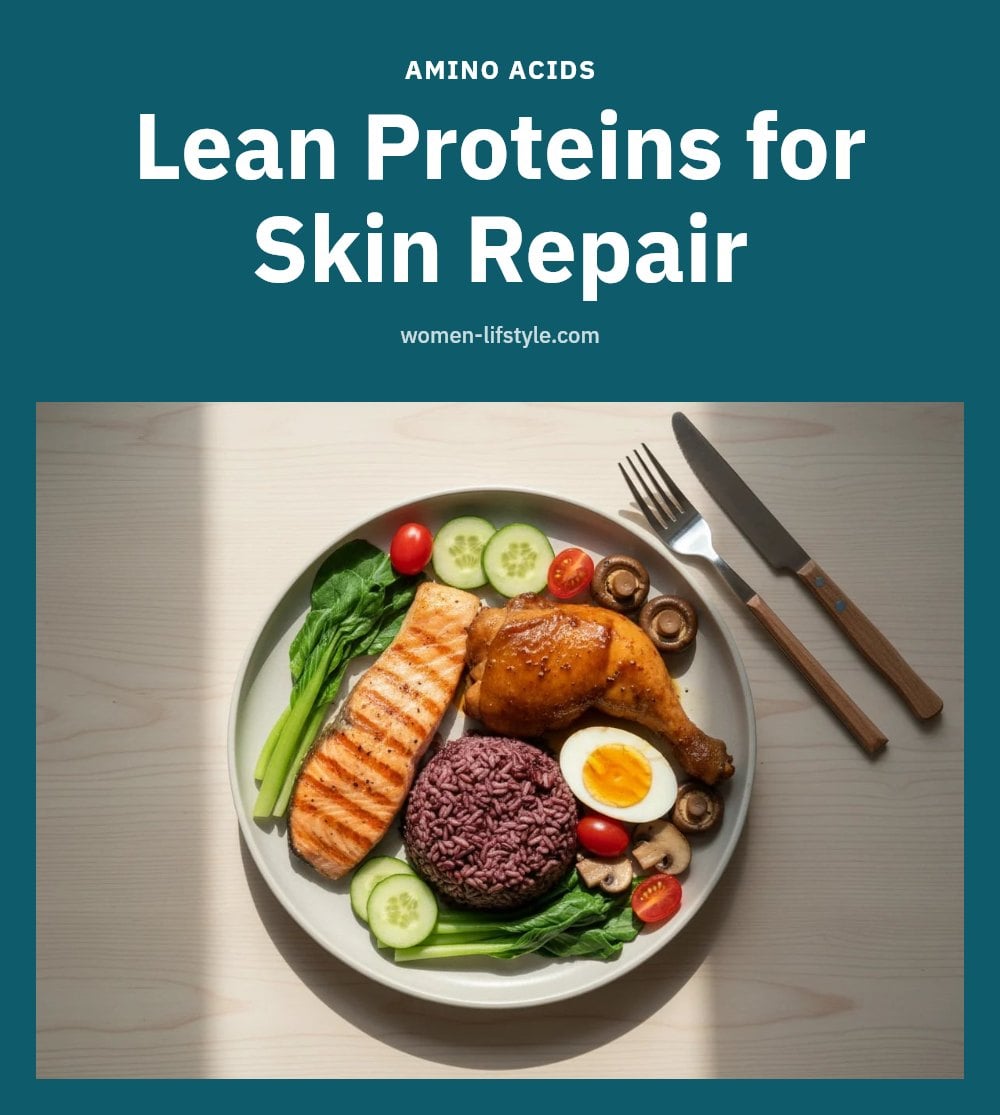
Collagen is built from specific amino acids, primarily glycine, proline, and hydroxyproline. Your body needs a steady supply of these building blocks to produce collagen. Consuming lean protein sources provides them directly.
- Chicken and turkey for a complete amino acid profile
- Fish like salmon and tuna
- Eggs, which also contain sulfur for collagen structure
My tip: Aim to include a protein source at every meal to keep a steady stream of amino acids available for collagen production.
3. Bone Broth for Collagen Precursors
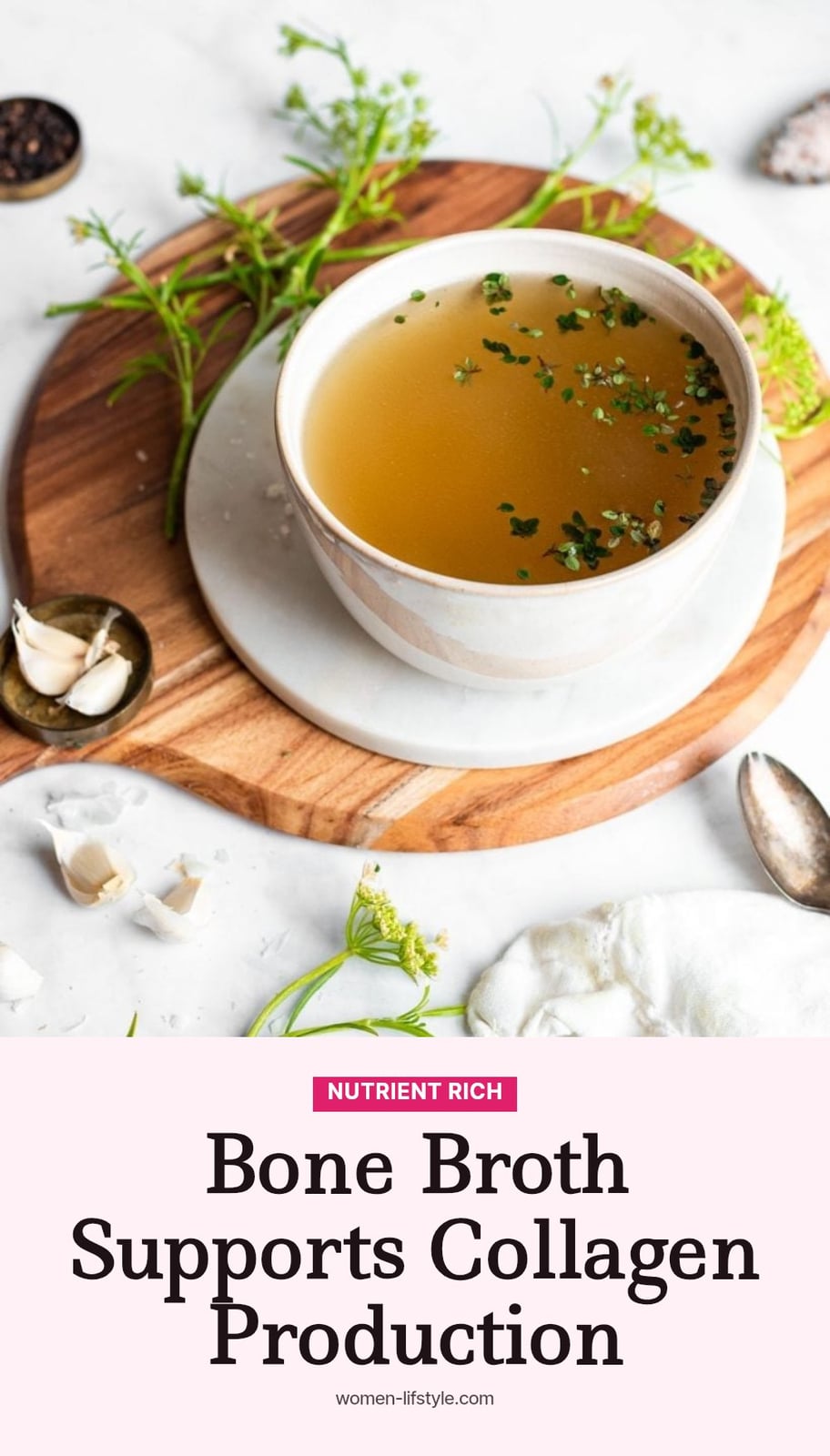
Bone broth is made by simmering animal bones and connective tissues for an extended period. This process extracts collagen, gelatin, and other beneficial compounds believed to support your body’s own collagen production. It provides a concentrated source of the amino acids your body needs.
- Simmer chicken or beef bones with vegetables for 12-24 hours
- Use the broth as a base for soups, stews, or sip it warm
- Look for unsalted, high-quality options if buying pre-made
Tip: Try making your own bone broth at home to control the ingredients and sodium content, or look for high-quality, unsalted options at the store.
4. Antioxidant-Rich Colorful Produce
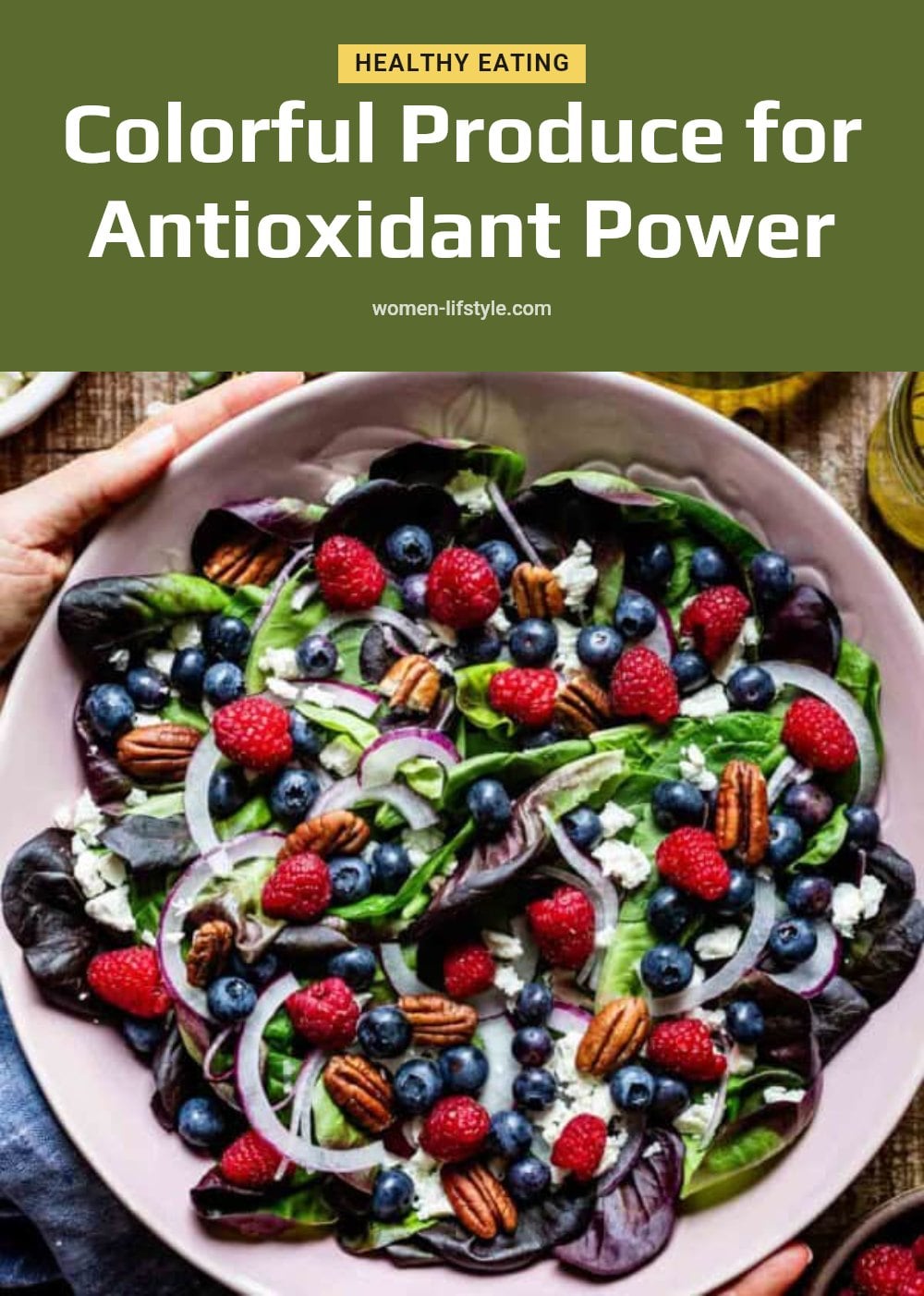
Antioxidants are your skin’s defense team. Free radicals from UV rays, pollution, and stress attack collagen fibers, breaking them down over time. A diet rich in colorful fruits and vegetables provides a wide range of antioxidants that neutralize these free radicals before they can do damage.
Good to know: Eat the rainbow. The more colors on your plate, the more diverse antioxidants you’re getting. Think berries, dark leafy greens, bell peppers, and deep orange squash. Each color group offers different protective compounds.
5. Foods High in Sulfur

Sulfur plays a supporting role in collagen structure by helping form disulfide bonds that stabilize collagen fibers. Garlic and eggs are two of the best food sources. Eggs provide both sulfur and protein, making them a double-duty choice.
Pro move: Incorporate garlic into your cooking whenever possible, and enjoy eggs as a versatile protein source. A simple omelet with spinach and garlic covers multiple collagen-supporting nutrients in one meal.
6. Copper and Zinc Sources
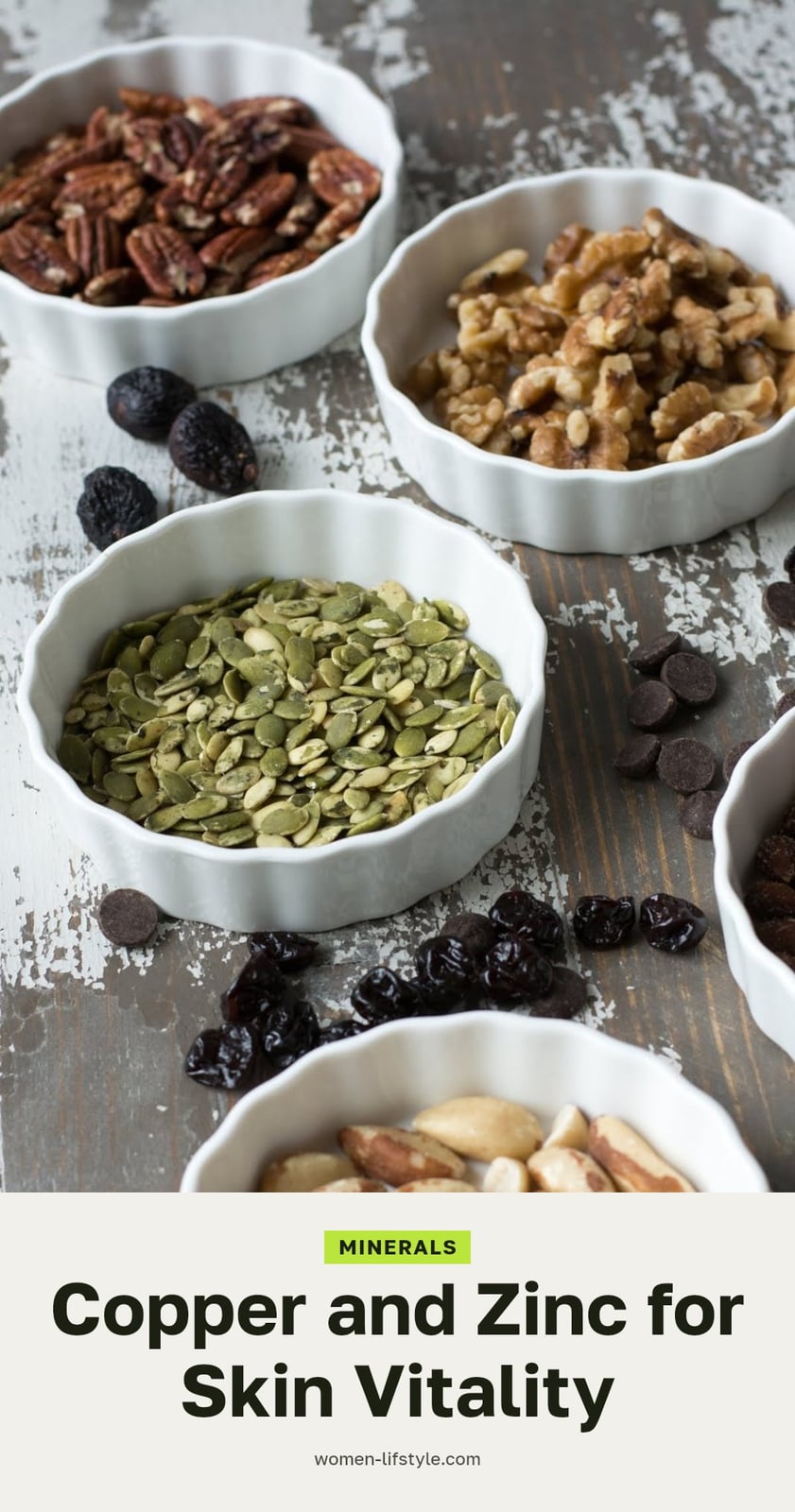
Copper and zinc are trace minerals that collagen production depends on. Copper activates an enzyme called lysyl oxidase, which cross-links collagen fibers and gives them strength. Without enough copper, those fibers can’t form properly.
You can find these minerals in nuts, seeds, whole grains, and legumes. A handful of pumpkin seeds or almonds makes an easy snack. Lentils and chickpeas also deliver both minerals along with protein.
7. Gelatin-Rich Foods
Gelatin is simply cooked collagen, so it provides the same amino acids your body uses to build its own collagen. You can get it from foods like Jell-O, but watch the added sugar content. A better option is unflavored gelatin powder.
Quick tip: Look for unflavored gelatin powder and add it to soups, stews, or homemade gummies. It dissolves easily and gives you a collagen boost without extra sugar. Start with a small amount to see how your body handles it.
8. Hydration with Plenty of Water
Water doesn’t directly create collagen, but it keeps your skin cells plump and functioning properly. Dehydrated skin looks dull and can make fine lines more noticeable. My tip: Carry a reusable water bottle and sip throughout the day to ensure consistent hydration. Aim for half your body weight in ounces as a general starting point.
9. Tomatoes and Lycopene
Tomatoes pack a powerful antioxidant called lycopene that helps protect your skin from UV damage, one of the main causes of collagen breakdown. Eating them regularly adds internal sun protection to your routine. My tip: Cooked tomatoes, like in sauces or pastes, increase the bioavailability of lycopene so your body absorbs it more easily.
10. Leafy Greens for Overall Skin Health
Spinach, kale, and other leafy greens deliver a concentrated dose of vitamins A, C, and antioxidants that support overall skin health. They don’t directly make collagen but provide the nutrient foundation your skin needs to function well. My tip: Add a handful of spinach to your morning smoothie or make a big salad for lunch.
11. Avocados for Healthy Fats and Vitamin E
Avocados supply healthy fats that maintain your skin’s moisture barrier, keeping it supple and resilient. They also contain Vitamin E, an antioxidant that protects skin cells from oxidative stress. My tip: Enjoy avocado on toast, in salads, or as a creamy addition to smoothies for an easy skin-supporting boost.
Common Mistakes When Boosting Collagen Through Diet
Believing eating collagen directly adds to skin collagen: Your body breaks down dietary collagen into amino acids first, then uses those building blocks as needed. It doesn’t instantly send collagen to your skin.
Overlooking Vitamin C’s crucial role: Many focus on protein but forget that Vitamin C is absolutely essential for the body to actually synthesize collagen. Without it, the process can’t happen effectively.
Expecting instant results: Dietary changes take time to show subtle improvements in skin health. Consistency over weeks to months is key, and dramatic, immediate changes are unrealistic.
Ignoring other lifestyle factors: Diet is important, but sun exposure, smoking, and poor hydration significantly accelerate collagen breakdown. A holistic approach is always best.
Frequently Asked Questions
How long does it take for diet changes to affect skin collagen?
It typically takes several weeks to months of consistent dietary changes before you may notice subtle improvements in your skin’s firmness or hydration. Individual results vary based on your overall health, age, and other lifestyle factors like sun exposure and smoking.
Can collagen supplements replace a healthy diet?
No, supplements should not replace a balanced diet. Your body breaks down dietary collagen into amino acids just like it does with protein from food. A healthy diet provides the full range of nutrients, including Vitamin C, zinc, and copper, that your body needs to produce collagen effectively.
Do plant-based foods contain collagen?
Collagen is only found in animal tissues, so plant-based foods do not contain collagen directly. However, you can support your body’s own collagen production by eating a variety of plant foods rich in Vitamin C, antioxidants, and amino acids from sources like legumes, nuts, seeds, and whole grains.
What lifestyle habits destroy collagen?
UV radiation from the sun is a major cause of collagen breakdown, along with smoking, which significantly impairs collagen production. High stress and poor sleep may also contribute to collagen loss over time by increasing free radical damage in the body.
Is bone broth the best source of collagen?
Bone broth is a popular source that provides concentrated amino acids from simmered bones and connective tissues, but it is not necessarily the best. A varied diet with lean proteins, Vitamin C-rich foods, and antioxidants may be more effective for supporting your body’s overall collagen production.
Final Thoughts
For the best results, focus on a balanced diet that includes a variety of protein sources, plenty of Vitamin C, and colorful fruits and vegetables. Remember, dietary changes take time, consistent habits over several weeks to months may show subtle improvements in your skin’s appearance. And don’t overlook the basics: stay hydrated, wear sunscreen daily, and avoid smoking to protect the collagen you already have.
This article is for informational purposes only and does not constitute medical or professional advice. Always consult a healthcare provider or dermatologist before making significant changes to your diet, especially if you have underlying health conditions or allergies. Results from dietary changes vary by individual.
