

Feeling overwhelmed by a never-ending to-do list and constant demands on your time? You’re not alone. Prioritizing your life is the key to reducing that stress and finding more fulfillment, but it’s not about doing more. It’s about doing what matters. This article walks you through simple steps to identify your true priorities, use practical tools like the Eisenhower Matrix, and build habits that keep you focused on what counts.

Key Takeaways
- Identify your core values to guide every decision and goal.
- Use the Eisenhower Matrix to separate urgent from important tasks.
- Break large goals into small, manageable steps to stay on track.
- Schedule your most important tasks during your peak energy hours.
- Review your priorities daily, weekly, and monthly to stay aligned.
What Does It Mean to Prioritize Your Life?
Prioritizing your life means consciously choosing where to invest your limited time and energy based on what truly matters to you. It’s about aligning your actions with your core values and long-term goals, rather than letting external demands dictate your schedule. When you focus on high-impact tasks, you reduce stress, boost productivity, and feel more fulfilled. The result is a clearer path toward what you actually want.
Tools You’ll Need to Get Started
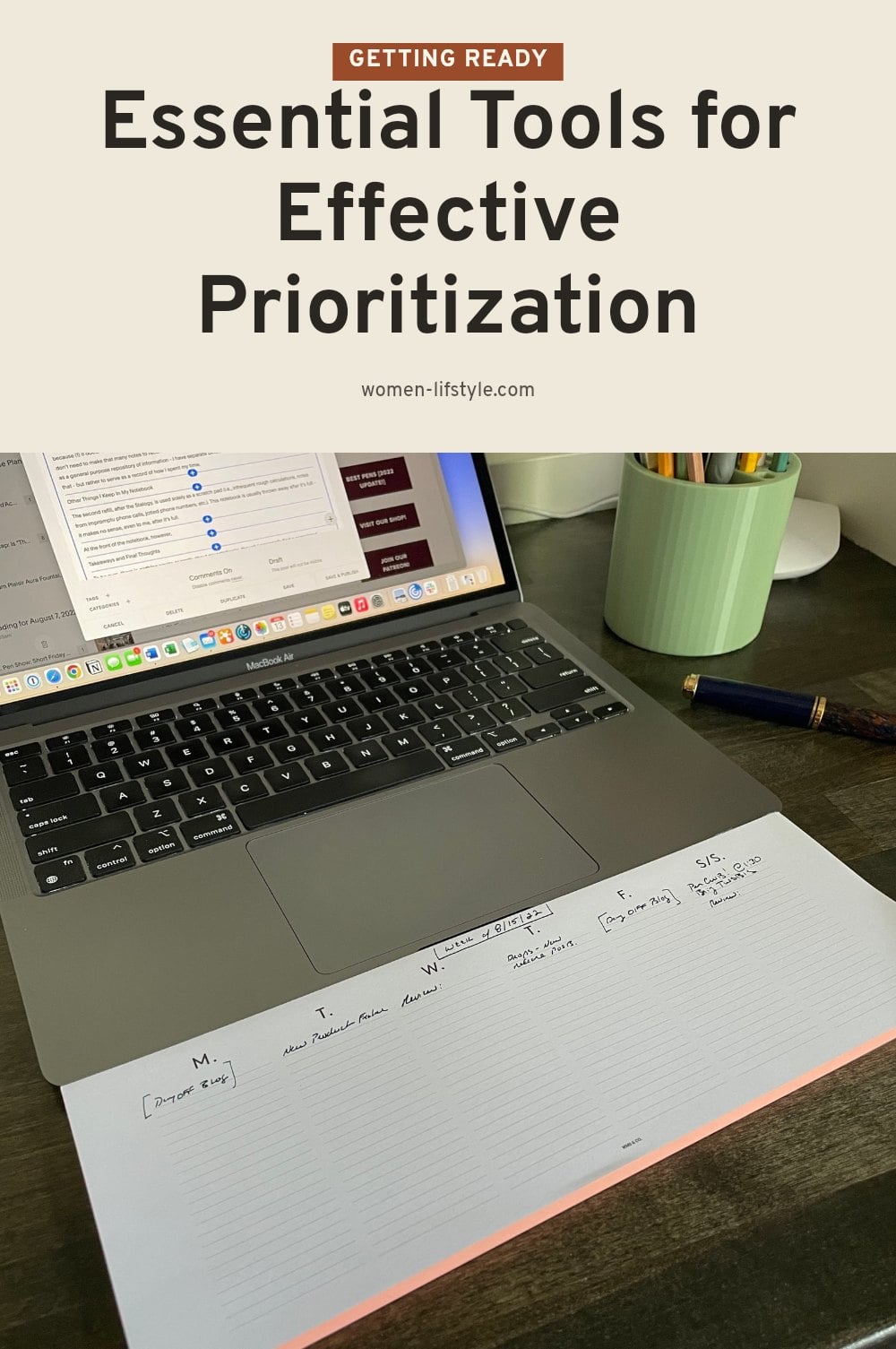
You don’t need fancy gear to start prioritizing. Gather these basics:
- Notebook and pen: For brainstorming thoughts and jotting down your values and goals.
- Digital calendar or planner app: For scheduling and time blocking your most important tasks.
- To-do list app: To organize tasks and track your daily progress.
- Goal-setting worksheet: Helps define clear, specific, and measurable objectives.
- Value clarification exercises: Identify your core personal values so you know what to prioritize.
These tools keep your priorities visible and actionable, making it easier to stay on track.
Step-by-Step: How to Prioritize Your Life Effectively

Start with a clear picture of what matters most.
- Identify your core values: Write down 3-5 values that define who you are and what you stand for. These become your compass for every decision.
- Set specific goals: Turn each value into a measurable goal. Instead of “get healthier,” say “walk 30 minutes five days a week.” Clear goals show which tasks actually move you forward.
- List all tasks and commitments: Brain dump everything on your plate, from work deadlines to family events. Seeing it all on paper prevents things from slipping through.
- Categorize with the Eisenhower Matrix: Divide tasks into four boxes: urgent and important, important but not urgent, urgent but not important, and neither. Focus first on what’s both urgent and important, then schedule the important-but-not-urgent ones before they become crises.
- Break down large goals: Chunk a big project like “plan a wedding” into smaller steps: choose venue, send invitations, book caterer. Each step becomes a manageable task you can tackle.
- Schedule peak tasks first: Block your most demanding work during your personal peak energy hours. If you’re sharpest at 9 AM, protect that slot for deep focus, not email.
- Review and adjust weekly: Set aside 15 minutes each Sunday to reassess your priorities. Life changes, and your plan should flex with it.
This process turns vague intentions into a concrete, doable plan.
Popular Prioritization Methods to Try
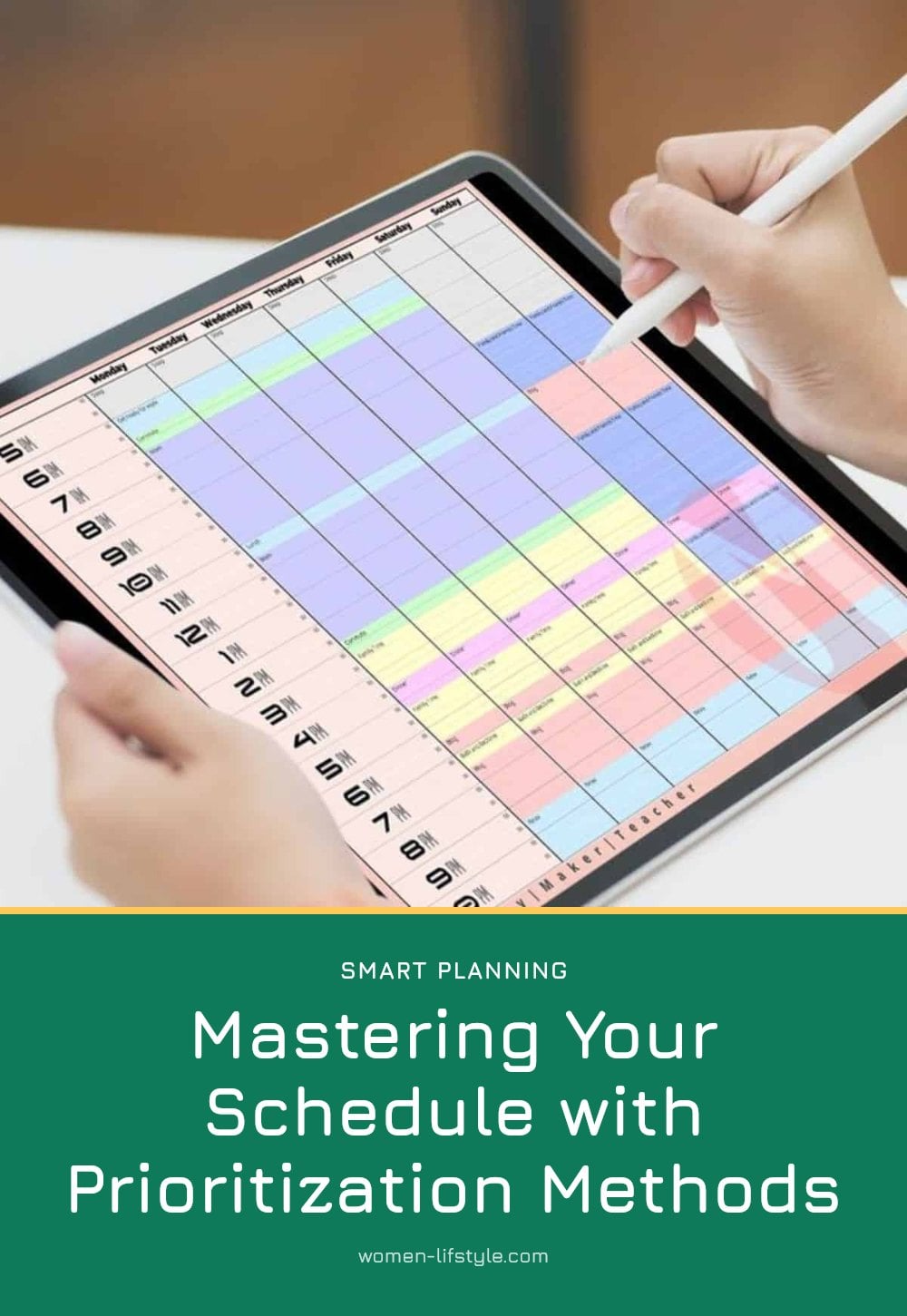
Different methods work for different situations. Here are four proven approaches.
Eisenhower Matrix
This tool sorts tasks by urgency and importance. Quadrant one (urgent and important) gets done now, quadrant two (important but not urgent) gets scheduled, quadrant three (urgent but not important) gets delegated, and quadrant four (neither) gets dropped. Tip: Spend most of your time in quadrant two to prevent urgent fires from starting.
Pareto Principle (80/20 Rule)
Roughly 80% of your results come from 20% of your efforts. Identify which tasks yield the biggest payoff and prioritize those first. Caution: Don’t ignore the small tasks entirely, but give them lower priority.
Time Blocking
Allocate specific time slots for each high-priority task, like “9-10 AM for report writing.” This prevents multitasking and keeps you focused. Pro move: Block your hardest task during your peak energy window for better output.
Value-Based Prioritization
Before adding anything to your list, ask, “Does this align with my core values?” If it doesn’t, it’s a candidate for deletion or delegation. Good to know: This method works well when you feel pulled in too many directions.
Common Prioritization Mistakes and How to Avoid Them
The most common pitfall is treating every urgent task as important. A ringing phone feels urgent, but it rarely aligns with your long-term goals. Pause and ask: does this truly move me forward? Without clear goals, you have no filter for what matters, so define 3-5 objectives before you sort your to-do list.
Overcommitting is another trap. Saying yes to every request drains time you could spend on what you value most. Practice saying no politely but firmly to non-essential asks. Neglecting self-care is equally costly. Without adequate sleep and breaks, your energy drops and your decision-making suffers. Build buffer time into your schedule for unexpected delays, so one interruption doesn’t derail your entire day.
Practical Tips for Sustaining Your Priorities

Delegation is a direct way to protect your priorities. Hand off tasks that someone else can handle, even if it takes a few minutes to explain. Build buffer time into your schedule for unexpected events, and guard your peak productivity hours against low-priority interruptions.
My tip: Celebrate small wins each week. Acknowledging progress keeps motivation high and reinforces your commitment. Practice self-compassion when you don’t hit every goal. Perfection isn’t the target; consistent forward movement is.
How Often to Review Your Priorities
Prioritization is a continuous process, not a one-time decision. Each morning, review your top 3-5 tasks to set the day’s focus. Weekly, take 30 minutes to assess progress and adjust your schedule for the coming week. Monthly or quarterly, do a deeper review of your long-term goals and values, making larger shifts as needed. The cost is minimal: just your time and basic tools like a notebook or free planner app.
Frequently Asked Questions
What is the 80/20 rule in prioritization?
The 80/20 rule, or Pareto Principle, suggests that roughly 80% of your results come from 20% of your efforts. In prioritization, this means focusing on the few key tasks that will drive the most significant outcomes, rather than spreading yourself thin across many less impactful activities.
Can I prioritize if I have many urgent tasks?
Yes, but start by sorting urgent tasks using the Eisenhower Matrix. Ask if each urgent task is also important. If it’s urgent but not important, delegate or defer it. Protect time for important but not urgent tasks, as those often align with your long-term goals and reduce future crises.
What if I struggle to say no?
Saying no is a skill that gets easier with practice. Start by pausing before agreeing to any new request and ask yourself if it aligns with your priorities. You can say no politely, like ‘I can’t take that on right now, but thank you for thinking of me.’ Over time, it becomes a natural way to protect your time.
How does self-care fit into prioritization?
Self-care is not optional. It’s a priority that fuels everything else. Adequate sleep, breaks, and downtime restore your energy and focus, making you more effective at handling important tasks. Schedule self-care as a non-negotiable block in your calendar, just like any other priority.
How do I figure out what my priorities are?
Start by identifying your core values, write down 3 to 5 things that truly matter to you, like family, health, or creativity. Then, set specific goals that reflect those values. This gives you a clear filter for deciding which tasks and commitments deserve your time and energy.
Final Thoughts
Start by picking just one method, like the Eisenhower Matrix, and try it for a week. Expect that you’ll need to adjust as you go, prioritization is a skill that improves with practice. Remember, the goal is progress, not perfection, so give yourself grace and keep your values front and center.
