

That annoying, involuntary flutter in your eyelid is usually harmless, but it can be distracting and frustrating. Most eye twitches are your body’s way of signaling that something is off, often linked to lifestyle factors like stress, fatigue, or too much caffeine. This article covers the common causes of eye twitches and practical, at-home remedies you can try to calm the spasm.

Key Takeaways
- Most eye twitches are benign and resolve on their own within minutes to days.
- Prioritize 7-9 hours of sleep per night to reduce twitch triggers.
- Cut back on caffeine and alcohol to help calm muscle spasms.
- Use the 20-20-20 rule to reduce eye strain from screens.
- See a doctor if the twitch lasts more than a few days or spreads to other parts of your face.
What Causes Eye Twitches and How to Stop Them
An eye twitch, also called eyelid myokymia, is usually a harmless muscle spasm that resolves on its own within a few days. Most are triggered by lifestyle factors such as stress, fatigue, or caffeine. To stop a twitch, focus on rest, reducing those triggers, and simple remedies like a warm compress. If the twitch persists for more than a few days or affects other parts of your face, a doctor’s visit is wise.
1. Prioritize Quality Sleep
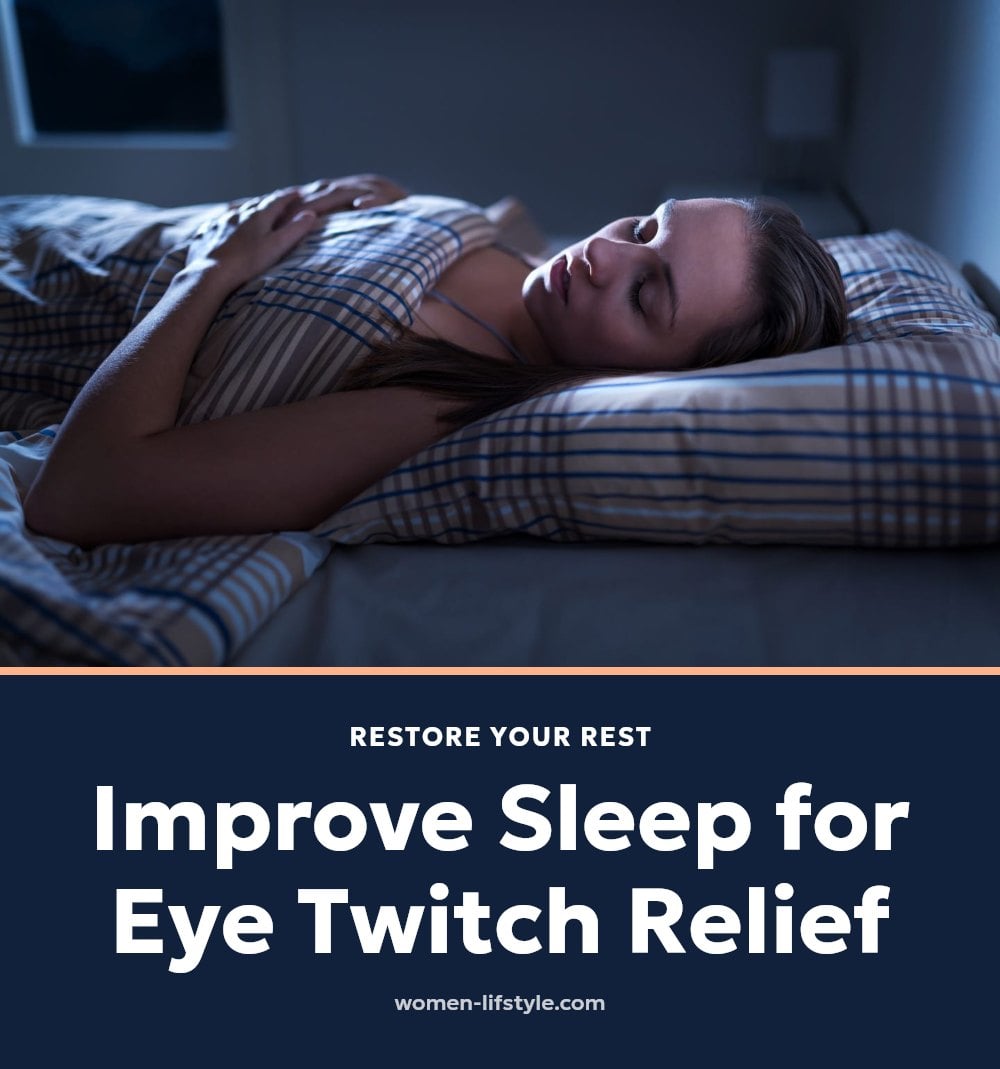
Lack of sleep is a major culprit behind eye twitches. Your body and eyes need 7-9 hours of restful sleep each night to fully recover.
- My tip: Stick to a consistent sleep schedule, even on weekends, to regulate your body’s internal clock.
2. Reduce Stress Levels
Stress is one of the most common triggers for eyelid spasms. Incorporating relaxation techniques into your daily routine can help.
- Try: Meditation, deep breathing exercises, or gentle yoga for just 10-15 minutes each day.
- Even a short mindfulness session can lower stress and reduce twitch frequency.
3. Cut Back on Caffeine and Alcohol
Both caffeine and alcohol are stimulants that can trigger or worsen muscle spasms, including in your eyelids. Gradually cut back on coffee, energy drinks, and alcoholic beverages.
- Swap: Replace some of your usual drinks with water or herbal tea to reduce intake without feeling deprived.
4. Address Eye Strain
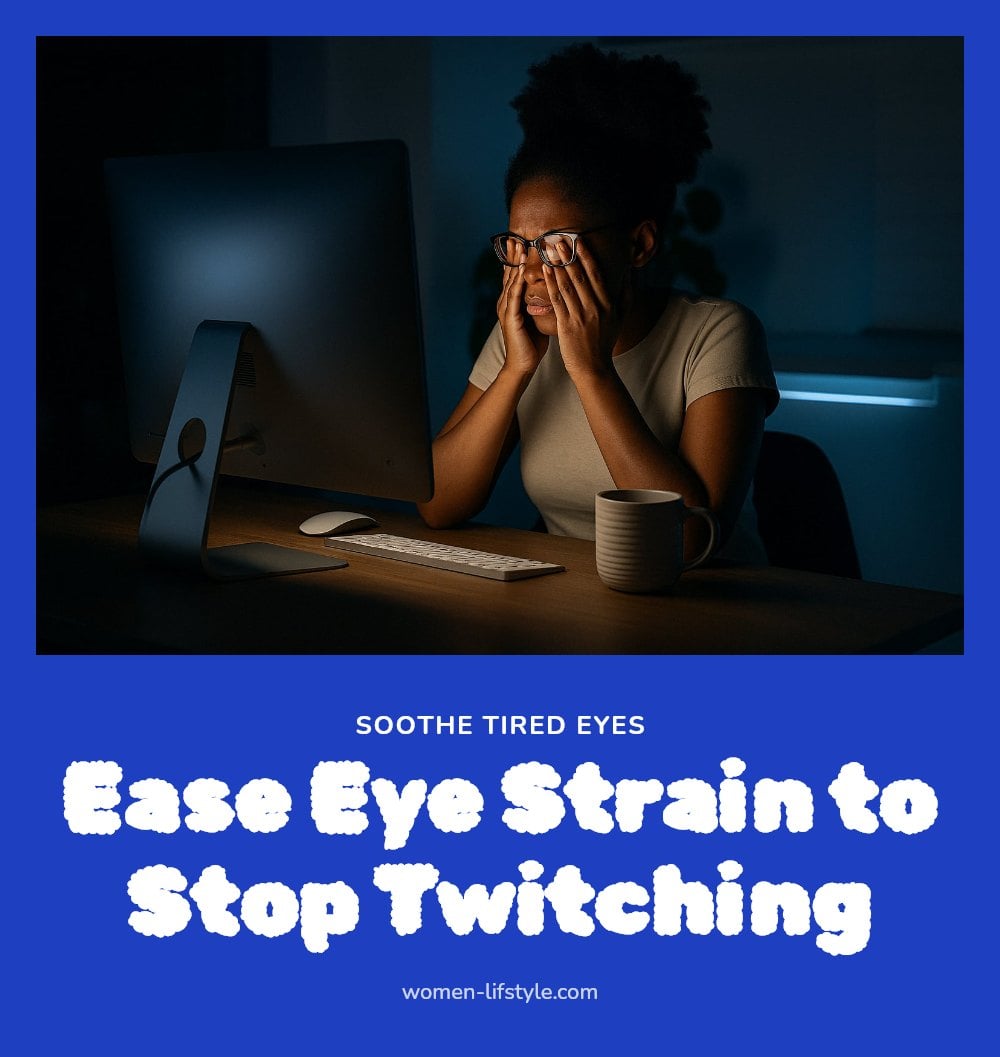
Prolonged screen time, reading, or any activity that demands intense visual focus can strain your eye muscles and trigger a twitch. The 20-20-20 rule helps: every 20 minutes, look at something 20 feet away for 20 seconds. This gives your eye muscles a short break and reduces fatigue.
My tip: Make sure your workspace is well-lit and your screen is at arm’s length. Position the screen slightly below eye level so you look downward, which puts less strain on your eyelids.
5. Moisturize Dry Eyes

Dry eyes can irritate the eyelid muscles and sometimes set off a spasm. This is more common as you age or if you wear contact lenses. Over-the-counter artificial tears can lubricate your eyes and often calm the twitch.
Tip: If you use drops more than a few times a day, choose preservative-free ones. Preservatives can irritate sensitive eyes with frequent use.
6. Apply a Warm Compress
A warm compress can help relax the muscles around your eye and increase blood flow, which may ease a twitch. Soak a clean washcloth in lukewarm water (around 100-105°F or 38-40°C), wring it out, and place it gently over your closed eyelid for 5-10 minutes.
Repeat a few times a day as needed. The warmth soothes the orbicularis oculi muscle and helps it release the spasm. If the water feels too hot on your wrist, let it cool slightly before applying.
7. Check for Nutritional Deficiencies
Some research suggests a link between magnesium deficiency and muscle spasms, including eye twitches, though the evidence isn’t conclusive. Instead of turning straight to supplements, build your meals around magnesium-rich foods: leafy greens, nuts, seeds, and whole grains. This approach supports overall nutrition without the risks of over-supplementing.
Caution: Always talk to a healthcare professional before adding any supplement. Magnesium pills can interact with certain medications or cause digestive upset when taken in the wrong dose.
8. Gentle Eye Massage
Gently massaging the affected eyelid can help relax the muscle and calm the spasm. Use a clean fingertip to apply very light pressure in small, circular motions around the twitching area for about 30 seconds.
Caution: Do not rub or press hard. Rubbing irritates the eye further and can worsen the twitch or cause redness.
9. Stay Hydrated
Dehydration can contribute to muscle cramps and spasms throughout your body, including your eyelids. Drink enough water during the day to keep your muscles functioning properly.
Good to know: Keep a water bottle on your desk or in your bag as a visual reminder to sip regularly. Even mild dehydration can be a trigger.
10. Limit Screen Time Before Bed
Blue light from phones, tablets, and computers can disrupt your sleep cycle and add to eye strain, both of which are known twitch triggers. Put away all screens at least one hour before you plan to sleep.
This break gives your eyes and brain a chance to wind down naturally, making it easier to fall asleep and reducing the chance of a twitch the next day.
11. Wear Corrective Lenses
If you wear glasses or contact lenses, make sure your prescription is current. An outdated prescription forces your eyes to work harder to focus, which strains the muscles and can trigger a twitch.
Tip: Schedule a regular eye exam every one to two years. A simple prescription update may be all you need to stop the twitch.
When to Consult a Doctor About an Eye Twitch
Most eye twitches resolve on their own, but certain signs mean it’s time to see a doctor. Make an appointment if the twitch lasts more than a week or two. Also see a doctor if the spasm spreads to other parts of your face, or if your eye completely closes with each twitch (a condition called blepharospasm).
Seek medical attention right away if:
- You have redness, swelling, or discharge from the eye along with the twitch.
- You notice changes in your vision or your eyelid starts drooping.
- The twitch is accompanied by weakness or numbness in your face.
These symptoms can point to a more serious underlying condition that needs professional evaluation.
Frequently Asked Questions
Can an eye twitch be a sign of a serious health problem?
In most cases, no. A common eye twitch, or eyelid myokymia, is benign. However, in rare instances, a persistent or severe twitch can signal a neurological condition like blepharospasm or hemifacial spasm. If your twitch lasts for weeks, affects other parts of your face, or is accompanied by vision changes or drooping, see a doctor.
How long do eye twitches typically last?
Most benign eye twitches last from a few minutes to a few days. They usually resolve on their own once the underlying trigger, like stress or fatigue, is addressed. If a twitch persists for more than a few weeks, it’s a good idea to consult a healthcare professional.
Does magnesium deficiency really cause eye twitches?
Some research suggests a link between magnesium deficiency and muscle spasms, including eye twitches, but the evidence isn’t conclusive. Rather than self-diagnosing, focus on a balanced diet with magnesium-rich foods like leafy greens, nuts, and seeds. Always talk to a doctor before taking supplements.
Can eye strain from screens cause an eye twitch?
Yes, prolonged screen time can strain the muscles around your eye and trigger a twitch. Taking regular breaks using the 20-20-20 rule (look at something 20 feet away for 20 seconds every 20 minutes) can help reduce eye strain and may calm the spasm.
Is it normal for an eye twitch to affect both eyes?
It’s less common, but an eye twitch can affect both eyes, usually at different times. If both eyelids are twitching simultaneously or the spasm is forceful and persistent, it could be a sign of a condition like blepharospasm, which involves involuntary closing of both eyelids. See a doctor if this happens.
Final Thoughts
The best approach is to address the most likely lifestyle triggers first: get enough sleep, manage your stress, and cut back on caffeine. Most twitches will stop on their own once you remove the cause, often within a day or two. Listen to what your body is telling you, and don’t hesitate to see a doctor if the twitch persists or feels severe.
This article provides general information for educational purposes only and is not a substitute for professional medical advice. If you have a persistent, severe, or concerning eye twitch, or if you experience any other symptoms like pain, vision changes, or facial weakness, please consult a doctor or eye specialist.
