

Whether you’re just starting out or you’ve been doing makeup for years, small tweaks can make a big difference. The secret to a flawless look isn’t about piling on products. It’s about prepping your skin, choosing the right shades, and blending well. This article covers the key steps and tips that help you enhance your natural features without the guesswork.

Key Takeaways
- Prep your skin with moisturizer and let it absorb before applying any makeup.
- Match foundation to your jawline, not your hand or wrist, for a seamless blend.
- Apply concealer after foundation to target only the spots that still need coverage.
- Use a damp beauty sponge or foundation brush for a more even finish than fingers.
- Set your makeup with a light dusting of setting powder to lock it in place and reduce shine.
Your Guide to a Flawless Makeup Look
Achieving a flawless makeup look begins with proper skin preparation and knowing your own features. It’s about enhancing what you have with the right products and application techniques, not covering up your natural beauty. Focus on blending well, choosing shades that complement your complexion, and building coverage gradually. The result is a polished, natural finish that looks like you, only more put-together. Small adjustments in how you prep, apply, and blend make a real difference, whether you’re a beginner or refining your routine.
1. Prep Your Skin Perfectly

Prep Your Skin Perfectly. Always start with a clean, moisturized face to create a smooth canvas for makeup application. My tip: Give your moisturizer a few minutes to fully absorb before you apply anything else. This prevents pilling and ensures your foundation glides on evenly. If your skin feels dry or tight, a hydrating moisturizer can make a big difference in how your makeup sits throughout the day.
2. Don’t Skip Primer
Prep your skin with a moisturizer and let it fully absorb before moving on. My tip: Choose a primer that addresses your specific skin concerns, whether it’s oil control, hydration, or pore blurring. Apply a thin layer after moisturizer, focusing on areas where makeup tends to fade or crease first. A good primer also helps foundation adhere better for a more even finish.
3. Match Foundation to Your Jawline
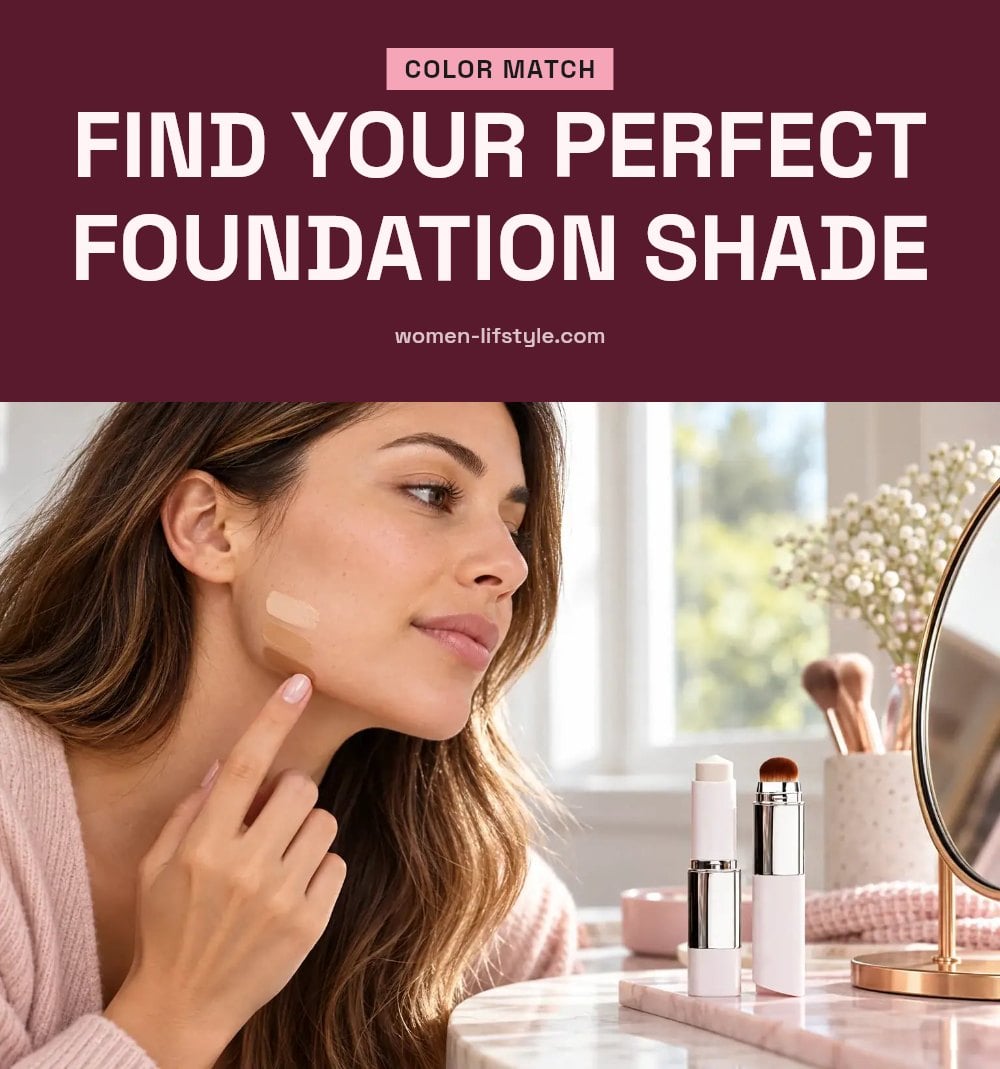
Foundation shades should match your jawline, not just your hand or wrist, for a seamless blend. The skin on your face and neck often differs from your hand, making jawline testing more accurate. Tip: Test shades in natural light to see how they truly look against your skin. Swipe a few candidates along your jawline and check which one disappears into your skin. The right shade should blend effortlessly without a visible line.
4. Apply Concealer After Foundation
Apply concealer after foundation, not before. Foundation evens out your skin tone first, so you only need concealer for the spots that still need coverage, like blemishes or under-eye circles. That means less product overall and a more natural look.
Tip: Use a patting motion with your finger or a small brush to blend the concealer in. Rubbing spreads the product and removes coverage exactly where you need it most.
5. Blend Foundation with Tools
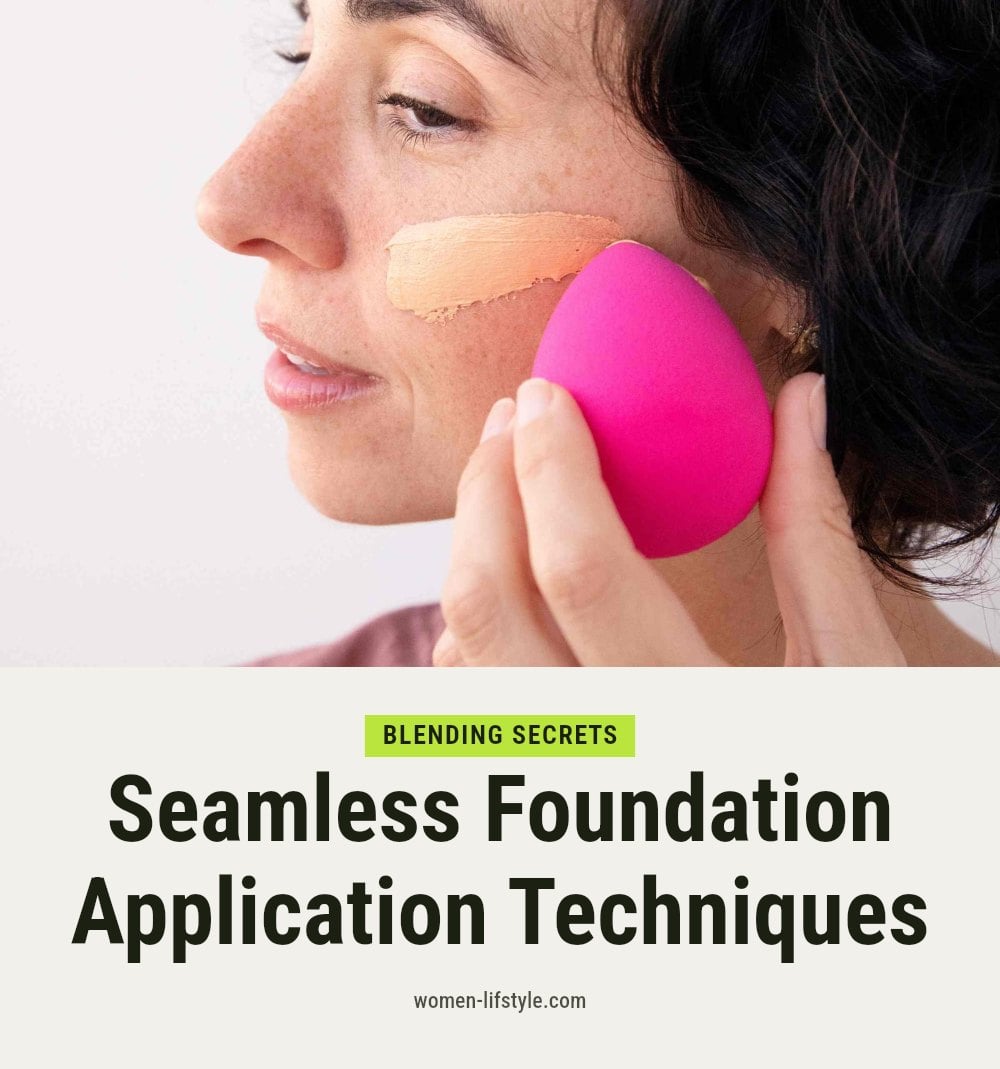
A beauty sponge or a dense foundation brush creates a more even finish than your fingers. Fingers can leave streaks or miss patches, while a tool distributes the product uniformly across your skin.
Good to know: Dampen your beauty sponge until it expands and squeeze out the excess water. This gives you a dewy finish and lighter coverage, so your skin still looks like skin.
6. Set Makeup with Powder
Setting powder locks your foundation and concealer in place so they last through the day. It also cuts down shine, especially on your forehead, nose, and chin where oil tends to break through first.
Tip: A light dusting is all you need. Too much powder can make your face look cakey or dry, so dip your brush in, tap off the excess, then sweep it over your T-zone.
7. Blush for a Natural Lift

Apply blush to the apples of your cheeks, then blend upward toward your temples. This lifts your face visually and gives you a natural, healthy glow instead of a flat circle of color.
Tip: Smile to find the apples of your cheeks, place the blush there, and blend back toward your hairline. Always blend outward so the color diffuses naturally and never looks harsh.
8. Define Eyes with Eyeliner
Apply eyeliner as close to your lash line as possible, right into the roots of your lashes. This makes your lashes look fuller because it fills the gaps between them, creating a denser line. Use small dots or a tightlining technique, then connect them.
- Pro move: For a softer look that still defines the eyes, switch to a brown eyeliner and smudge it slightly with a small brush. Brown is more forgiving than black and creates a natural shadow effect.
9. Master Mascara Application

Place the mascara wand at the base of your lashes and wiggle it back and forth as you pull it upward to the tips. This motion coats every lash from root to end, adding both volume and separation. One good coat is the foundation.
- Quick tip: A second coat can give extra drama, but stop there. Too many layers create clumps, so let the first coat dry for a few seconds before adding a second.
10. Frame Your Face with Brows
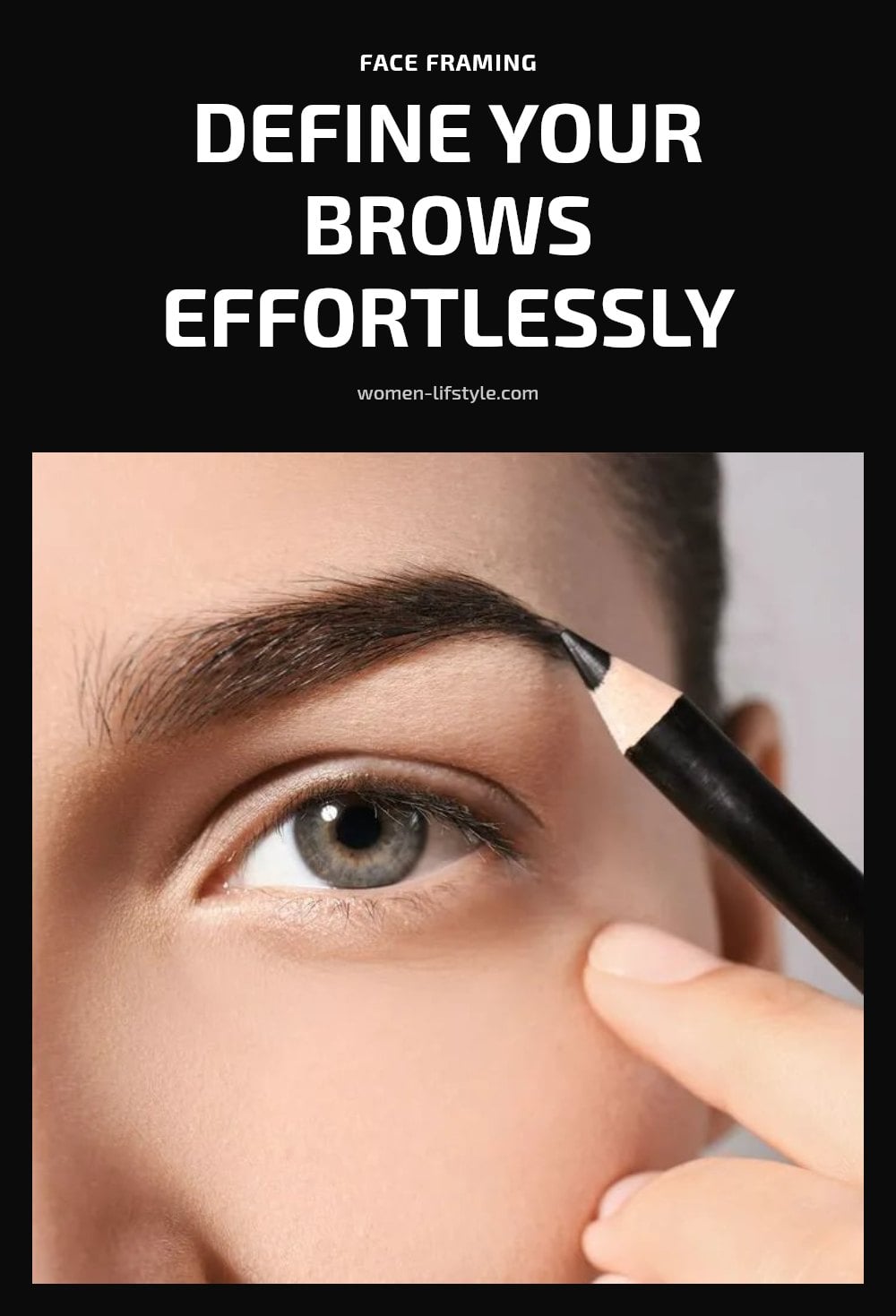
Well-filled brows frame your face and can make your whole look appear more polished. Even lightly filling in sparse areas draws attention to your eyes and balances your features.
- Tip: Use a brow pencil or powder with a fine tip, and apply with short, hair-like strokes. This mimics the look of real brow hairs and avoids that drawn-on, blocky effect. Go lighter on the inner corners.
11. Perfect Your Pout
Lip liner does two jobs: it prevents your lipstick from bleeding into fine lines around the mouth, and it defines the shape of your lips for a cleaner finish. Outline your lips first, then fill them in with the same liner as a base.
- Good to know: Choose a liner that matches either your lipstick or your natural lip color. A shade that is too dark creates a harsh ring, while a matching one blends seamlessly so the definition looks natural.
Common Makeup Mistakes to Avoid
Choosing the wrong foundation shade: Always test foundation on your jawline in natural light, not your hand. Your face and neck usually have a different tone than your wrist, so swiping a stripe on your jaw gives you the truest match.
Applying too much product: Build coverage gradually. Start with a pea-sized amount of foundation and add more only where you need it. A little goes a long way for a natural look, and piling on product makes your skin look cakey and heavy.
Not blending properly: Blend foundation, blush, and eyeshadow edges until there are no visible lines. Harsh lines scream “makeup mask,” while seamless blending looks like second skin. Use a damp sponge or a fluffy brush to diffuse edges.
Skipping skin preparation: Cleansing and moisturizing are crucial for a smooth base. Dry patches or leftover dirt will make any foundation look patchy or cling to uneven spots. After moisturizing, a primer adds an extra layer of smoothness and helps makeup last longer.
Using dirty makeup brushes: Clean your brushes regularly to prevent bacteria buildup. Dirty brushes can lead to breakouts and make your application look streaky. A quick wash with mild soap every week keeps your tools, and your skin, in good shape.
Frequently Asked Questions
How do I choose the right foundation shade?
Test foundation on your jawline in natural light, not on your hand or wrist. Your face and neck usually have a slightly different tone than your arm, so a stripe on your jaw gives you the truest match. Let it dry for a minute, then blend and check the result in daylight.
What’s the best way to make my makeup last all day?
Start with a clean, moisturized face and apply a primer suited to your skin type, oil control for oily skin, hydrating for dry skin. After your makeup is done, set it with a light dusting of powder and a setting spray. This routine helps your makeup stay put for hours.
How often should I clean my makeup brushes?
Clean your brushes at least once a week if you use them daily. Dirty brushes can trap bacteria and old product, which may lead to breakouts or uneven application. Use a gentle brush cleanser or mild soap, rinse well, and let them air dry completely.
What’s the secret to natural-looking blush?
Apply blush to the apples of your cheeks, smile to find them, then blend upward toward your temples. This creates a lifted, natural glow instead of a flat circle. Use a light hand and build the color gradually so it looks like your skin’s natural flush.
What are the best makeup tips for beginners?
Start with skin prep: cleanse and moisturize before anything else. Use a primer, then a light layer of foundation blended with a damp sponge. Focus on one feature at a time, like brows or mascara, and practice blending. Clean your brushes regularly and don’t use expired products.
Final Thoughts
For a reliable everyday look, focus on skin prep and blending above all else. Those two steps make everything else easier. Realistically, expect your makeup to last several hours, especially if you use primer and setting powder. Start with the basics, build gradually, and you’ll see the difference quickly.
