

You’ve probably seen peptides on every serum and moisturizer label, but what do they actually do for your skin? In short, they’re tiny messengers that tell your skin to produce more collagen and repair itself, which helps with firmness and wrinkles. This article breaks down how they work, the different types, and how to use them for the best results.
Key Takeaways
- Peptides are short chains of amino acids that signal skin to produce collagen.
- Different peptide types target different concerns, like wrinkles or repair.
- Apply peptide serums to clean, dry skin before heavier creams.
- Results typically appear after 4 to 12 weeks of daily use.
- Use sunscreen daily to protect the collagen peptides help build.
The Quick Answer: Peptides Are Your Skin’s Little Messengers
Peptides are short chains of amino acids, the building blocks of proteins like collagen and elastin that keep your skin firm and smooth. Think of them as tiny messengers: when you apply them topically, they signal your skin cells to do specific jobs, like producing more collagen or repairing damage. That’s why peptides are a go-to in anti-aging skincare.
Different types of peptides offer different perks. Some boost firmness, others soften fine lines, and a few help calm inflammation. So if you’re looking to improve skin texture or reduce visible signs of aging, peptides are worth a spot in your routine.
Understanding How Peptides Work Their Magic
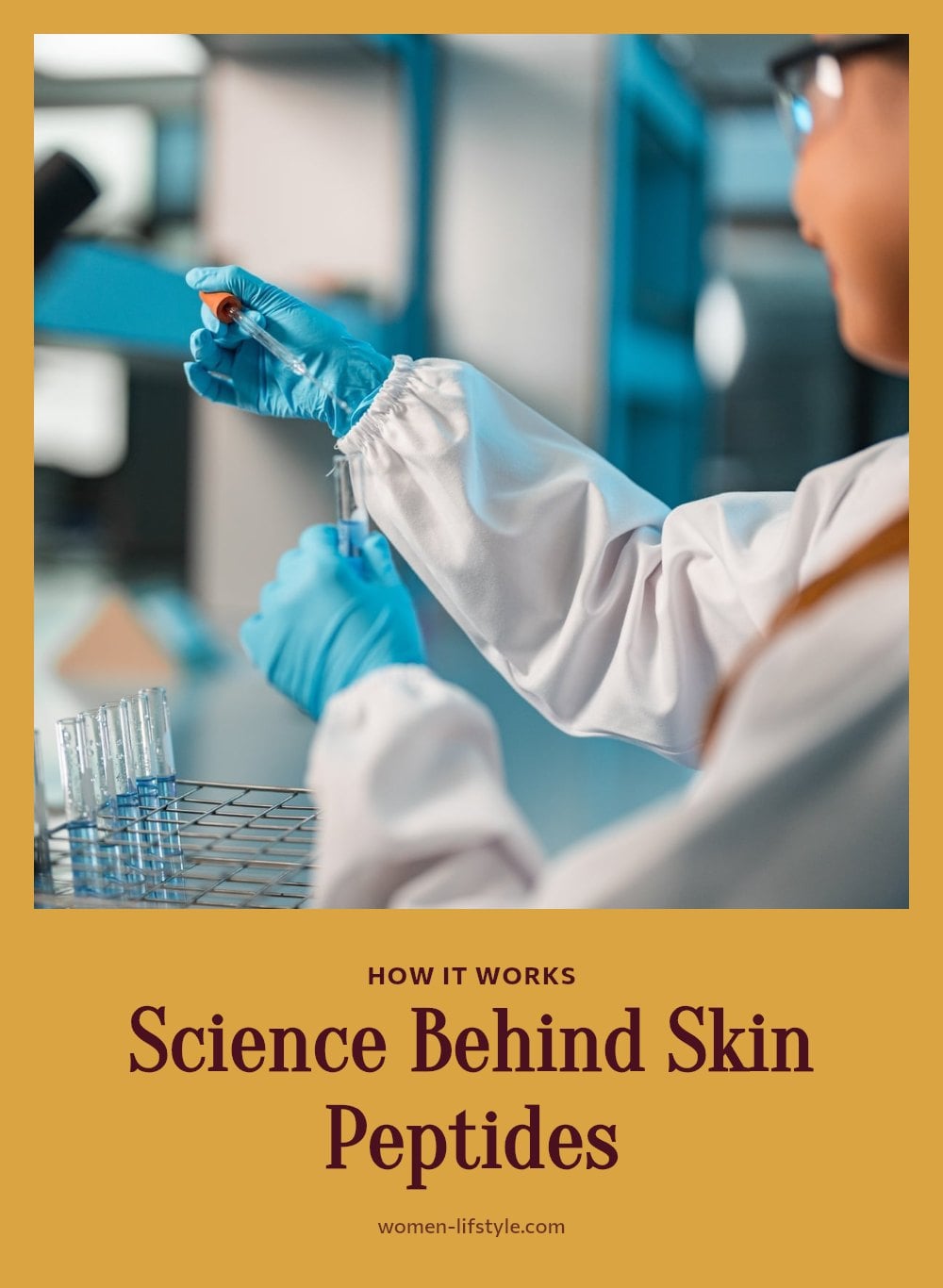
Peptides are essentially fragments of proteins, typically 2 to 50 amino acids long. When you apply them to your skin, they don’t just sit there; they communicate with your skin cells, triggering specific responses. This signaling can lead to increased collagen and elastin production, better wound healing, and reduced inflammation.
Here’s the mechanism: peptides act like keys that fit into receptors on your skin cells, unlocking instructions to build more structural proteins. Collagen peptides, for instance, are fragments of collagen that signal your skin to make more collagen. The result is firmer, more resilient skin over time.
One thing to keep in mind: peptides have a larger molecular weight than some other active ingredients, which can affect how deeply they penetrate. That’s why the effectiveness of a peptide product depends heavily on its specific type, concentration, and formulation. A well-formulated serum can help peptides reach the deeper layers where they’re needed most.
Why formulation matters
- Concentration: Higher levels of peptides generally mean more noticeable effects, but only if the delivery system allows them to absorb.
- Delivery: Look for products that use liposomes or other technologies to help peptides penetrate the skin barrier.
- Combination: Peptides often work better when paired with hydrating ingredients like hyaluronic acid, which supports the skin barrier.
Different Peptides, Different Benefits: A Quick Guide
Not all peptides are created equal. Different types target specific skin concerns, from boosting collagen to calming inflammation. Here is a breakdown of the main categories you will see on labels.
| Peptide Type | Function | Best For |
|---|---|---|
| Signal peptides | Tell skin cells to produce more collagen and elastin | Improving firmness and reducing fine lines |
| Carrier peptides | Deliver trace elements like copper to aid repair | Wound healing and supporting collagen synthesis |
| Enzyme-inhibitor peptides | Block enzymes that break down collagen and elastin | Preventing premature sagging and loss of elasticity |
| Neurotransmitter-inhibiting peptides | May temporarily relax facial muscles | Softening expression lines like crow’s feet |
My tip: Look for a product that combines several peptide types. A formula with both signal and carrier peptides, for example, can work on building new collagen while helping repair existing damage at the same time.
Top Tips for Incorporating Peptides into Your Skincare

To get the most out of peptides, how you apply them matters as much as which product you choose.
- Apply to clean, dry skin: Use your peptide serum right after cleansing and before heavier creams. This maximizes absorption.
- Layer with complementary ingredients: Pair peptides with hyaluronic acid or vitamin C for enhanced results. Hyaluronic acid boosts hydration, while vitamin C adds antioxidant protection.
- Be consistent and patient: Visible improvements typically take 4 to 12 weeks of daily use. Don’t expect overnight changes.
- Patch test first: Even though peptides are generally safe for sensitive skin, always do a patch test when trying a new product to rule out irritation.
- Never skip sunscreen: UV damage breaks down collagen and elastin, undoing the work peptides are doing. Daily SPF is non-negotiable.
My tip: Keep your peptide routine simple and consistent. A single well-formulated serum used morning and night will give you better results than a cabinet full of products you use sporadically.
Your Peptide Skincare Arsenal: What to Look For
Peptide serums: These typically deliver the highest concentration, making them ideal for targeting specific concerns like wrinkles or loss of firmness. Apply a few drops to clean, dry skin before your moisturizer for maximum impact.
Peptide moisturizers: Perfect for daily use, they combine hydration with a steady release of peptides throughout the day. Look for one that lists a peptide complex early in the ingredients for sustained delivery.
Eye creams with peptides: The skin around your eyes is thinner and more prone to fine lines. An eye cream formulated with signal peptides can help improve firmness in that delicate area without irritation.
Facial masks with peptides: Use these once or twice a week for an intensive boost. They deliver a concentrated dose in a short time, making them a good option when your skin needs extra support before an event or after a stressful week.
Common Peptide Mistakes to Avoid for Best Results
Believing all peptides do the same thing: Signal peptides boost collagen production, carrier peptides deliver copper for repair, and enzyme inhibitors prevent breakdown. Check the label for the specific peptide type to match your goal.
Expecting immediate, dramatic results: Peptides work gradually by signaling your skin to change its behavior. Consistent daily use over 4 to 12 weeks is necessary before you see visible improvement in firmness or wrinkle depth.
Not considering product formulation: A peptide is only effective if it penetrates the skin. Look for products with a high enough concentration and a delivery system that ensures absorption, not just a mention on the label.
Neglecting sun protection: UV exposure breaks down the collagen and elastin that peptides help build. Without daily sunscreen, you are working against the very benefits you are trying to create.
When to Expect Results and What to Consider for Your Budget
With consistent daily use, visible results usually appear after 4 to 12 weeks. You may notice improved firmness, smoother texture, and reduced fine lines over that period, with continued gains over several months.
Price vs. efficacy: Peptide products range from affordable drugstore options to luxury brands, but a higher price does not guarantee better results. What matters more is the type of peptide used, its concentration, and how well the formulation delivers it into the skin.
Tip: Compare ingredient lists rather than price tags. A well-formulated serum with multiple peptide types can outperform a single-peptide luxury cream at half the cost.
Frequently Asked Questions
How long does it take to see results from peptides?
Most people notice visible improvements in firmness and fine lines after 4 to 12 weeks of daily use, with continued gains over several months. Consistency is key, so apply your peptide product every day as part of your routine.
Can peptides be used with retinoids or vitamin C?
Yes, peptides can be combined with other active ingredients like vitamin C and retinoids for enhanced results. To avoid irritation, apply peptides at a different time of day than retinoids, and always use sunscreen during the day.
Are peptides safe for sensitive skin?
Peptides are generally well-tolerated, even for sensitive skin. However, it’s wise to do a patch test before applying a new product all over your face. If you notice any irritation, discontinue use and consult a dermatologist.
What’s the difference between peptides and proteins?
Peptides are short chains of amino acids, typically 2 to 50 long, while proteins are longer chains. Because peptides are smaller, they can penetrate the skin more easily, making them more effective in skincare products.
Do peptides really work for anti-aging?
Research shows promising results for peptides in improving skin firmness and reducing wrinkles, but they work gradually, not like injectables. They signal your skin to produce more collagen, so results build over weeks of consistent use.
Can I use too many peptide products?
Using multiple peptide products is fine as long as they don’t irritate your skin. However, more isn’t always better; focus on a serum and a moisturizer that contain a variety of peptides, and follow the directions on each product.
Final Thoughts
If you’re looking to add peptides to your routine, start with a serum for targeted benefits, and layer it with a moisturizer for daily hydration. Be patient: visible improvements in firmness and texture usually show up after 4 to 12 weeks of consistent use. Peptides are a solid addition to any anti-aging plan, especially when combined with sun protection and a healthy lifestyle.
