

You know that sinking feeling when you see friends at a party you weren’t invited to, or a vacation photo that makes your own weekend seem dull? That’s FOMO, Fear Of Missing Out, and it’s more common than you might think. This article breaks down why FOMO happens, how social media fuels it, and practical strategies you can use right now to feel more content with your own life.

Key Takeaways
- FOMO is the anxiety that others are having rewarding experiences you are missing, often triggered by social media.
- Mindfulness and gratitude practices help you stay present and reduce the urge to compare.
- Setting a daily time limit on social apps can significantly lower FOMO triggers.
- Embrace JOMO (Joy Of Missing Out) by intentionally choosing to disconnect and enjoy solitude.
- If FOMO-related anxiety becomes overwhelming or persistent, consider speaking with a mental health professional.
What Exactly Is FOMO?
FOMO stands for Fear Of Missing Out, and it’s that uneasy feeling that other people are having rewarding experiences you’re not part of. It’s a pervasive apprehension that you’re absent from something exciting or meaningful. This anxiety often comes with a strong desire to stay continually connected to what others are doing, which is why social media plays such a big role in fueling it.
Why We Experience the Fear of Missing Out
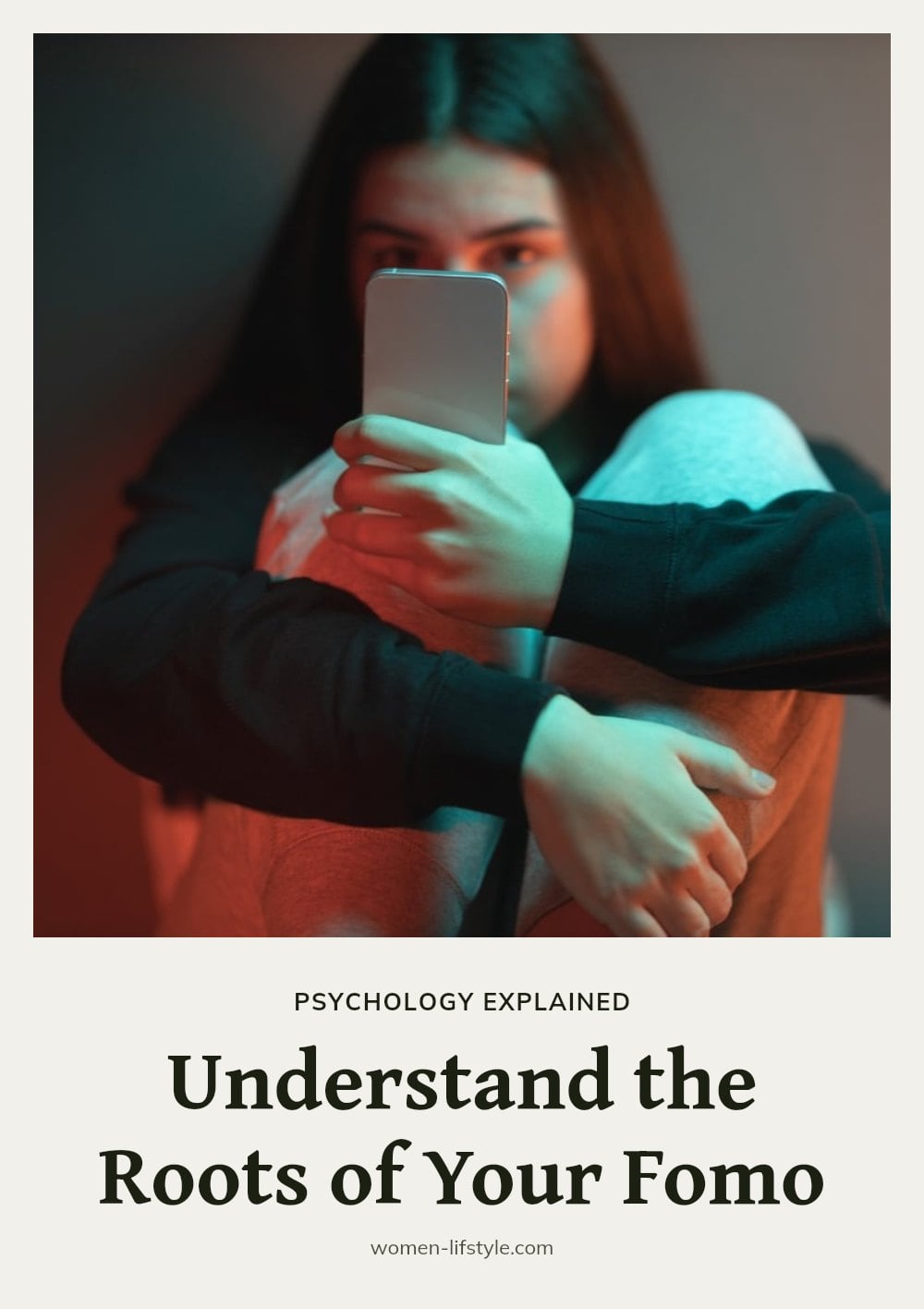
Social media is a major contributor to FOMO because it gives you a constant stream of updates on what friends, acquaintances, and even strangers are doing. Every post about a party, a vacation, or a promotion can trigger a pang of anxiety. The more you scroll, the more you see, and the more you feel like you’re missing out.
Why some of us are more susceptible
- Low self-esteem: When you don’t feel great about yourself, it’s easier to believe others are living better lives.
- Need for belonging: Humans have a deep desire to be part of a group, and FOMO taps into that fear of being left out.
These feelings can spiral into negative emotions like anxiety, sadness, and dissatisfaction with your own life. You might start comparing your behind-the-scenes to everyone else’s highlight reel, which only makes the unease worse.
Practical Strategies to Manage Your FOMO

Managing FOMO starts with practical steps you can take daily. Here are six strategies that work for me.
Practice mindfulness
Mindfulness means paying attention to the present moment without judgment. When you notice FOMO creeping in, take a few deep breaths and focus on what you’re doing right now. This helps you appreciate your current situation instead of worrying about what you’re missing.
Tip: Try a five-minute meditation app before you open social media in the morning.
Set social media boundaries
Decide specific times to check social media, like 30 minutes after lunch and 15 minutes in the evening. Turn off push notifications so you’re not constantly pulled back in. You can also use app timers to cap your daily usage.
Caution: If you find yourself checking even after setting limits, try moving the apps to a folder on the last screen of your phone.
Do things you genuinely enjoy
Fill your time with activities that bring you real joy, whether that’s hiking, painting, or reading a novel. When you’re engaged in something you love, the urge to check what others are doing fades.
Cultivate gratitude
Each evening, write down three things you’re grateful for from your day. This shifts your focus from what you lack to what you already have. Over time, this rewires your brain to notice the good in your own life.
Connect in person
Make plans to meet a friend for coffee or take a walk with a family member. Face-to-face interactions are more satisfying than likes and comments, and they remind you that real connection happens offline.
Reflect on your values
Ask yourself what truly matters to you, like health, creativity, or community. When you act in line with your values, you care less about what others are doing because you know your own priorities.
Embrace JOMO
JOMO, or Joy Of Missing Out, is the opposite of FOMO. It’s the pleasure of intentionally disconnecting and focusing on your own well-being. Try a JOMO practice: once a week, turn off your phone for an hour and do something solo, like reading or taking a bath. You’ll likely find it liberating.
Common Mistakes to Avoid When Dealing with FOMO
When you’re trying to manage FOMO, watch out for these common traps. Each one has a better alternative.
- Believing online lives are perfect: People post curated highlights, not their struggles. Remember that every feed is a filtered version of reality.
- Thinking constant busyness equals happiness: Filling every hour doesn’t bring fulfillment. It often leads to burnout. Instead, choose quality over quantity.
- Confusing online connections with deep relationships: Liking and commenting isn’t the same as sharing a real conversation. Invest in people you can call or meet.
- Underestimating social media’s impact: Even 15 minutes of scrolling can affect your mood. Notice how you feel after, and adjust your habits.
- Trying to eliminate FOMO entirely: FOMO is a normal human emotion. The goal is to manage it, not erase it. Aim for balance, not perfection.
- Assuming missing an event means missing something better: You can’t know if an event would’ve been great. Often, what you miss is less exciting than it looks from the outside.
Top Tips for a Healthier Relationship with Social Media
I set a 30-minute daily limit on my social apps and stick to it. Unfollow any account that leaves you feeling inadequate or anxious. Your feed should support you, not drain you. Turning off push notifications removes the constant pull to check your phone. When I do open an app, I use it with a purpose: reply to a message, find a recipe, then close it. No mindless scrolling. My tip: schedule one full day or weekend per month as a digital detox. You will be surprised how refreshing it feels.
When to Seek Professional Support for FOMO
If the anxiety, sadness, or loneliness that comes with FOMO feels overwhelming or sticks around for weeks, consider talking to a mental health professional. Excessive social media use linked to FOMO can sometimes be a symptom of an underlying condition like depression or an anxiety disorder. Caution: FOMO can also drive impulsive decisions, spending money you do not have or taking risks just to keep up. A therapist can help you recognize these patterns and build healthier coping strategies.
Frequently Asked Questions
Is FOMO a real mental health condition?
FOMO is not officially recognized as a mental health disorder, but its symptoms, like anxiety, sadness, and loneliness, can contribute to existing conditions such as depression or anxiety disorders. If these feelings become overwhelming or persistent, it’s wise to seek support from a mental health professional.
How is JOMO different from FOMO?
JOMO stands for Joy Of Missing Out. While FOMO makes you feel anxious and left out, JOMO is about finding pleasure in disconnecting and focusing on your own well-being. It’s an intentional choice to enjoy solitude and appreciate what you have, rather than worrying about what others are doing.
Can social media ever be good for FOMO?
Social media can be a double-edged sword. While it often triggers FOMO, you can use it in a healthier way by curating your feed to follow accounts that inspire or educate you, not those that make you feel inadequate. Setting strict time limits and turning off notifications also helps keep social media a positive tool rather than a source of anxiety.
What if I feel lonely when I disconnect?
Feeling lonely at first is common when you step back from social media. Use that time to connect with people in person or through a phone call, which builds deeper, more meaningful relationships. You can also fill the gap with hobbies or mindfulness practices that bring you genuine joy, helping you feel more connected to yourself.
How long does it take to reduce FOMO?
Reducing FOMO is an ongoing process, not a quick fix. With consistent practice of strategies like mindfulness, gratitude, and social media boundaries, many people notice a shift in their well-being within a few weeks to a few months. The key is patience and self-compassion as you build new habits.
Final Thoughts
Managing FOMO isn’t about cutting yourself off from the world. It’s about shifting your focus back to what genuinely matters to you. Start with one small change, like a 30-minute daily social media limit or a gratitude list before bed. With consistent practice, you can expect to feel more at ease with your own choices within a few weeks. Remember, the goal isn’t to never feel left out; it’s to build a life that feels full enough that missing one event doesn’t shake your happiness.
This article is for informational purposes only and does not constitute medical or professional advice. If you are experiencing persistent anxiety, sadness, or loneliness related to FOMO, please consult a mental health professional for personalized support.
