

Gnats buzzing around your kitchen or houseplants are more than just annoying, they can feel impossible to get rid of. The good news is that a simple, non-toxic trap made with apple cider vinegar and dish soap can make a real difference in reducing their numbers quickly. In this article, I’ll walk you through the most effective DIY gnat trap, share alternative methods, and show you how to keep these pests from coming back.
Key Takeaways
- Use equal parts apple cider vinegar and water with a few drops of dish soap.
- Place traps near the source, like fruit bowls or houseplants, for best results.
- Change the trap solution every few days to keep it effective.
- Let the top inch or two of houseplant soil dry out between waterings.
- Expect to see gnats in the trap within hours, but full results take days.
The Secret to a Super Effective DIY Gnat Trap
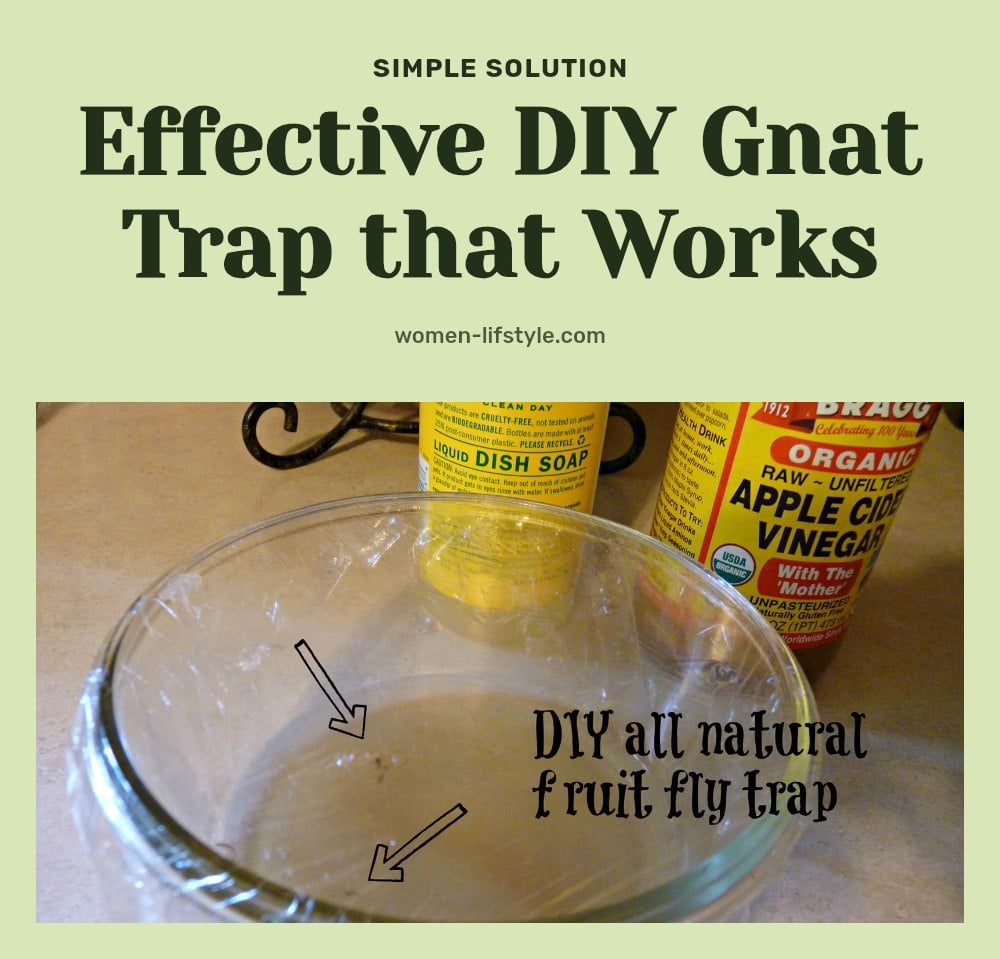
The most effective DIY gnat trap uses apple cider vinegar, dish soap, and sometimes a pinch of sugar or a piece of overripe fruit. The fermented scent of the vinegar draws both fruit flies and fungus gnats in, while the dish soap breaks the surface tension of the liquid. When gnats land on the solution, they sink and drown instead of flying away. That combination is the secret to catching both common types in one simple trap.
Understanding What Attracts Gnats to Your Home
Fruit Flies vs. Fungus Gnats: Know Your Pest
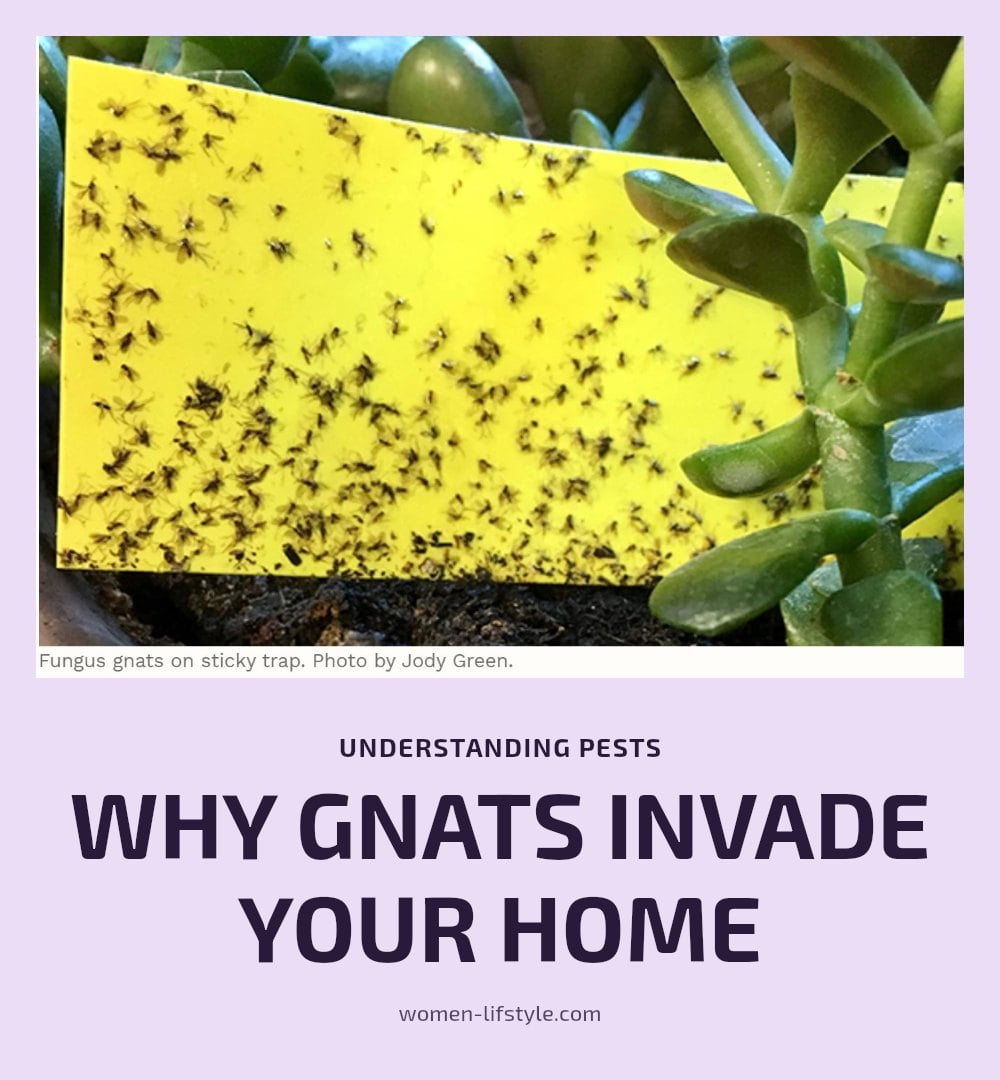
Gnats you see in the kitchen are usually fruit flies or fungus gnats, and they are drawn to different things. Fruit flies are slightly larger, tan or brown with red eyes, and they love ripe, decaying, or fermenting fruits and vegetables. Fungus gnats are smaller, dark-bodied flies about 1/8 inch long, and they are attracted to moist soil in houseplants and decaying organic matter.
- Fruit flies: Hang around fruit bowls, compost bins, and trash cans.
- Fungus gnats: Hover near potted plants, especially if the soil stays wet.
Identifying which type you have helps you target the source and choose the right trap.
Gather Your Gnat-Trapping Arsenal
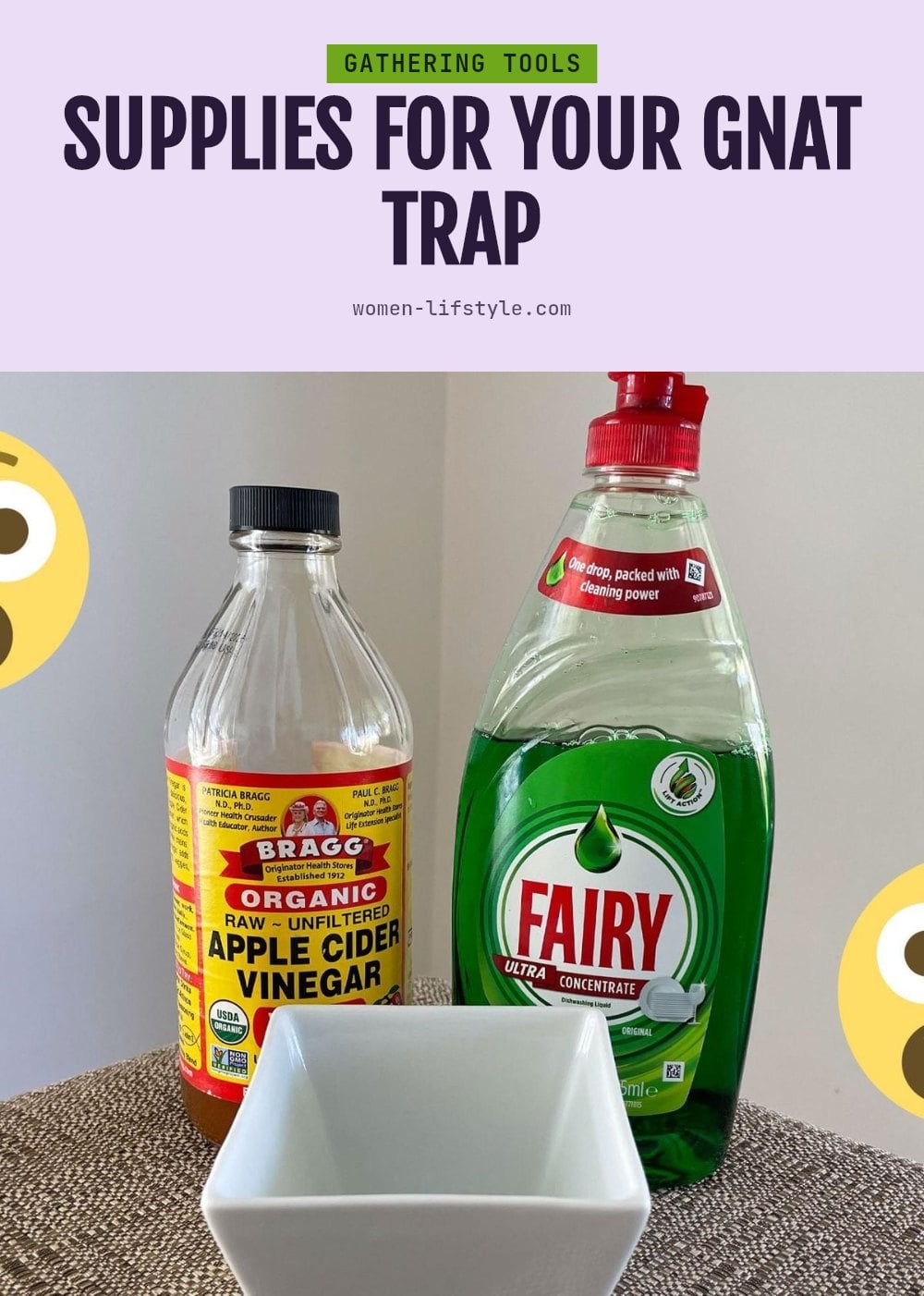
You probably already have everything you need in your kitchen. Here is what each item does in the trap.
- Apple cider vinegar: The primary attractant. Its fermented scent pulls both fruit flies and fungus gnats in from across the room.
- Dish soap: A few drops are crucial. It breaks the surface tension so gnats sink and drown instead of landing and flying off.
- Shallow bowl or jar: A wide, shallow container gives gnats more landing area. A jar works too, but the opening should be wide enough for easy access.
- Optional boosters: A pinch of sugar or a piece of overripe fruit can make the trap even more enticing for fruit flies.
Step-by-Step: Making Your Apple Cider Vinegar Gnat Trap
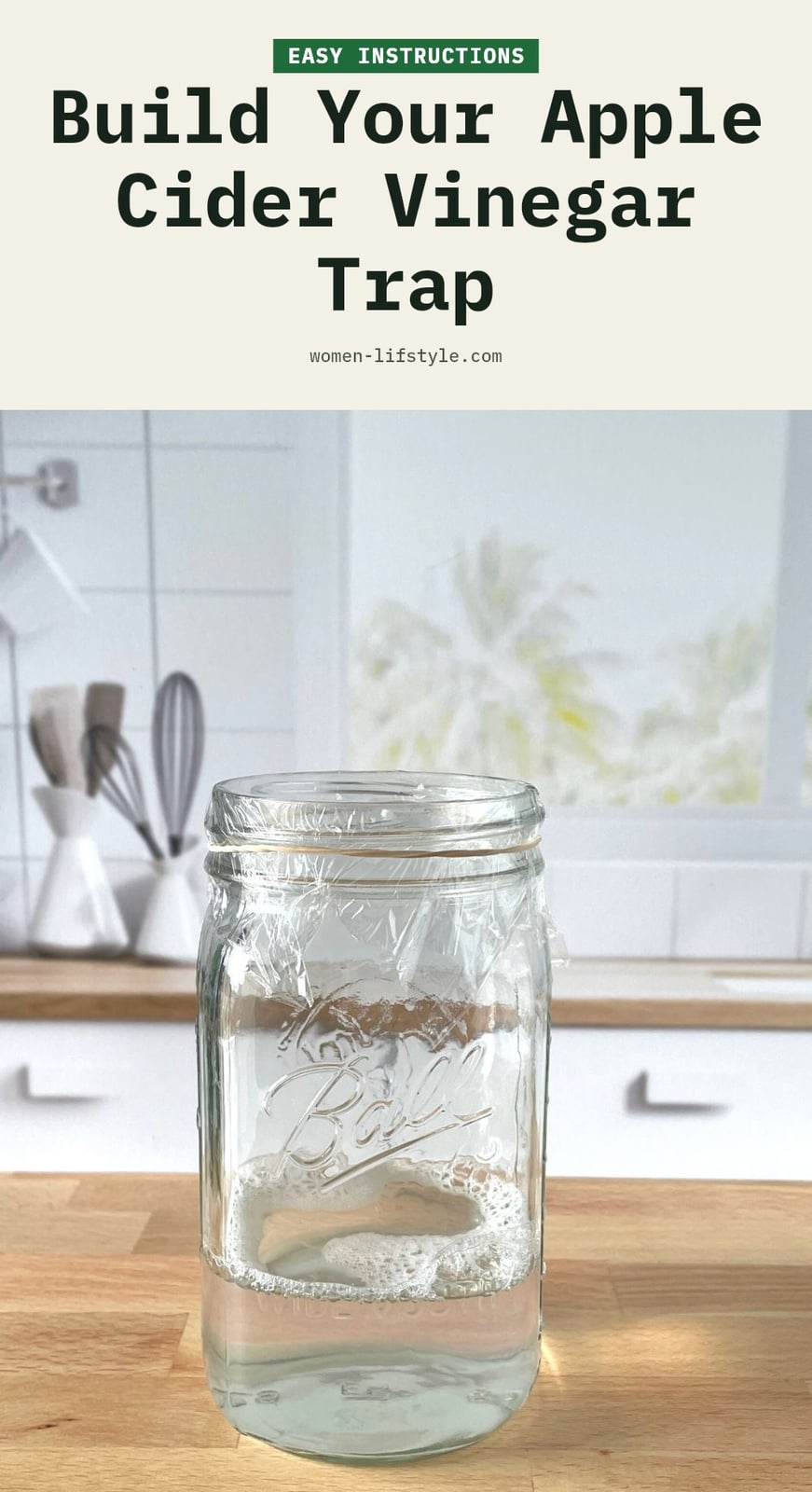
- Choose a shallow container: A bowl, saucer, or wide-mouth jar gives gnats plenty of surface area to land on. The wider the opening, the better.
- Mix the solution: Combine equal parts apple cider vinegar and water in the container. Add a few drops of dish soap and stir gently to avoid too many bubbles.
- Cover with plastic wrap: Stretch a piece of plastic wrap tightly over the top and secure it with a rubber band or tape. Poke several small holes in the wrap with a toothpick or fork. The holes create a one-way entry, gnats fly in but struggle to get back out.
- Place traps strategically: Set the trap close to where you see the most gnat activity. For fruit flies, put it near the fruit bowl or trash can. For fungus gnats, place it next to your houseplants.
- Change the solution every few days: The vinegar scent fades over time, and dead gnats can make the trap less effective. My tip: Replace the liquid and wash the container every 2-3 days to keep the trap working at full strength.
Alternative DIY Gnat Traps for Different Infestations
Alternative DIY Gnat Traps for Different Infestations
If apple cider vinegar isn’t cutting it, or you want to target a specific type of gnat, try these variations.
Yeast and sugar trap for fruit flies: Mix 1 tablespoon of sugar and 1 teaspoon of active dry yeast into 1 cup of warm water. Add a drop of dish soap. The fermentation mimics ripe fruit and attracts fruit flies fast.
Overripe fruit trap for fruit flies: Place a few banana peels or fruit scraps in a shallow bowl. Cover with plastic wrap and poke small holes. The sweet, rotting scent is irresistible to fruit flies.
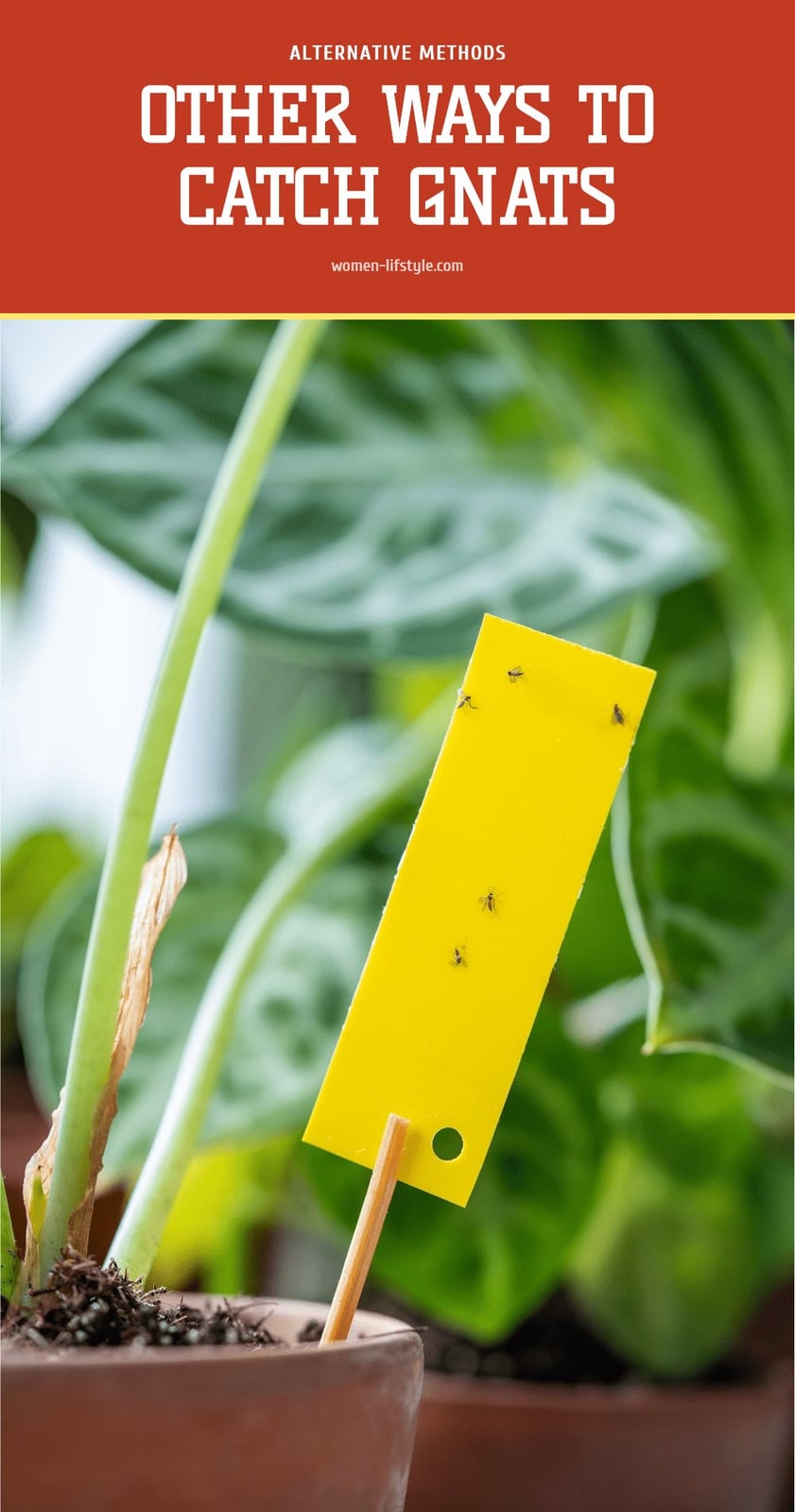
Sticky traps for fungus gnats near plants: Insert yellow sticky cards into the soil of infested houseplants. The yellow color attracts adult fungus gnats, and they get stuck. My tip: Use yellow sticky traps specifically for fungus gnats in houseplants; they work much better than blue or white cards.
Common Gnat Trapping Mistakes to Avoid
Common Gnat Trapping Mistakes to Avoid
Even the best trap won’t work if you make these common errors.
- Not addressing the source: Traps catch adults, but if you have overwatered plants or rotting fruit, new gnats will keep appearing. Remove the source first.
- Using too much dish soap: A few drops are enough. Too much creates a slick surface that repels gnats instead of trapping them.
- Not changing the solution: Replace the trap every 2-3 days. Stale solution loses its attractive scent and becomes less effective.
- Only one trap: For a widespread infestation, place multiple traps near each hotspot. One trap won’t cover a whole kitchen.
Tip: Think of it as a multi-pronged attack: remove the source, set multiple traps, and maintain them regularly.
Keeping Gnats Away: Long-Term Prevention Strategies

Keeping Gnats Away: Long-Term Prevention Strategies
Once you’ve reduced the population, keep them from coming back by removing what they need to survive.
- Manage houseplant soil moisture: Allow the top inch or two of soil to dry out between waterings. Fungus gnat larvae need moist soil to thrive.
- Clean up promptly: Wipe up spills, store ripe produce in the fridge, and toss overripe fruit immediately.
- Seal trash and compost: Keep trash cans and compost bins tightly closed. Even a small opening attracts fruit flies.
- Address standing water: Check sinks, drains, and dish racks for standing water. Gnats breed in damp areas.
Good to know: Think like a gnat, remove their food and water sources, and they will move on.
How Quickly Do Gnat Traps Work and What’s the Cost?
How Quickly Do Gnat Traps Work and What’s the Cost?
You may see gnats in the trap within hours, but a significant reduction usually takes several days. Adult fungus gnats live only 7-10 days, but females lay hundreds of eggs, so ongoing maintenance is essential to prevent a new cycle.
The cost is nearly zero if you already have apple cider vinegar, sugar, and dish soap. A batch of vinegar, sugar, and dish soap costs pennies. Sticky traps cost a few dollars for a pack of 10. Compared to store-bought sprays, DIY traps are extremely affordable.
Frequently Asked Questions
What is the best homemade gnat killer?
The most reliable homemade gnat killer is the apple cider vinegar trap: mix equal parts vinegar and water in a shallow bowl, add a few drops of dish soap, and cover with plastic wrap poked with small holes. The vinegar attracts gnats, the soap makes them sink, and the wrap keeps them from escaping.
How long does it take for gnat traps to work?
You might see gnats in the trap within hours, but a significant reduction usually takes several days. Adult fungus gnats live only 7 to 10 days, but females lay hundreds of eggs, so keep the traps out and change the solution every few days until the population drops.
Can gnats harm my houseplants?
Adult fungus gnats are mostly a nuisance, but their larvae can damage plant roots if populations get high. The larvae feed on fungi and decaying organic matter in the soil, which can stress young or weak plants. Keeping the topsoil dry helps prevent them from thriving.
What smells do gnats hate?
Gnats are repelled by strong scents like citrus, peppermint, and eucalyptus. You can try placing a few drops of essential oils diluted in water near entry points, but these are more of a deterrent than a solution. For actual control, stick with a vinegar trap and remove the source.
Why do I suddenly have so many gnats?
A sudden gnat explosion usually means there’s a food source and moisture nearby. Overwatered houseplants, ripe or rotting fruit, spills, and damp drains all attract gnats. Once they find a breeding spot, females can lay hundreds of eggs, so the population can grow quickly.
Final Thoughts
For most gnat problems, a simple apple cider vinegar trap is your best first move. Set up a couple of shallow bowls near the hotspots and change the solution every few days. You’ll likely see gnats in the trap within hours, but give it several days to really cut down the population. Remember, traps catch adults, so you also need to remove the source, like overwatered soil or ripe fruit, to stop new gnats from appearing. With a little consistency, you can get your home back to gnat-free.
