

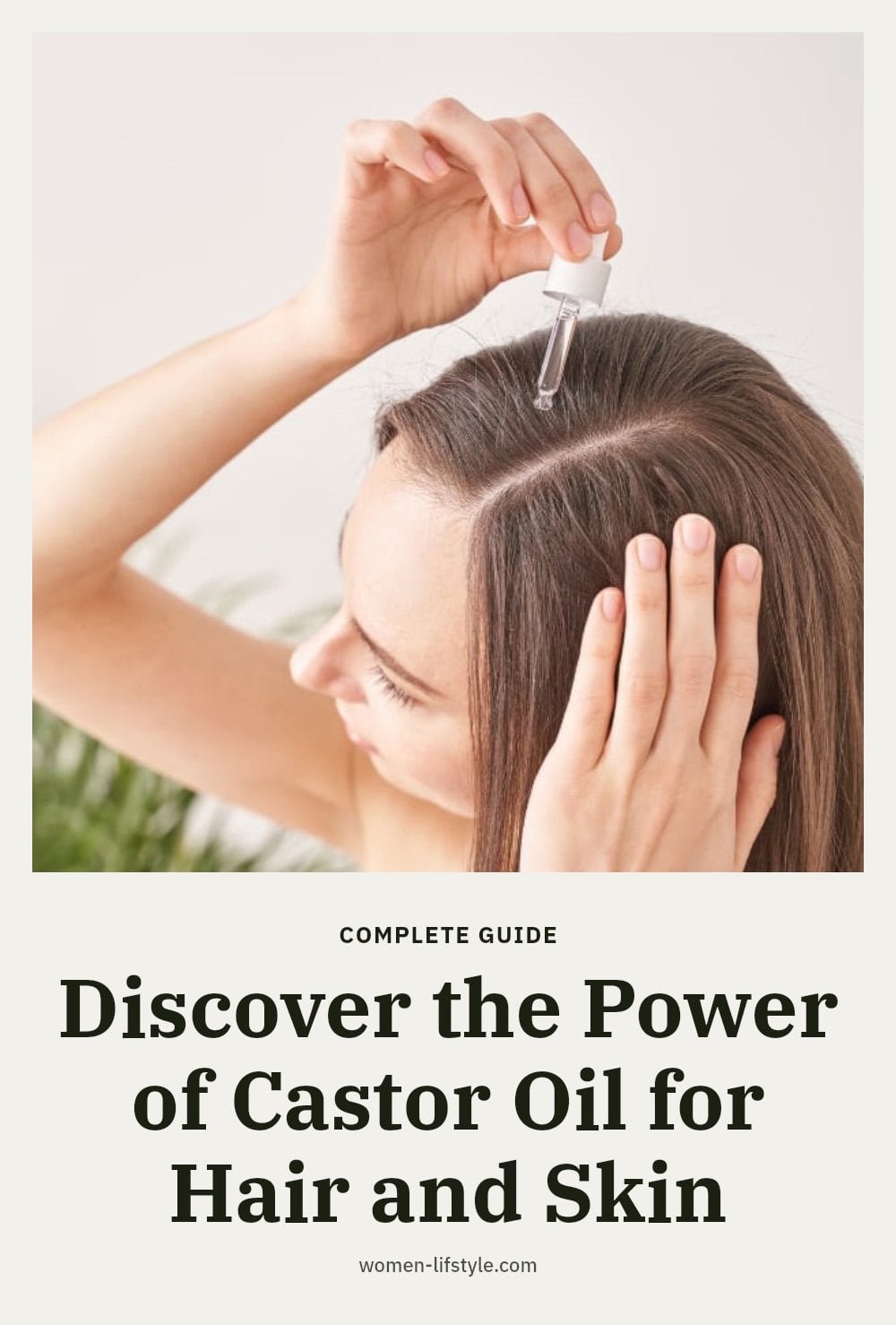
If you’ve been scrolling through natural beauty remedies, you’ve probably seen castor oil pop up for hair growth, skin hydration, and lash enhancement. It’s a thick vegetable oil packed with ricinoleic acid, which helps draw moisture into your hair and skin. In this guide, I’ll walk you through how to use it safely and effectively, from scalp treatments to brow grooming.
Key Takeaways
- Always perform a patch test on your inner arm before using castor oil on larger areas.
- Dilute castor oil with a carrier oil like jojoba or almond for easier application on hair and skin.
- Apply castor oil to eyelashes and brows daily with a clean mascara wand for potential thickening.
- Expect to use castor oil consistently for several weeks to months before noticing visible results.
- Stop use immediately if you experience redness, itching, or swelling and consult a professional.
What is Castor Oil and Why Use It?
Castor oil is a thick, natural vegetable oil pressed from the seeds of the castor bean plant. Its key component is ricinoleic acid, a fatty acid that gives it humectant properties, meaning it draws moisture from the air into your hair and skin. For generations, people have used it as a traditional remedy to support hair growth, moisturize dry patches, and strengthen eyelashes and eyebrows.
Gather Your Castor Oil Essentials
To get the most out of castor oil, you need a few basics. Start with the oil itself: cold-pressed castor oil retains more nutrients, while Jamaican Black Castor Oil (JBCO) is processed differently and often preferred for hair. Because pure castor oil is very thick, you will also want a lighter carrier oil like jojoba, almond, or coconut to dilute it. Finally, grab applicator tools for precise use:
- For scalp: a small bowl for mixing and your fingertips or a dropper
- For lashes and brows: a clean mascara wand or cotton swab
- For skin: cotton balls or your fingertips
Step-by-Step: Applying Castor Oil for Hair Growth
- Patch test first: Apply a small amount of diluted castor oil to your inner arm and wait 24 hours. If no redness or irritation appears, you can proceed.
- Dilute the oil: Mix one part castor oil with two to three parts of your chosen carrier oil. This makes it easier to spread and wash out.
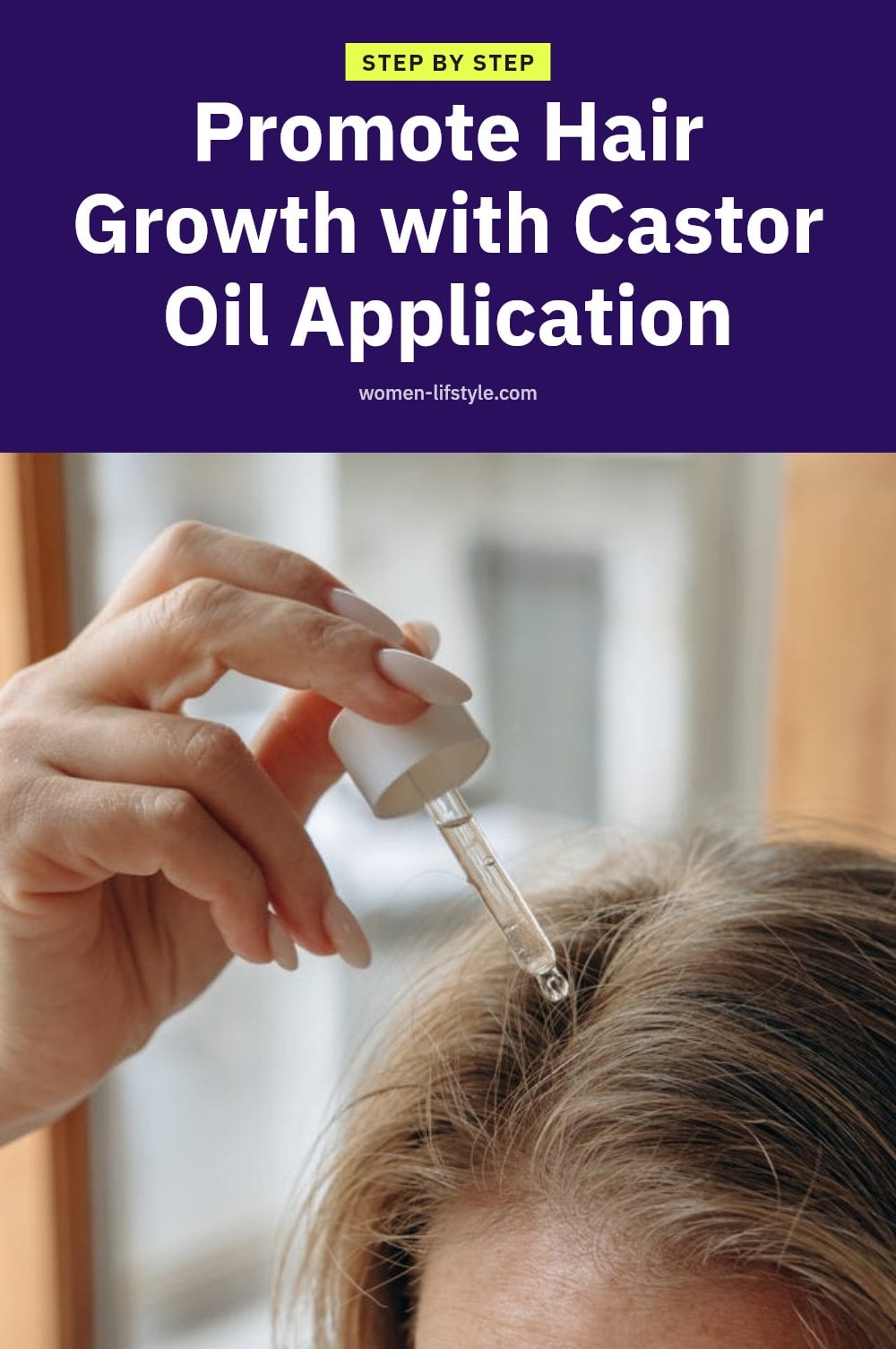
- Apply to clean, damp hair and scalp: Section your hair and use your fingertips to massage the mixture gently into your scalp. Applying to damp hair helps the oil spread more evenly and makes washing out easier later.
- Leave it on: Let the oil sit for at least 30 minutes, or overnight for deeper conditioning. Cover your pillow with an old towel if you sleep with it.
- Wash out thoroughly: Shampoo twice if needed to remove all residue. Follow with conditioner. Repeat 2-3 times per week for several weeks.
Targeted Uses: Lashes, Brows, and Skin Hydration

Castor oil works well beyond the scalp. Here is how to apply it to other areas.
For eyelashes and eyebrows
Dip a clean mascara wand or cotton swab into the diluted oil. Brush it onto your lashes and brows, coating them lightly. Keep your eyes closed during application. Caution: Avoid getting any oil directly into your eyes. If it happens, rinse immediately with cool water. For best results, apply daily, preferably before bed so the oil has time to absorb overnight.
For dry skin
Use a tiny drop of diluted castor oil on specific dry areas like cracked heels, elbows, or chapped lips. Rub it in gently until absorbed. Tip: Apply at night so the oil has hours to soak in without being wiped off. A little goes a long way; using too much can feel greasy and may clog pores.
Common Castor Oil Mistakes and How to Avoid Them
Not patch testing is the most common mistake. A small drop on your inner arm for 24 hours can save you from redness or itching. Using too much oil is another one. A few drops mixed with a carrier oil is plenty; more than that makes it hard to wash out and can clog pores.
Expecting instant results sets you up for disappointment. Hair growth and skin changes take weeks to months of consistent use. And remember: castor oil is for topical use only. Swallowing it is a strong laxative and should never be part of your beauty routine.
How Long Until You See Results and What to Expect
Consistency matters more than anything. For hair, applying 2-3 times a week for several weeks to months may show results. For lashes and brows, daily use is common. You will not see thicker hair overnight, but many people notice less breakage and softer texture over time.
Tip: Castor oil is a cost-effective remedy. A single bottle lasts months, making it a budget-friendly option compared to many salon treatments.
When to Consult a Professional
Stop using castor oil immediately if you see redness, itching, or swelling. If you have pre-existing skin conditions like eczema or psoriasis, or known allergies, talk to a doctor before starting. Always check with your healthcare provider if you are pregnant or breastfeeding before applying any new oil topically.
Frequently Asked Questions
Can castor oil really make hair grow faster?
While many people share anecdotal reports of faster hair growth with castor oil, scientific studies directly supporting this claim are limited. The ricinoleic acid in castor oil may help improve scalp health and reduce breakage, which can make hair appear longer over time. For best results, use it consistently for several weeks to months.
How often should I use castor oil on my eyelashes?
For eyelashes, daily application is common. Dip a clean mascara wand or cotton swab into diluted castor oil and brush it onto your lashes lightly. Be careful to avoid getting the oil into your eyes. With consistent daily use, some people notice thicker lashes over several weeks.
Is Jamaican Black Castor Oil better than regular castor oil?
Jamaican Black Castor Oil is made by roasting and boiling castor beans, which gives it a darker color and a slightly different pH. Some people prefer it for hair because they feel it adds extra moisture or thickness. Both types work similarly, so the choice comes down to personal preference and what your hair responds to best.
Can castor oil clog pores on my face?
Castor oil is thick and can be comedogenic for some skin types, meaning it may clog pores. To reduce the risk, always dilute it with a lighter carrier oil like jojoba or almond oil before applying to your face. If you have acne-prone or sensitive skin, do a patch test first and stop use if you notice breakouts.
How do I remove castor oil from my hair after treatment?
Because castor oil is very thick, you may need to shampoo your hair twice to remove it completely. Use a gentle shampoo and focus on the roots, then follow with conditioner. You can also apply the oil to damp hair to help it spread more evenly and make washing out easier.
What are the signs of an allergic reaction to castor oil?
Signs of an allergic reaction include redness, itching, swelling, or a rash at the application site. If you experience any of these, stop using castor oil immediately. For mild irritation, rinsing the area with cool water may help. If symptoms persist or worsen, consult a healthcare professional.
Final Thoughts
My tip: start with a small batch of diluted castor oil and apply it to your scalp or brows a few times a week. Consistency is your best friend here, so stick with it for at least a month before expecting changes. Many people see softer hair and less breakage over time, but don’t rush the process. Keep your routine simple and listen to your skin.
This article is for informational purposes only and does not replace professional medical advice. Castor oil affects individuals differently, and results are not guaranteed. If you have a skin condition, allergy, or are pregnant or breastfeeding, consult a doctor or dermatologist before use. Discontinue use if irritation occurs.
